Basic Addition Normal Numbers Worksheets for 3-Year-Olds
5 filtered results
-
From - To
Discover our engaging "Basic Addition Normal Numbers Worksheets for 3-Year-Olds," designed to introduce young learners to fundamental addition concepts. These worksheets provide colorful visuals and simple exercises, helping preschoolers grasp the basics of adding numbers in a fun and interactive way. Our carefully curated activities encourage counting, number recognition, and problem-solving skills, fostering a love for math through playful learning. Perfect for teachers and parents, these worksheets are an excellent resource for enhancing early math skills while ensuring children develop confidence. Join us on this exciting journey into the world of numbers and watch your little ones thrive!
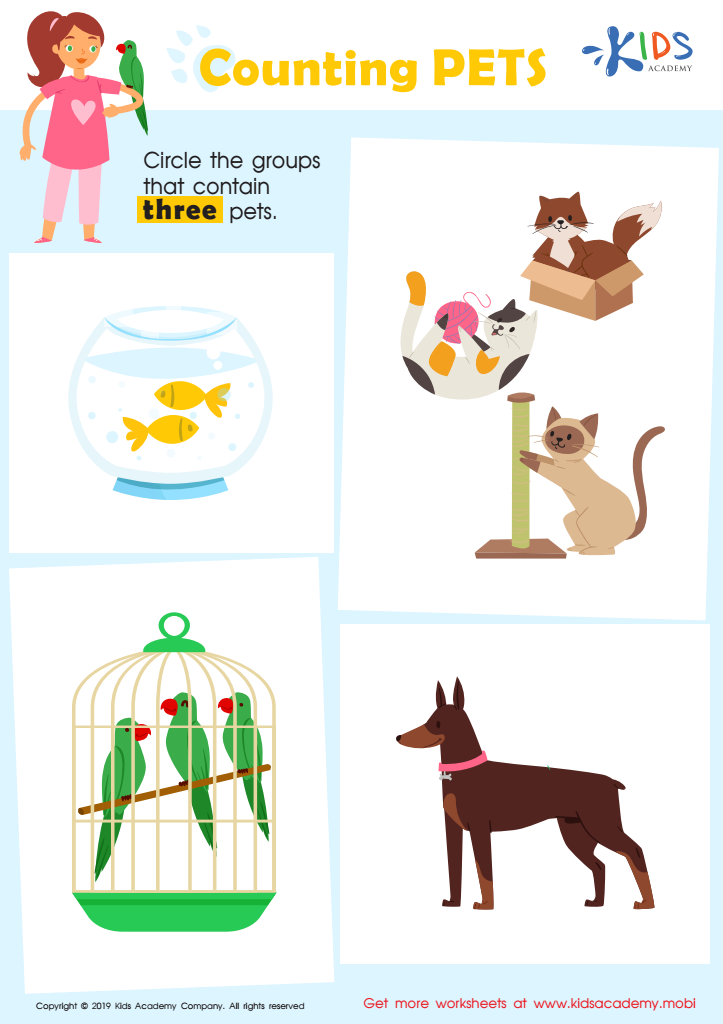
Counting Pets Worksheet
 Assign to My Students
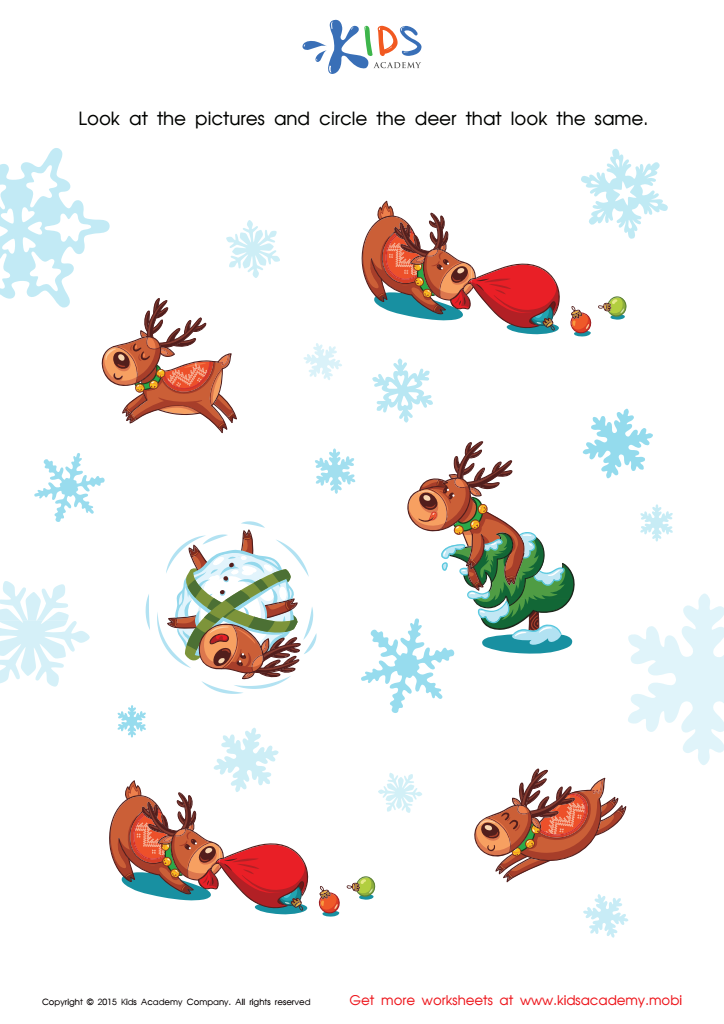
Count the Deer Worksheet

Lily Pad Pond Counting Worksheet
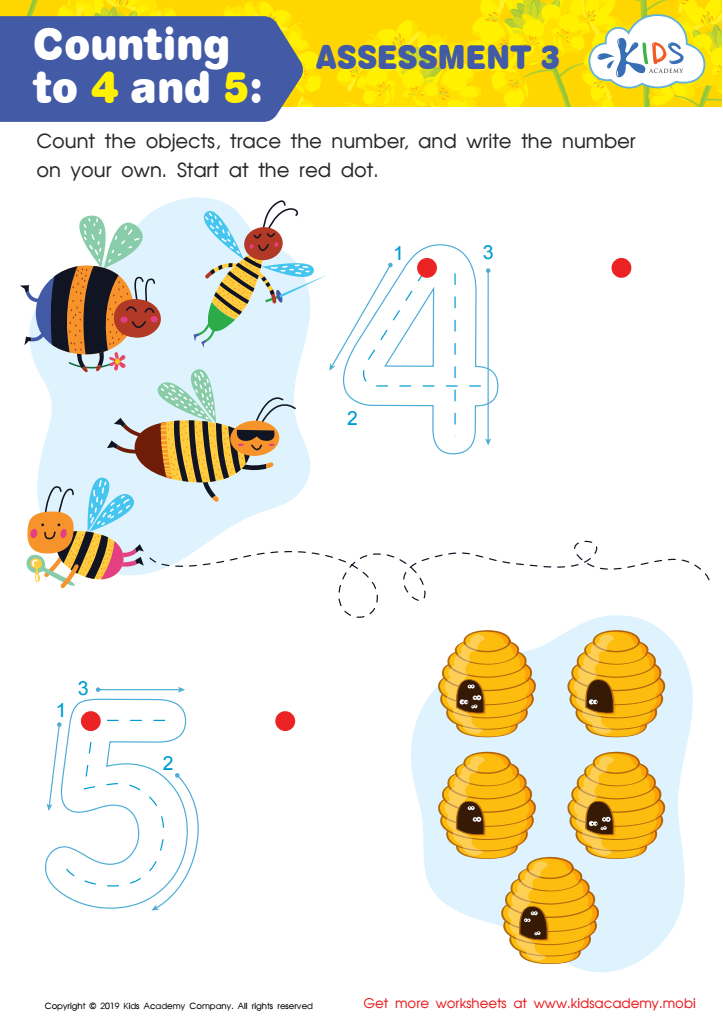
Counting to 4 and 5: Assessment 3 Worksheet
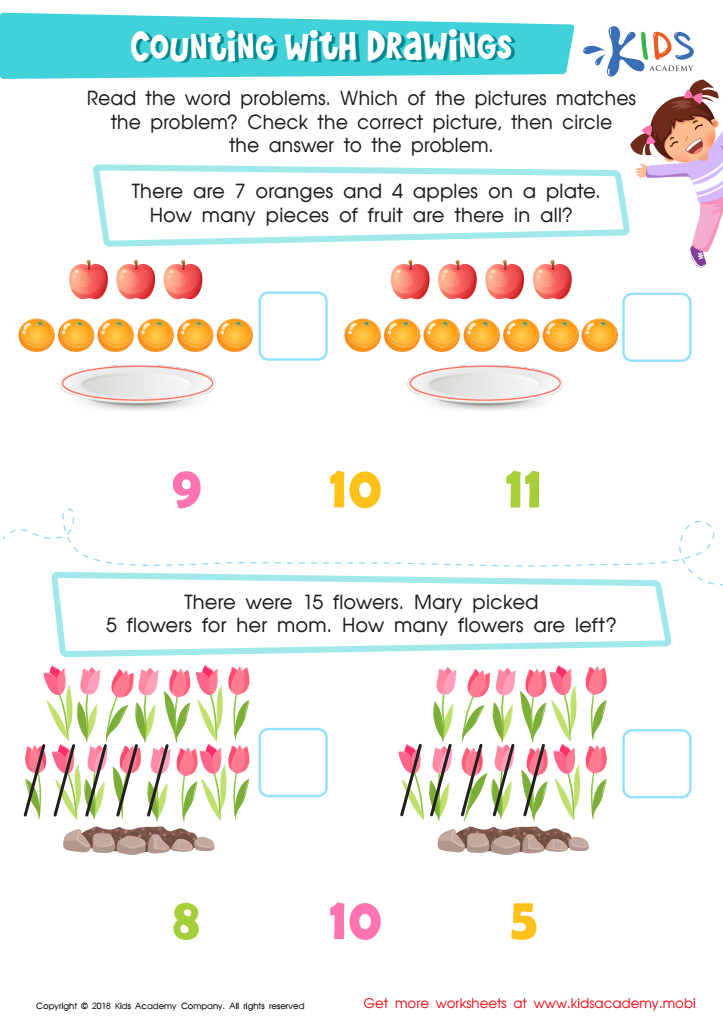
Counting with Drawings:Fruits & Flowers Worksheet


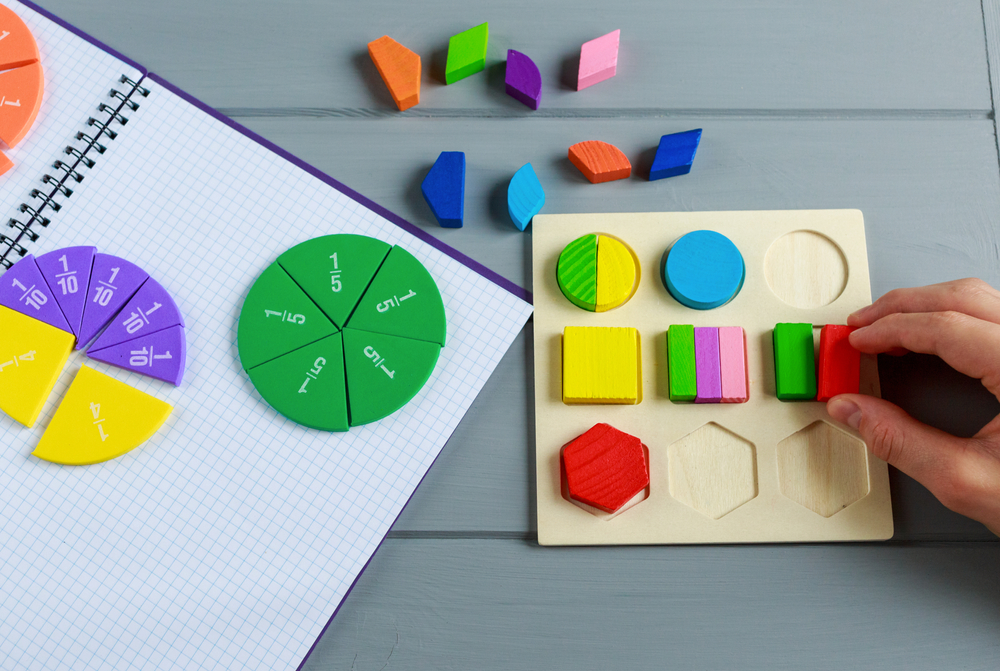





Introducing basic addition with normal numbers to 3-year-olds is crucial for several reasons. First, early math skills lay the foundation for future academic success. By engaging young children in addition, caregivers can cultivate a positive attitude toward math, promoting confidence in their abilities. Introducing concepts in a fun and playful manner fosters curiosity, allowing children to explore numbers through everyday experiences.
Additionally, basic addition helps develop critical cognitive skills. Engaging in early math activities encourages problem-solving and logical thinking as children begin to recognize patterns and relationships between quantities. It also enhances language development, as they learn to verbalize numbers and operations, aiding in communication skills.
Moreover, learning addition can improve a child's social skills. When they collaborate with peers or family members for activities like counting objects or participating in games, they practice sharing and teamwork, which is essential for their emotional growth.
Incorporating basic addition also reinforces number recognition and fine motor skills as children interact with objects and use manipulatives. In summary, nurturing basic addition skills in young children positively influences their cognitive, social, and emotional development, setting them on a path for lifelong learning and success.








