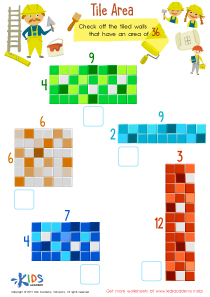
Cognitive Development Normal Matching Worksheets for 3-Year-Olds
3 filtered results
-
From - To
Discover our engaging Cognitive Development Normal Matching Worksheets for 3-year-olds, designed to enhance early learning skills through fun and interactive activities. These thoughtfully crafted worksheets help young children develop crucial cognitive abilities such as pattern recognition, problem-solving, and visual discrimination. Ideal for preschoolers, these printable resources ensure a balanced approach to learning by combining play and education. Encourage your child's growth and confidence with our carefully selected exercises that are perfect for home or classroom use. Visit Kids Academy for more exciting, educational materials ensuring foundational skills are nurtured in a supportive environment.
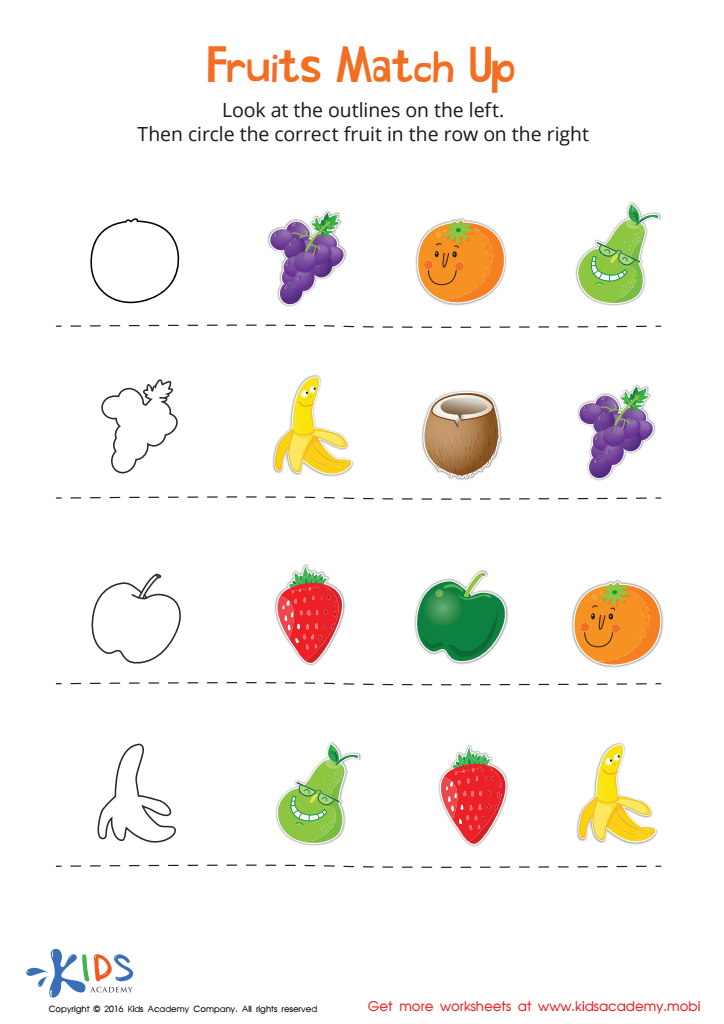
Fruits Match Up Worksheet
 Assign to My Students
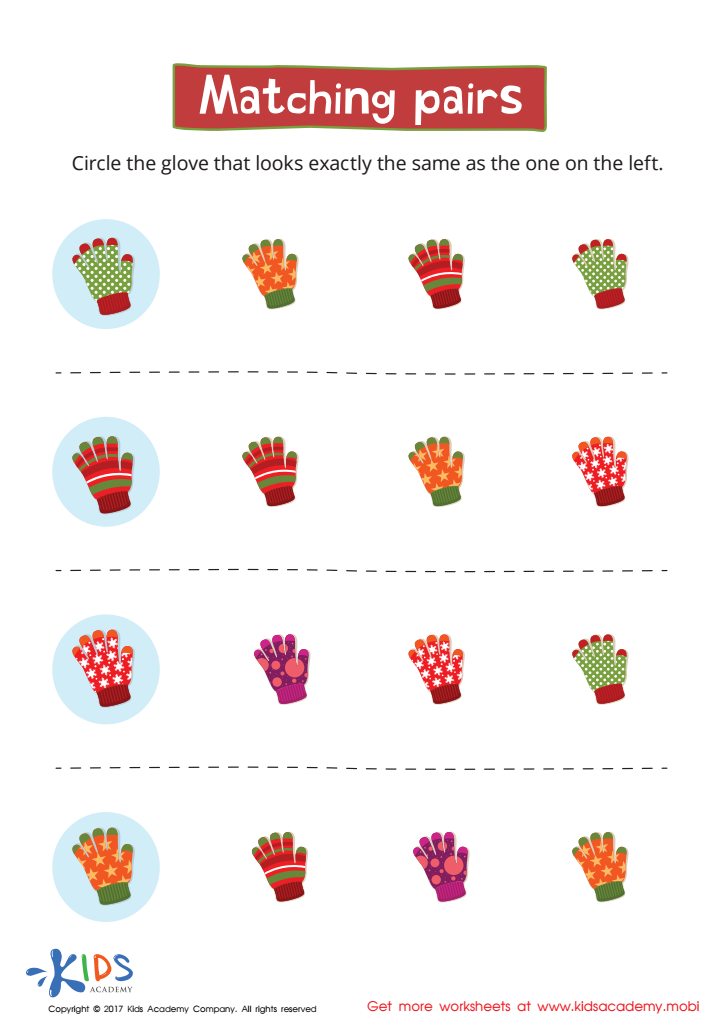
Matching: Matching Pairs Worksheet
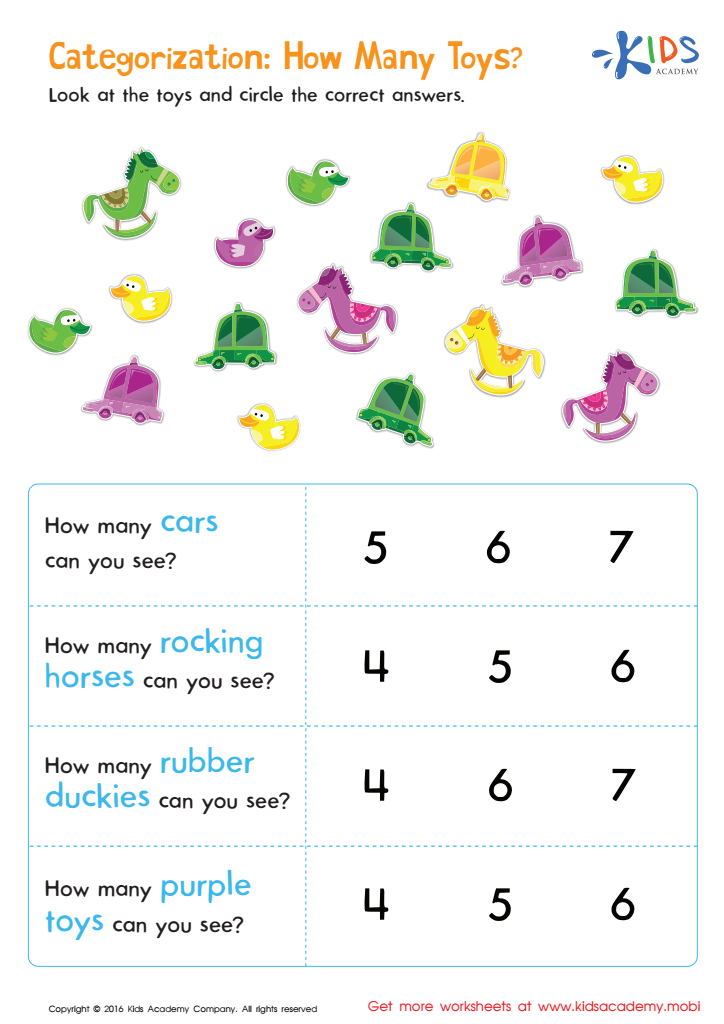
Classifying Toys by Type and Color Sorting Worksheet








Parents and teachers should care about cognitive development norm matching for 3-year-olds because it establishes a foundation for future learning and overall development. At this age, children experience rapid brain development, gaining vital skills like memory, problem-solving, language comprehension, and emotional regulation. Monitoring cognitive milestones ensures that children are on track, enabling early intervention if necessary.
Consistent alignment with developmental norms helps identify strengths and potential areas needing support. For example, if a child has difficulty with tasks like simple puzzles or recognizing colors, this may highlight a need for targeted activities to bolster these areas. Early recognition and action can significantly reduce long-term educational and social challenges, fostering resilience and adaptability.
Moreover, understanding and supporting cognitive development enhances children’s self-confidence and promotes a joy for learning. It equips them with critical thinking capabilities that will be crucial throughout their educational journey. Ultimately, by prioritizing cognitive development, parents and teachers create an environment that nurtures a child's natural curiosity, fosters meaningful learning experiences, and sets a strong foundation for academic success and well-being.
In sum, emphasizing cognitive development norm matching empowers parents and teachers to unlock each child's full potential and address issues early, ensuring well-rounded growth and readiness for future challenges.