Shape Recognition Normal Matching Worksheets for 3-Year-Olds
5 filtered results
-
From - To
Enhance your child's learning experience with our engaging Shape Recognition Normal Matching Worksheets designed specifically for 3-year-olds! These worksheets encourage young learners to identify and match different shapes, promoting early math skills and cognitive development. With colorful illustrations and age-appropriate activities, children will enjoy exploring circles, squares, triangles, and more. Our resources are perfect for both classroom settings and home education, providing a fun way to reinforce shape recognition. Inspire creativity and critical thinking while helping your child build a strong foundational understanding of shapes. Download now to embark on this exciting learning journey together!
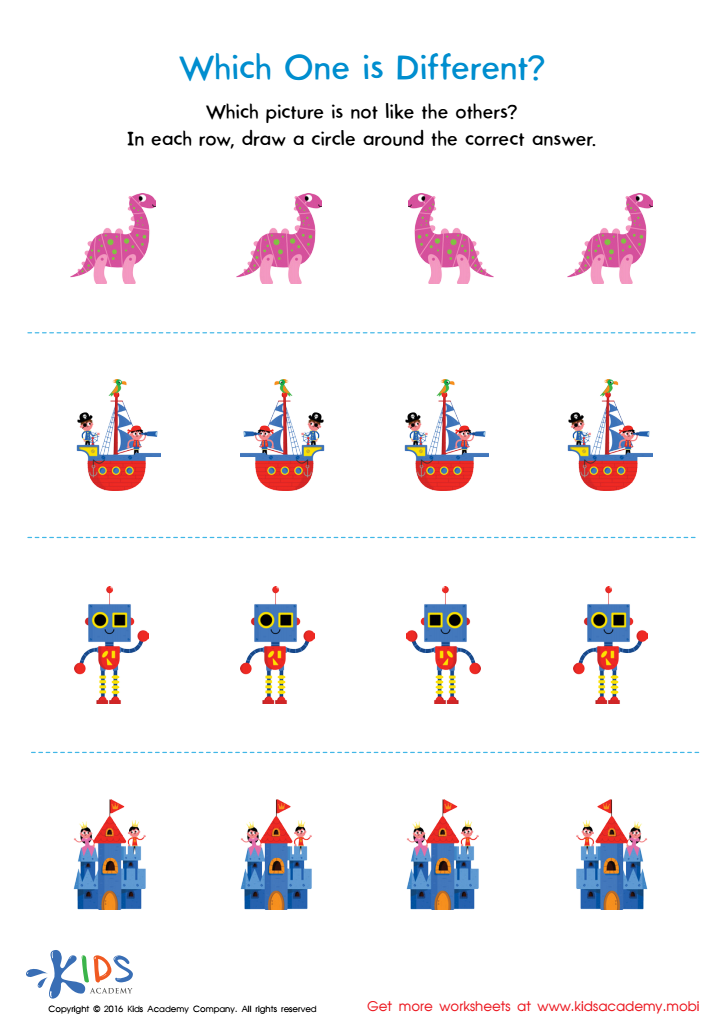
Which One Is Different Worksheet
 Assign to My Students
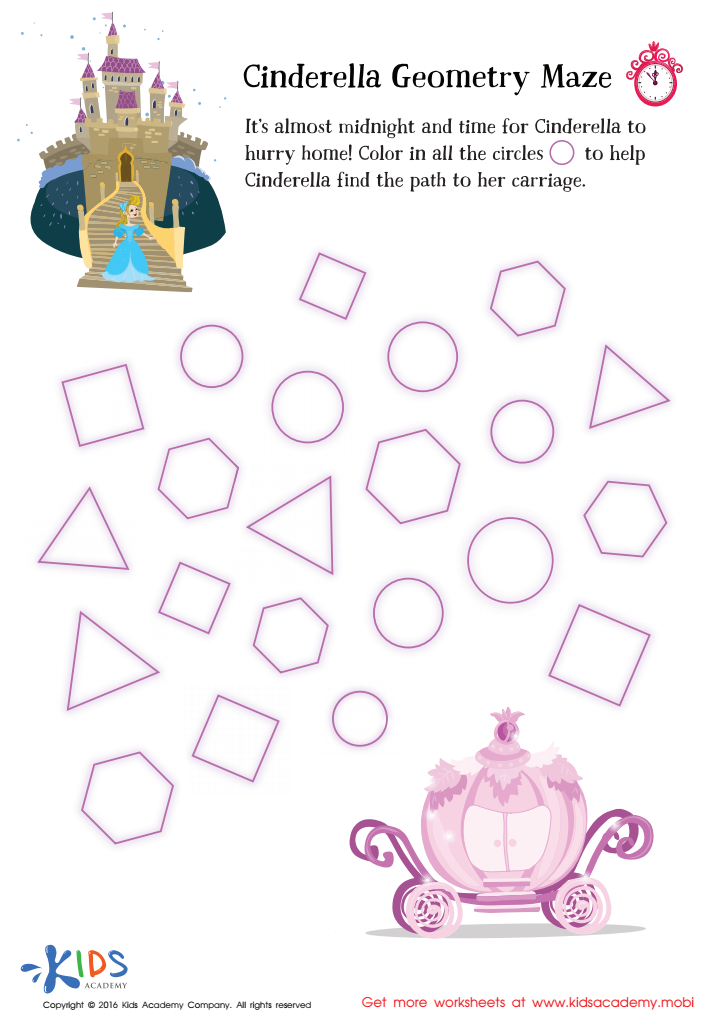
Cinderella Geometry Maze Worksheet
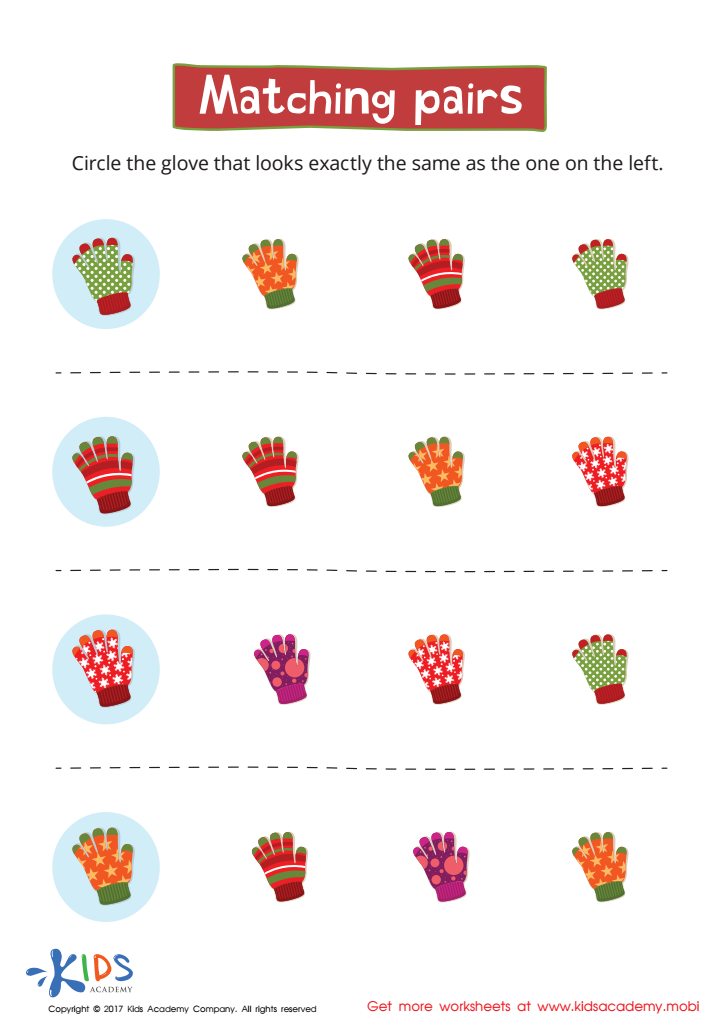
Matching: Matching Pairs Worksheet
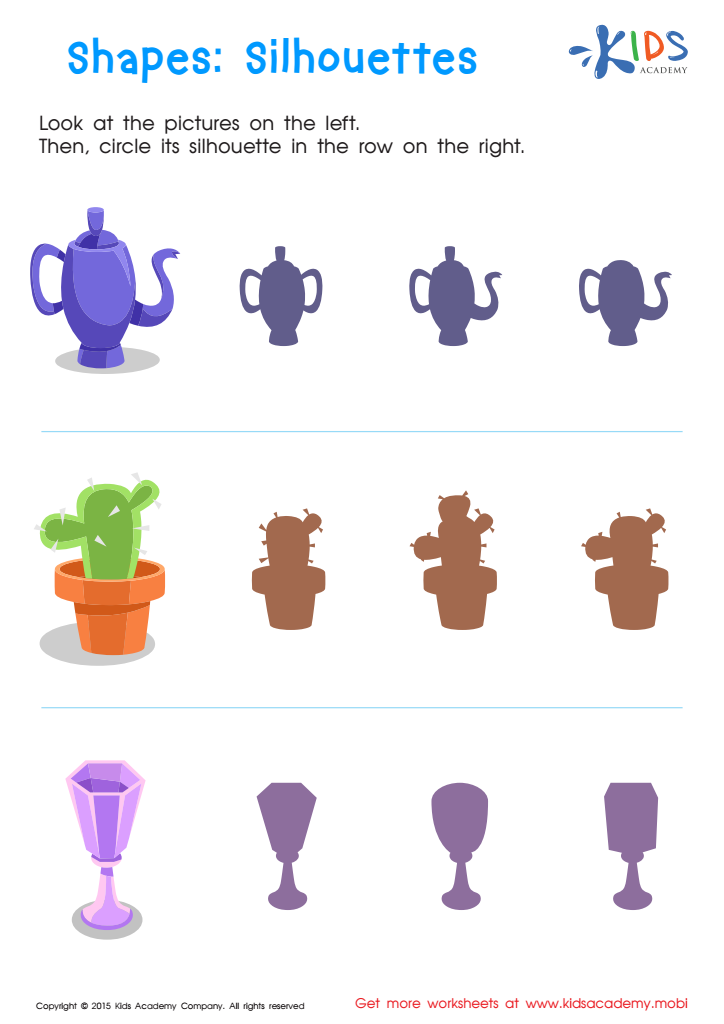
Silhouettes – Shapes Worksheet







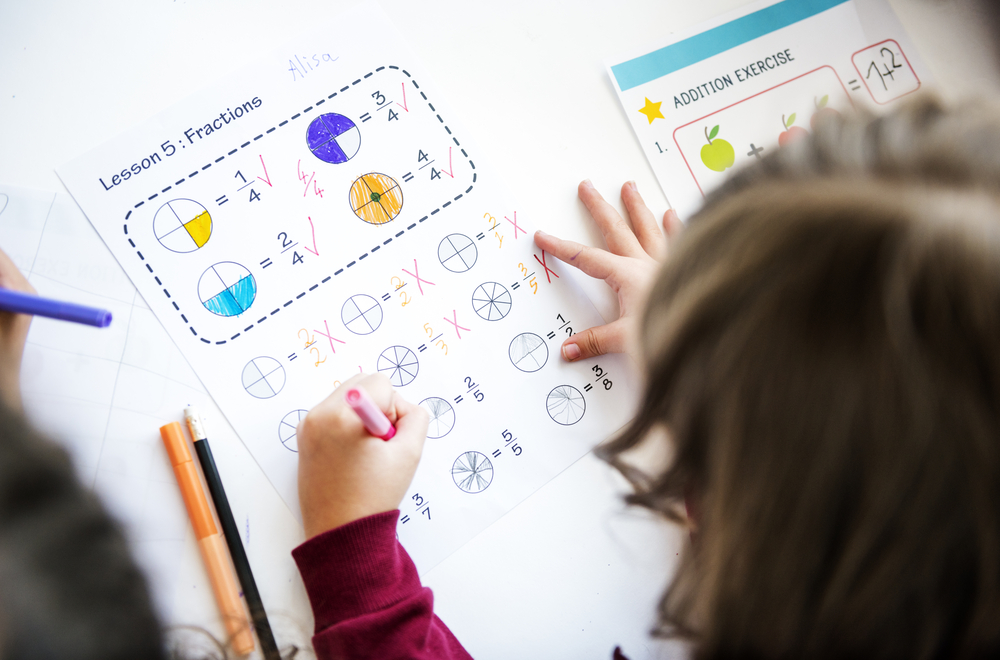
Shape recognition and normal matching are crucial components of early childhood development for 3-year-olds. At this stage, children are naturally curious and engaged in exploring their environment. Recognizing shapes allows them to understand their surroundings, fostering cognitive skills and enhancing their ability to categorize objects. Engaging in shape recognition activities helps improve their problem-solving abilities, as they learn to identify not only basic shapes like circles and squares but also complex forms.
Parents and teachers should prioritize shape recognition because it is foundational for later math skills. Early exposure to concepts like symmetry, patterns, and spatial awareness lays the groundwork for geometry and algebra understanding as children progress in education. Moreover, encouraging shape matching activities aids in fine motor skills development, as children manipulate objects and strengthen their hand-eye coordination.
Additionally, participating in shape-focused games can promote social skills, as children often work together in groups or pairs, fostering communication and teamwork. Overall, recognizing shapes nurtures a child's cognitive, motor, and social skills, setting the stage for lifelong learning and an appreciation for the world around them. By investing time in these activities, parents and teachers can ensure that children develop essential skills for future academic success.








