Vocabulary development Normal Science Worksheets for 3-Year-Olds
4 filtered results
-
From - To
Our Vocabulary Development Normal Science Worksheets for 3-Year-Olds are crafted to ignite your child's curiosity and foster early learning in a fun and engaging manner. Designed by education experts at Kids Academy, these worksheets offer age-appropriate activities that build foundational vocabulary through intriguing science topics. From colorful illustrations to interactive exercises, children will explore words relating to plants, animals, weather, and more. These printables not only enhance language skills but also develop critical thinking and understanding of the natural world. Perfect for at-home learning or supplementary classroom resources, our science worksheets make vocabulary building an enjoyable adventure.
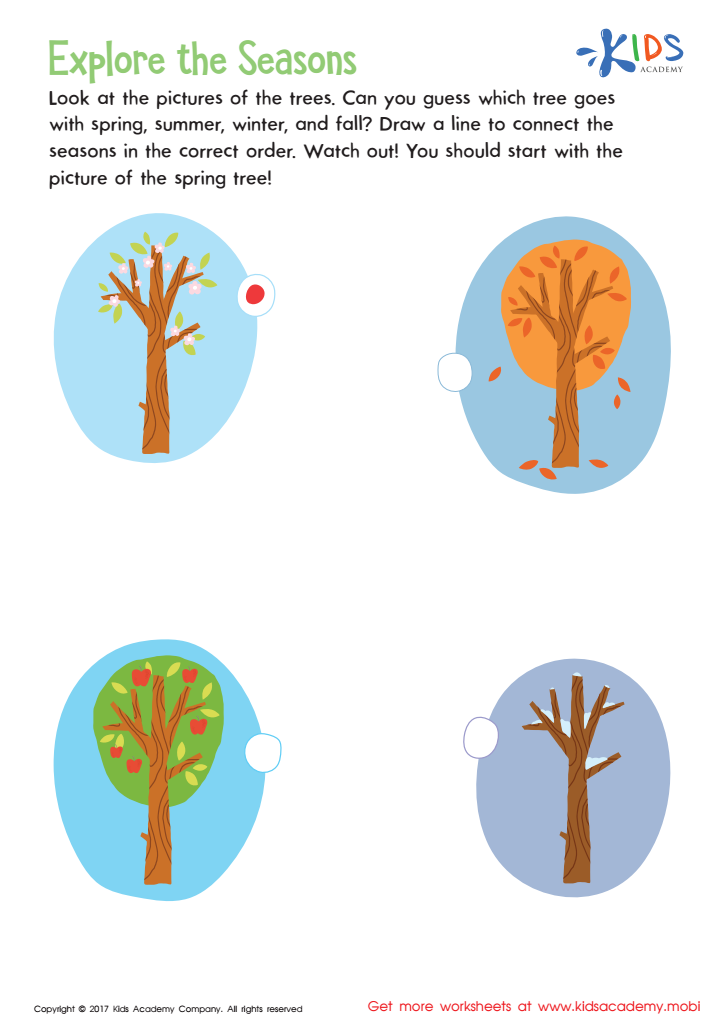
Explore the Seasons Worksheet
 Assign to My Students
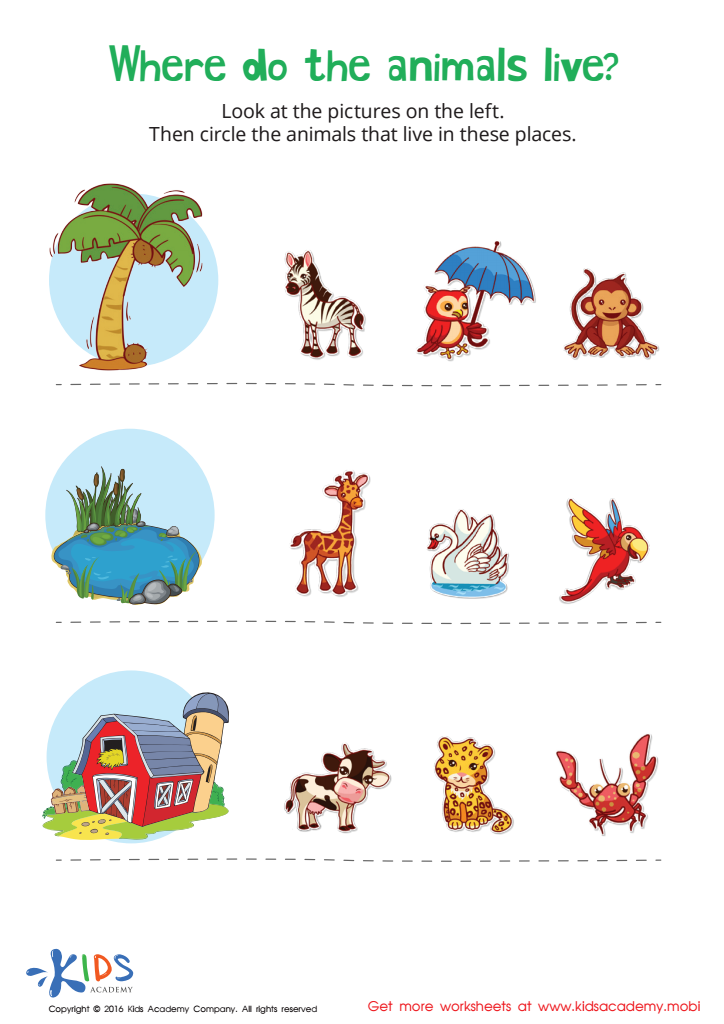
Where Animals Live Worksheet
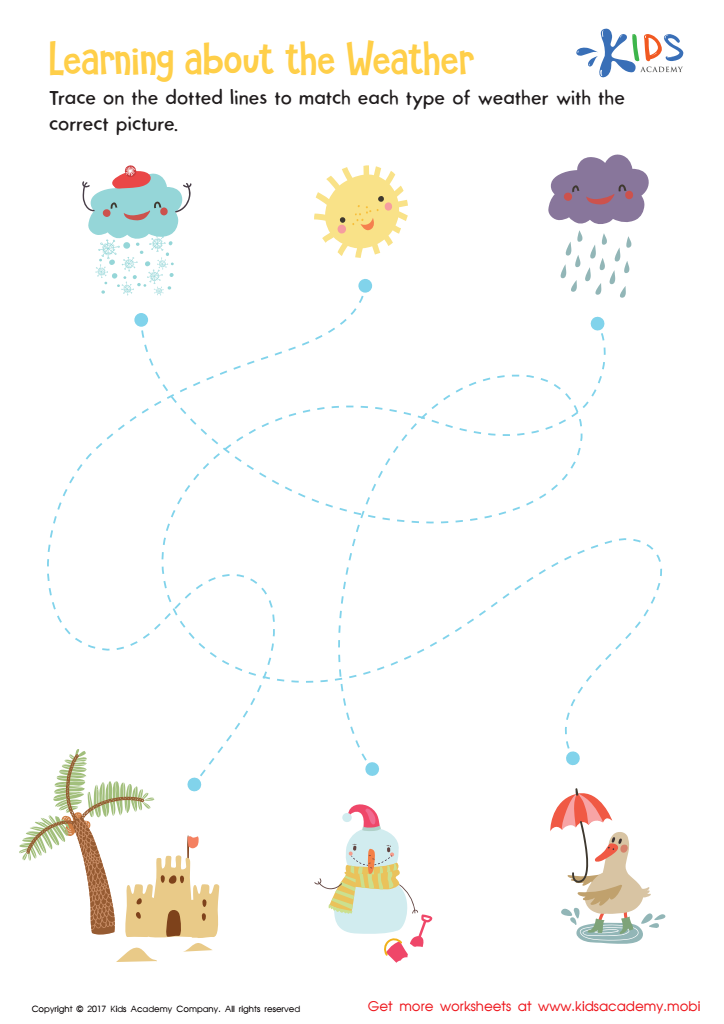
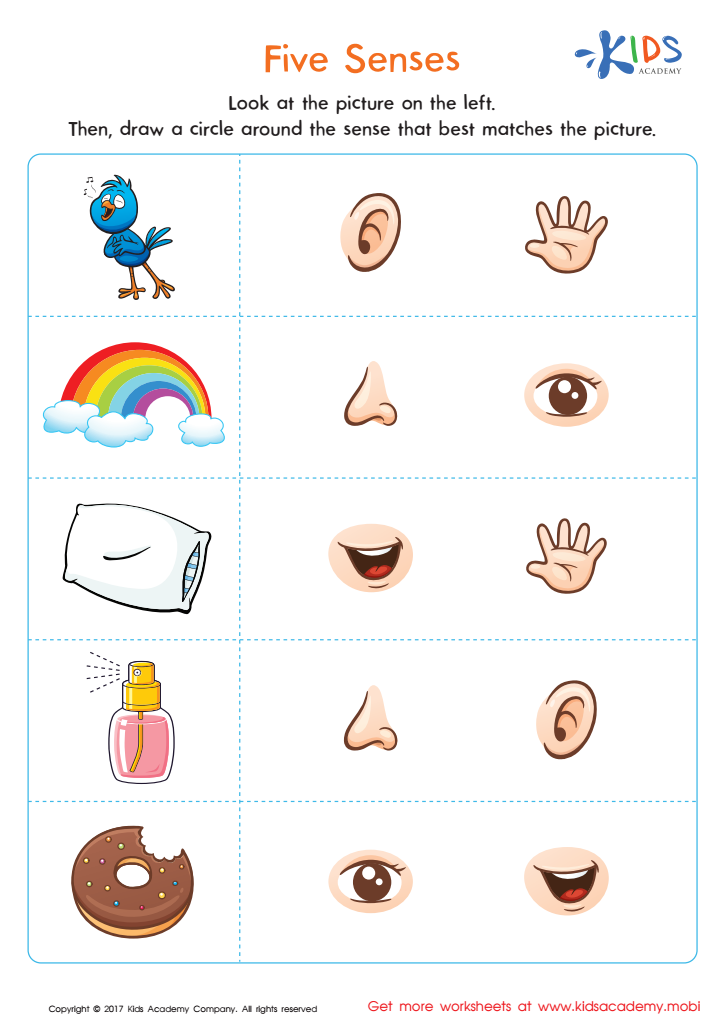
Five Senses Printable






Vocabulary development in 3-year-olds is a fundamental aspect of early childhood education that profoundly influences future academic success and overall cognitive development. At this stage, children's brains are exceptionally receptive to learning new words, which means that investing time in vocabulary building can have numerous long-lasting benefits.
Firstly, a robust vocabulary enables children to better express their thoughts, desires, and emotions, which contributes to more effective interpersonal communication and social interactions. As children learn new words, they gain the tools to describe their experiences more precisely, fostering enhanced social skills and relationships.
Moreover, vocabulary development is closely linked to reading comprehension and literacy skills. Strong word knowledge forms the foundation for learning to read and write. Children who have a rich vocabulary are more likely to better understand the texts they encounter as they progress through their education, setting them up for academic success across all subjects.
Engaging with "normal science" concepts—basic, everyday understanding of how the world works—enhances cognitive development by sparking curiosity and critical thinking. Introducing simple scientific terms and phenomena helps children to connect words with tangible experiences, making learning more meaningful and enjoyable.
Inclusivity in vocabulary development also promotes equity in educational outcomes. When parents and teachers actively nurture this skill, they help bridge gaps that might arise from differing socioeconomic backgrounds, ensuring every child has the tools they need to thrive.







