Basic Addition Normal Worksheets for Ages 4-5
12 filtered results
-
From - To
Introduce your little learners to the world of numbers with our Basic Addition Normal Worksheets for Ages 4-5. Designed to make learning fun and engaging, these worksheets use colorful illustrations and easy-to-follow instructions to help young minds grasp the fundamentals of addition. Perfect for preschoolers and kindergarteners, each worksheet is crafted to boost confidence and build a strong numerical foundation. With a mix of counting, visual aids, and simple math problems, children develop essential skills while enjoying the process. Download now to watch your child's mathematical abilities flourish with every fun-filled session!

African Wildlife: Giraffe Worksheet
 Assign to My Students
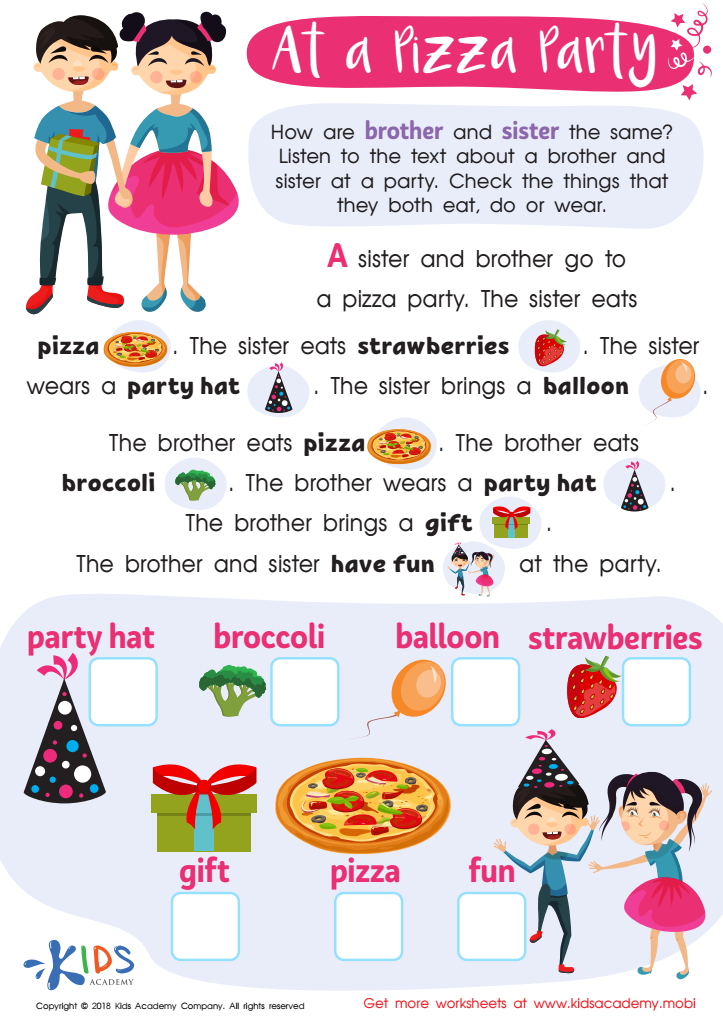
At a Pizza Party Worksheet
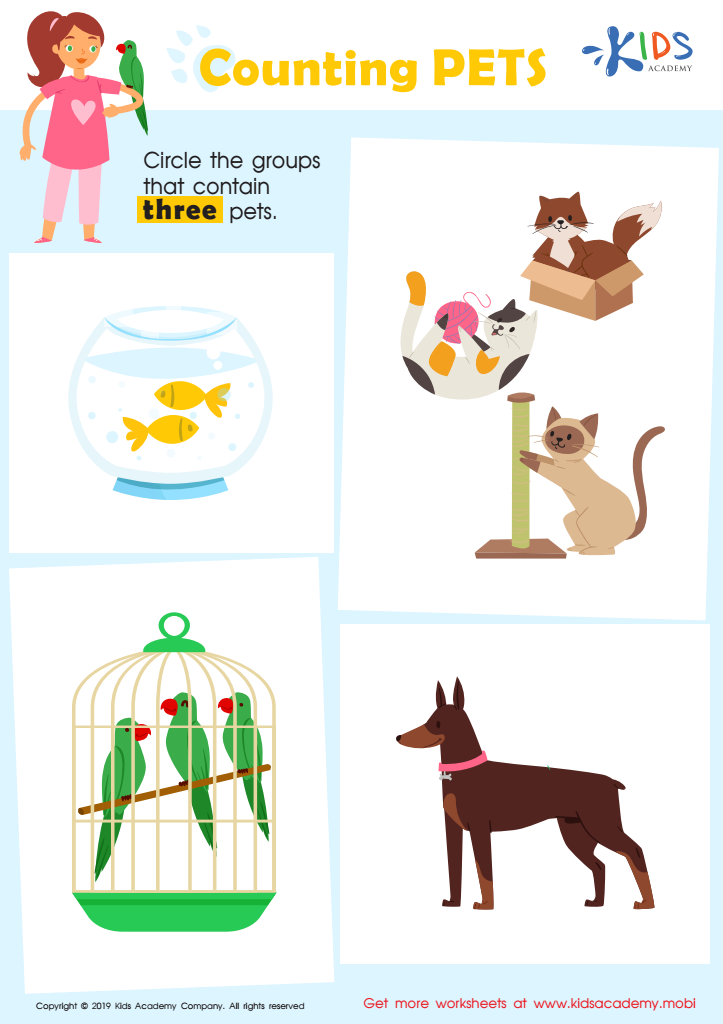
Counting Pets Worksheet
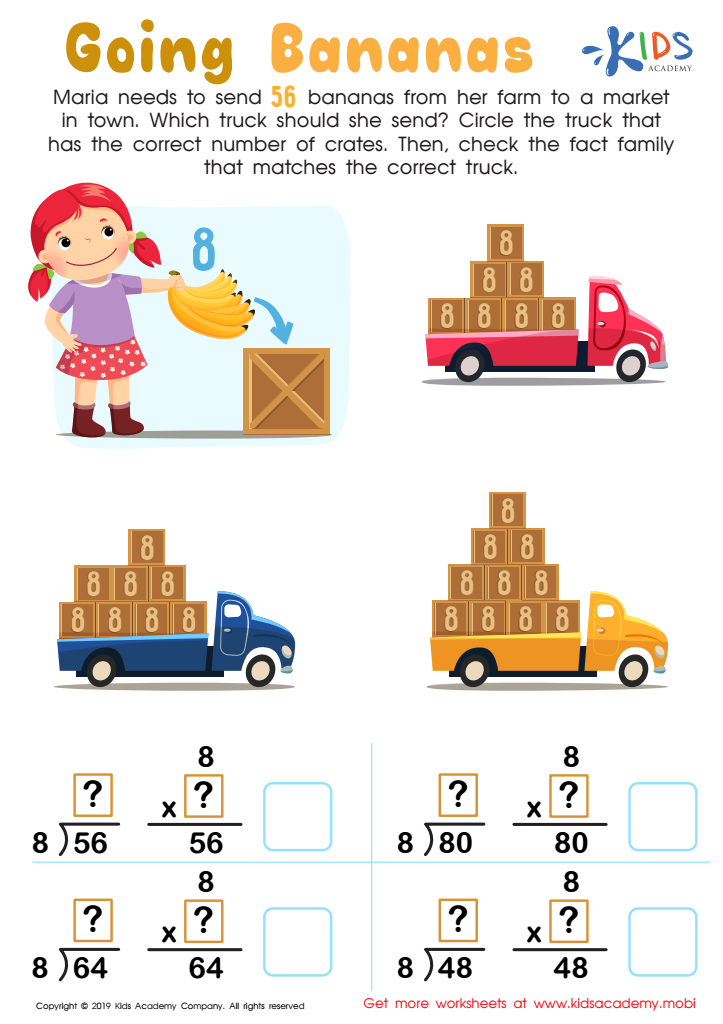
Going Bananas Worksheet
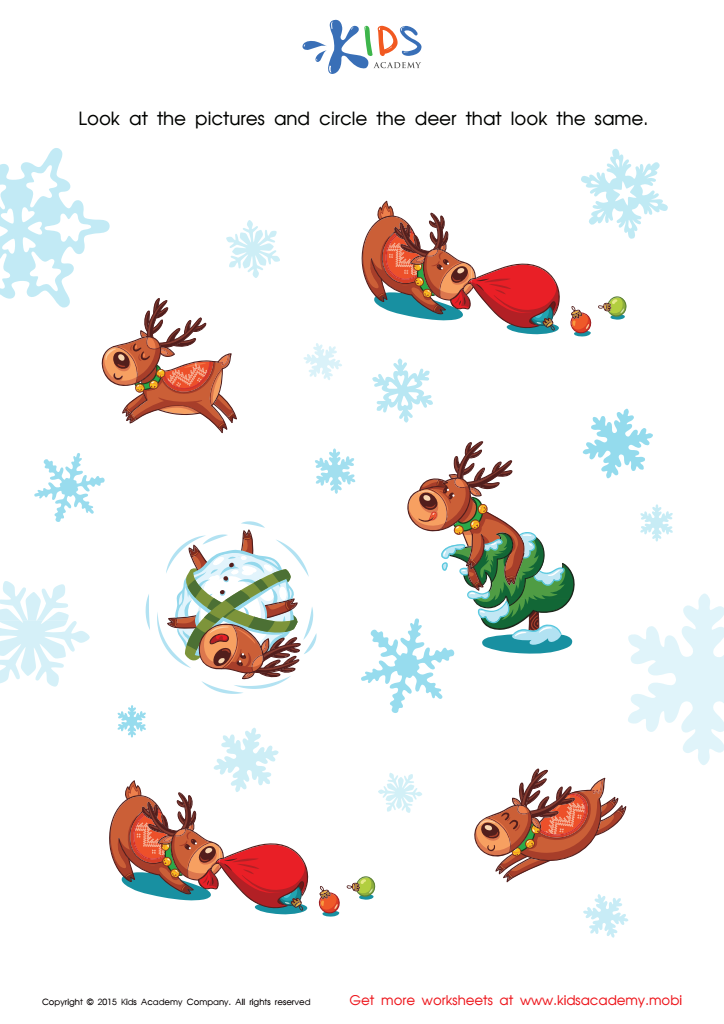
Count the Deer Worksheet
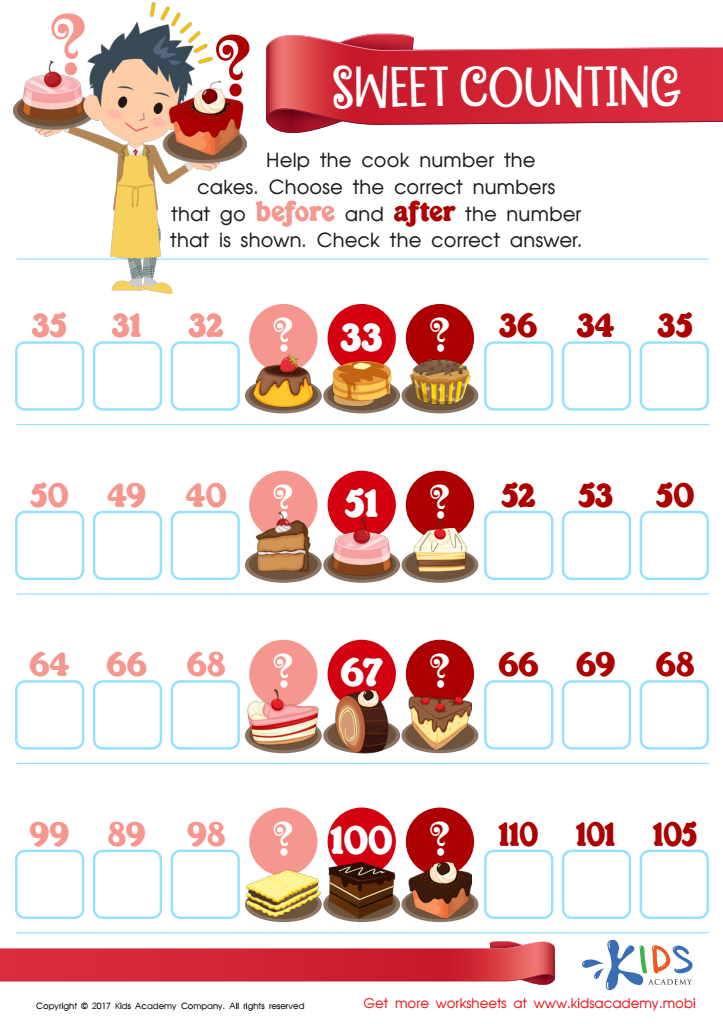
Sweet Counting - Part 1 Worksheet
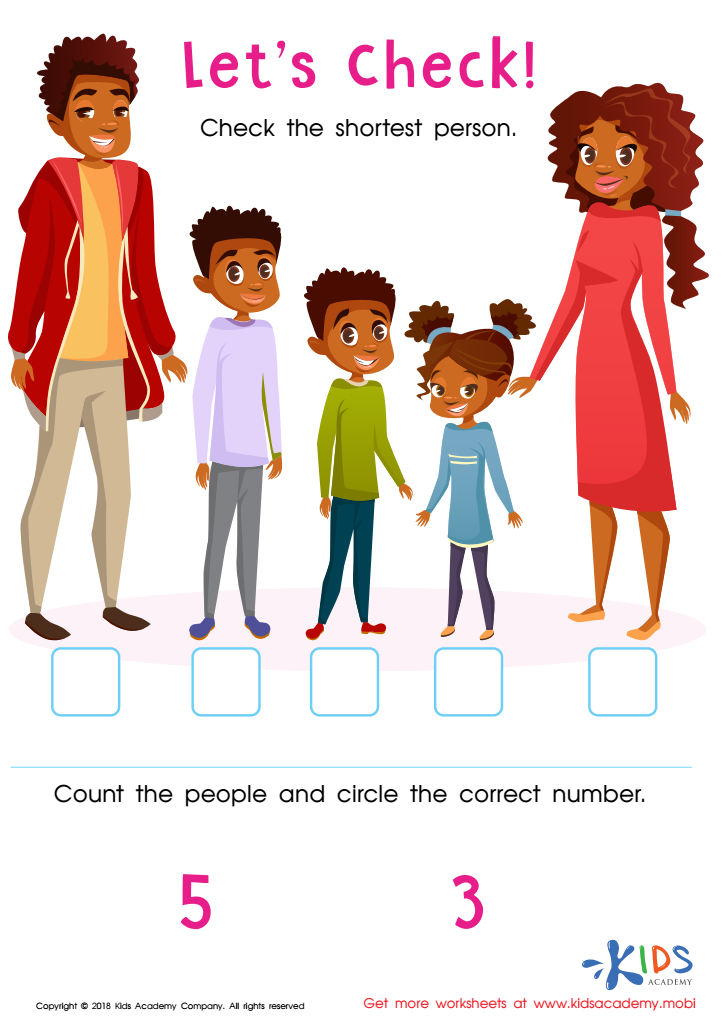
Let's Check! Assessment Worksheet
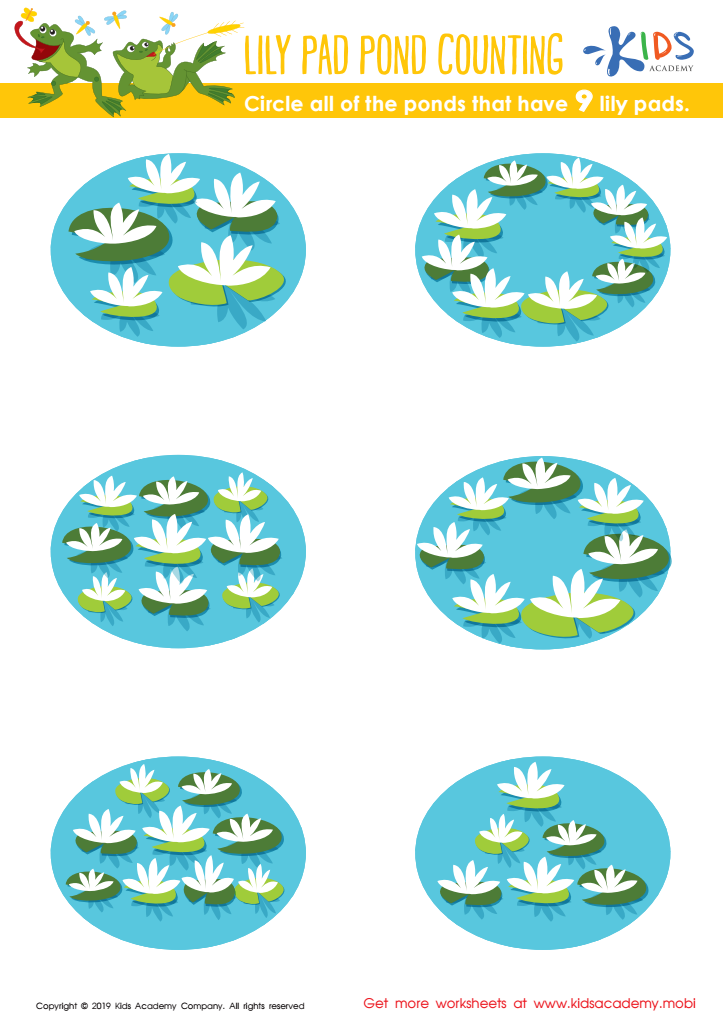
Lily Pad Pond Counting Worksheet
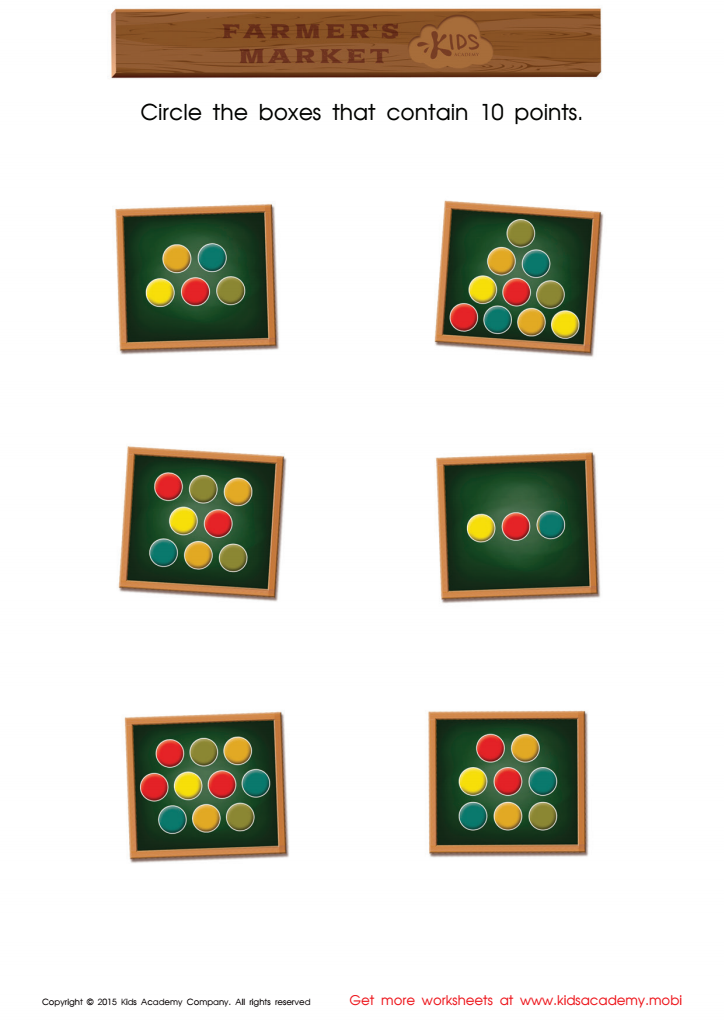
Count and Match Points 10 Math Worksheet
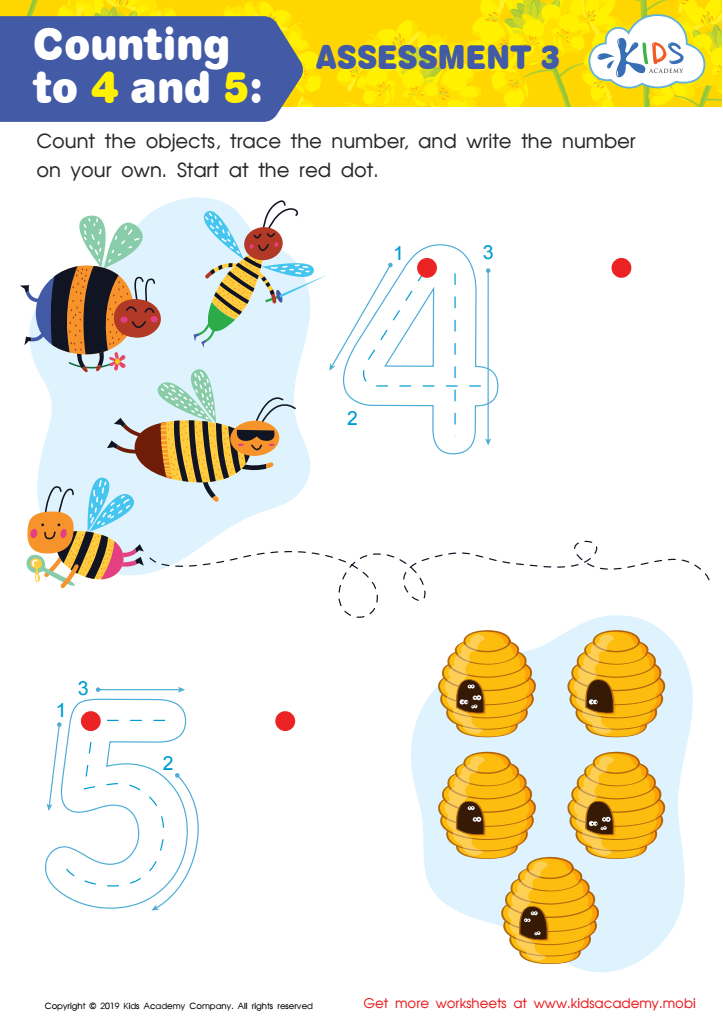
Counting to 4 and 5: Assessment 3 Worksheet
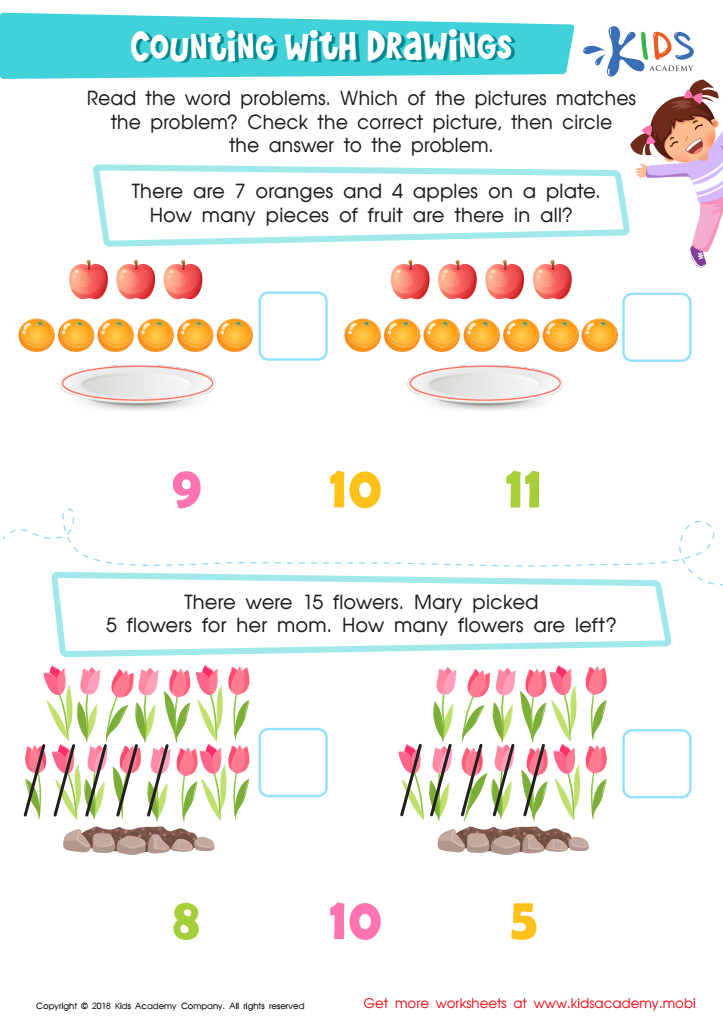
Counting with Drawings:Fruits & Flowers Worksheet







Understanding basic addition is fundamental to young children's cognitive development for several essential reasons. First, it forms the foundation for future mathematical concepts and problem-solving skills. When children learn to add numbers at an early age, they develop a strong number sense, which is crucial for more complex arithmetic operations later on. This early familiarity can make a significant impact on their ability to grasp multi-step math problems in higher grades.
Additionally, mastering basic addition helps build confidence and a positive attitude towards math. When children feel competent in their abilities, they are more likely to enjoy learning and are less likely to develop math anxiety, a common issue that can impede academic performance. This confidence isn't limited to math alone; the ability to solve numerical problems can enhance critical thinking and logical reasoning abilities, which are beneficial across all subject areas.
From a practical standpoint, basic addition skills are used in everyday life, from counting objects, understanding money, to association with measurement concepts. Their daily experiences often involve these fundamental skills, making early mastery both relevant and practical.
In essence, caring about basic addition concepts for young children sets the stage for academic success, confidence in their math abilities, and practical life skills. By investing in this foundational learning, parents and teachers can foster a positive and enriching learning environment.








