Number Recognition Normal Worksheets for Ages 4-5
83 filtered results
-
From - To
Our "Number Recognition Normal Worksheets for Ages 4-5" are designed to help young learners build a solid foundation in math. Featuring engaging, age-appropriate activities, these worksheets introduce numbers through fun exercises such as counting objects, matching numbers, and number tracing. Each worksheet aims to develop essential early learning skills and boost confidence in young math enthusiasts. Ideal for preparing children for kindergarten, these printables encourage independent learning and provide a hands-on approach to mastering number recognition and counting skills. Download today to support your child’s early math journey in a fun and effective way!
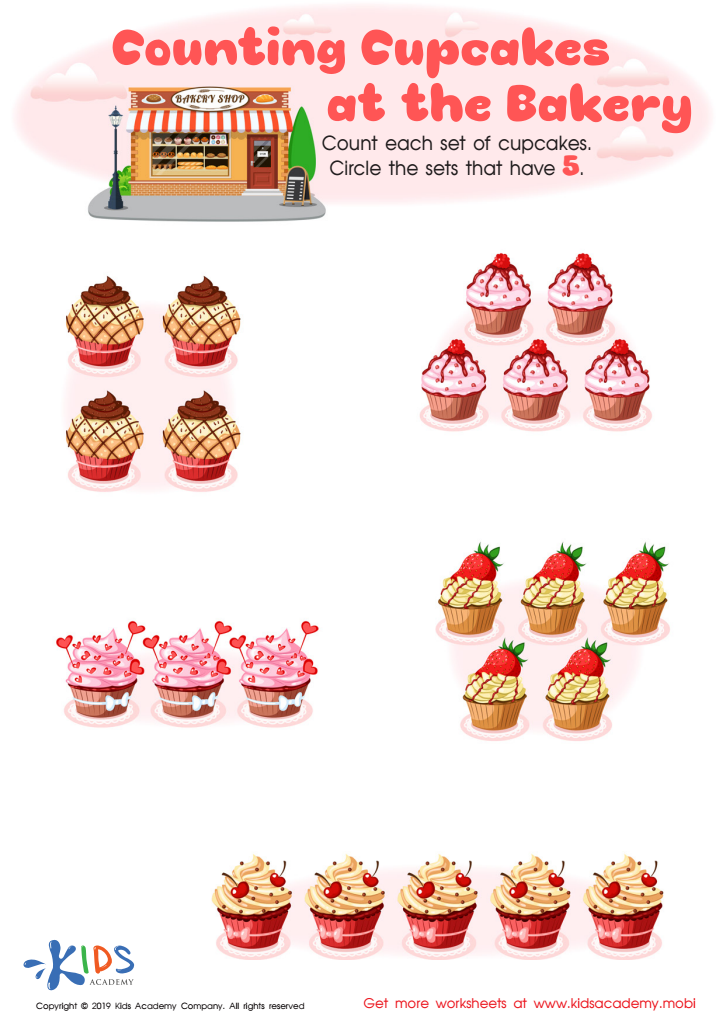
Counting Cupcakes Worksheet
 Assign to My Students
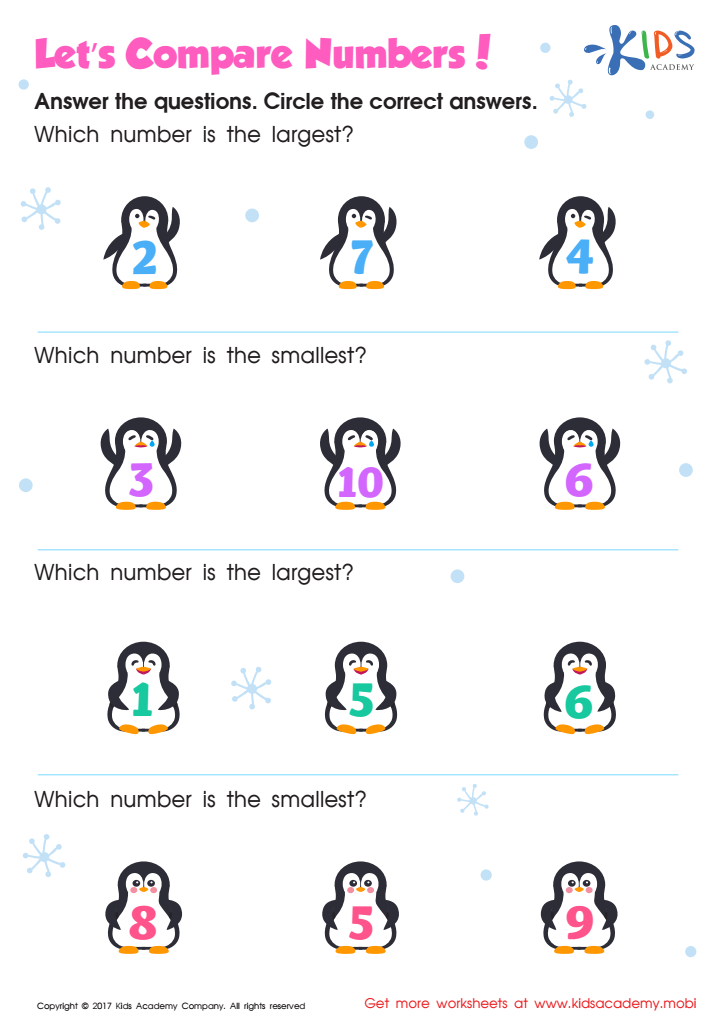
Comparing Numbers 1–10 Worksheet Kindergarten
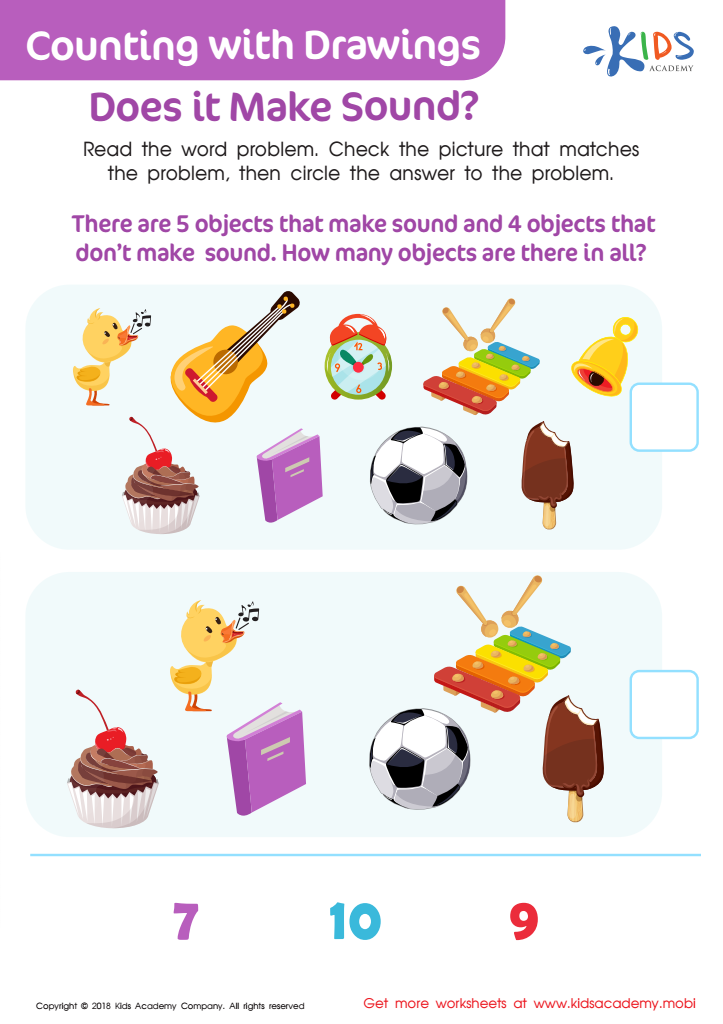
Counting With Drawings. Does It Make Sound? Worksheet
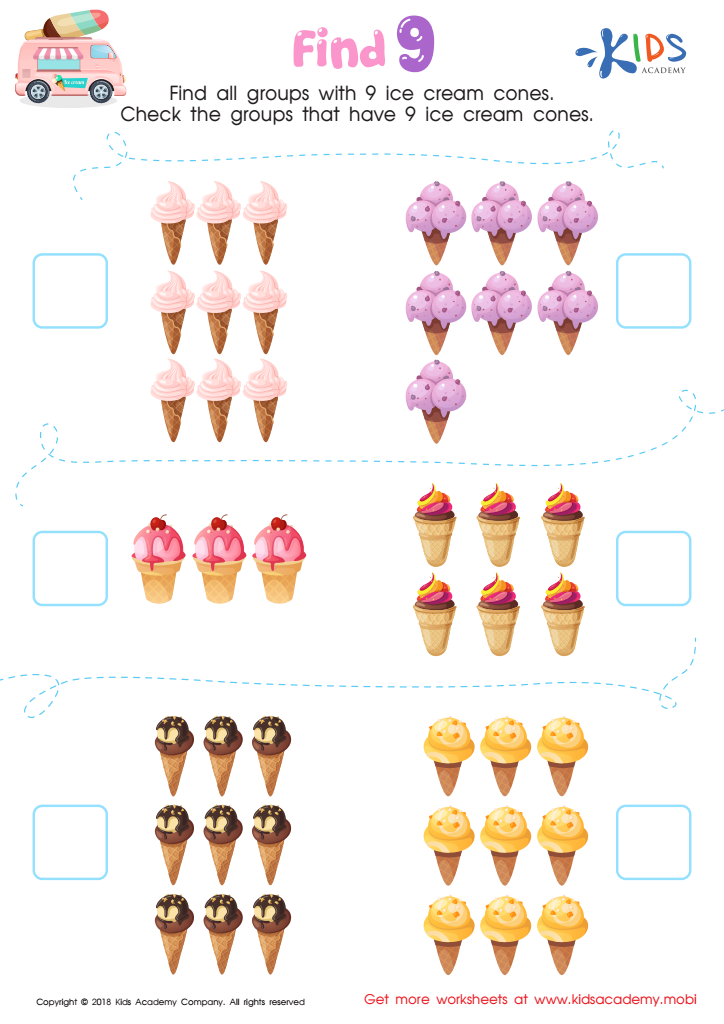
Find 9 Worksheet
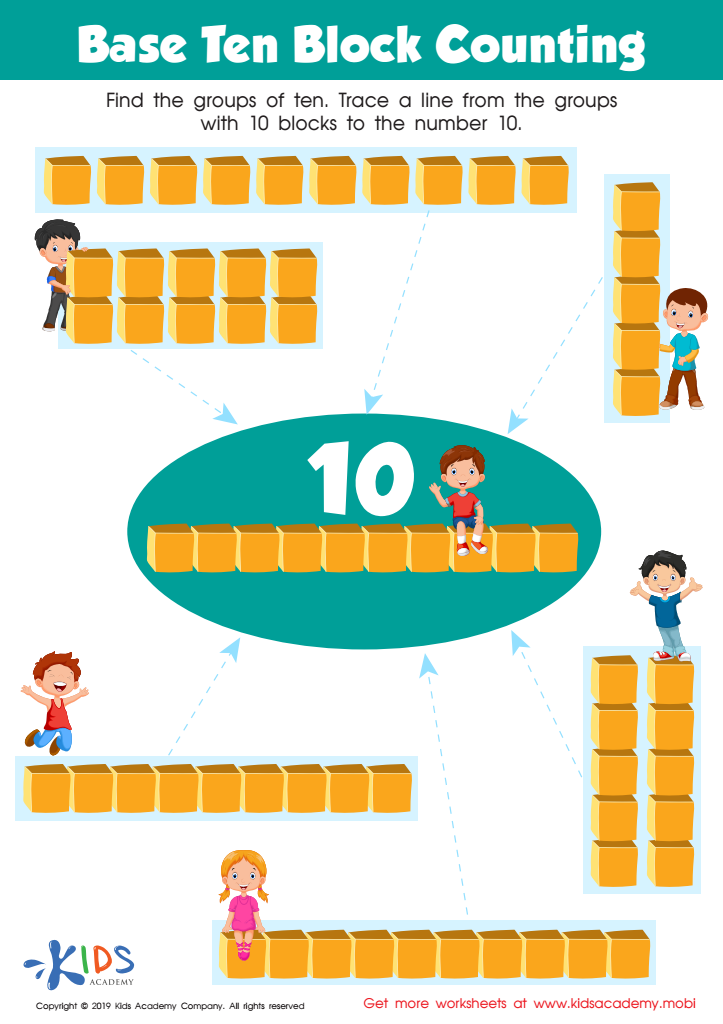
Base Ten Block Counting Worksheet
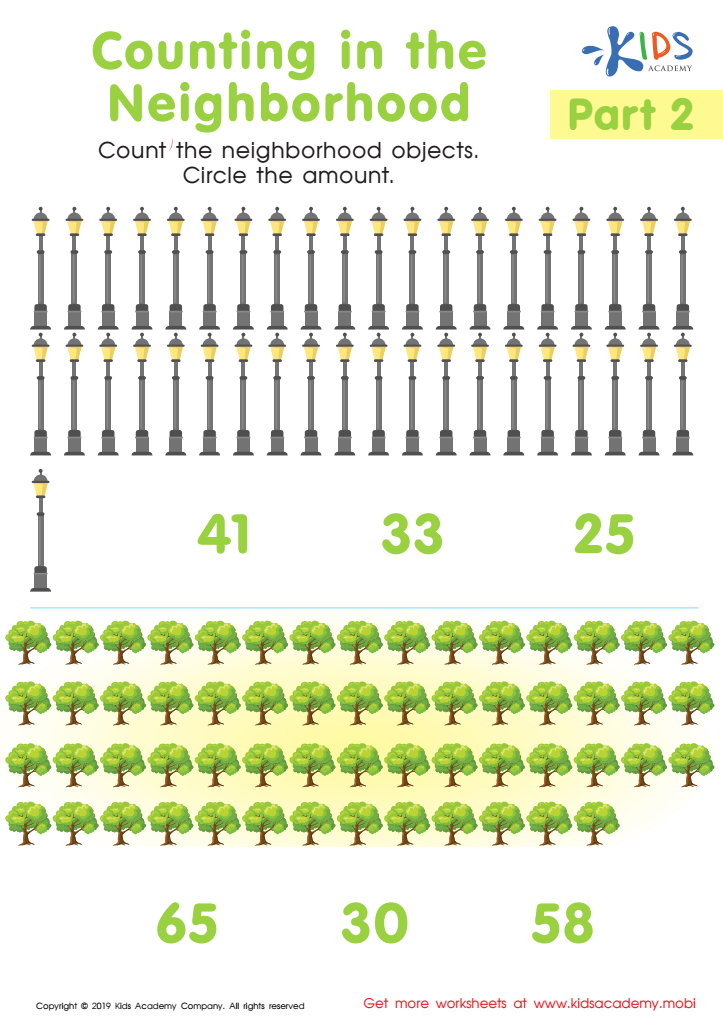
Counting In The Neighborhood Part 2 Worksheet
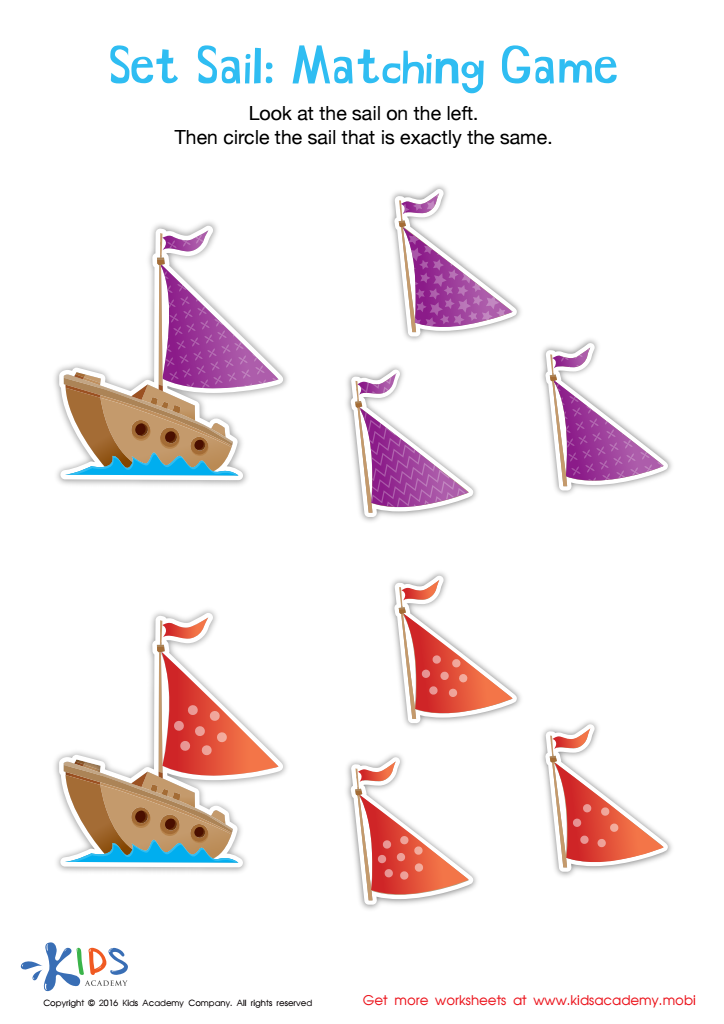
Set Sail Worksheet

Count and Match Boxes with Vegetables

African Wildlife: Giraffe Worksheet
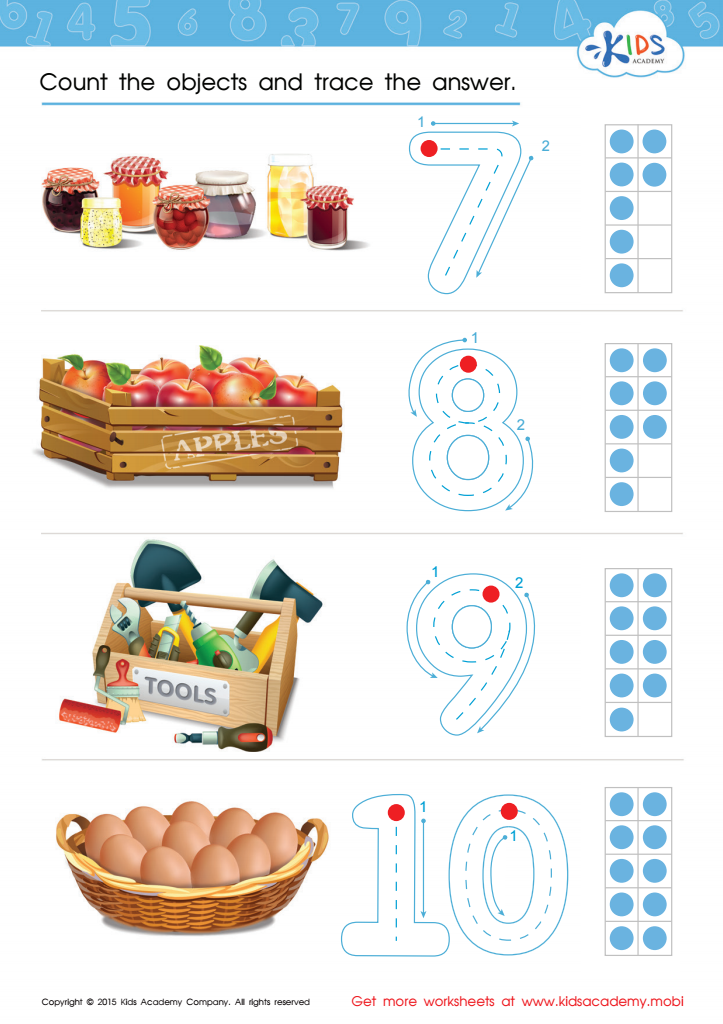
Count and Trace 7 – 10 Worksheet
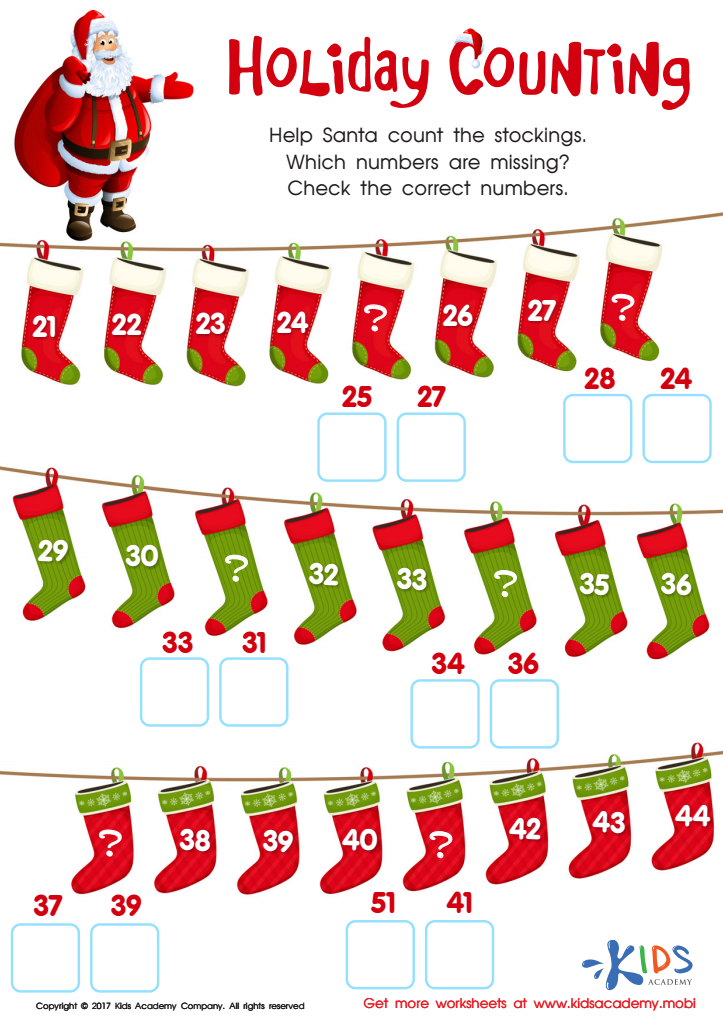
Holiday Counting Worksheet
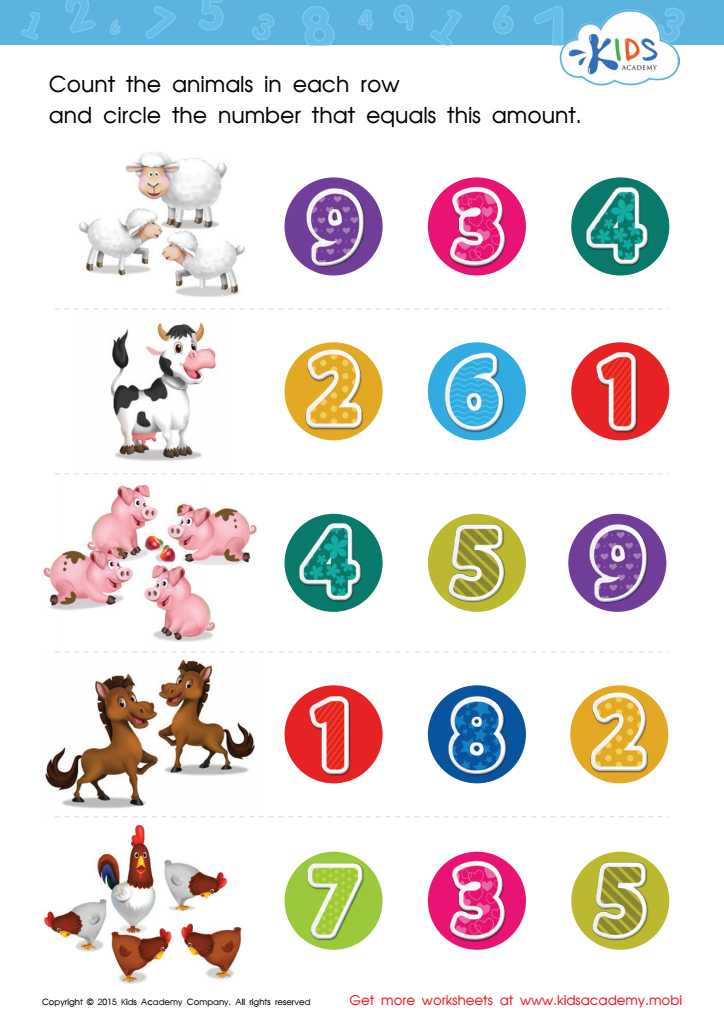
Count and Match 1 – 5 Math Worksheet
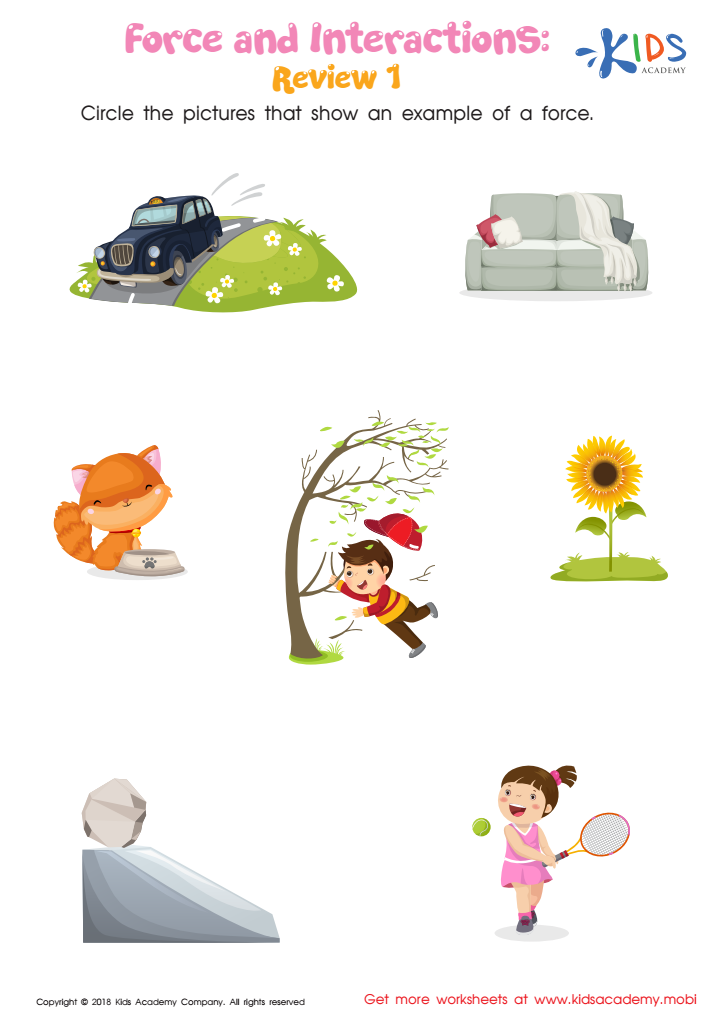
Force and Interactions: Review 1 Worksheet
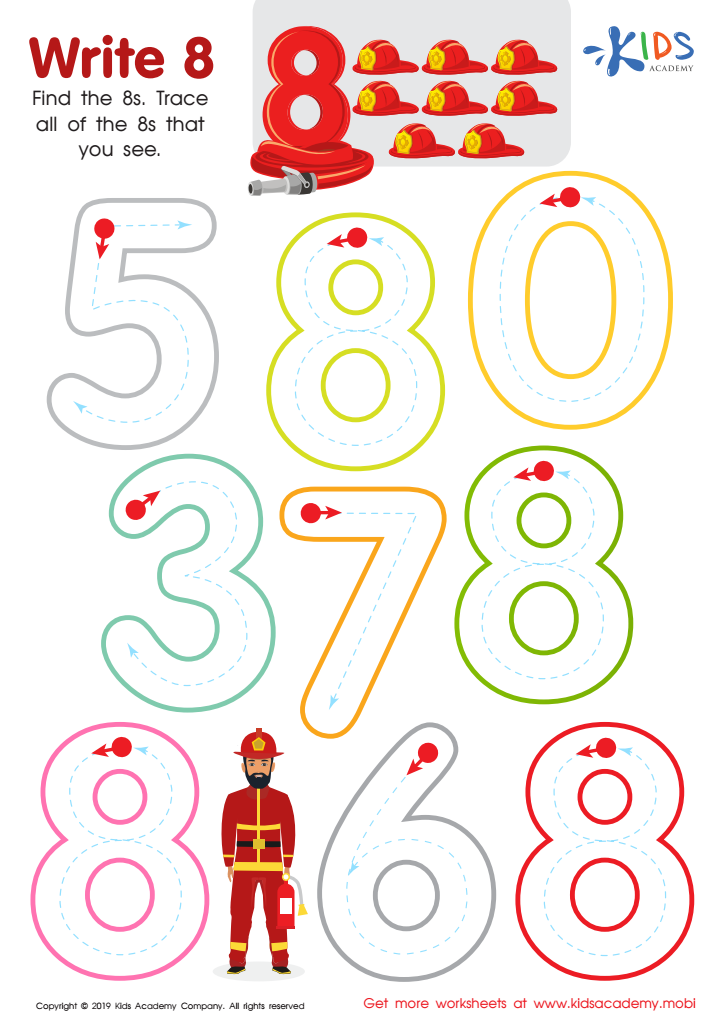
Write 8 Worksheet
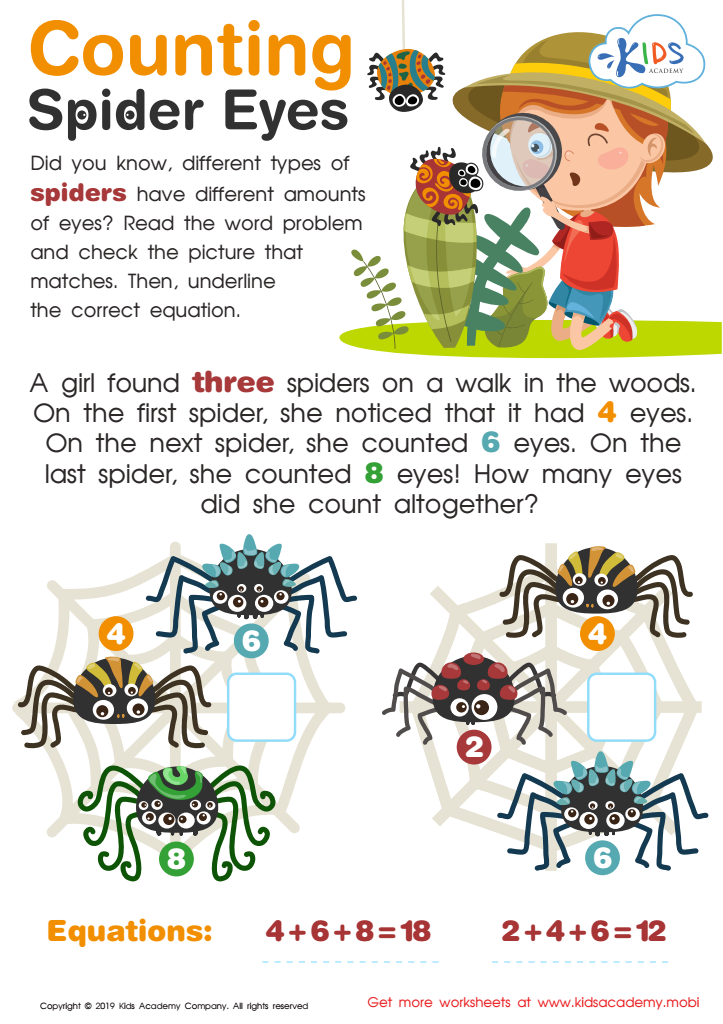
Counting Spider Eyes Worksheet
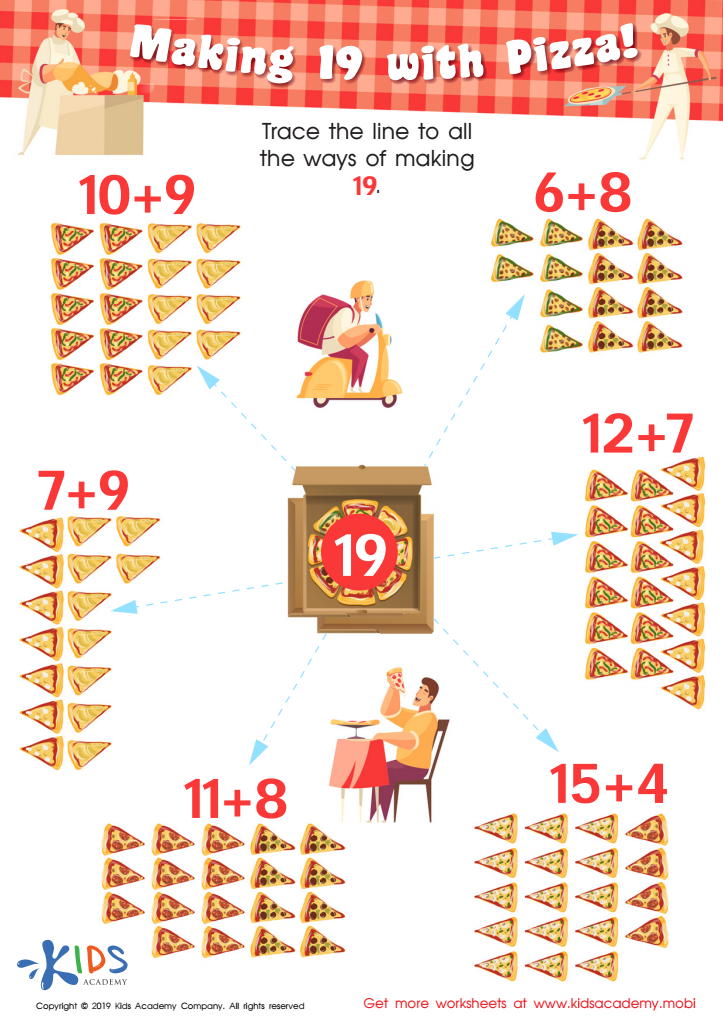
Making 19 with Pizza! Worksheet
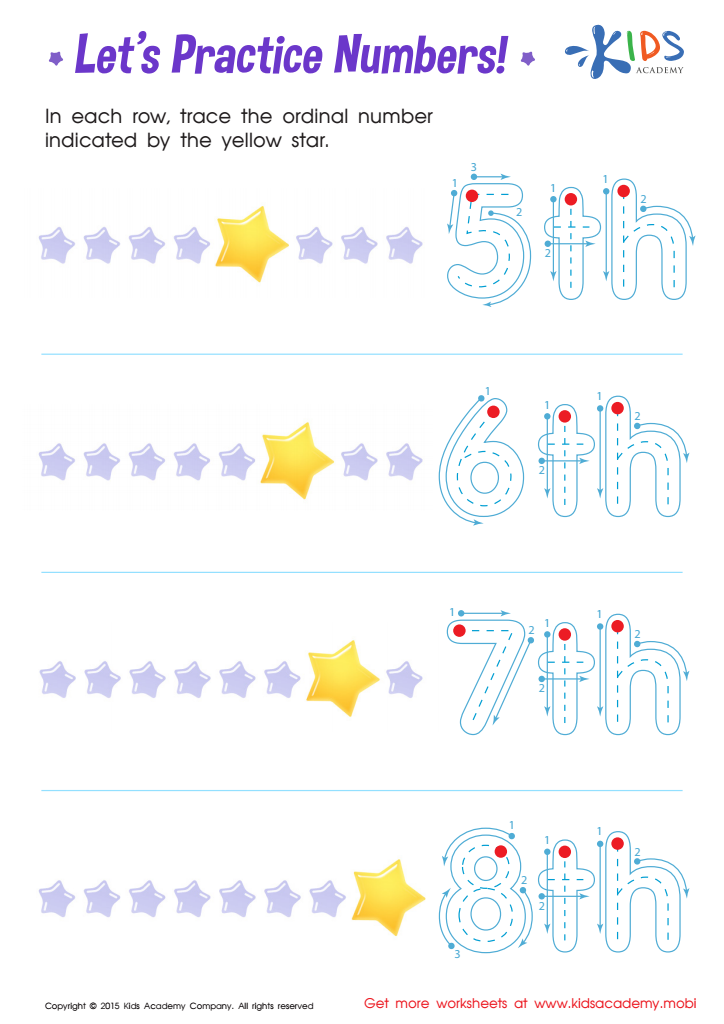
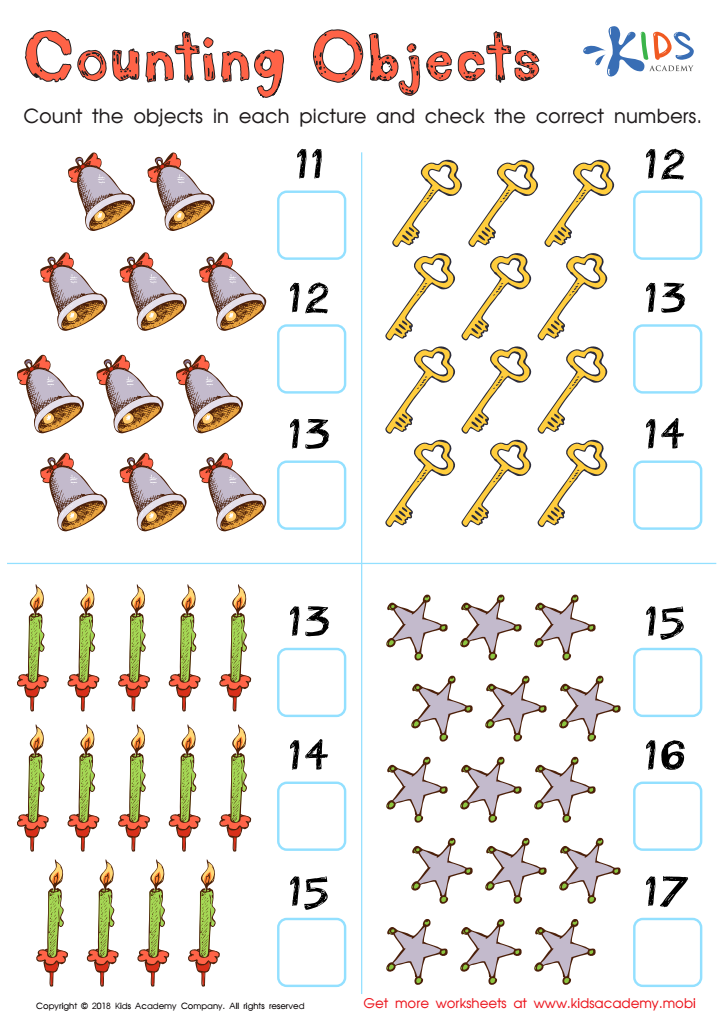
Counting Numbers Worksheet For Kindergarten
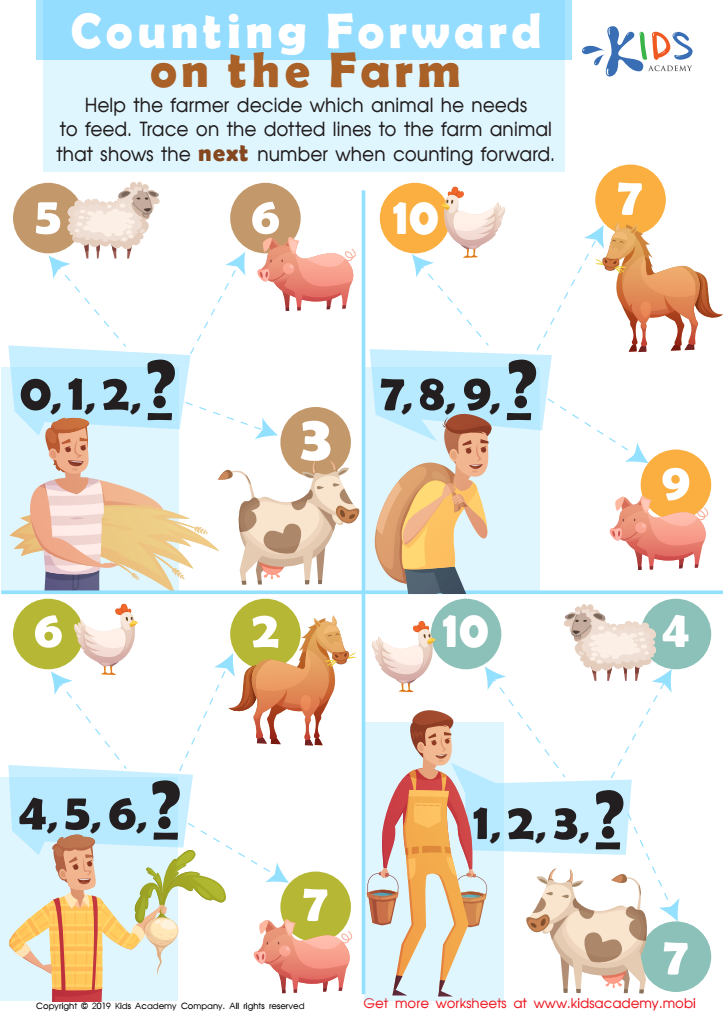
Counting Forward On the Farm Worksheet
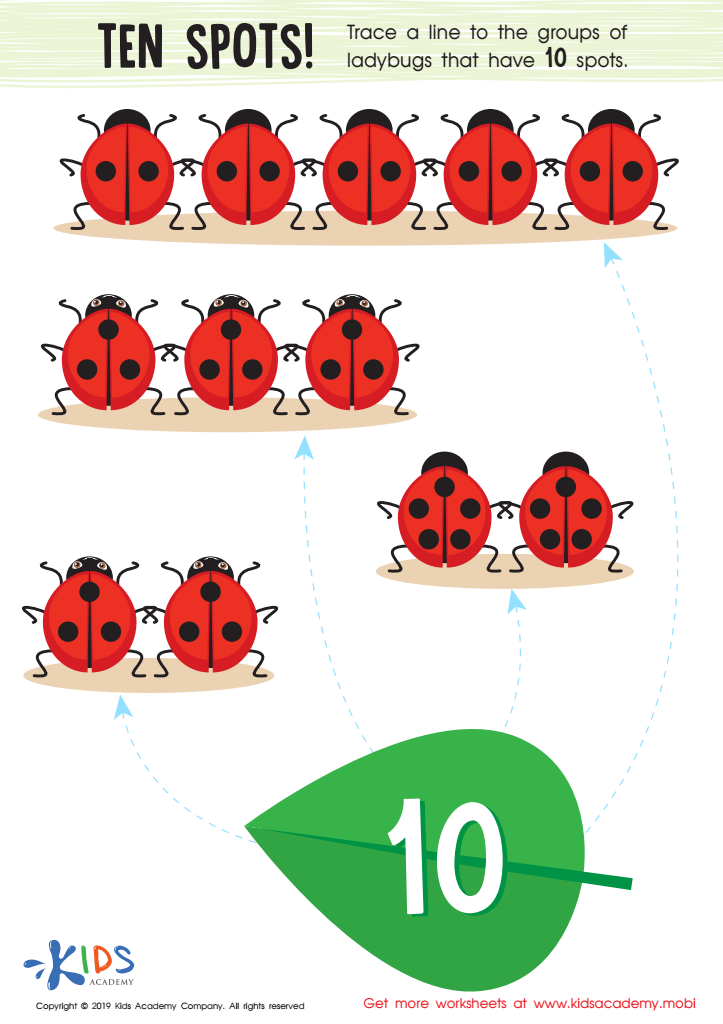
Ten Spots Worksheet
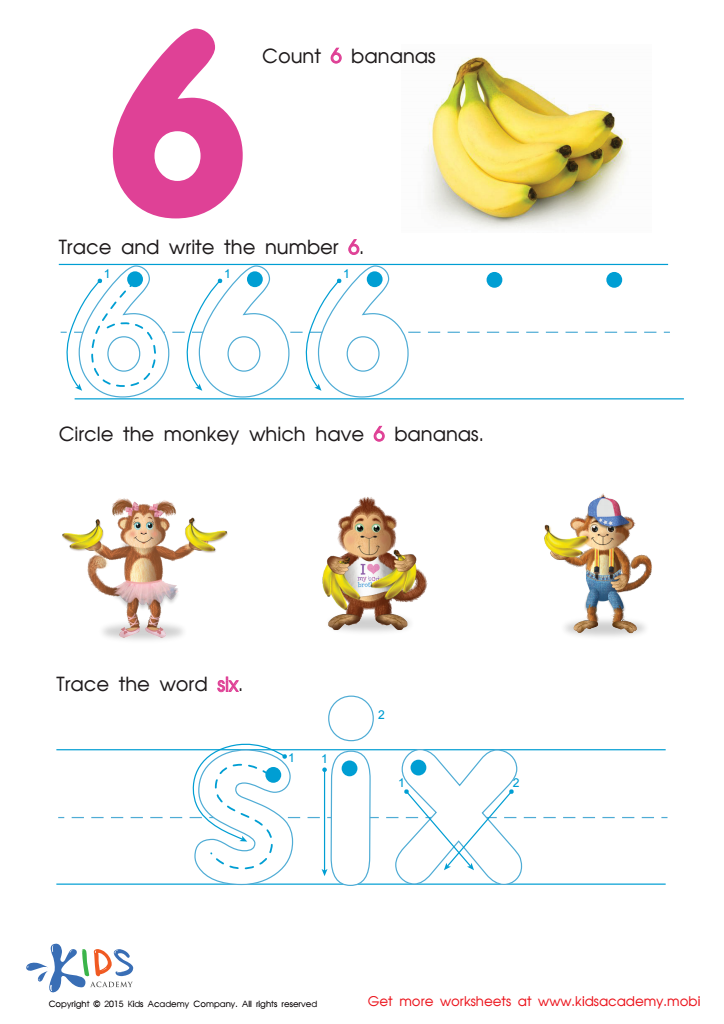
Tracing And Writing Number 6 Worksheet
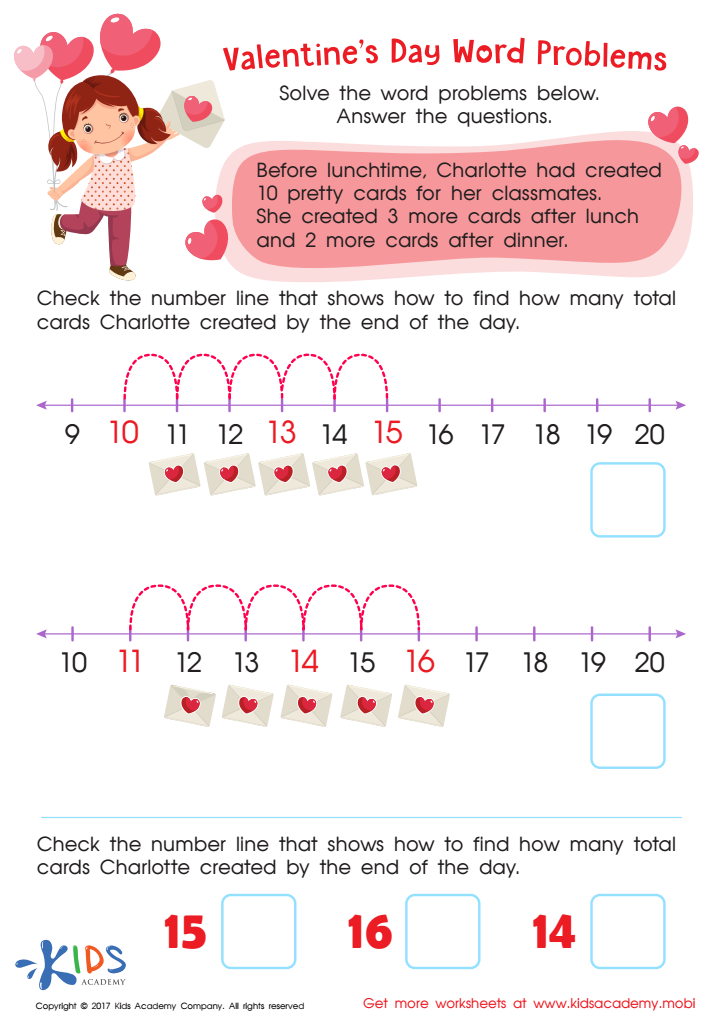
Valentines Day Word Problem Worksheet
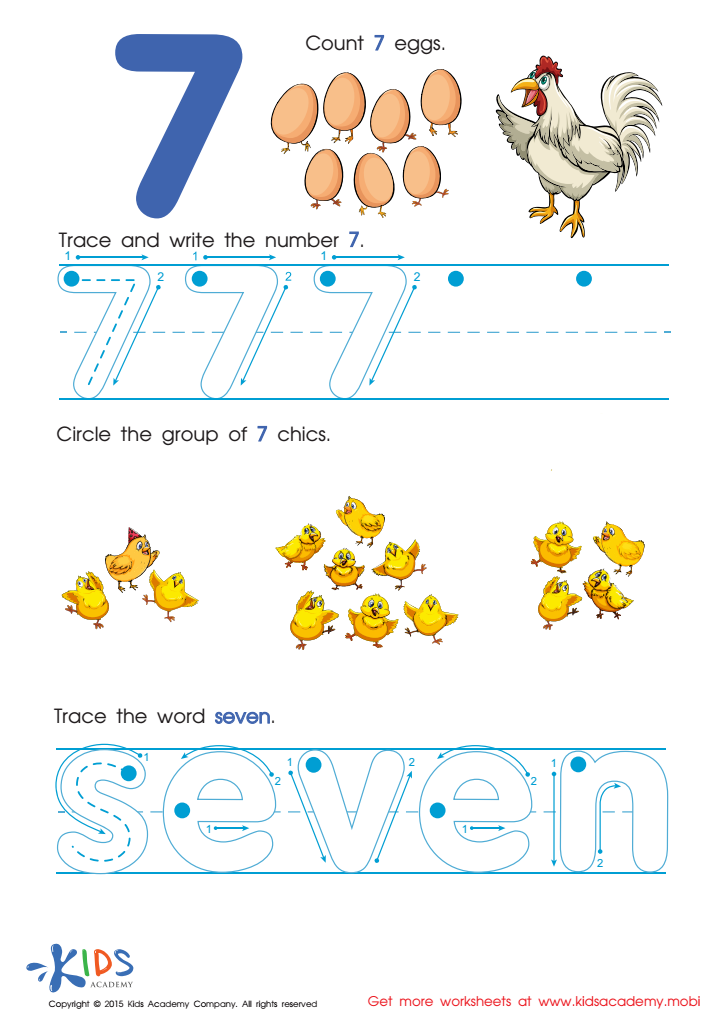
Trace And Write Number 7 with Fun Worksheet
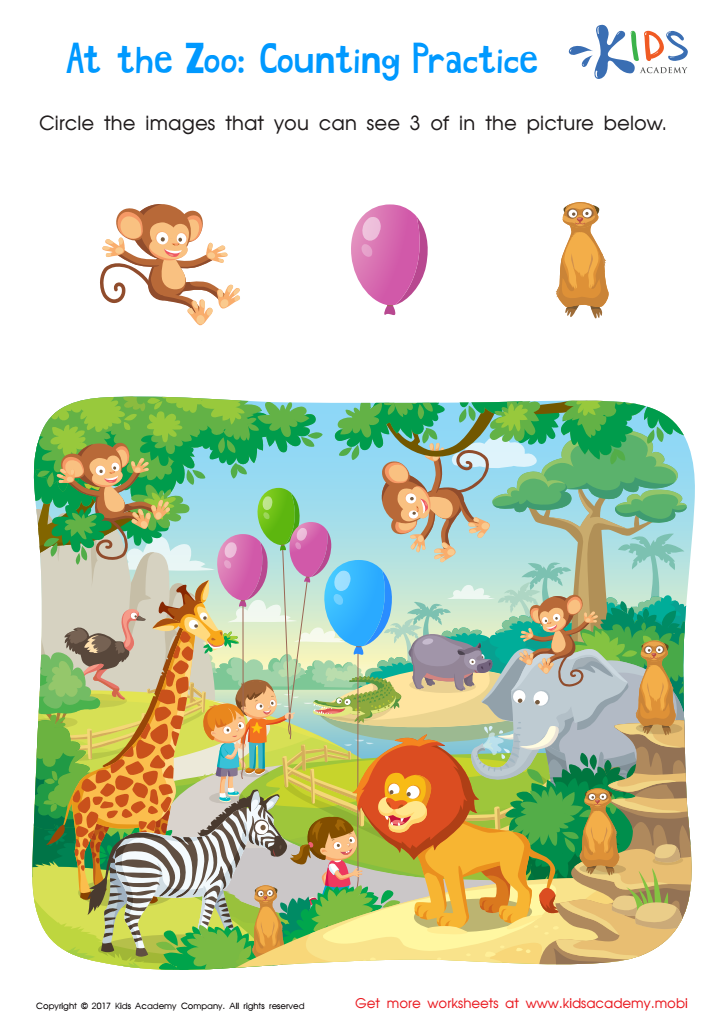
At the Zoo: Counting Practice Worksheet








Number recognition is a fundamental skill that lays the groundwork for future mathematical learning. For children aged 4-5, recognizing numbers is an essential cognitive milestone that parents and teachers should prioritize. During these early years, young minds are particularly receptive to learning new concepts, and number recognition not only helps in numerical literacy but also enhances overall cognitive development.
Understanding numbers enables children to make connections between quantities and symbols, which is crucial for more complex mathematical operations such as addition, subtraction, and problem-solving. By learning to identify numbers, children also improve their ability to follow instructions and develop better attention to detail. These skills are not only important in mathematics but are transferrable to other academic areas and everyday activities, such as reading time from a clock or recognizing the numbers on a bus.
Moreover, fostering number recognition promotes confidence. When children are able to successfully identify numbers, they gain a sense of accomplishment, which encourages continued learning and curiosity. It also enables them to participate more effectively in classroom activities, arming them with the skills needed for structured educational settings.
In summary, nurturing number recognition in children aged 4-5 is essential because it underpins future mathematical learning, supports cognitive development, and builds confidence needed for subsequent educational success.








