Cognitive Development Normal 2D Shapes Worksheets for Ages 4-5
5 filtered results
-
From - To
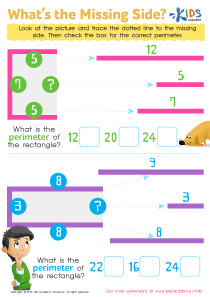
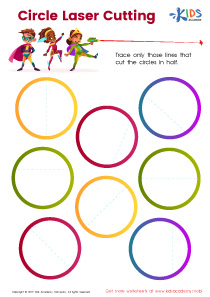
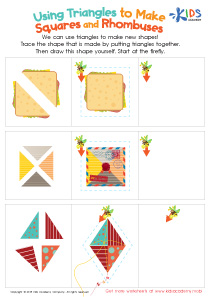
Enhance preschoolers' understanding of fundamental geometry with our "Cognitive Development Normal 2D Shapes Worksheets for Ages 4-5." These expertly crafted worksheets are designed to introduce young learners to basic 2D shapes, such as circles, squares, triangles, and rectangles. Through engaging activities like tracing, coloring, and matching, children build essential cognitive skills, including shape recognition and spatial awareness. Perfect for early learners, these worksheets make learning fun while laying the foundation for math competency. Ideal for both classroom and at-home practice, they support cognitive development and prepare kids for future educational success. Download and start learning today!
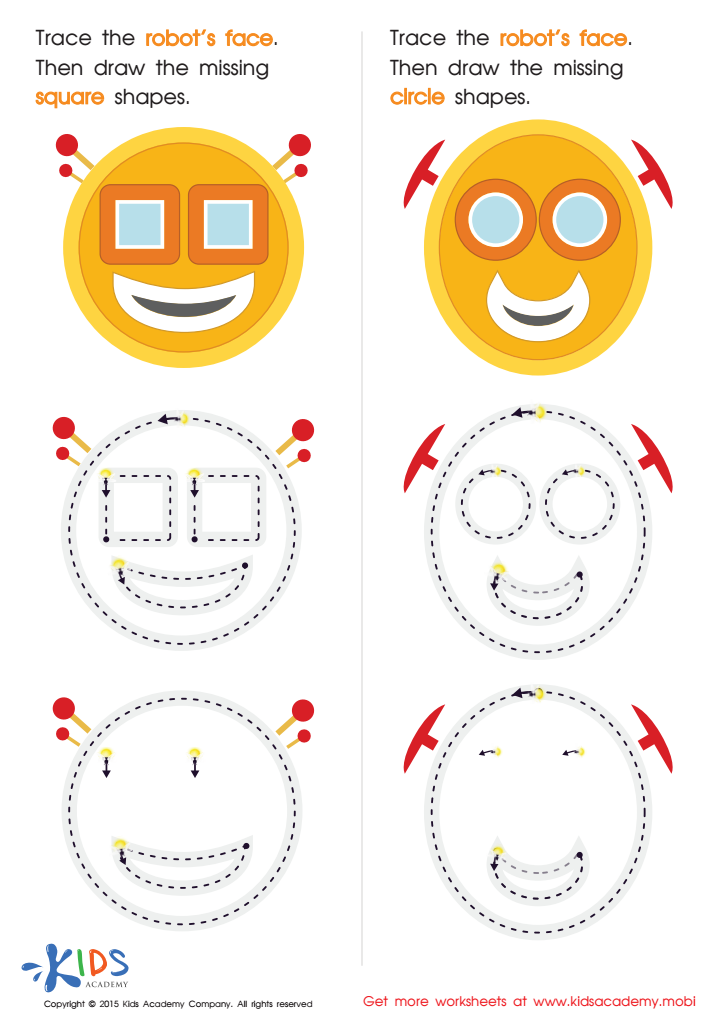
Practicing to Draw Circles And Squares Printable
 Assign to My Students

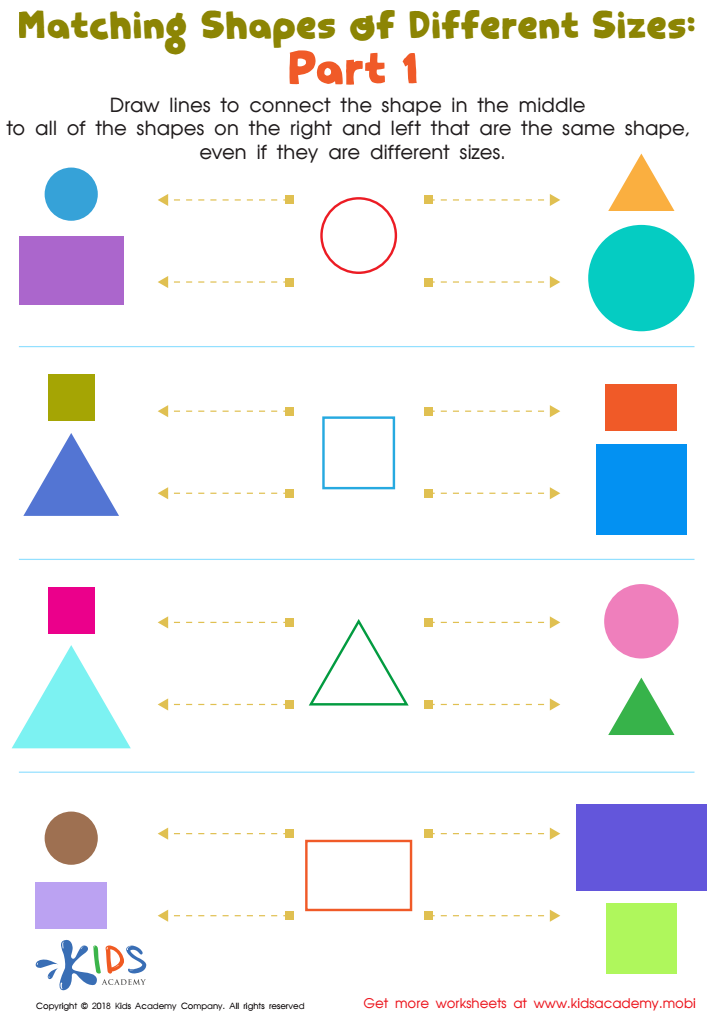
Geometry: part 1 Worksheet
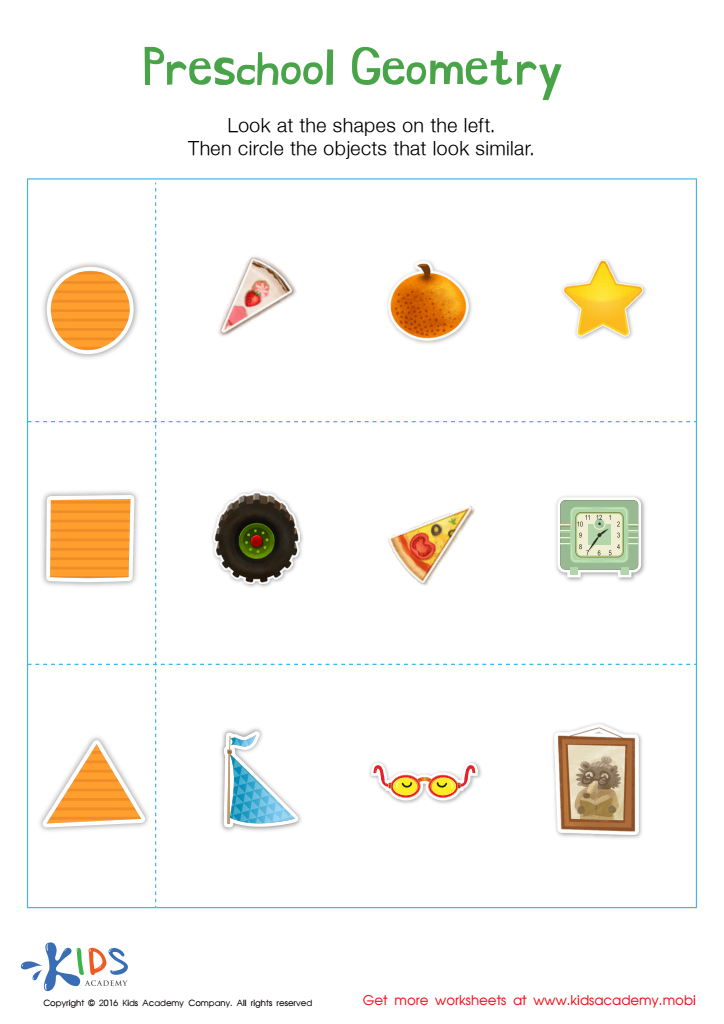
Preschool Geometry Match Up Worksheet
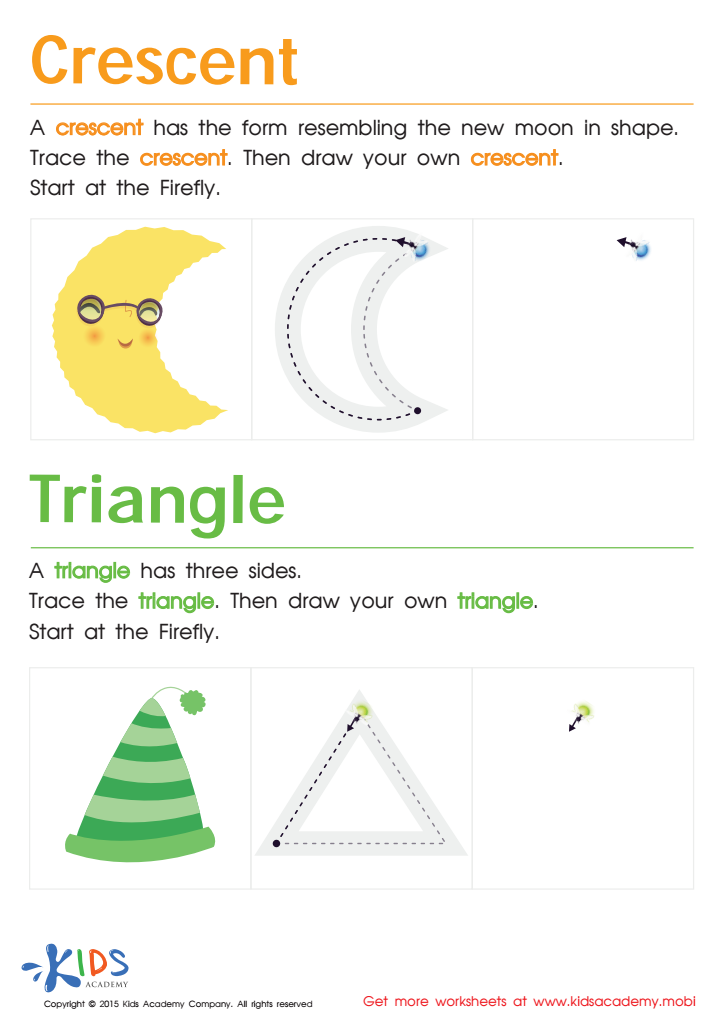
Learning to Draw Crescents And Triangles Worksheet
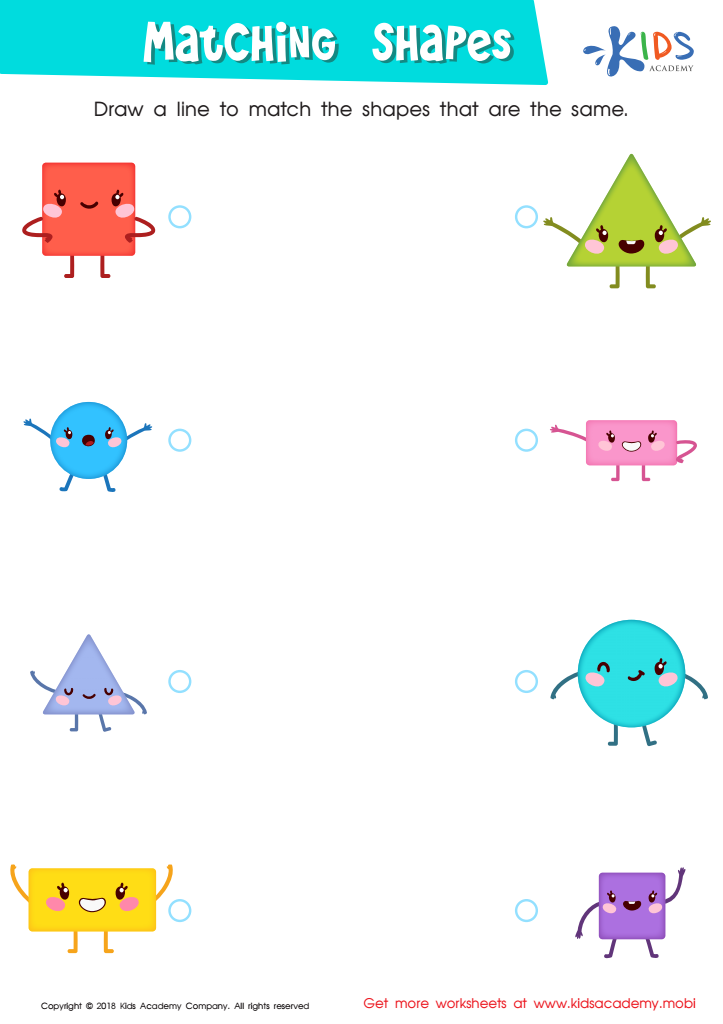
Matching Shapes Worksheet








Parents and teachers should care about cognitive development with normal 2D shapes for children aged 4-5 because this period is crucial for laying the foundation of essential mathematical and cognitive skills. These early years are marked by rapid brain development and the formation of neural pathways, making it an optimal time for introducing basic geometric concepts.
Understanding 2D shapes like circles, squares, triangles, and rectangles helps young children develop spatial awareness—a key component of cognitive development. This awareness aids in everyday tasks such as understanding directions, navigating through spaces, and recognizing patterns. Shape recognition lays the groundwork for more complex mathematical concepts they will encounter later in life, such as geometry and problem-solving.
Moreover, identifying and interacting with 2D shapes enhance fine motor skills through activities like drawing and cutting shapes, promoting hand-eye coordination. These activities also expand vocabulary as children learn descriptive terms like "sides," "corners," and "curves," which boost language development.
Socially, group activities involving shapes foster teamwork and communication skills as children work together and share ideas. Emotionally, the sense of achievement from correctly identifying or creating shapes builds confidence and encourages a positive attitude toward learning.
Incorporating 2D shapes into early education thus supports holistic development, equipping children with the skills needed for future academic success and day-to-day functioning.