
Basic Addition Skills Normal Math Worksheets for Ages 4-5
3 filtered results
Difficulty Level
Grade
Age
-
From - To
Subject
Activity
Standards
Boost your child's confidence with our "Basic Addition Skills Normal Math Worksheets" tailored for ages 4-5. These colorful, engaging, and expertly designed worksheets help young learners grasp essential math foundations. Through fun exercises and hands-on activities, kids will learn to add single-digit numbers, enhancing their problem-solving abilities and number sense. Ideal for home or classroom use, our printable worksheets support early math literacy, preparing your child for future math success. Download now from Kids Academy and start building a strong mathematical foundation today! Ideal for parents and teachers looking for effective educational resources.
Favorites
With answer key
Interactive
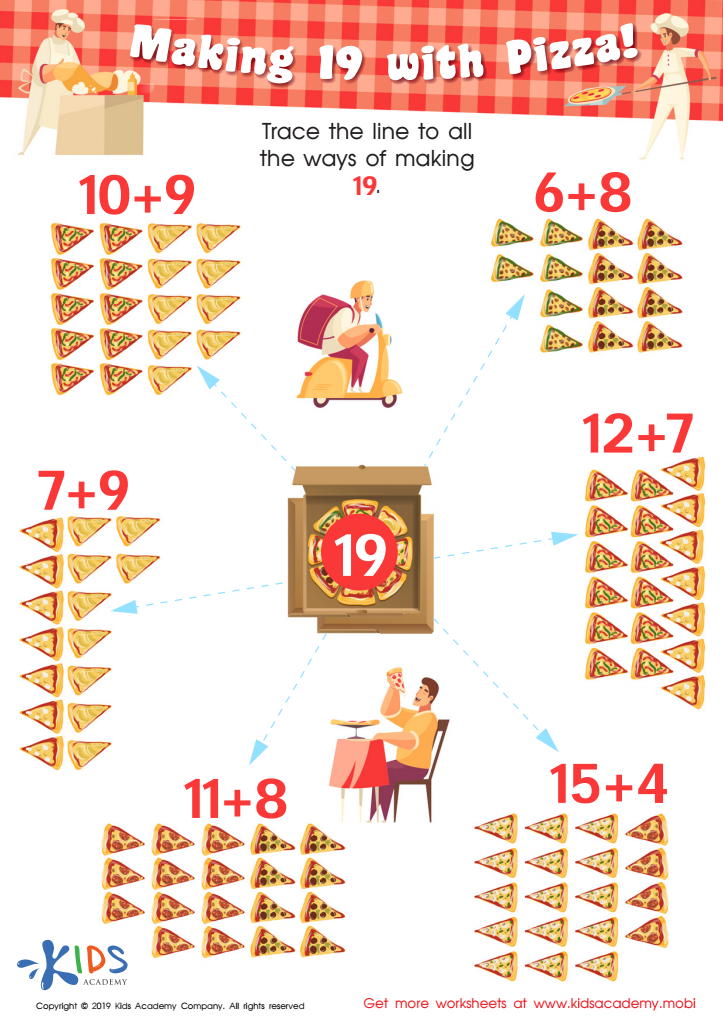
Making 19 with Pizza! Worksheet
Who loves pizza? Your kids do! Next time you need to teach them math, make it fun by combining it with something they enjoy. This worksheet uses a pizza-themed problem to help them practice solving equations. Have them trace the line to figure out how to make 19. It's a great way to make learning math fun!
 Assign to My Students
Making 19 with Pizza! Worksheet
Worksheet
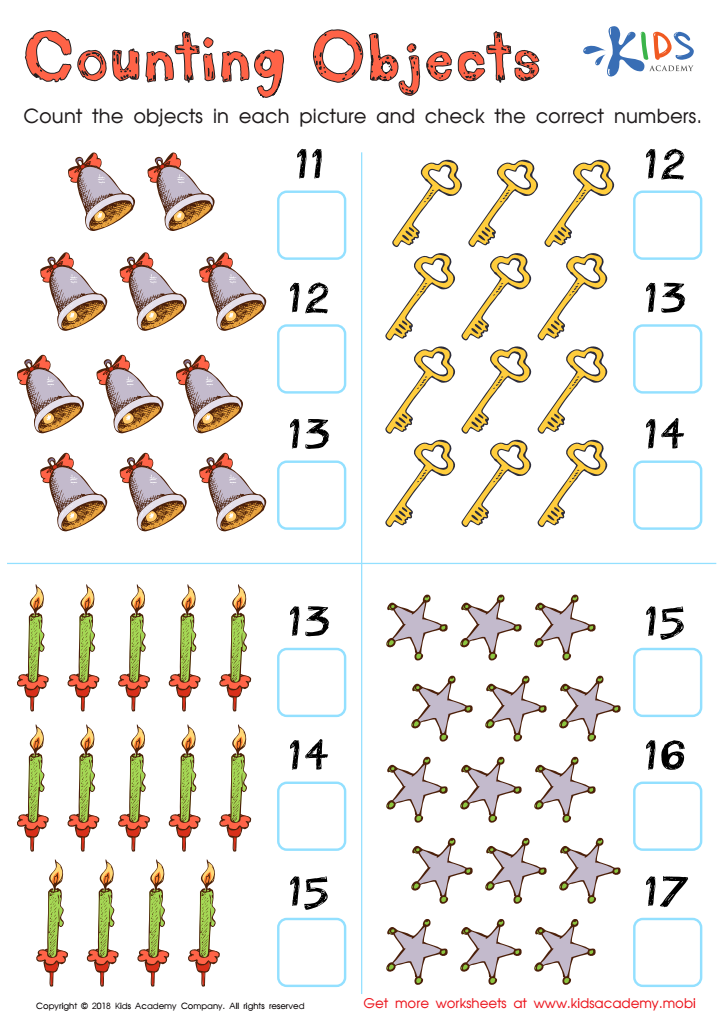
Counting Numbers Worksheet For Kindergarten
This worksheet is a great way to get your child practicing foundational math skills. With bright pictures to count, counting numbers just got a lot more fun! Get them ready for future math success and help them hone their early math skills.
Counting Numbers Worksheet For Kindergarten
Worksheet
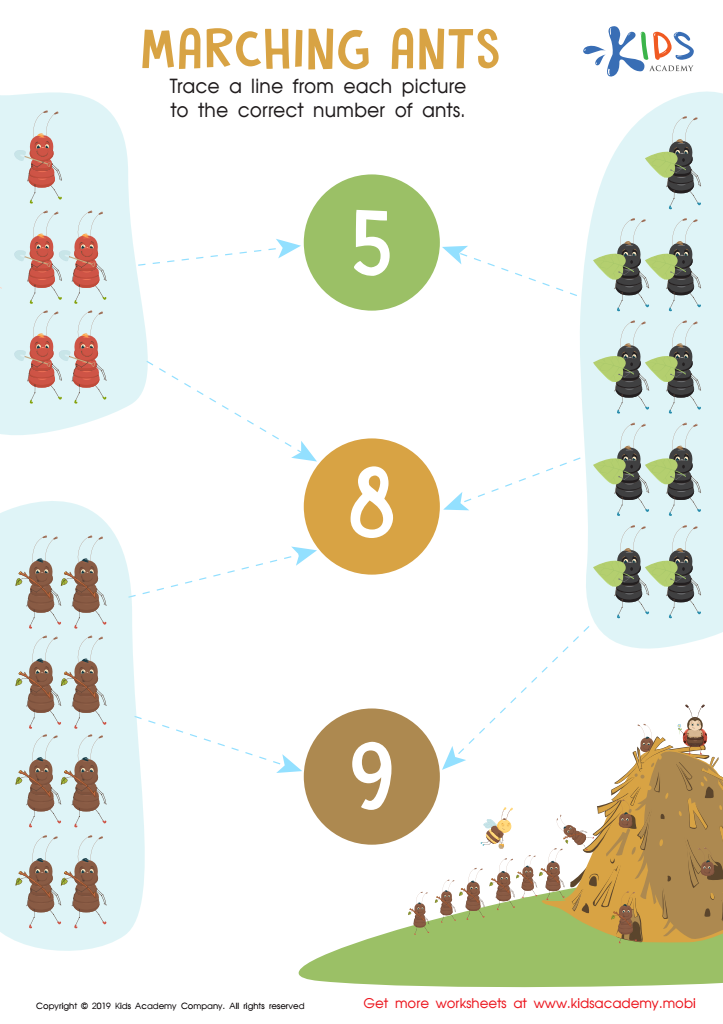
Marching Ants Worksheet
Assess and help your kids practice counting with this worksheet. Ask them to identify the four groups of ants in the picture. Guide them as they count each group and trace the lines to the corresponding number.
Marching Ants Worksheet
Worksheet
Join Kids Academy for Free
Who is primarily going to use this learning content?





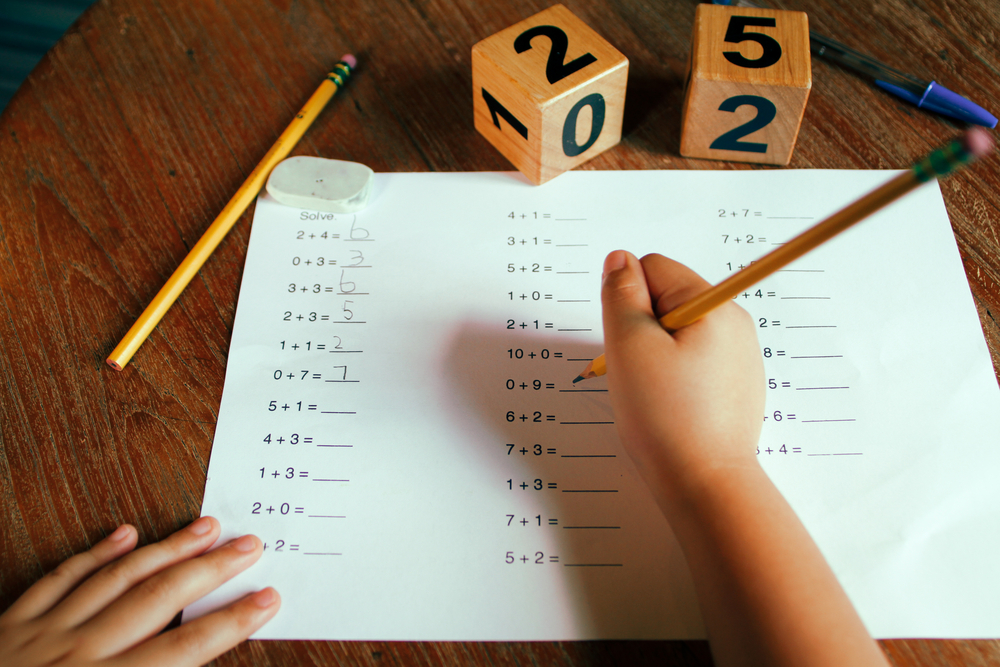


Basic addition skills are essential for children aged 4-5 as they lay a solid foundation for future mathematical understanding. At this critical developmental stage, children are naturally curious and their brains are particularly receptive to learning new concepts. Early acquisition of basic addition skills helps in fostering a positive attitude towards mathematics, reducing anxiety and encouraging a lifelong love for the subject.
Parents and teachers should focus on these skills because they are fundamental to everyday situations and problem-solving. For instance, understanding addition assists children in comprehending the concept of combining quantities, which is applicable in activities such as sharing toys or snacks. Proficiency in early math skills has been linked to later academic success, not just in mathematics but across different subjects, due to the development of logical reasoning and analytical thinking.
Additionally, early math competence fosters confidence. When children see that they can tackle small problems, it builds their self-esteem and willingness to take on more challenging tasks. Regular practice with addition also improves attention to detail and memory capacity, both of which are critical cognitive skills for overall learning.
Interactive and engaging tools such as games, toys, and apps make learning fun and help maintain a child's interest. Thus, both parents and teachers play a pivotal role in nurturing these fundamental skills for future academic success and everyday life.








