Division practice Normal Math Worksheets for Ages 4-5
4 filtered results
-
From - To
Introduce young learners to the foundational concept of division with our specially designed math worksheets for ages 4-5. Perfectly crafted to suit early math skills, these engaging practice sheets use simple visual aids and relatable scenarios to make division fun and comprehensible for preschool children. Kids get to explore dividing objects into equal groups, enhancing their logic and problem-solving abilities. Aligned with early childhood learning standards, each worksheet promotes interactive and enjoyable practice. Help your child build a strong mathematical foundation and a love for learning with our division practice worksheets! Cleanly designed and easy to download.
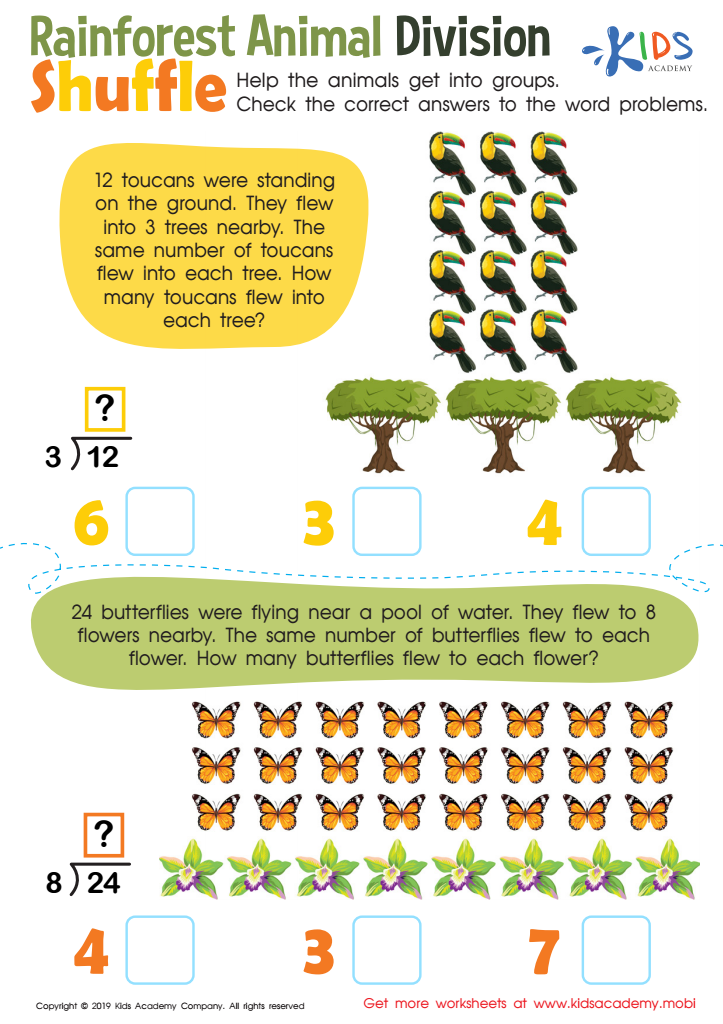
Rainforest Animal Division Worksheet
 Assign to My Students
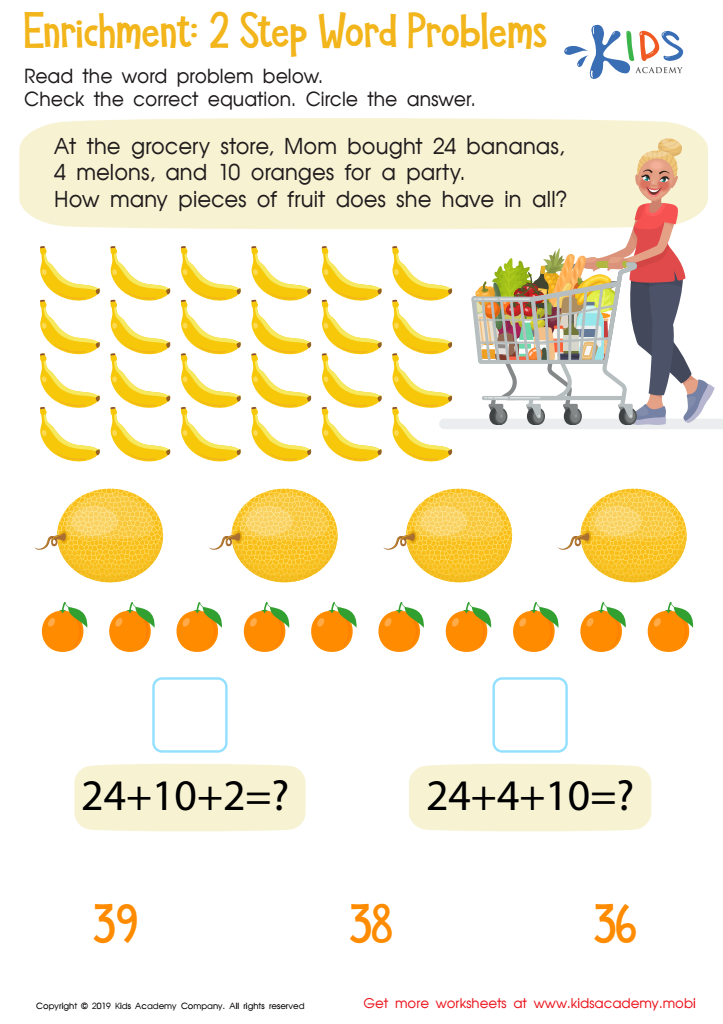
Enrichment -2 Step Word Problems Worksheet
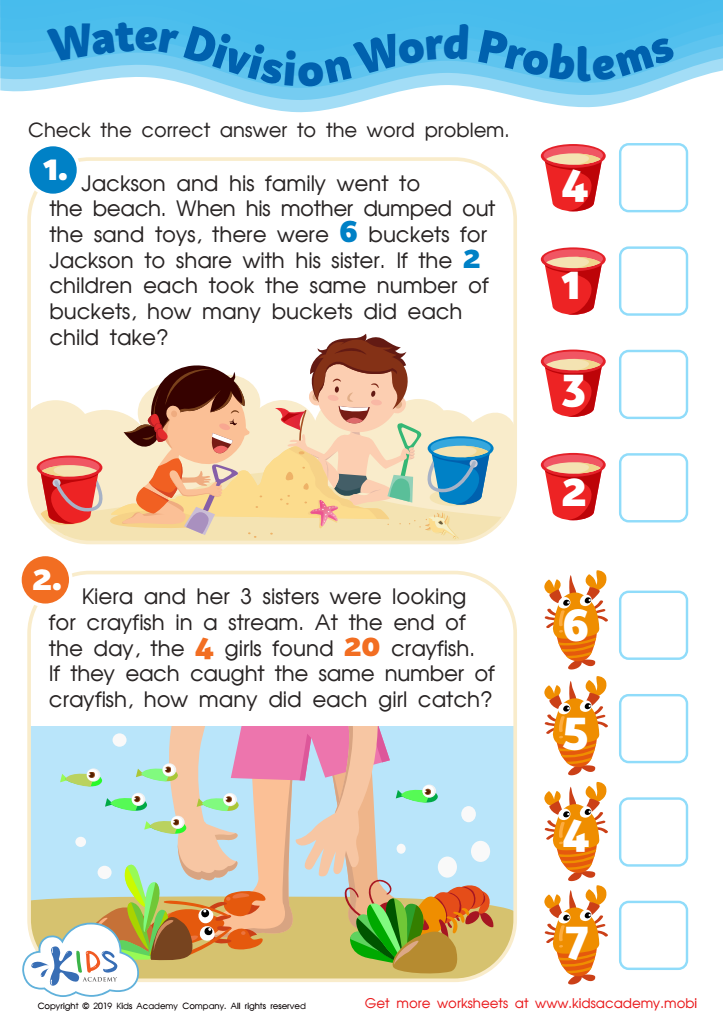
Water Division Word Problems Worksheet
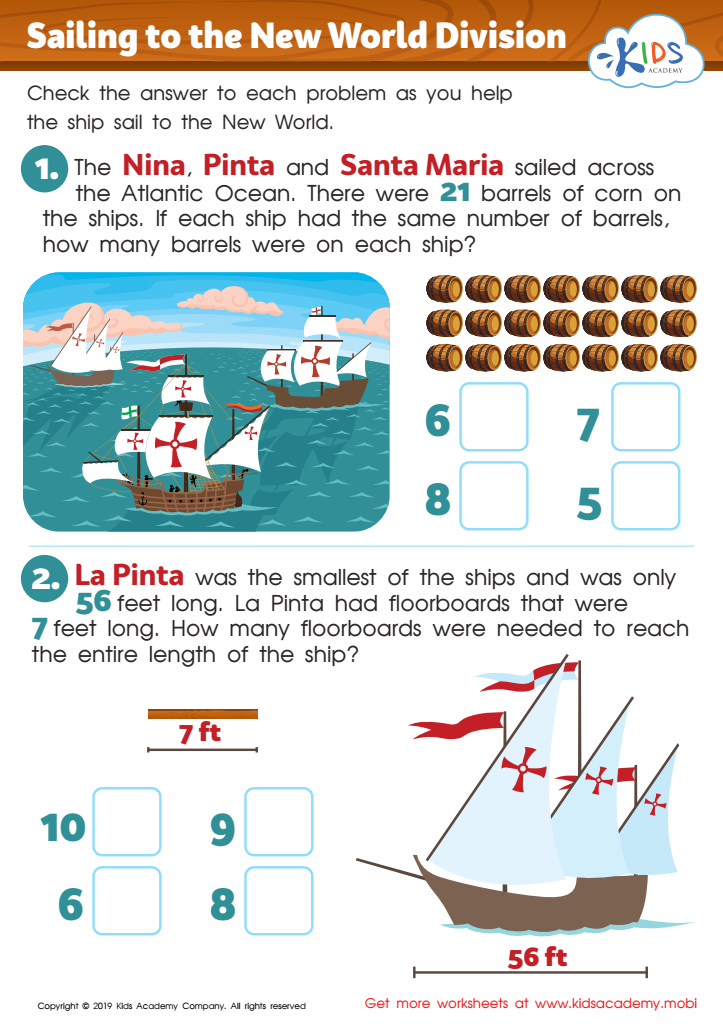
Sailing to the New World Division Worksheet



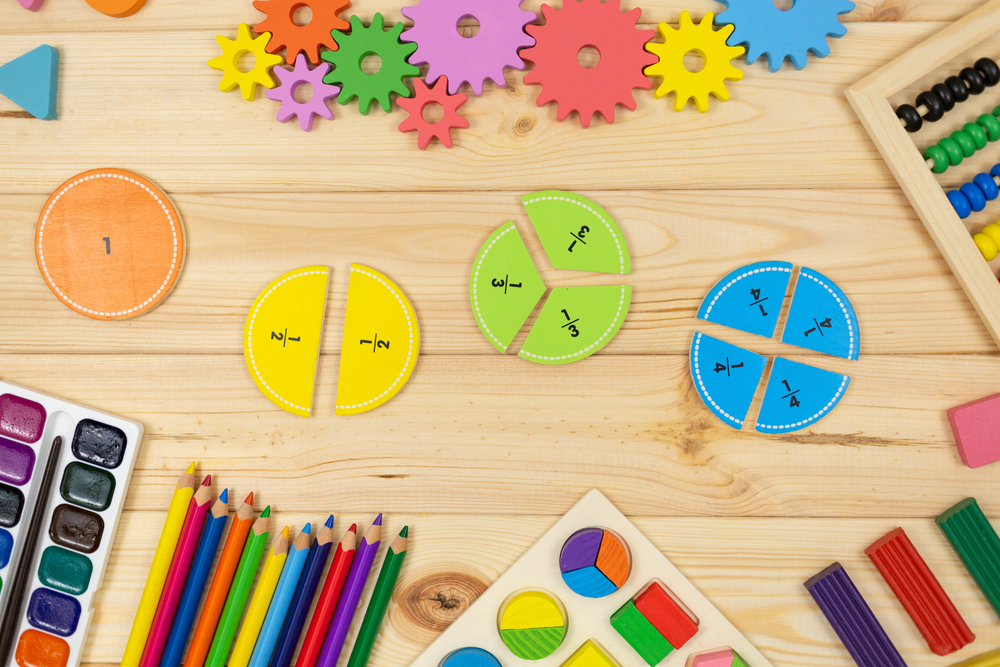




Introducing division concepts to children aged 4-5 can be highly beneficial, even though formal division isn't usually taught until later grades. At this age, children are in a critical period for cognitive development, characterized by rapid growth in their ability to understand and manipulate basic mathematical concepts.
Division lays the groundwork for understanding how numbers can be broken down and shared evenly, which directly ties into real-world situations they encounter, such as sharing snacks or grouping toys. Early exposure to these ideas helps develop their numerical literacy and problem-solving skills, making future math lessons easier to grasp and less intimidating.
Moreover, practicing division along with other basic arithmetic fosters a strong mathematical foundation. This helps children build confidence in their abilities, fostering a positive attitude towards math. Encouraging these skills early on also promotes logical thinking, pattern recognition, and critical reasoning—essential skills for academic success.
Interactive activities, educational games, and hands-on experiences can make learning about division engaging and fun for young children. Parents and teachers can use everyday moments for these practice opportunities, seamlessly integrating education into daily life. Overall, early division practice enhances cognitive development and creates a robust foundation for future mathematical learning, preparing children for continued academic achievement.








