Word Recognition Normal Consonant Digraphs Worksheets for Ages 4-6
5 filtered results
-
From - To
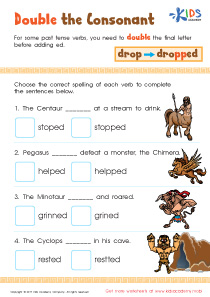
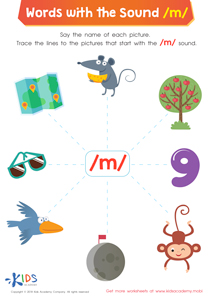
Enhance your child's reading proficiency with our Word Recognition Normal Consonant Digraphs Worksheets designed for ages 4-6. These engaging and educational worksheets focus on helping young learners identify and pronounce common consonant digraphs, such as "ch," "sh," "th," and more. With interactive activities and colorful illustrations, these worksheets make learning fun and effective, fostering early literacy skills and boosting confidence in word recognition. Perfect for early-grade classrooms or at-home practice, our worksheets are a fantastic resource for parents and educators aiming to build a strong foundation in reading for young children. Explore now and inspire a love of learning!
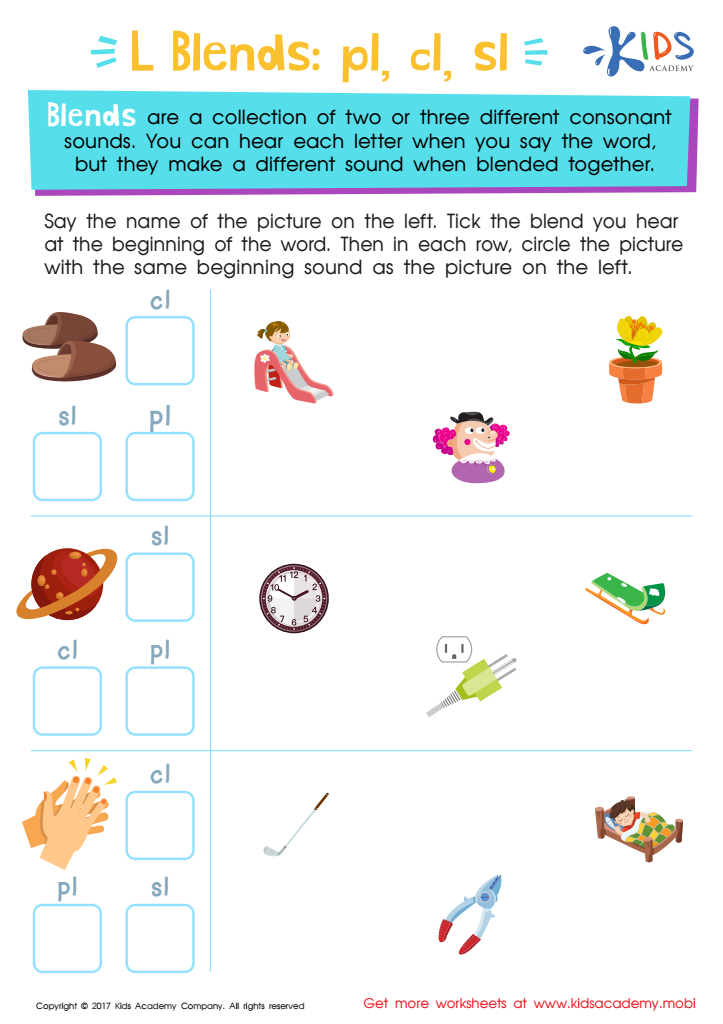
L Blends: "Pl", "Cl" and "Sl" Printable
 Assign to My Students
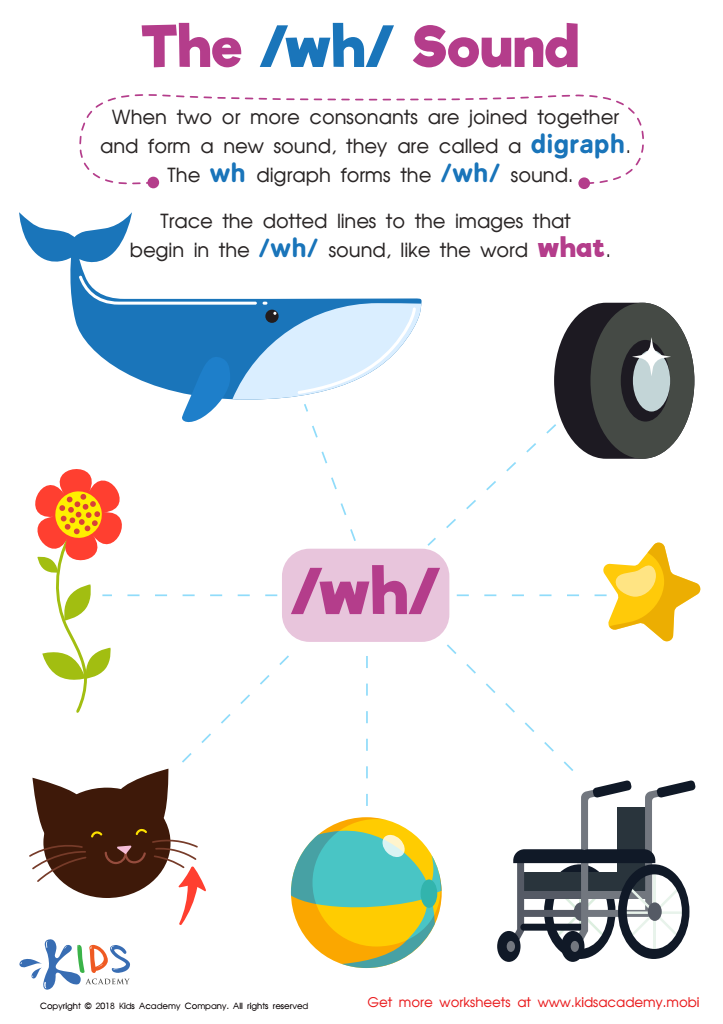
The /wh/ Sound Worksheet
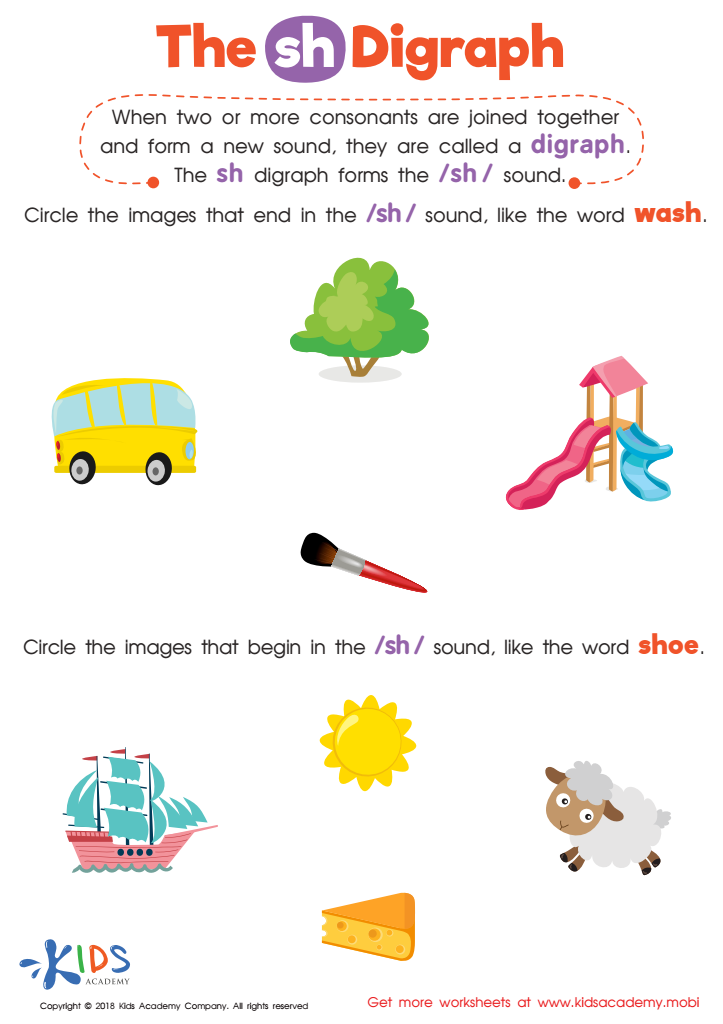
The SH Digraph Worksheet
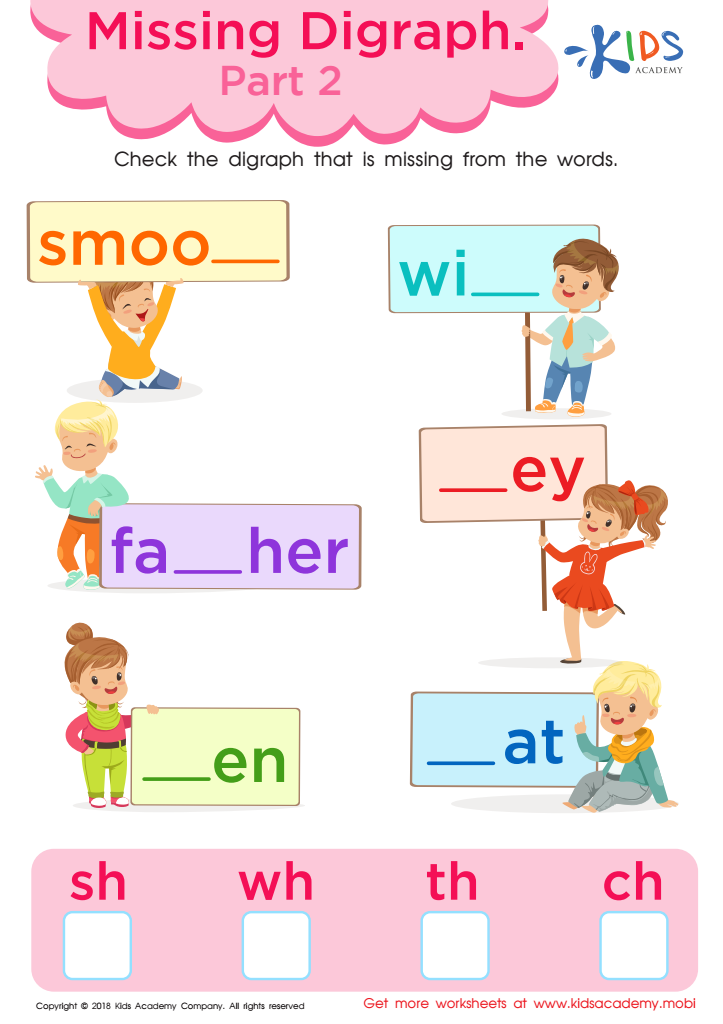
Missing Digraph: Part 2 Worksheet
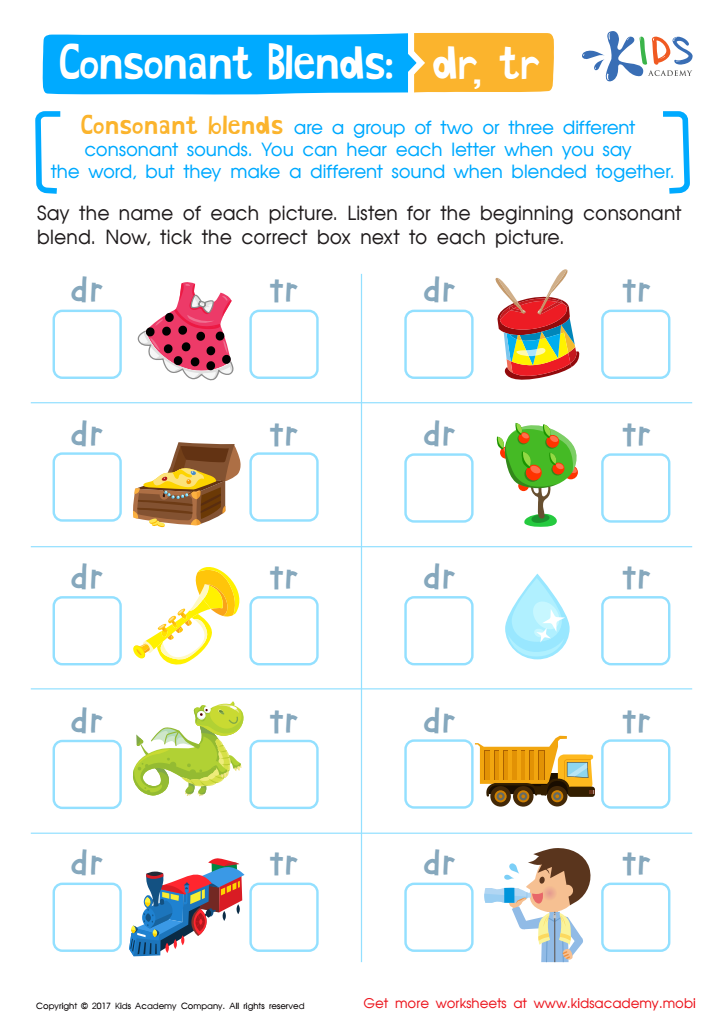
Consonant Blends: "Dr" and "Tr" Printable


During the formative years of ages 4-6, children transition from recognizing letters to forming words, a crucial step in developing reading skills. Understanding normal consonant digraphs—combinations of two consonants making a single sound, like "sh" in "ship" or "ch" in "chain"—is vital because these are foundational building blocks of phonics.
At this developmental stage, children's brains are exceptionally receptive to language acquisition. Mastery of consonant digraphs enables them to decode words more effortlessly, fostering fluency and boosting confidence in reading. When children grasp these early literacy concepts, they establish neural pathways that contribute to more advanced reading and writing skills later on.
Recognizing and pronouncing digraphs also improve listening skills, which feeds back into better pronunciation and speech clarity. For parents and teachers, focusing on these early literacy milestones equips children with a robust vocabulary and a more profound understanding of language rules, setting the stage for academic success. By integrating engaging, hands-on activities that emphasize digraphs, caregivers can ensure children not only learn but retain this critical information. As future reading proficiency strongly correlates with overall academic achievement, giving early attention to consonant digraphs is an investment in a child’s long-term educational development.