Categorizing objects Normal Worksheets for Ages 4-6
4 filtered results
-
From - To
Discover our engaging "Categorizing Objects Normal Worksheets" designed specifically for children aged 4-6. These worksheets provide a fun and interactive way for young learners to develop critical thinking and observational skills by grouping objects based on similarities and differences. With colorful illustrations and easy-to-follow instructions, kids will enjoy sorting animals, toys, food items, and more, enhancing their understanding of categories. Ideal for home or classroom use, these worksheets not only support early literacy and numeracy but also foster a sense of accomplishment as children complete each task. Inspire your little ones’ learning journey with these valuable resources!
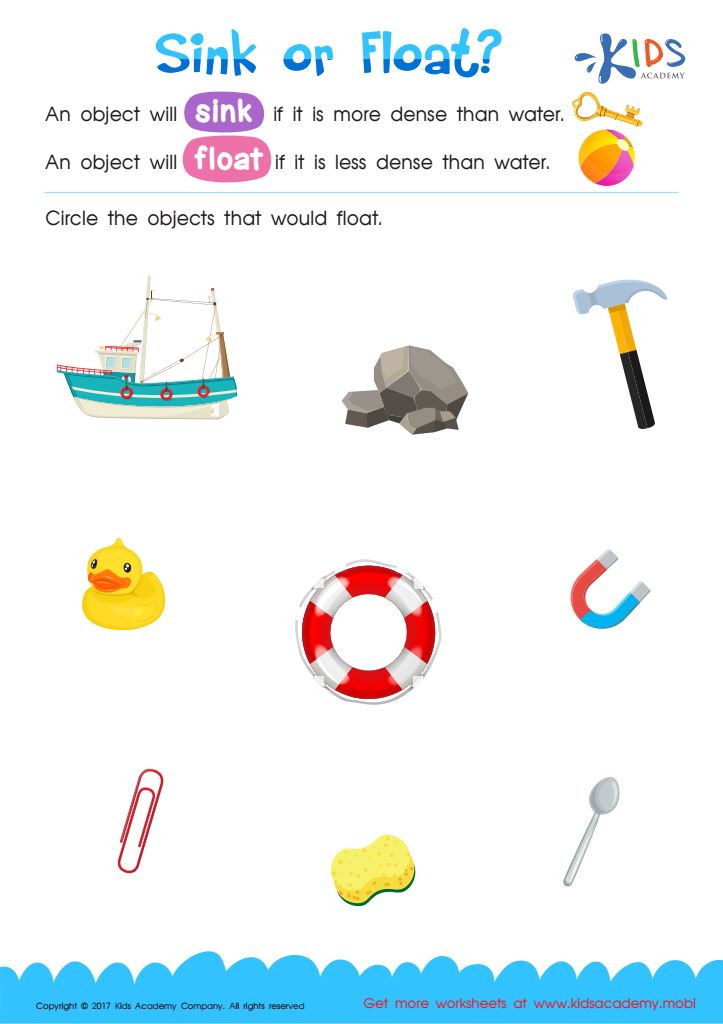
Sink or Float Printable
 Assign to My Students
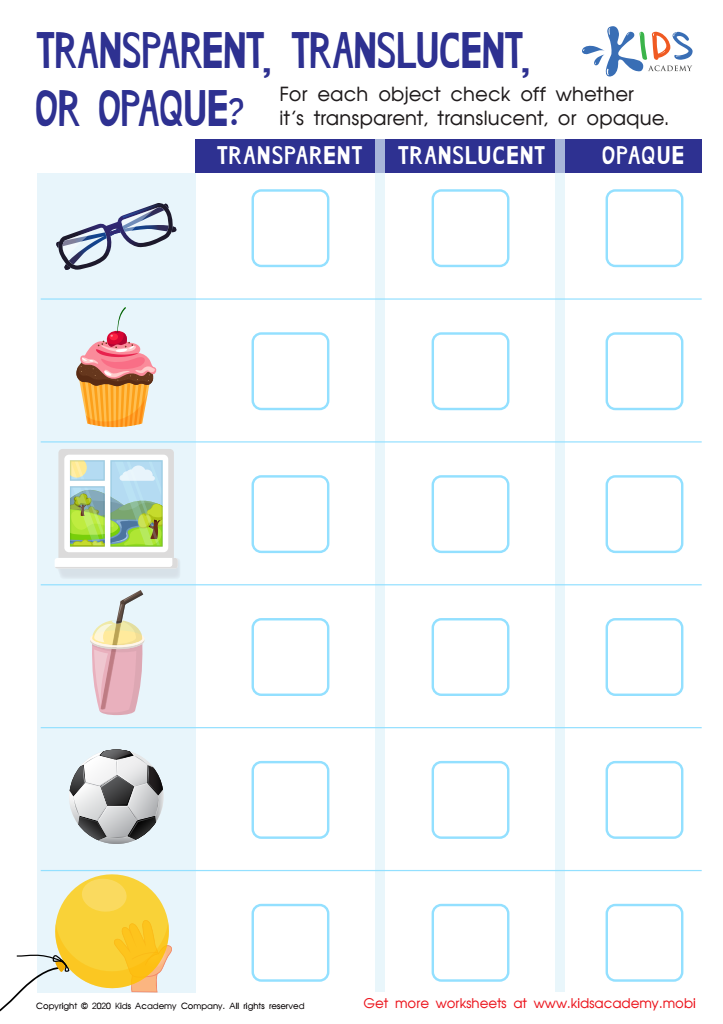
Transparent, Translucent, or Opaque Worksheet
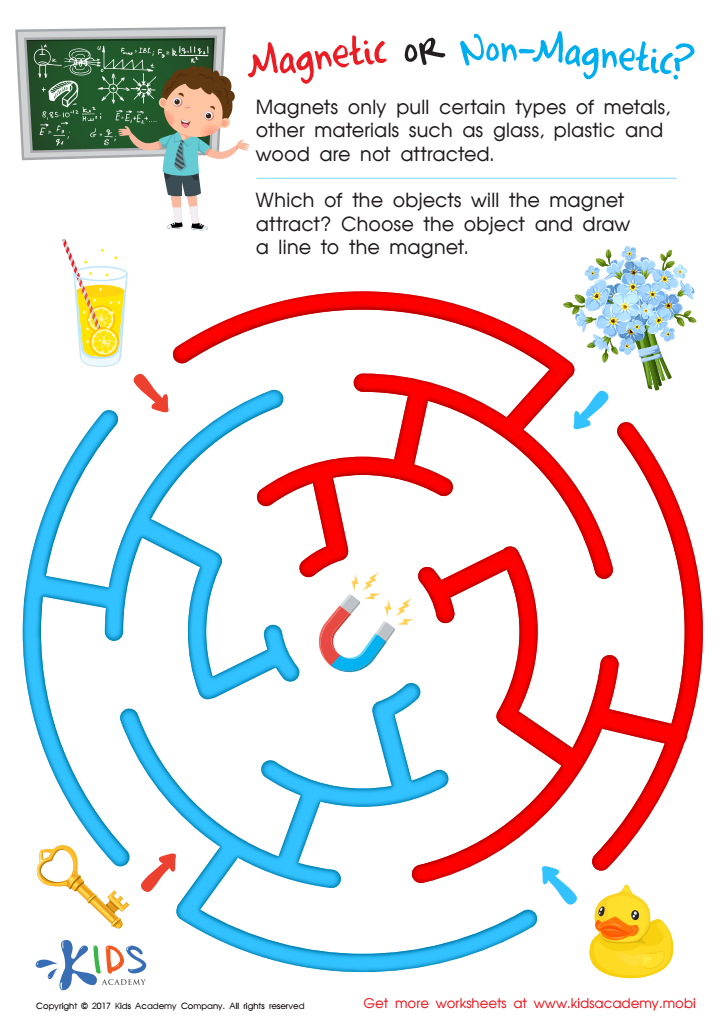
Magnetic or Non–Magnetic Worksheet
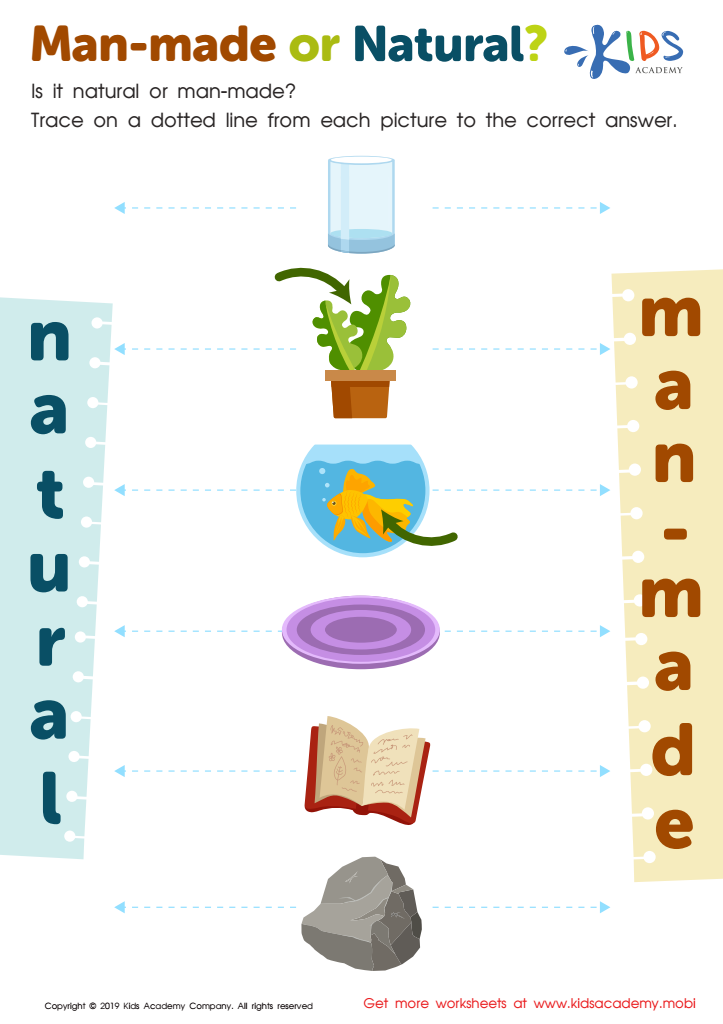
Man-Made or Natural? Worksheet







Categorizing objects is a fundamental cognitive skill that has significant implications for the development of children ages 4-6. For parents and teachers, fostering this skill is crucial because it lays the groundwork for logical thinking and problem-solving. When children categorize objects, they learn to recognize similarities and differences, enhancing their ability to make connections and understand relationships in the world around them.
Moreover, categorization contributes to language development; as children group objects, they also expand their vocabulary by learning the terms associated with each category. For instance, identifying fruits, vehicles, or animals helps enrich their descriptive language and communication skills.
In addition, engaging in categorization activities supports children's emotional and social development. It encourages collaborative play and dialogue, as children often work together to sort and classify objects, learning to express their thoughts and understand different perspectives.
Finally, the ability to categorize is essential for later academic success, particularly in subjects like math and science. By emphasizing this skill early on, parents and teachers can help children develop a strong foundation for their future learning, promoting critical thinking and adaptability as they grow. Nurturing these skills early can harness children’s natural curiosity while preparing them for lifelong learning.








