Comprehension skills Normal Worksheets for Ages 4-6
10 filtered results
-
From - To
Discover our engaging comprehension skills worksheets designed specifically for ages 4-6. These materials help young learners develop essential reading comprehension abilities through fun and interactive activities. Our worksheets focus on various skills, including story sequencing, character identification, and summarizing activities. Each resource is crafted to nurture critical thinking and enhance vocabulary in a joyful learning atmosphere. Perfect for both home and classroom settings, these worksheets encourage children to explore texts and improve their understanding. Whether you’re a parent or a teacher, our comprehensive collection supports early literacy and helps build a strong foundation for future reading success!
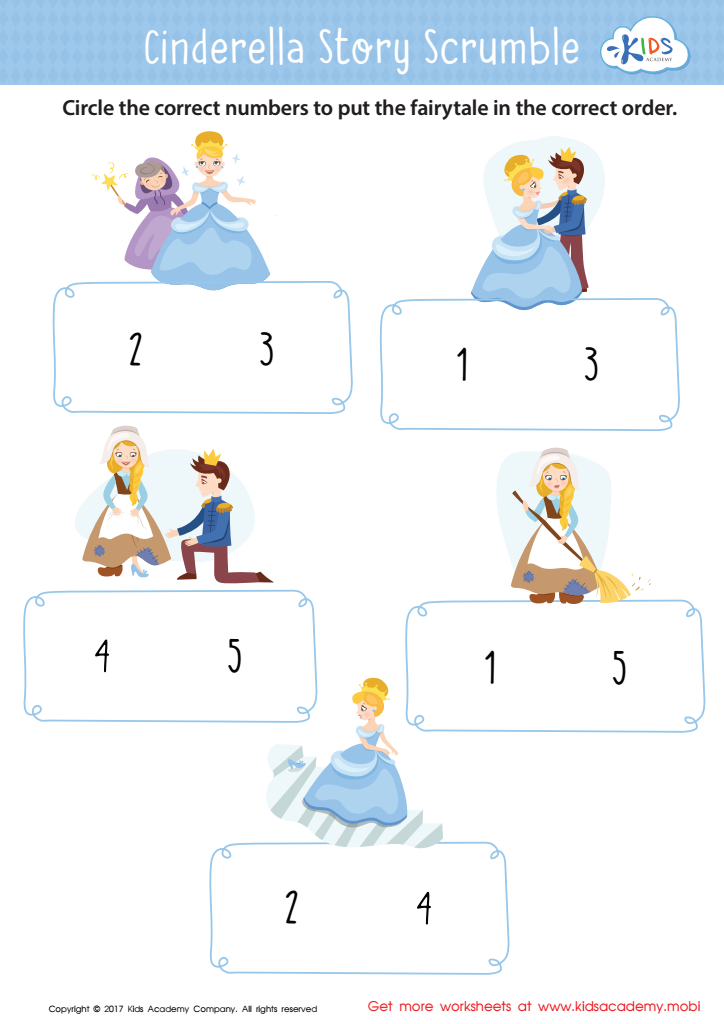
Cinderella Story Sequencing Worksheet
 Assign to My Students
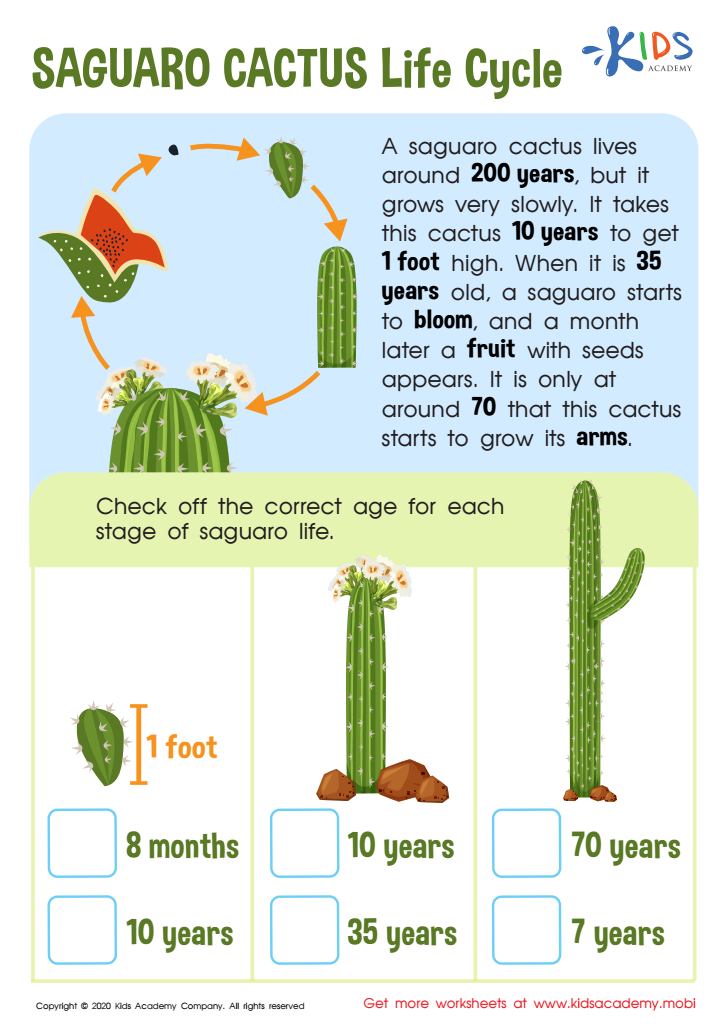
Saguaro Cactus Life Cycle Worksheet
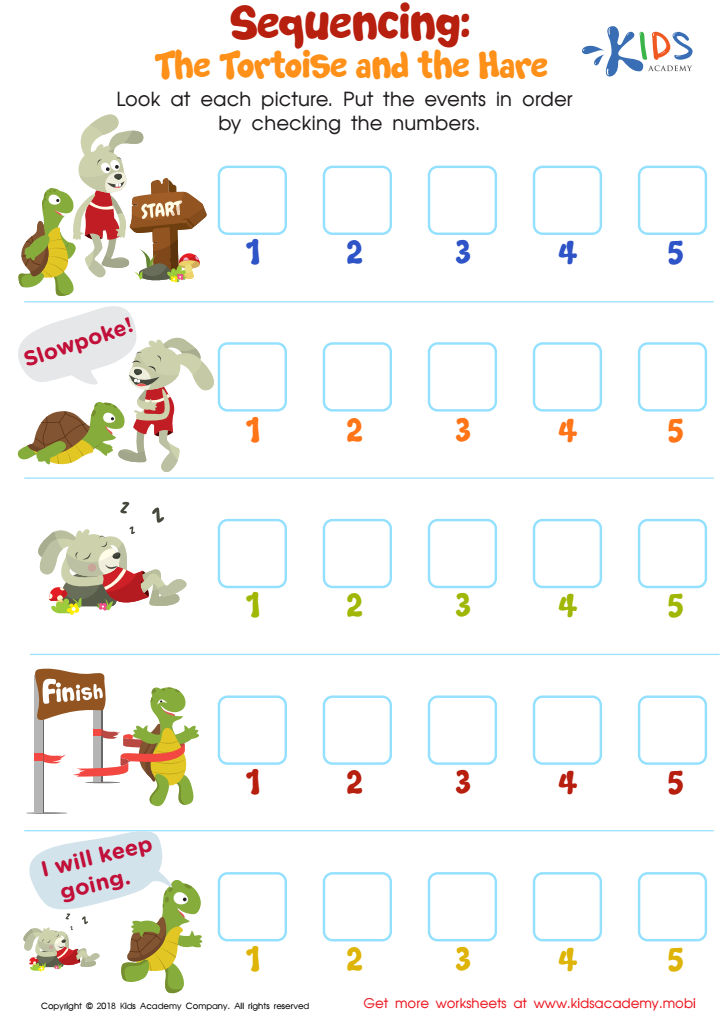
Sequencing: The Tortoise and the Hare Worksheet
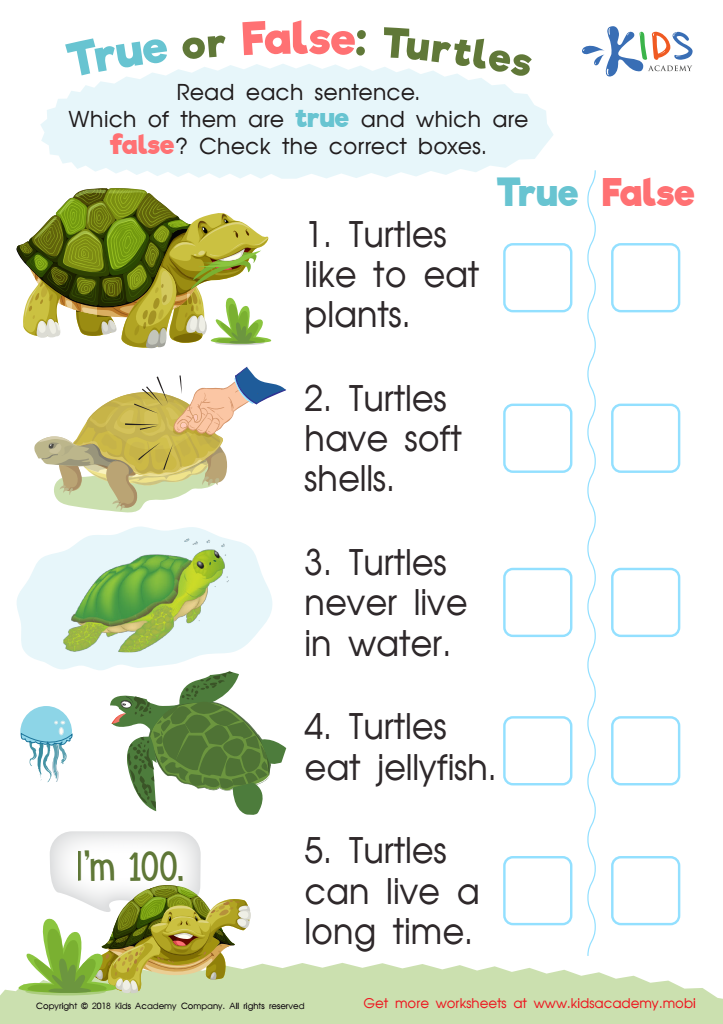
True or False: Turtles Worksheet
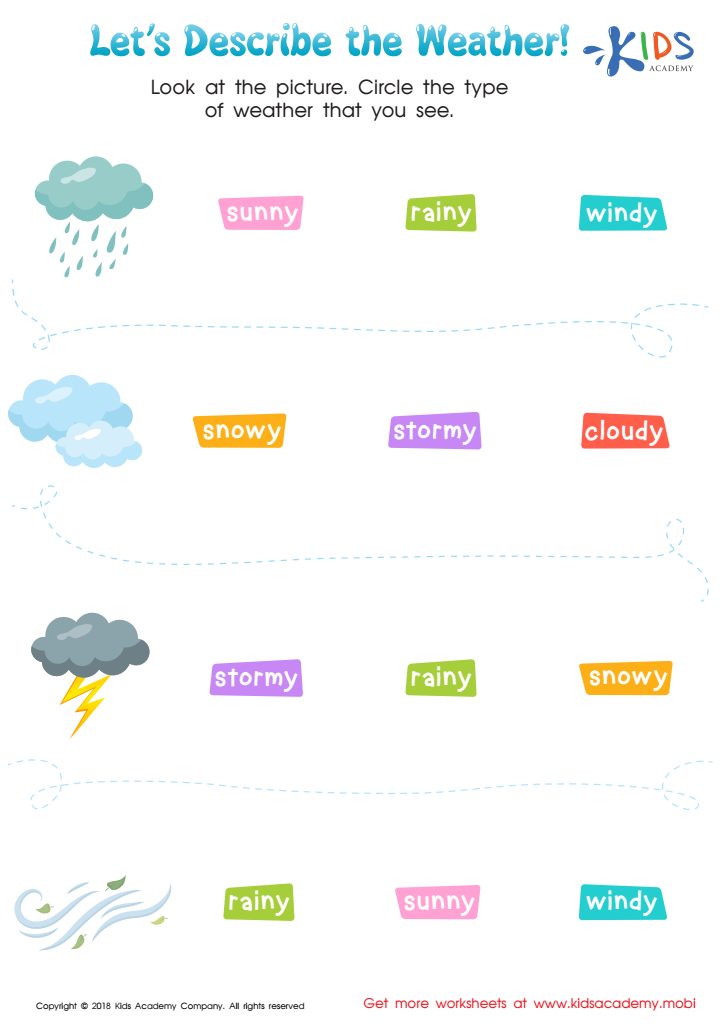
Let's Describe the Weather! Worksheet
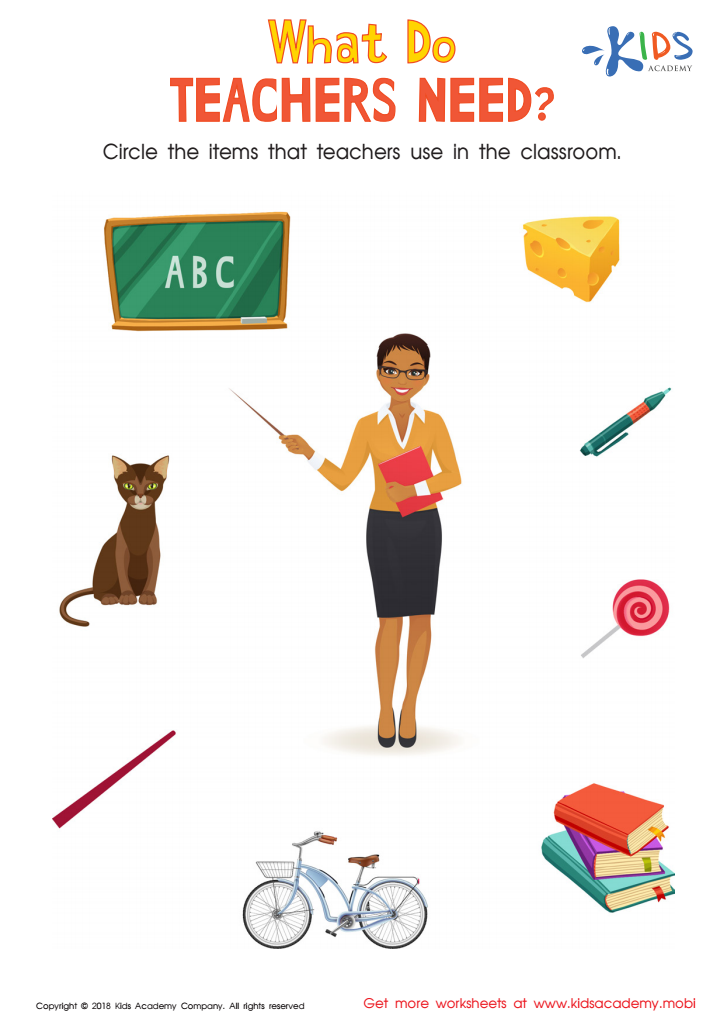
What Do Teachers Need Worksheet
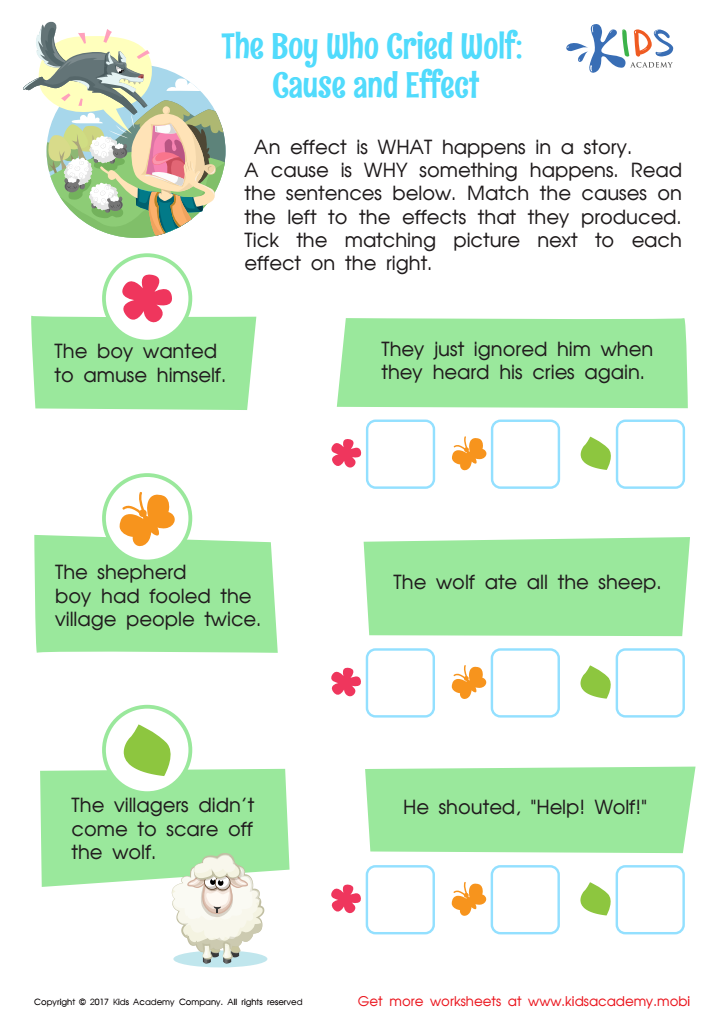
The Boy Who Cried Wolf: Cause and Effect Worksheet
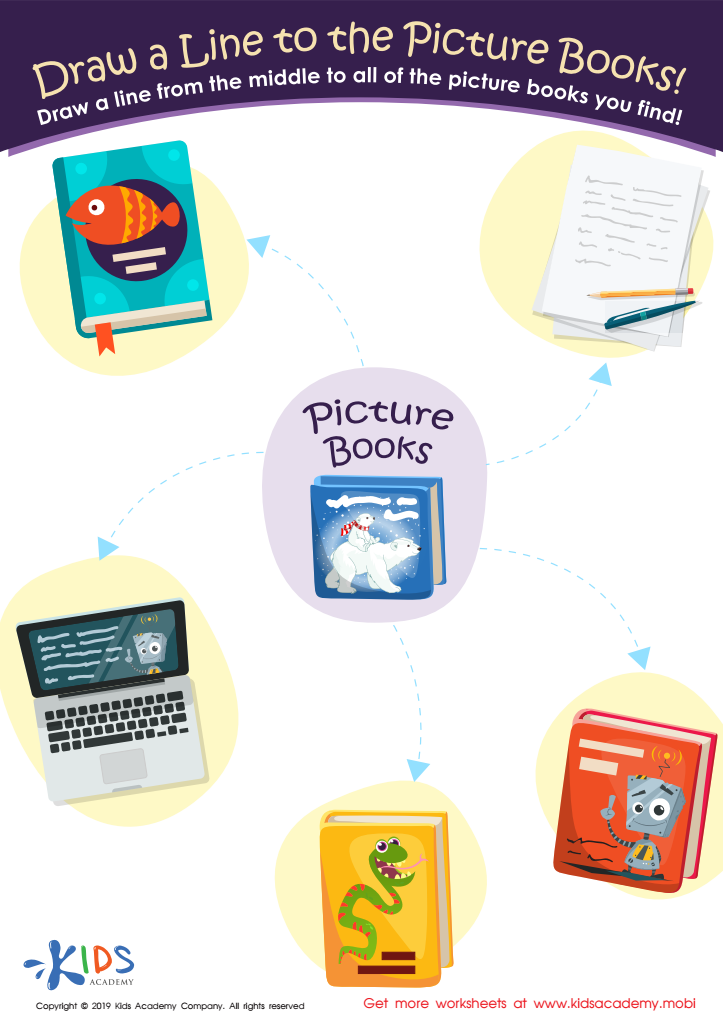
Draw a Line to the Picture Books Worksheet
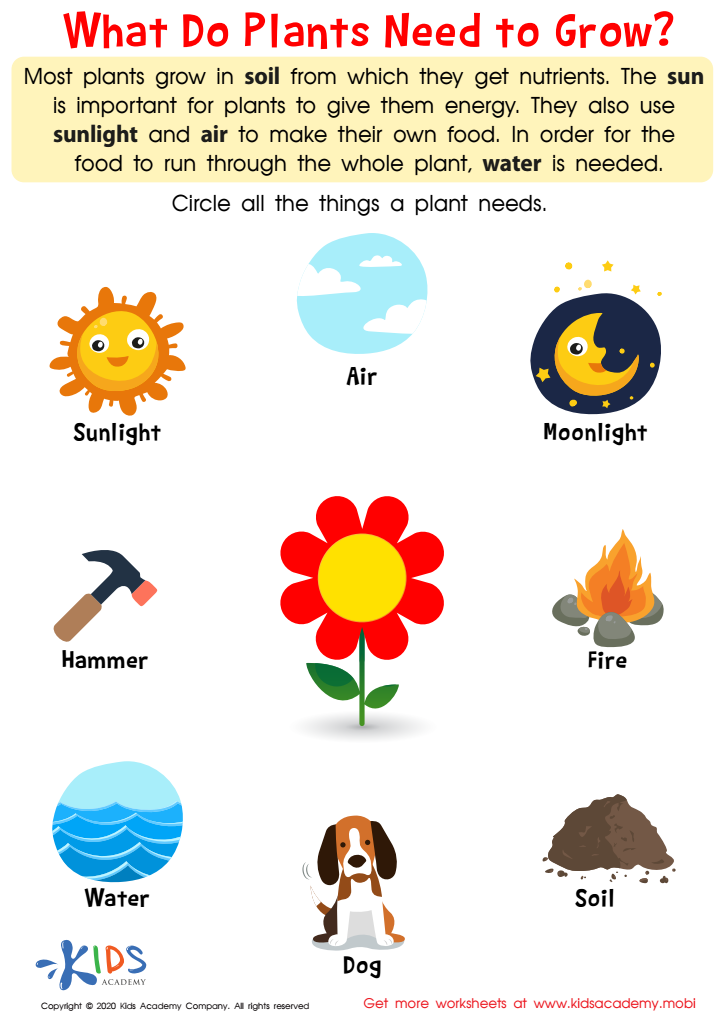
What Do Plants Need to Grow Worksheet
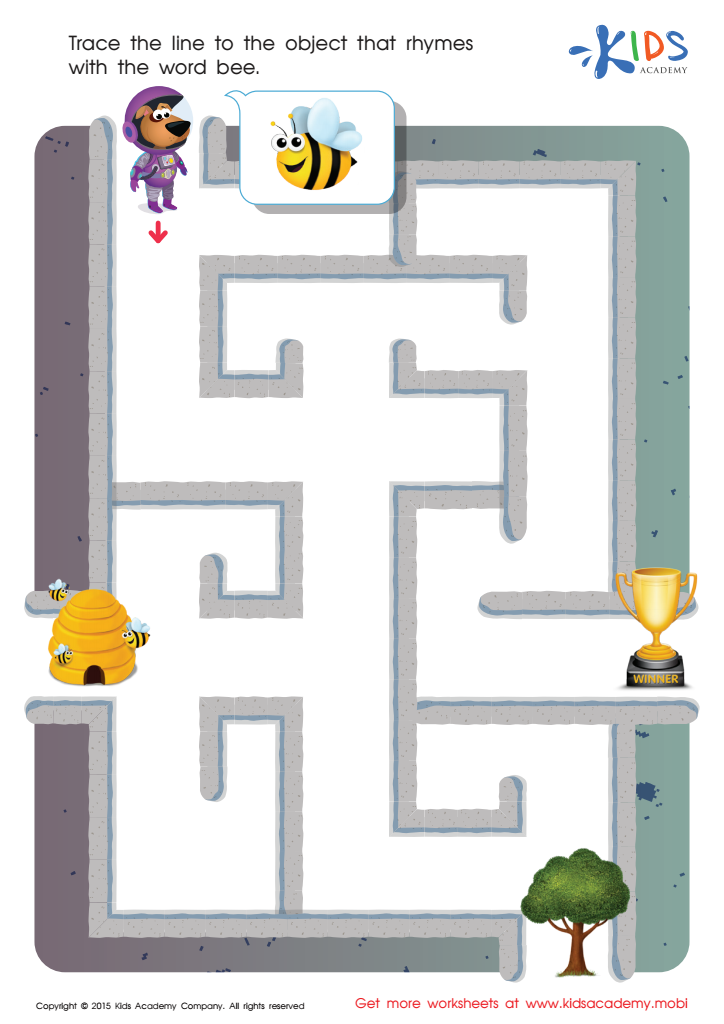
Bee Rhyming Words Worksheet








Comprehension skills are crucial for children aged 4-6 as they form the foundation for successful reading and learning throughout life. During these formative years, children begin to decode words, but true understanding involves grasping the meaning behind texts. Parents and teachers should care about developing these skills because early comprehension impacts a child's academic journey and self-esteem.
At this age, children are naturally curious, absorbing language and information rapidly. Building comprehension skills can enhance their vocabulary, critical thinking, and ability to connect ideas, which are essential for effective communication. Engaging children in discussions about stories, asking questions, and encouraging predictions helps cultivate these skills.
Moreover, strong comprehension abilities boost motivation and a love for reading. When children can derive meaning from texts, they become more enthusiastic learners, happier readers, and are more likely to participate in discussions. This creates a seamless transition into complex literacy skills as they progress through school.
In summary, investing time in nurturing comprehension skills in young children not only prepares them for future academic success but also fosters a lifelong appreciation for learning and storytelling. Therefore, it's vital for parents and teachers to prioritize these skills in early childhood education.








