Story sequencing Normal Worksheets for Ages 4-6
14 filtered results
-
From - To
Our "Story Sequencing Normal Worksheets for Ages 4-6" at Kids Academy are designed to enhance your child's ability to comprehend and organize events logically. These worksheets focus on improving critical developmental skills such as reading comprehension, memory, and logical thinking by encouraging children to arrange story elements in the correct order. Perfectly tailored for young learners, our engaging and visually appealing activities offer a fun and educational way to foster early literacy while keeping little minds interested and motivated. Empower your kids with these essential tools to embark on a joyful learning journey and build a strong foundation in reading skills.
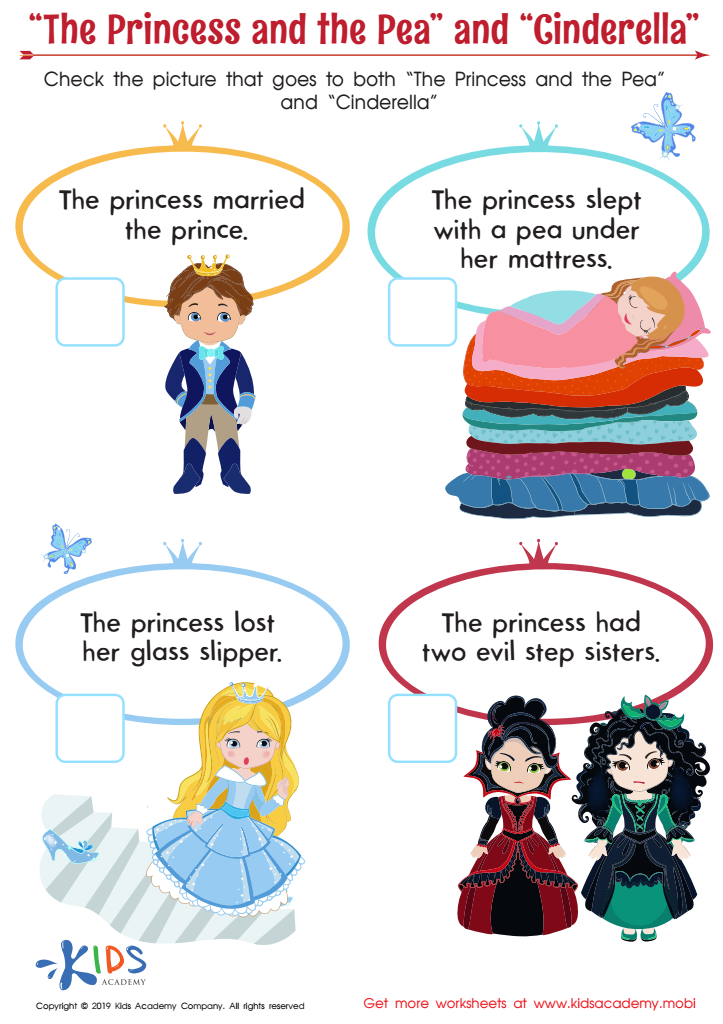
“The Princess and the Pea” and “Cinderella” Worksheet
 Assign to My Students
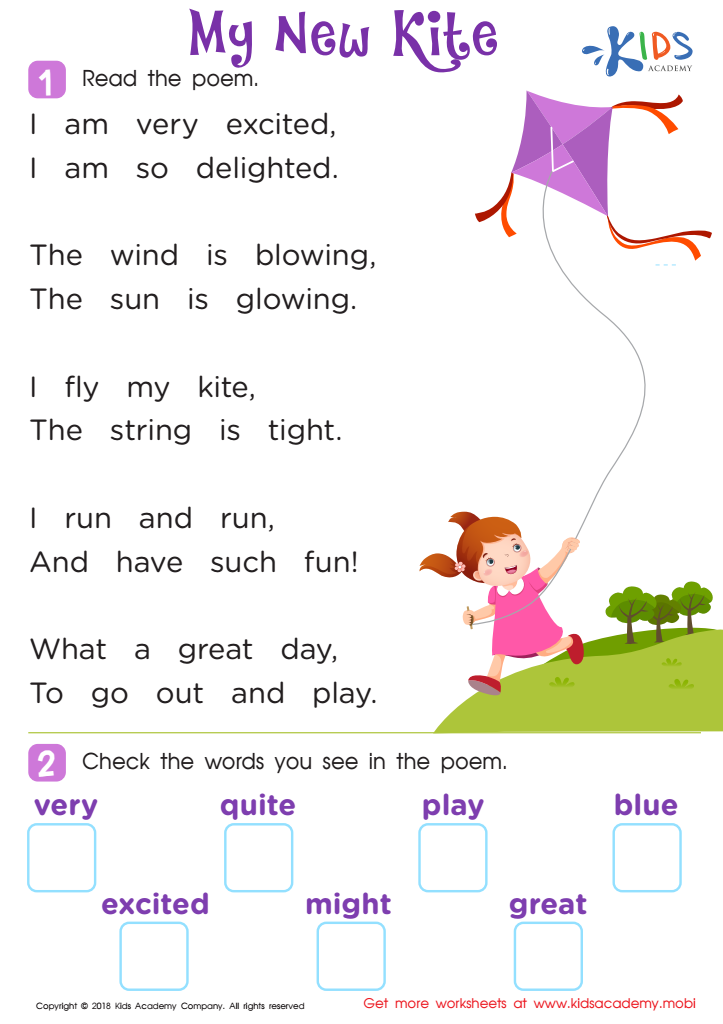
Poem: My New Kite Worksheet
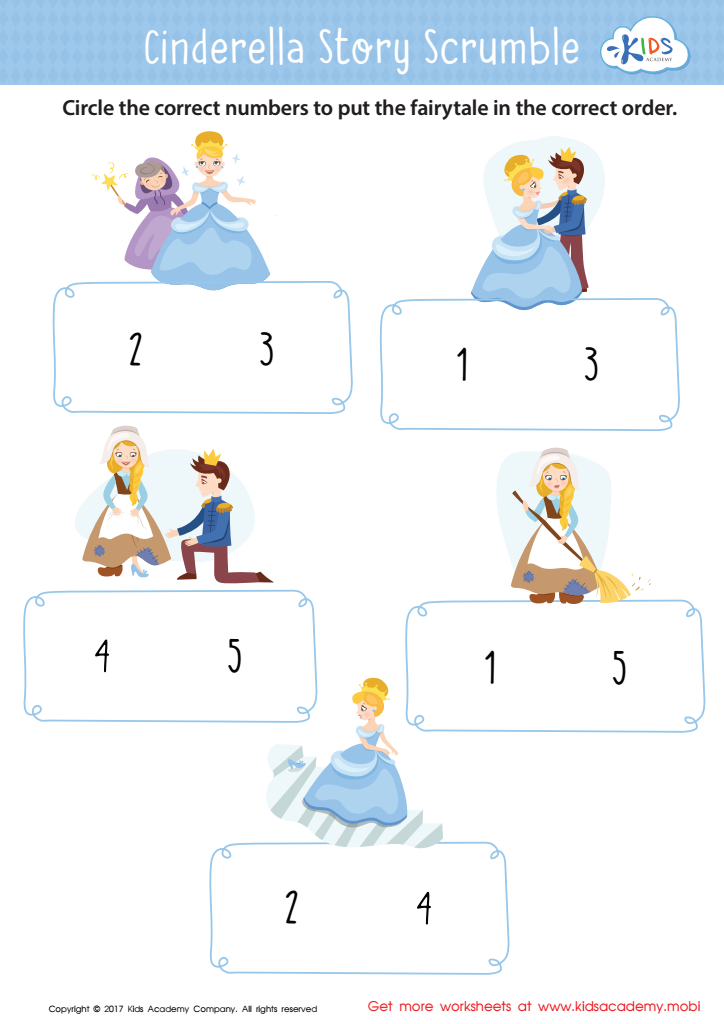
Cinderella Story Sequencing Worksheet
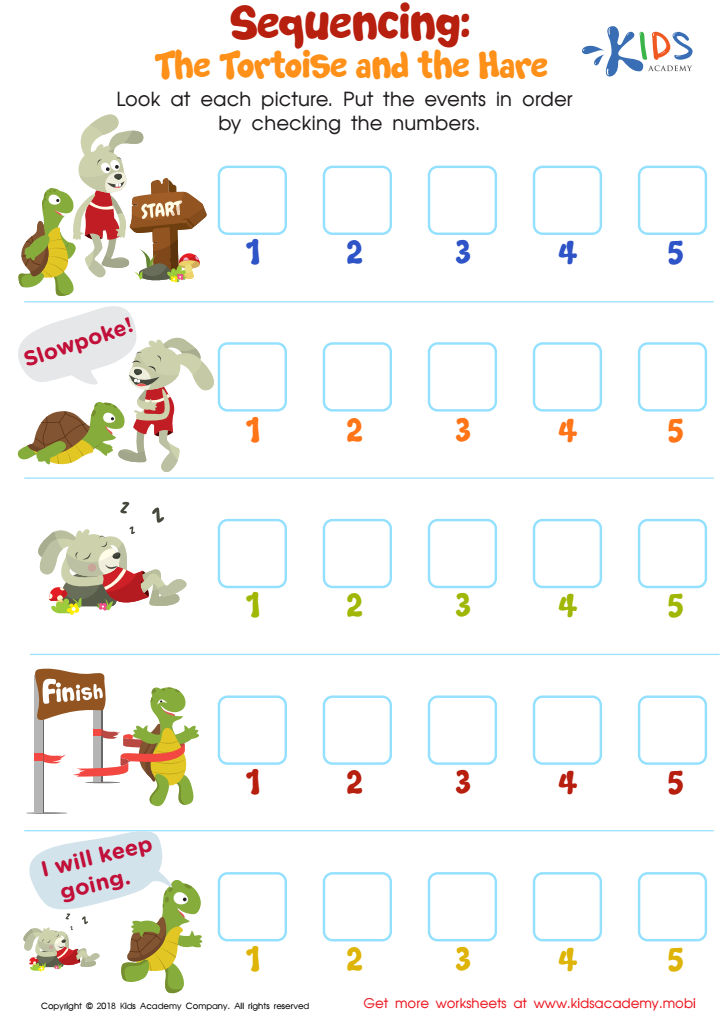
Sequencing: The Tortoise and the Hare Worksheet
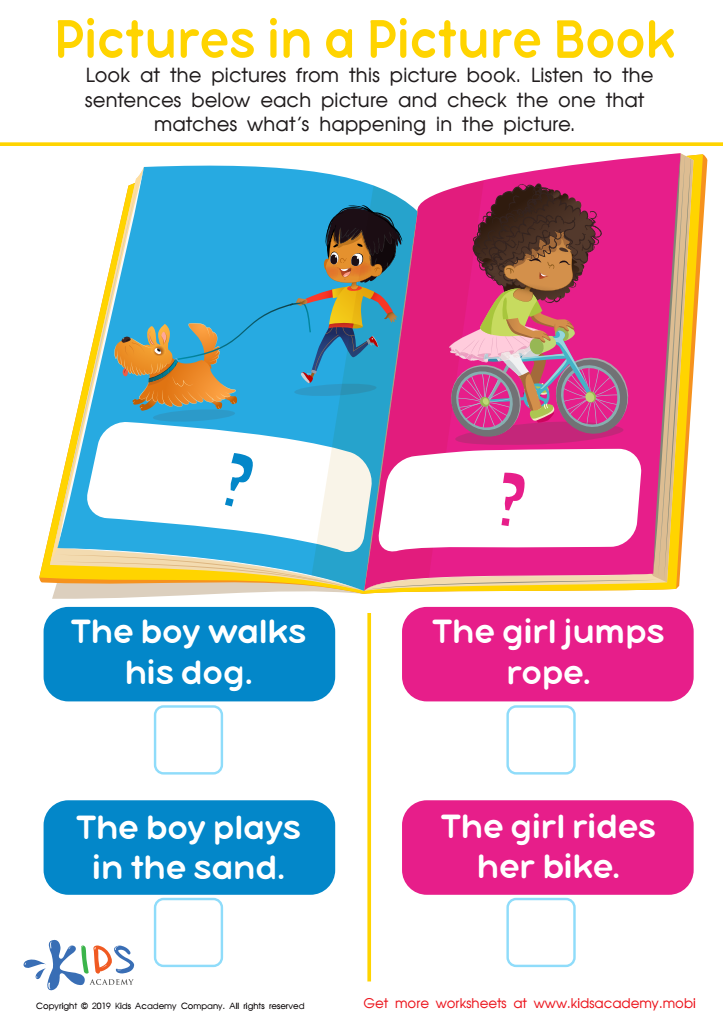
Picture in Books Worksheet
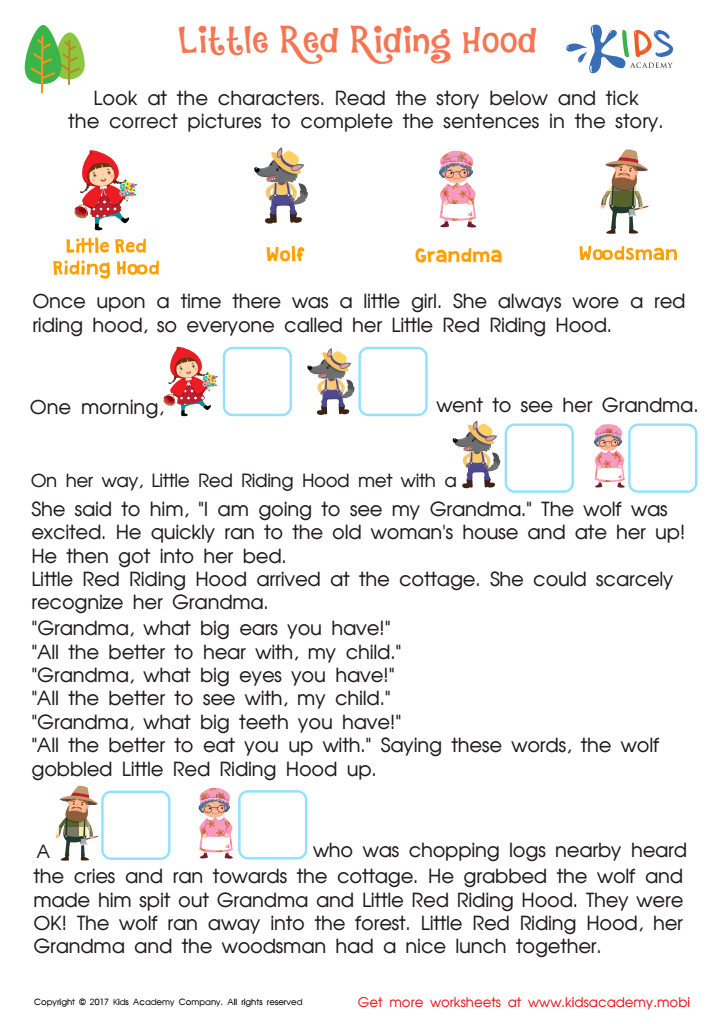
Little Red Riding Hood Printable
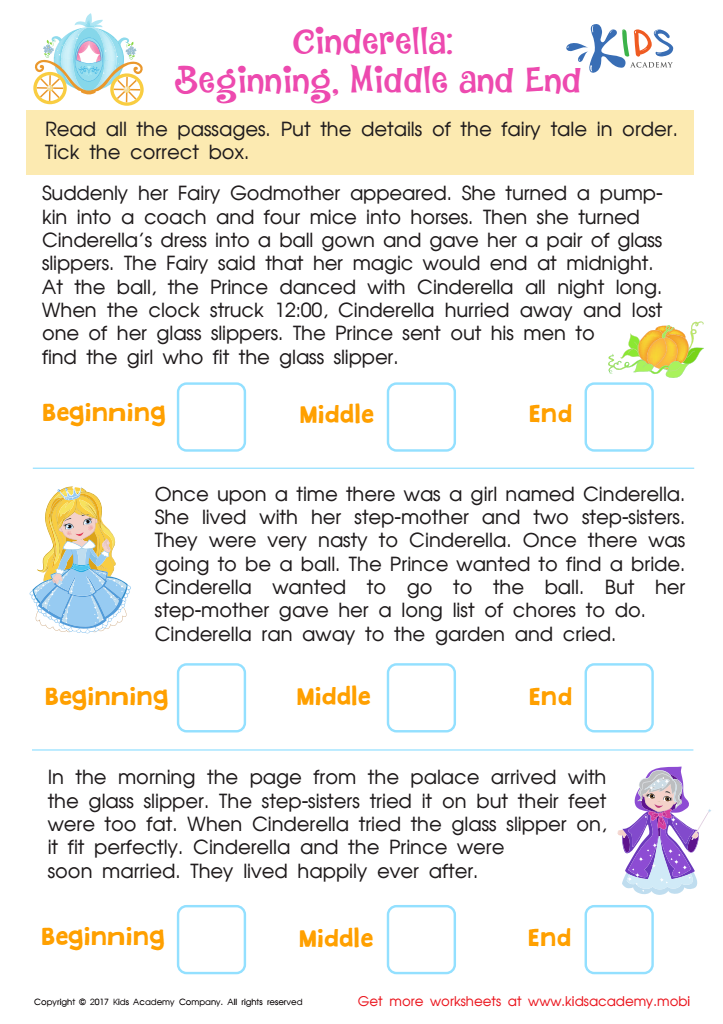
Cinderella: Beginning, Middle and End Worksheet
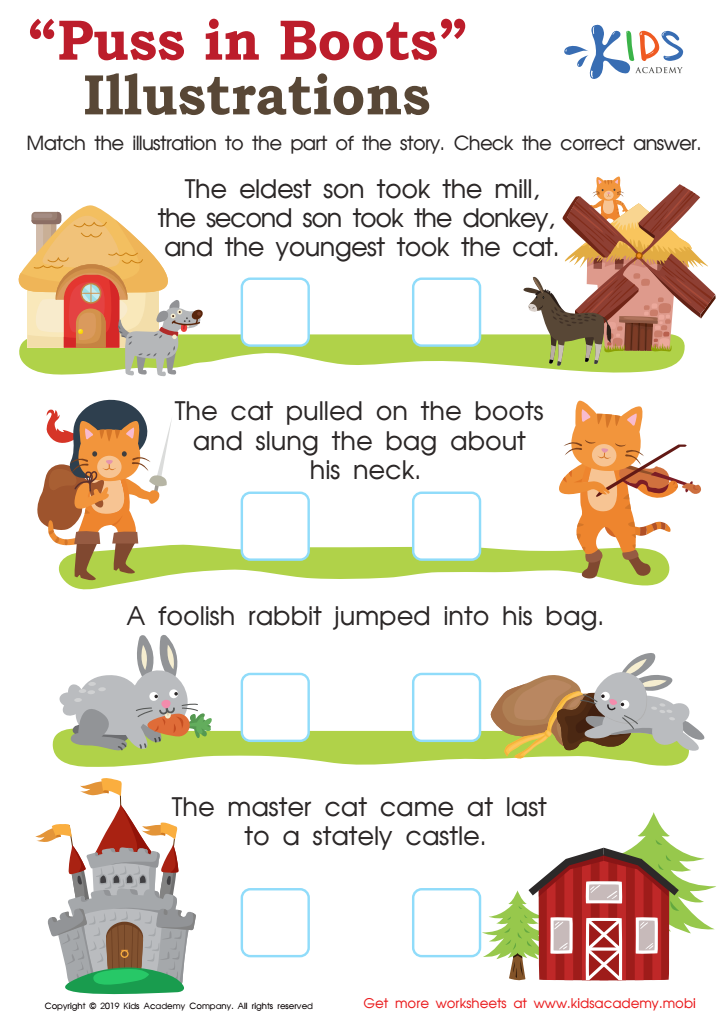
Puss in Boots Illustrations Worksheet
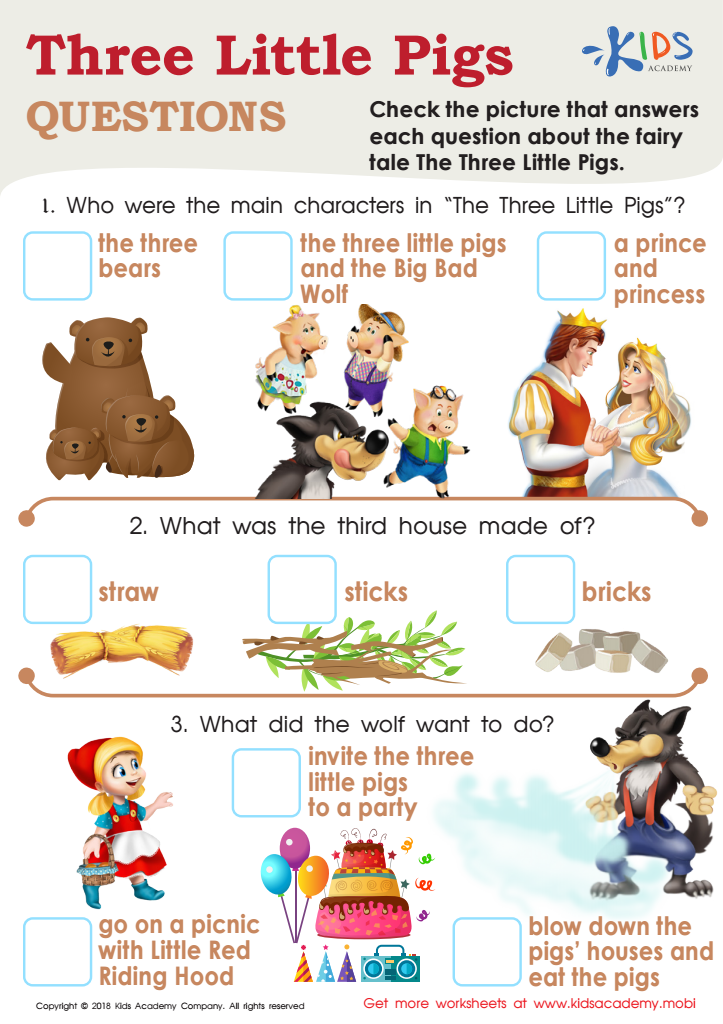
Three Little Pigs Questions Worksheet
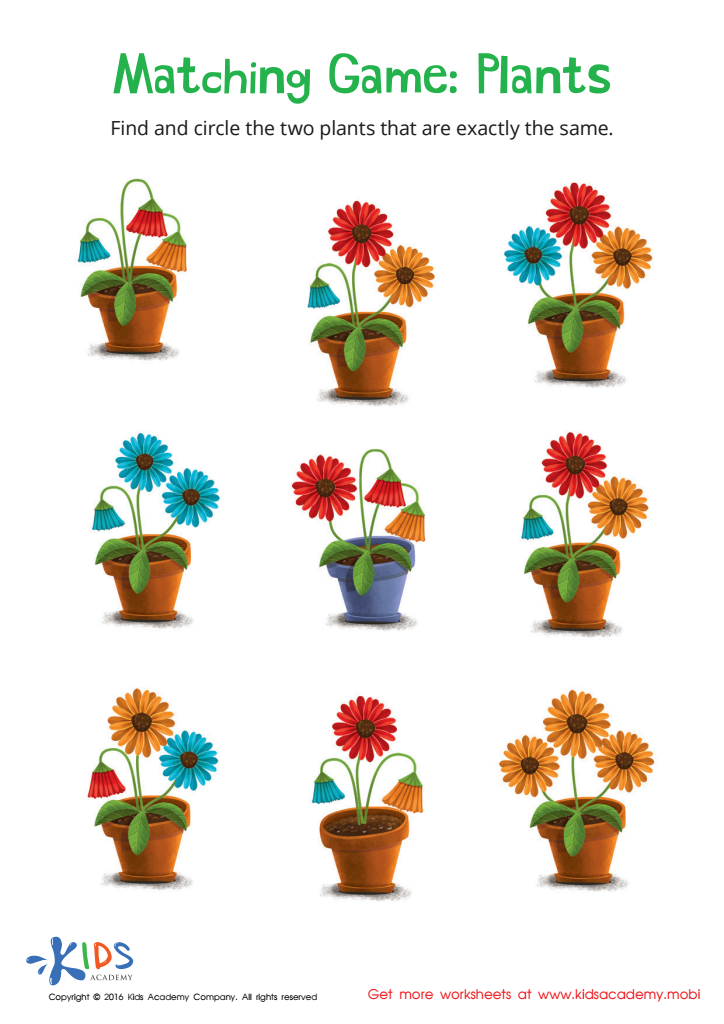
Matching: Plants Worksheet
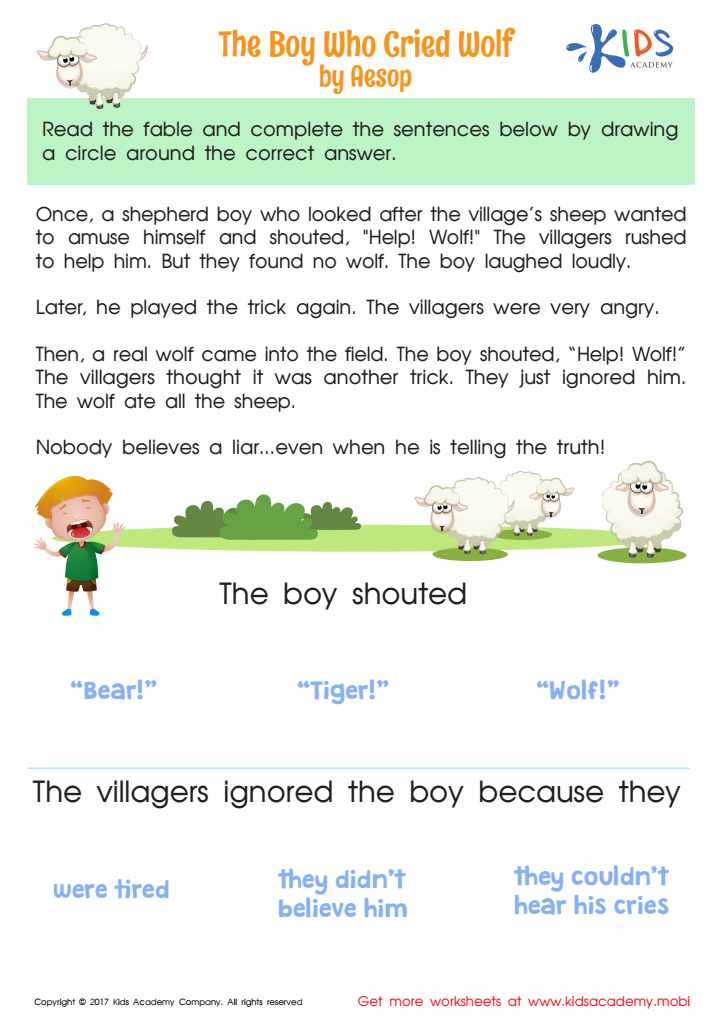
The Boy Who Cried Wolf Worksheet
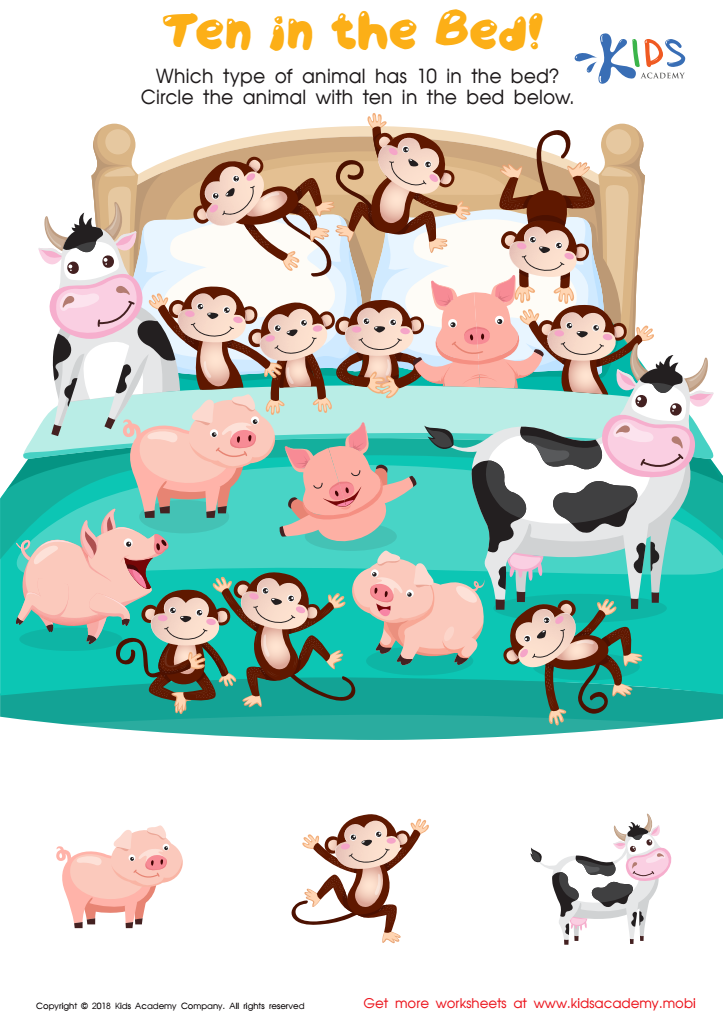
Ten in the Bed Worksheet
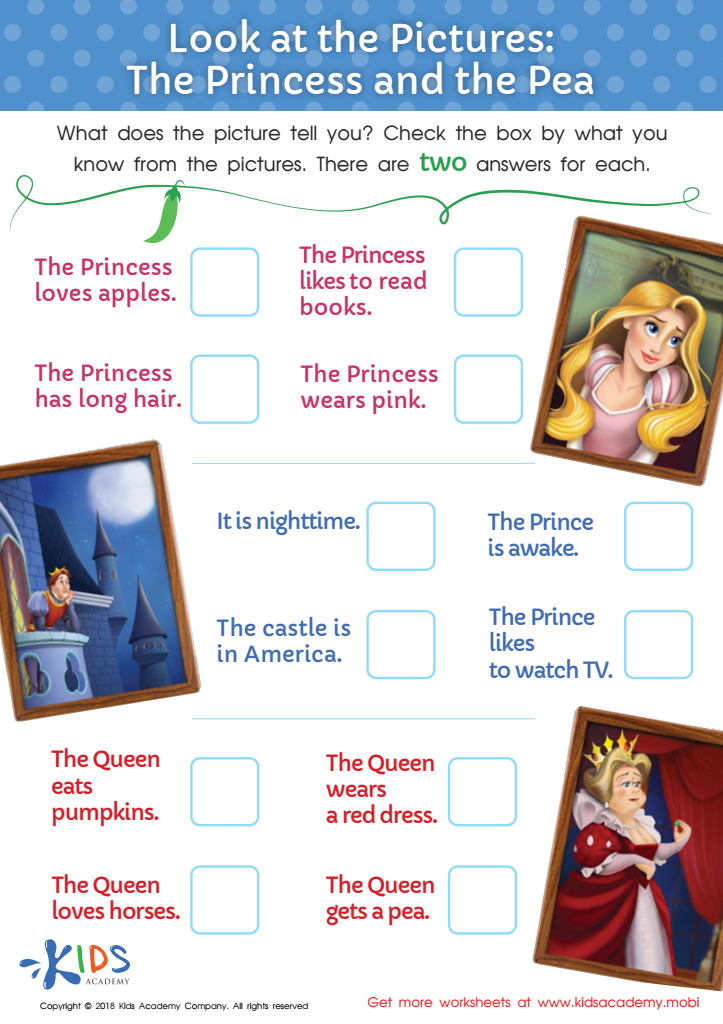
Look at the Pictures: The Princess and the Pea Worksheet
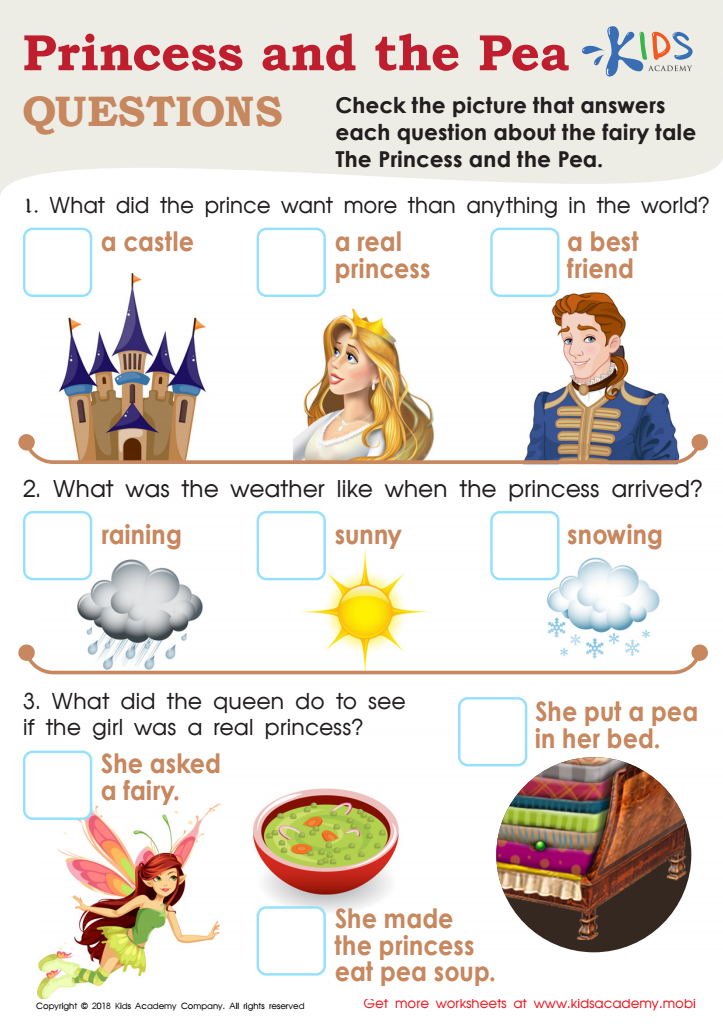
Princess and the Pea Questions Worksheet






.jpg)
Story sequencing is the ability to arrange events or actions in the correct order, which is a foundational skill that parents and teachers should prioritize for children aged 4-6. Understanding and mastering story sequencing supports the development of several critical cognitive, language, and literacy skills.
Firstly, sequencing enhances comprehension. When children learn to identify the beginning, middle, and end of a story, they understand narratives more deeply. This paves the way for stronger reading skills as they start recognizing common patterns and structures in stories.
In addition, sequencing fosters memory and recall. Organizing events sequentially requires children to remember details accurately, which enhances their ability to retain and recount information. This skill is pivotal not just in literacy but across all subjects, where logical progression and order matter.
Sequencing also boosts critical thinking and problem-solving abilities. As children ponder what happens first, next, and last, they learn to predict outcomes and make sense of cause-and-effect relationships. These are crucial skills in both academic and everyday contexts.
Moreover, this skill supports the development of expressive language skills. Narrating sequenced events encourages children to use complete sentences and descriptive language, enriching their vocabulary and communication abilities.
In sum, story sequencing for ages 4-6 forms a crucial part of their developmental toolkit, setting the stage for future academic success and effective communication.








