Vocabulary development Normal Worksheets for Ages 4-6 - Page 2
40 filtered results
-
From - To
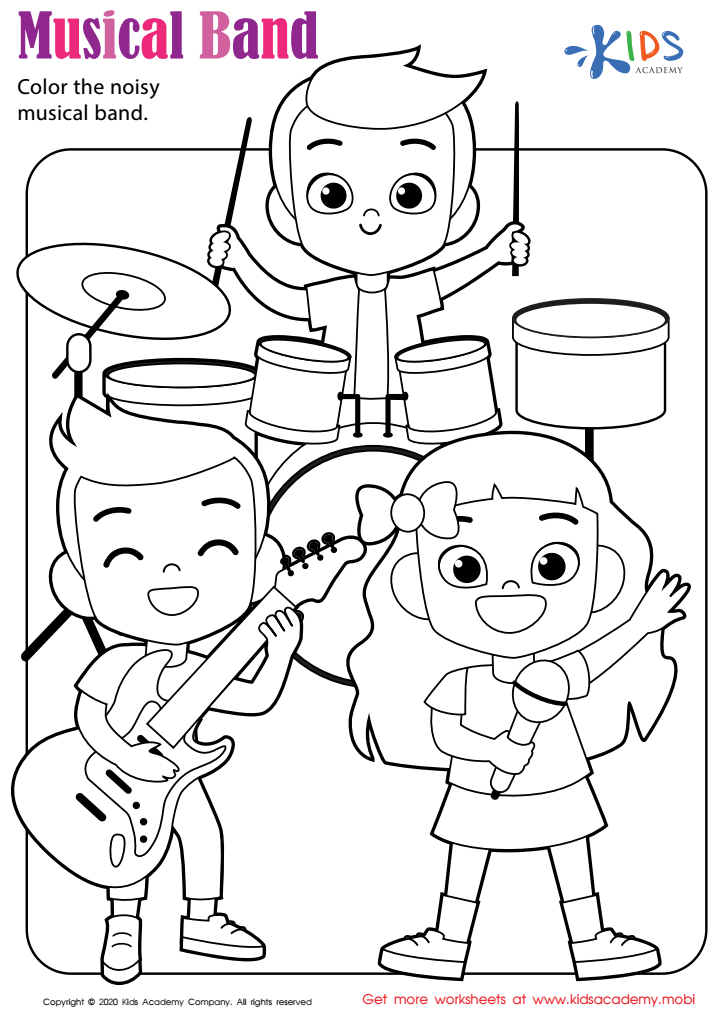
Musical Band Worksheet
 Assign to My Students
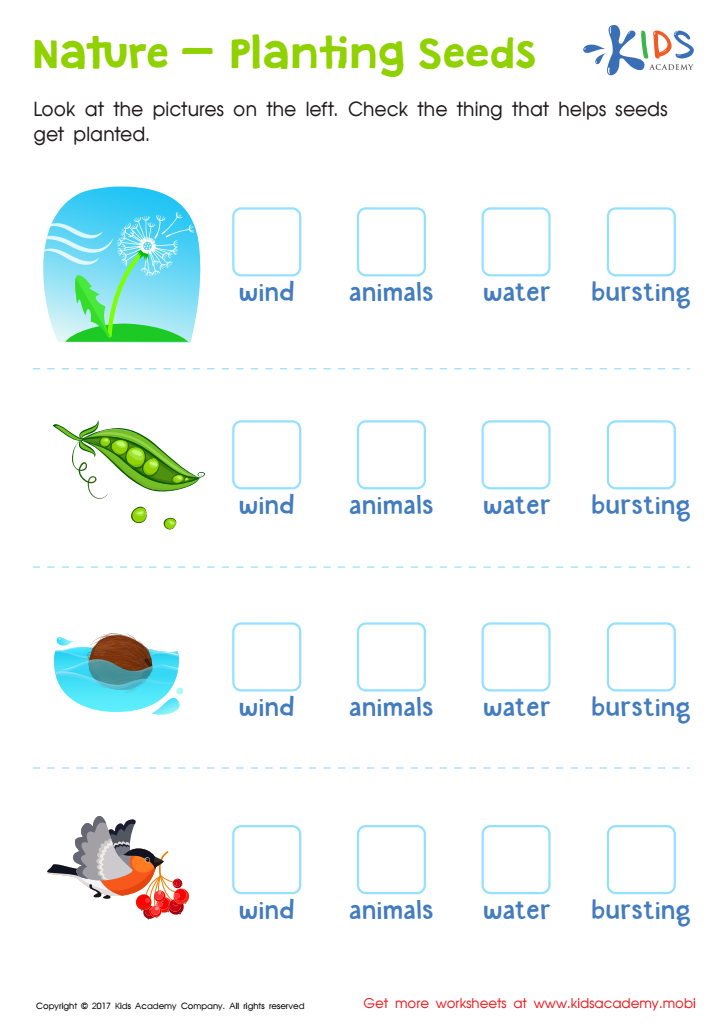
Nature Planting Seeds Worksheet
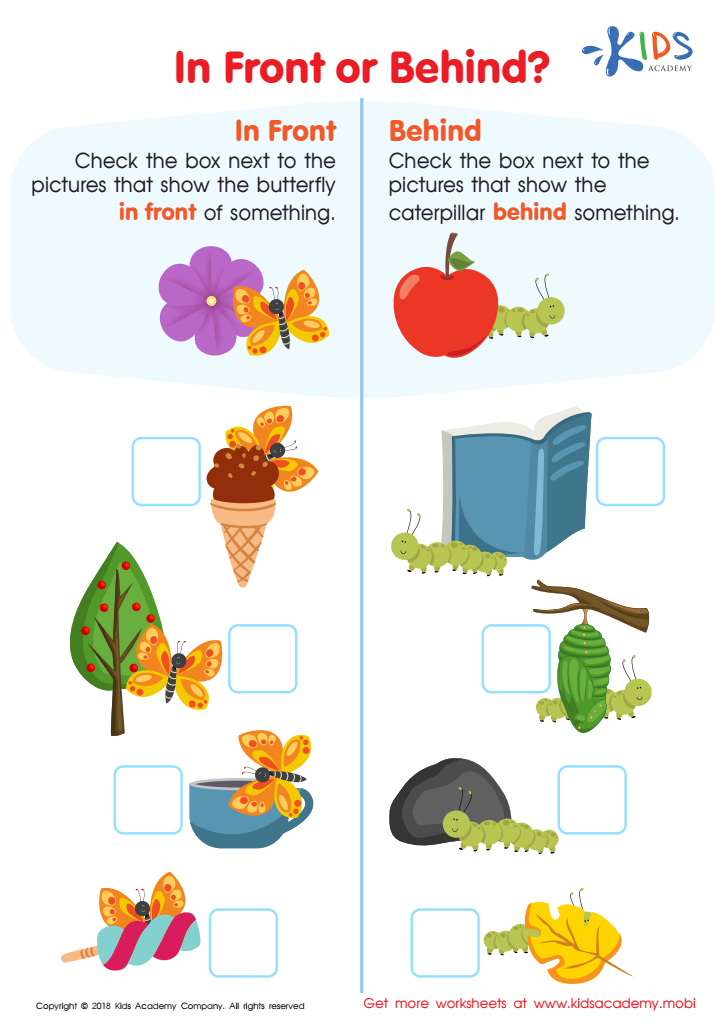
In Front or Behind Worksheet
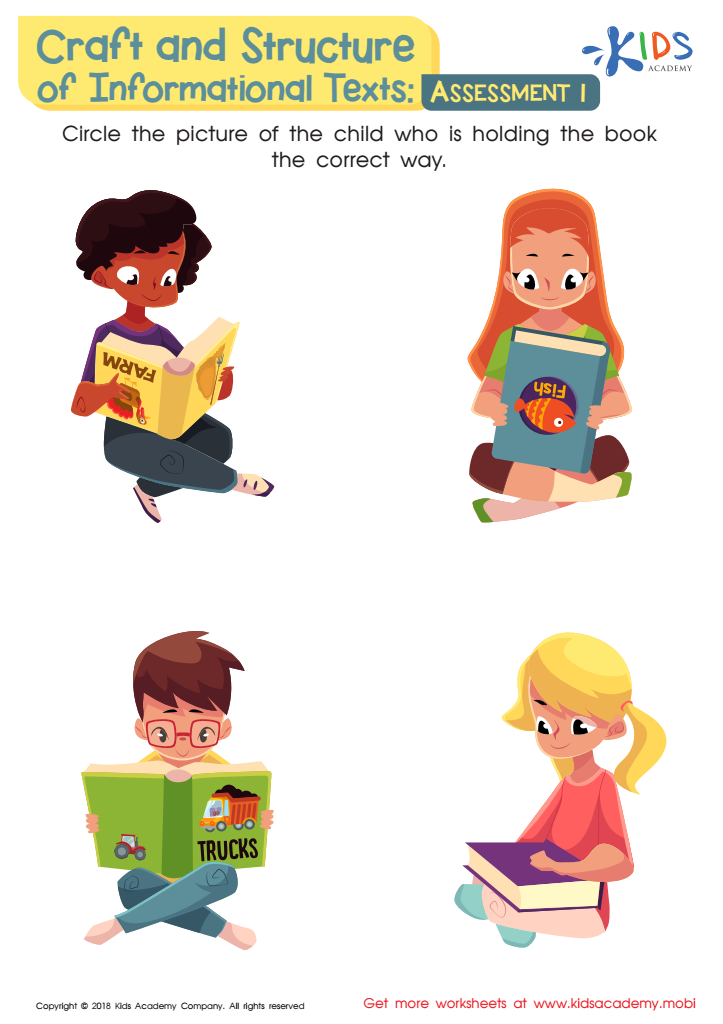
Craft and Structure of Informational Texts: Assessment 1 Worksheet

Turkey Thanksgiving Day Worksheet
Assign to My Students
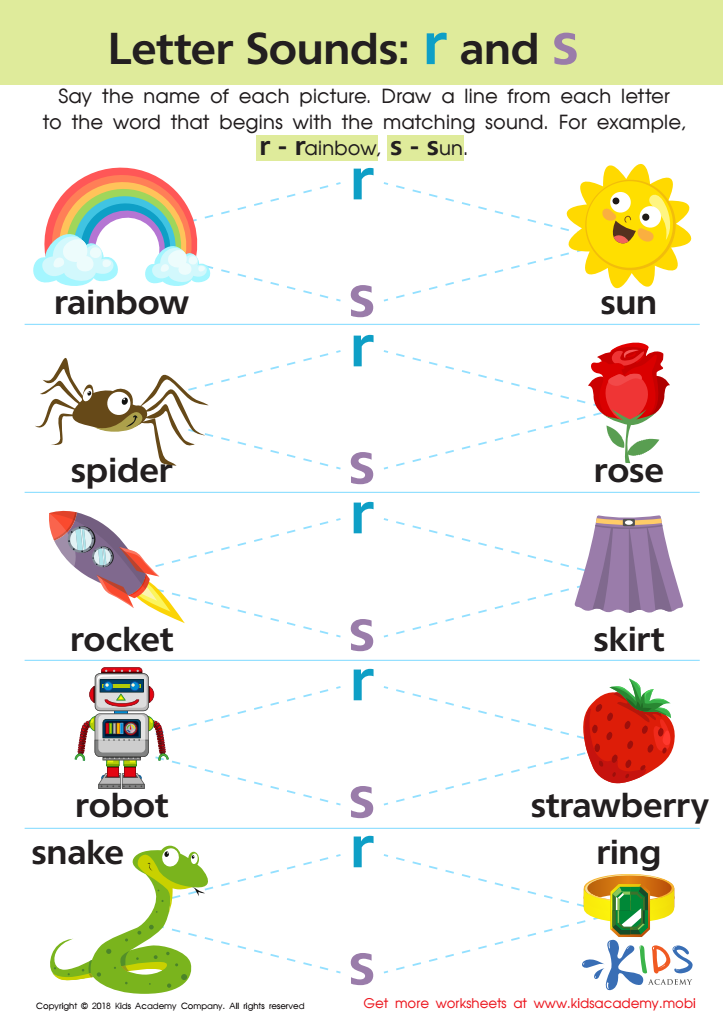
Letter R and S Sounds Worksheet
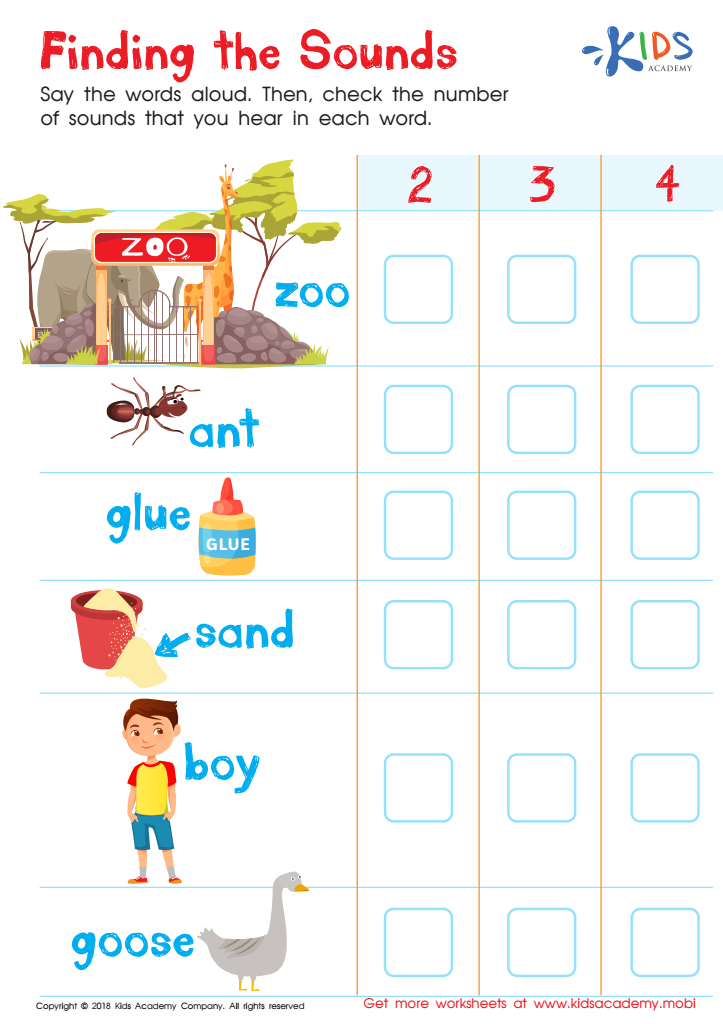
Finding the Sounds Worksheet
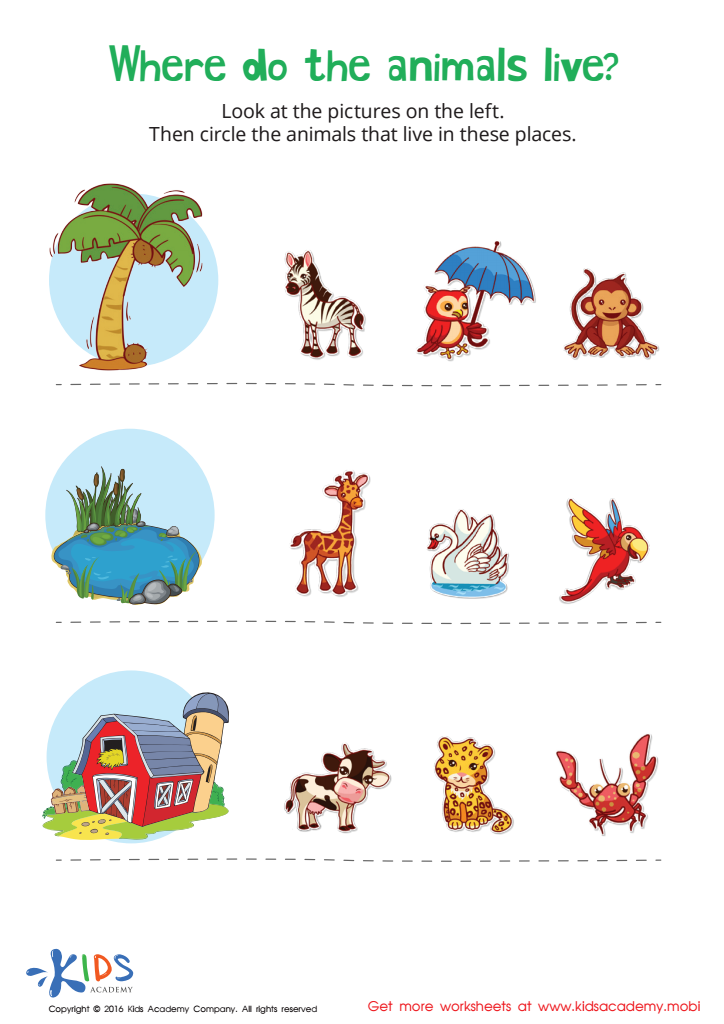
Where Animals Live Worksheet
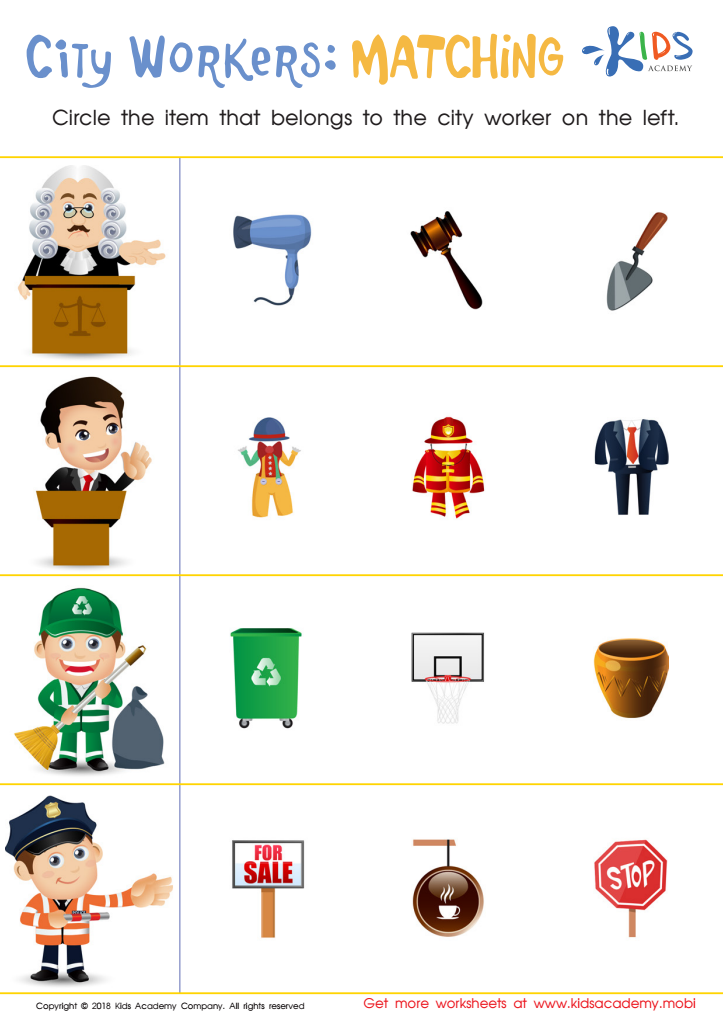
City Workers: Matching Worksheet
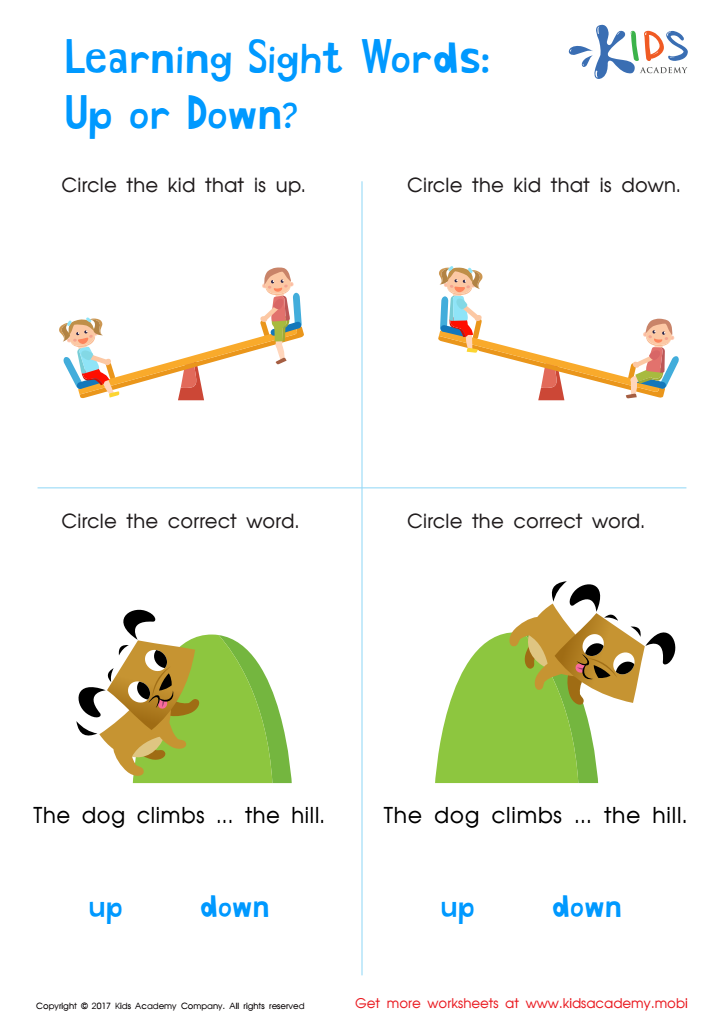
Up or Down Printable Sight Words Worksheet
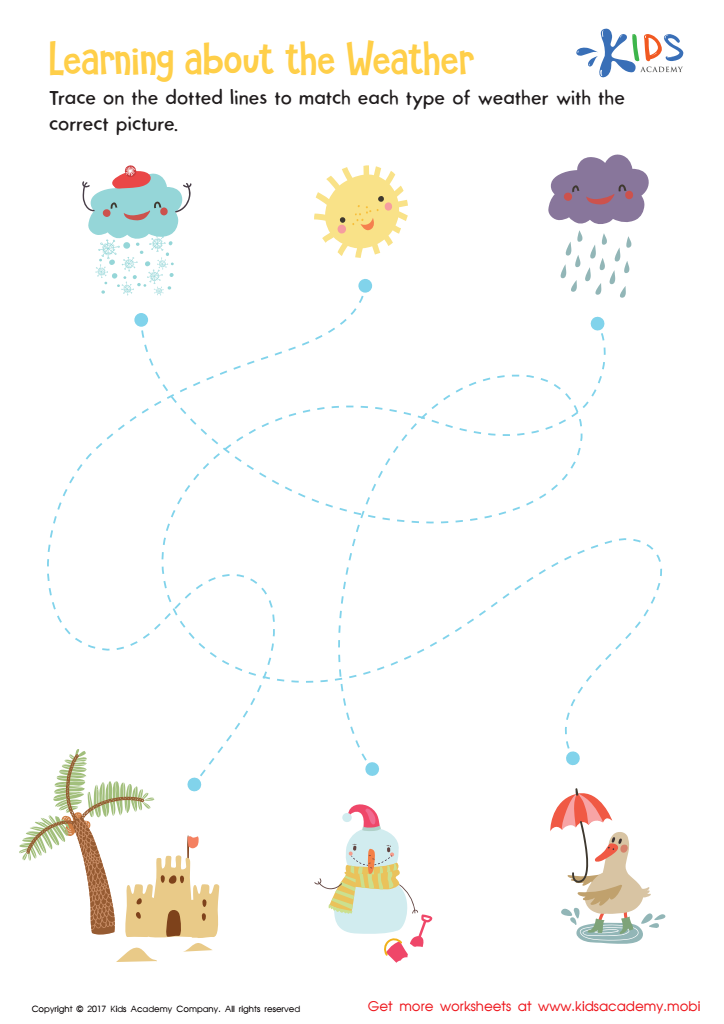
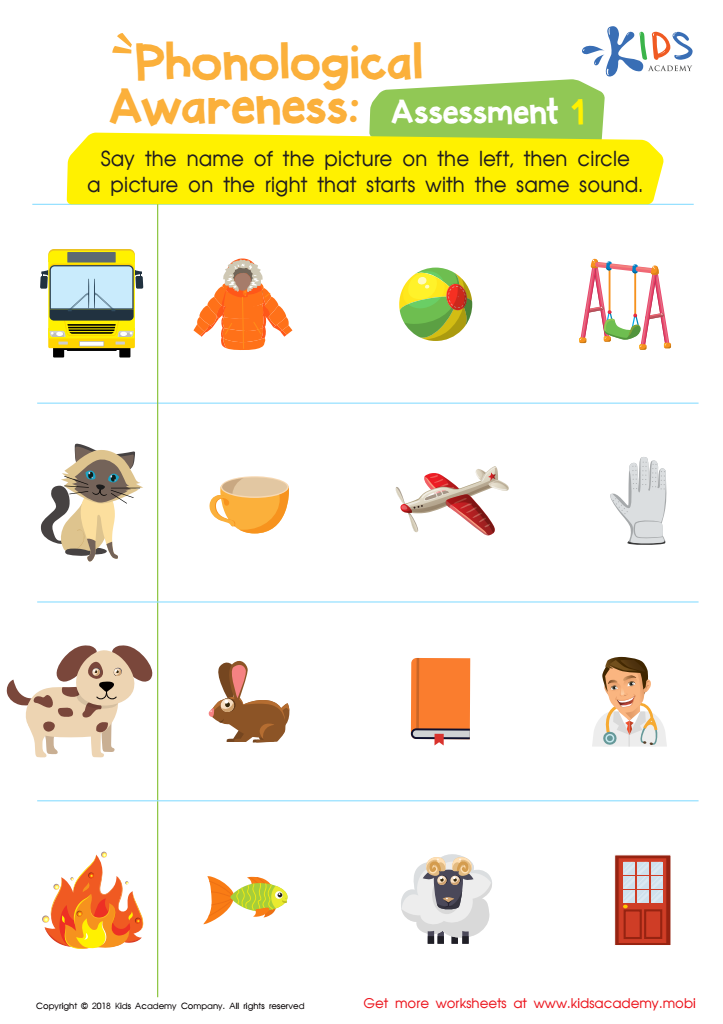
Phonological Awareness: Assessment 1 Worksheet
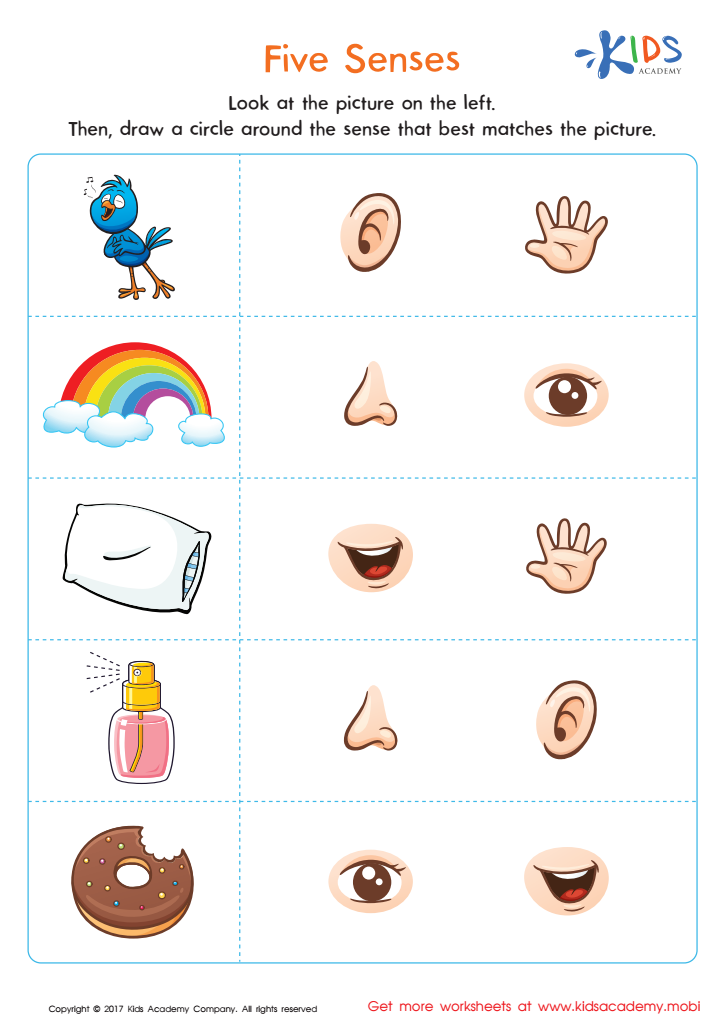
Five Senses Printable
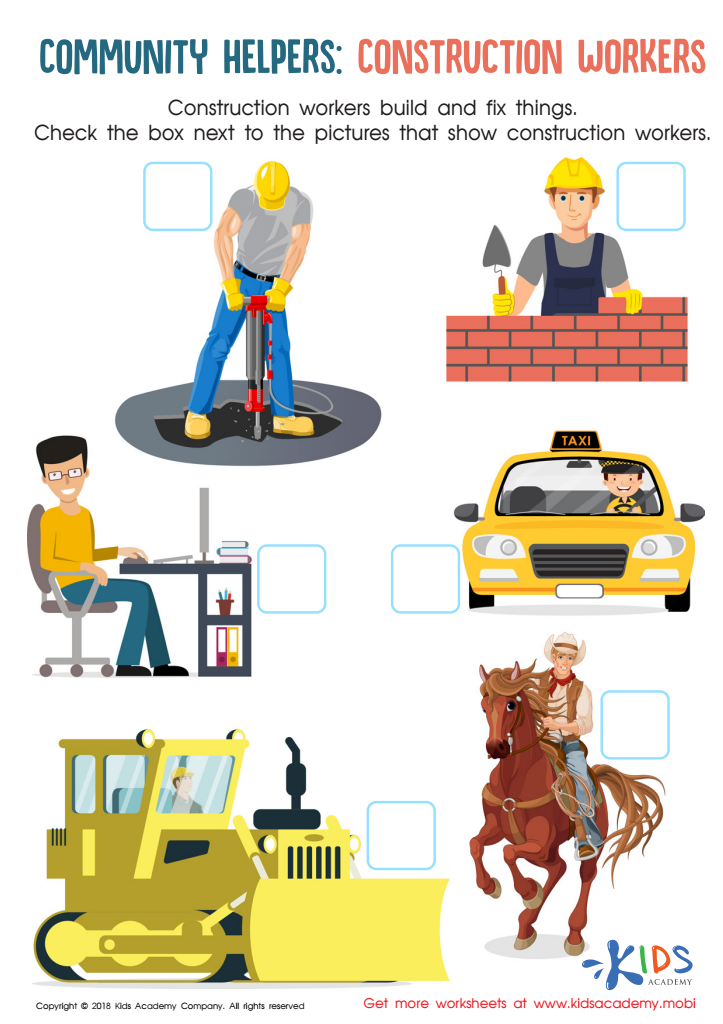
Construction Workers Community Helpers Worksheet
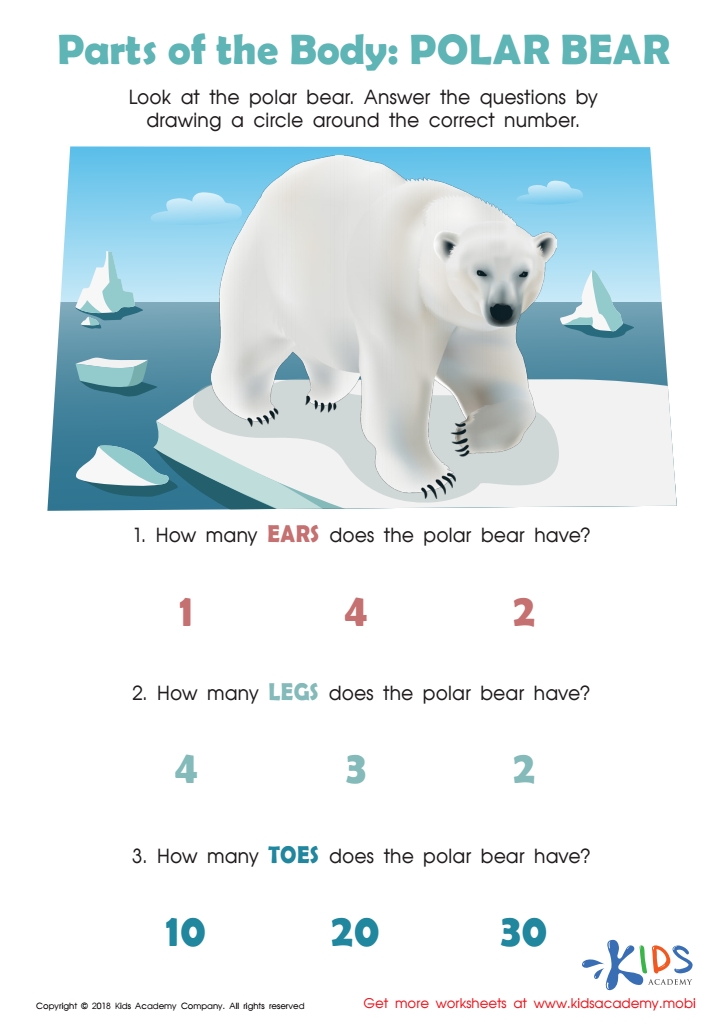
Parts of the Body: Polar Body Worksheet
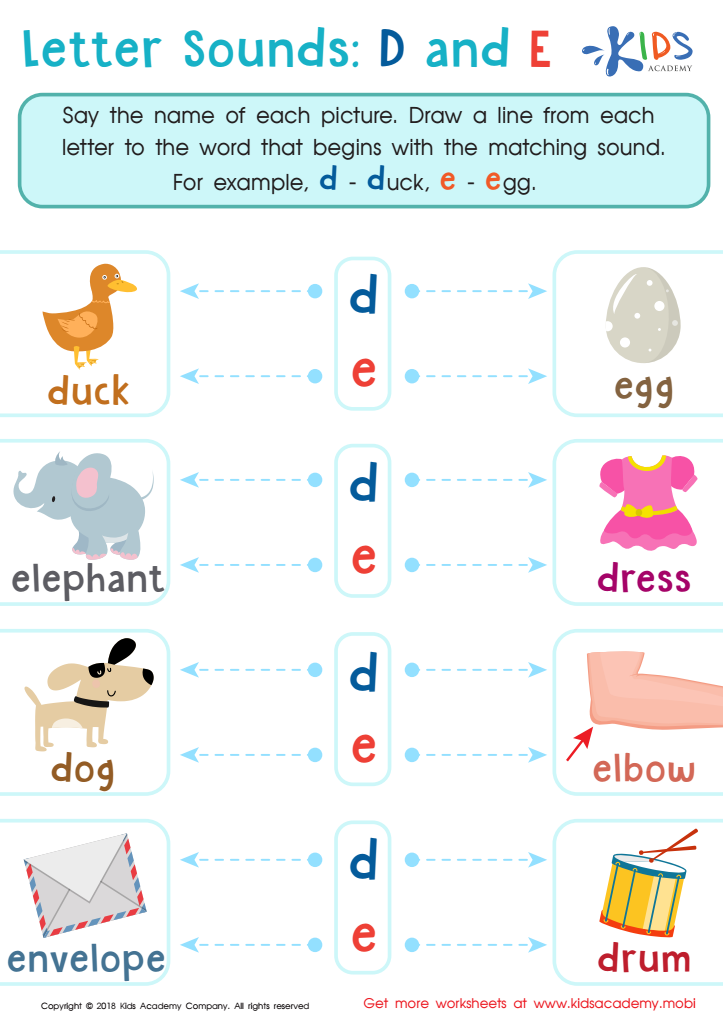
Letter D and E Sounds Worksheet








Vocabulary development is crucial for children aged 4-6 because it's a foundational period where language skills begin to flourish, setting the stage for future academic and social success. At this age, children rapidly acquire new words, and a rich vocabulary helps enhance their ability to express thoughts, emotions, and ideas more clearly and effectively. A strong vocabulary is also tightly linked to reading comprehension. Children who understand more words can make better sense of what they read, which fosters a love for reading and encourages lifelong learning.
Moreover, developing a good vocabulary supports cognitive abilities such as memory, attention, and problem-solving. It engages children in more complex conversations, wherein they can ask questions, explore their environment, and make connections to new concepts. By becoming more articulate, children develop greater confidence and self-esteem in their early formative years.
For parents, engaging in frequent, meaningful conversations, reading together, and introducing new words through playful interaction can do wonders. For teachers, incorporating vocabulary-building activities through stories, songs, and games in the curriculum can help promote a rich language environment. Investing time and effort in vocabulary development now can yield substantial long-term educational and emotional benefits, helping children excel in both school and life.








