Basic Arithmetic Normal Addition & Subtraction Worksheets for Ages 4-6
6 filtered results
-
From - To
Welcome to our "Basic Arithmetic Normal Addition & Subtraction Worksheets for Ages 4-6"! Designed specifically for preschool and early elementary learners, these engaging worksheets introduce fundamental math concepts through fun activities. With colorful illustrations and age-appropriate exercises, children can practice essential addition and subtraction skills in an enjoyable way. Each worksheet aims to build confidence while enhancing number recognition and basic problem-solving abilities. Parents and educators can effortlessly print these resources to foster a love for math and support early learning. Start your child's mathematical journey today with our interactive and educational worksheets, perfect for nurturing little math enthusiasts!
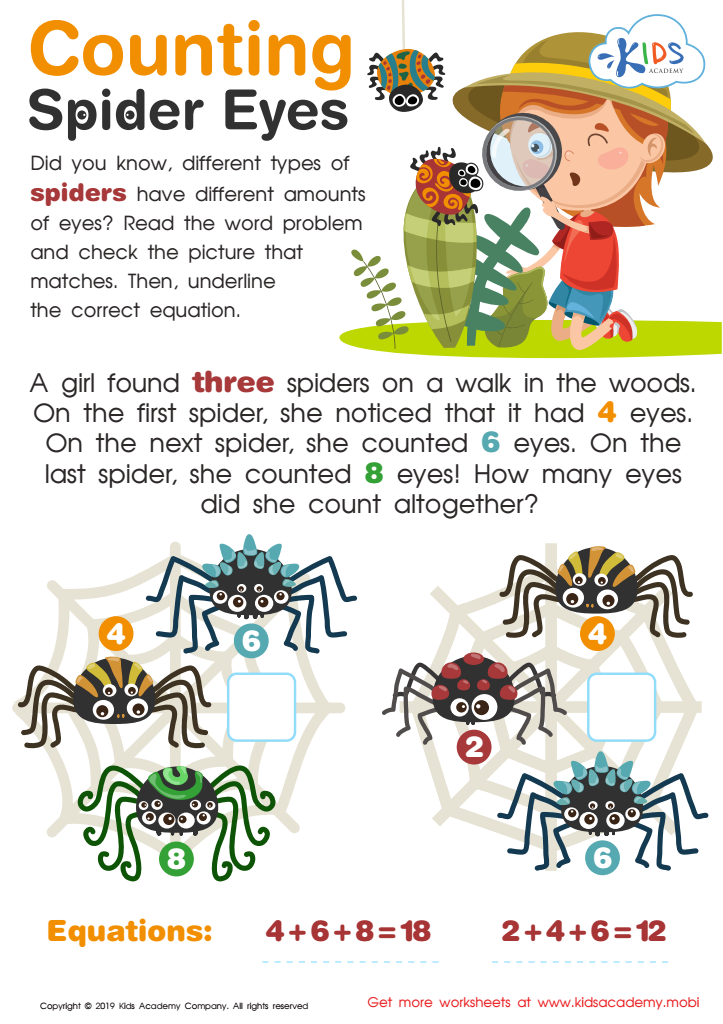
Counting Spider Eyes Worksheet
 Assign to My Students
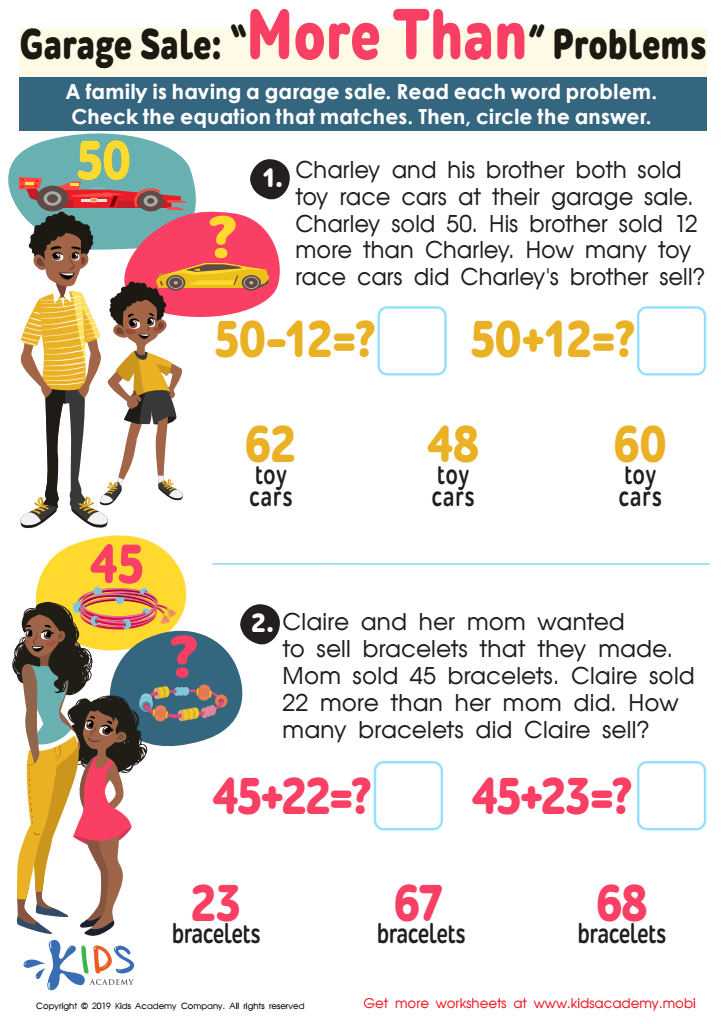
Garage Sale - More yhan Worksheet
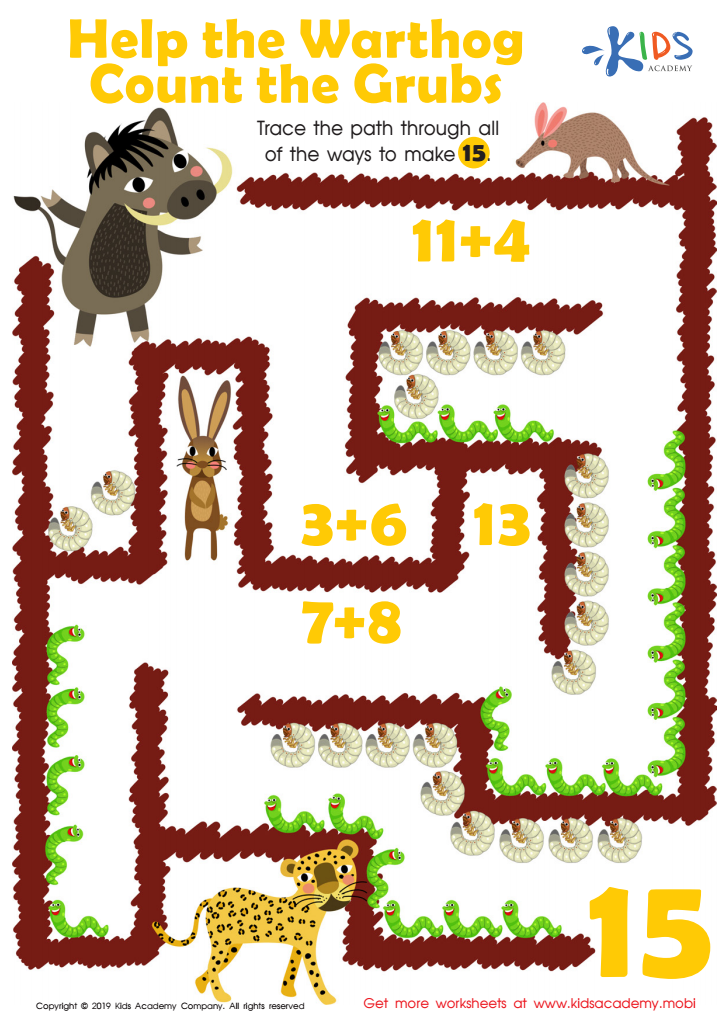
Help the Warthog Count the Grubs Worksheet
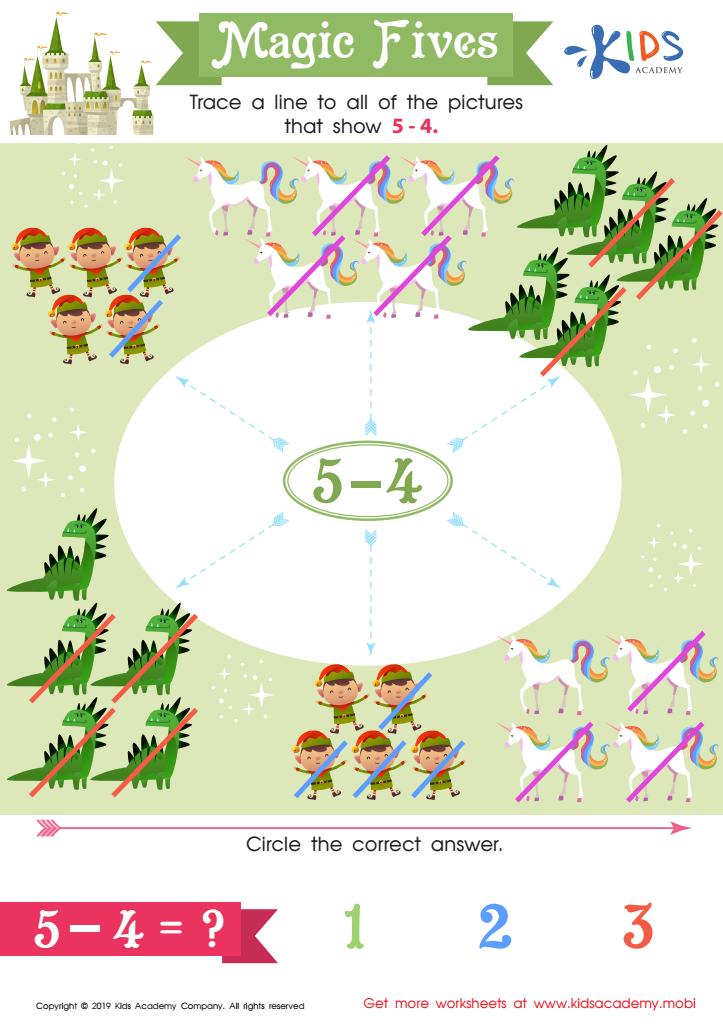
Magic Fives Worksheet
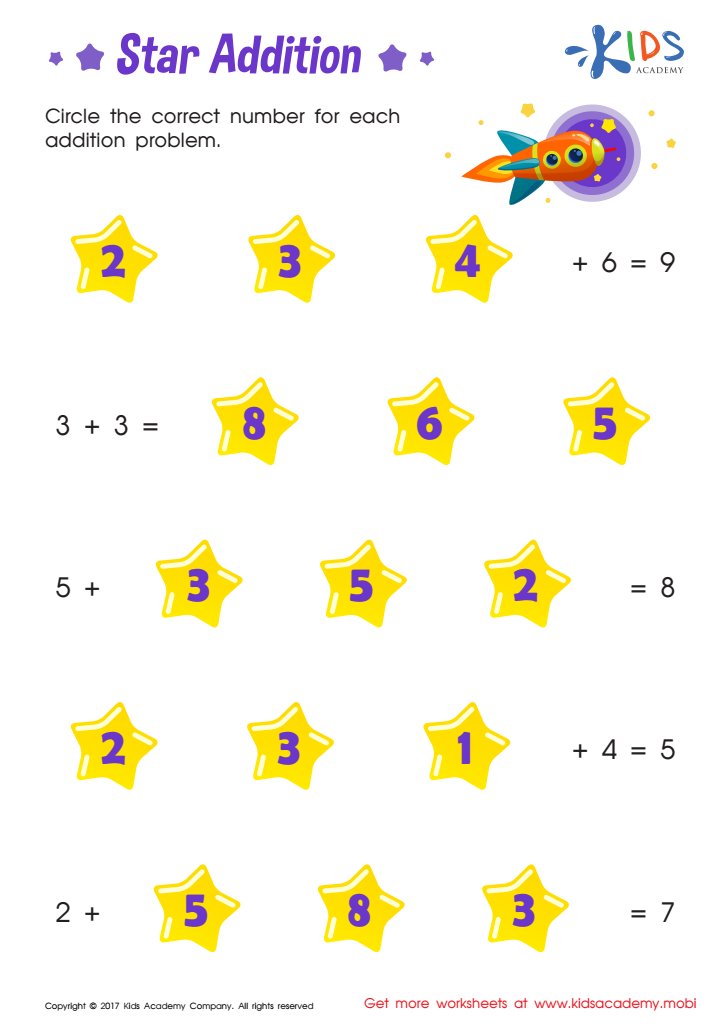
Star Addition Printable
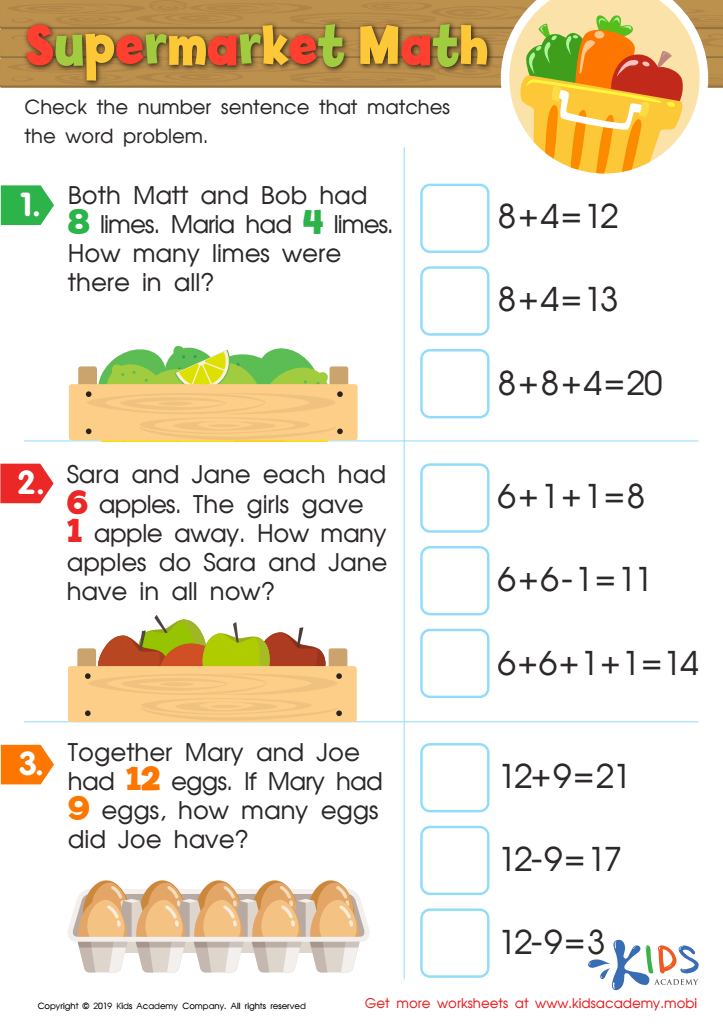
Supermarket Math Worksheet








Basic arithmetic, specifically normal addition and subtraction, is a foundational skill that significantly impacts a child's cognitive development and future academic success. At ages 4-6, children are in a critical stage of learning where they grasp essential mathematical concepts that pave the way for more complex problem-solving in later years. Understanding these operations promotes number sense, which helps them make sense of math in everyday scenarios.
When parents and teachers emphasize basic addition and subtraction, they enhance children's ability to think logically and strategically. These skills cultivate critical thinking, allowing children to approach problems creatively and gain confidence in their abilities. Furthermore, mastering these basic concepts encourages a positive attitude towards math, reducing the anxiety often associated with the subject as they grow older.
In addition, early exposure to math concepts fosters language development as children learn to articulate their thought processes and solutions, bridging both linguistic and numerical competencies. Together, parents and teachers play a vital role in providing an engaging and supportive learning environment that elevates children's interest in numbers and lays a strong foundation for lifelong learning. Investing time in basic arithmetic not only positions children for academic success but equips them with valuable skills applicable in real-life contexts.








