Enhancing Counting Skills Normal Math Worksheets for Ages 4-6
7 filtered results
-
From - To
Explore our "Enhancing Counting Skills" normal math worksheets designed for children aged 4-6. These engaging, printable resources aim to boost your little learners' counting abilities through fun and interactive exercises. Each worksheet is crafted to develop numerical understanding, promote fine motor skills, and encourage problem-solving through colorful illustrations. With various activities including counting objects, matching numbers, and simple addition, these worksheets provide a solid foundation for early math education. Perfect for classrooms or at-home learning, our materials are a great way to nurture a love for math while ensuring your child gains confidence in their counting skills. Start enhancing their learning journey today!
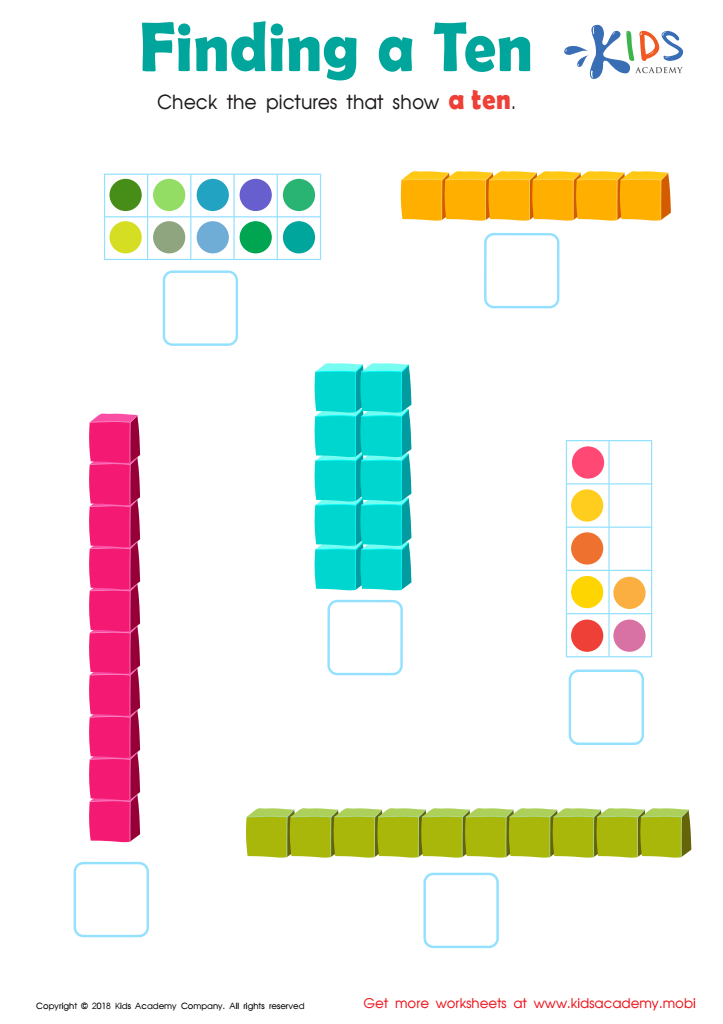
Finding a Ten Worksheet
 Assign to My Students
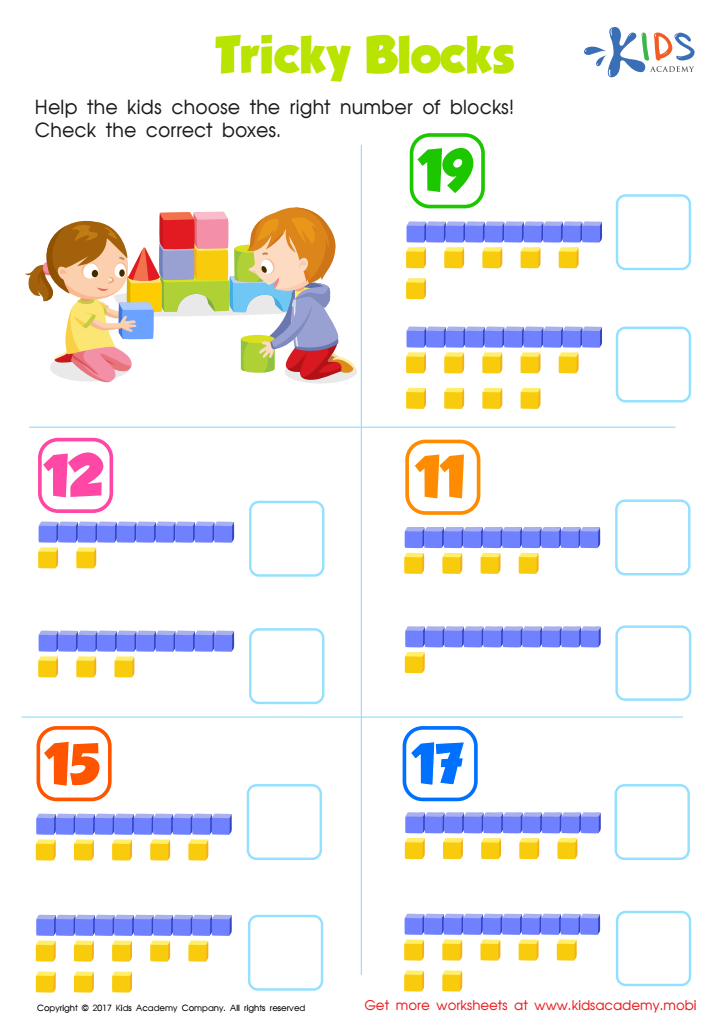
Tricky Blocks Worksheet
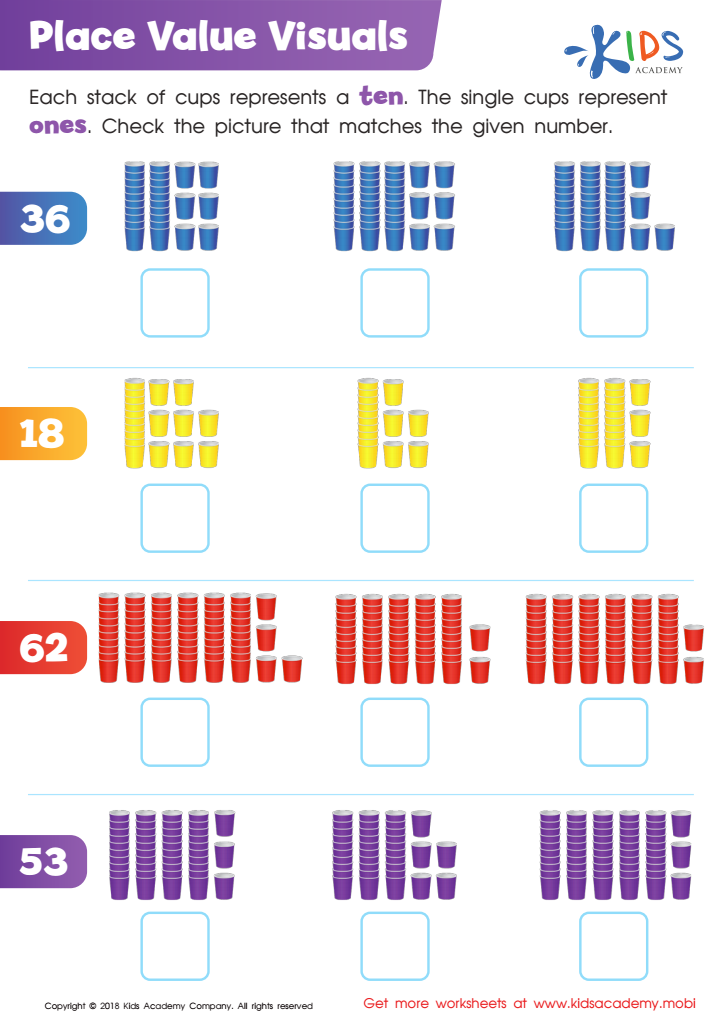
Place Value Visuals Worksheet
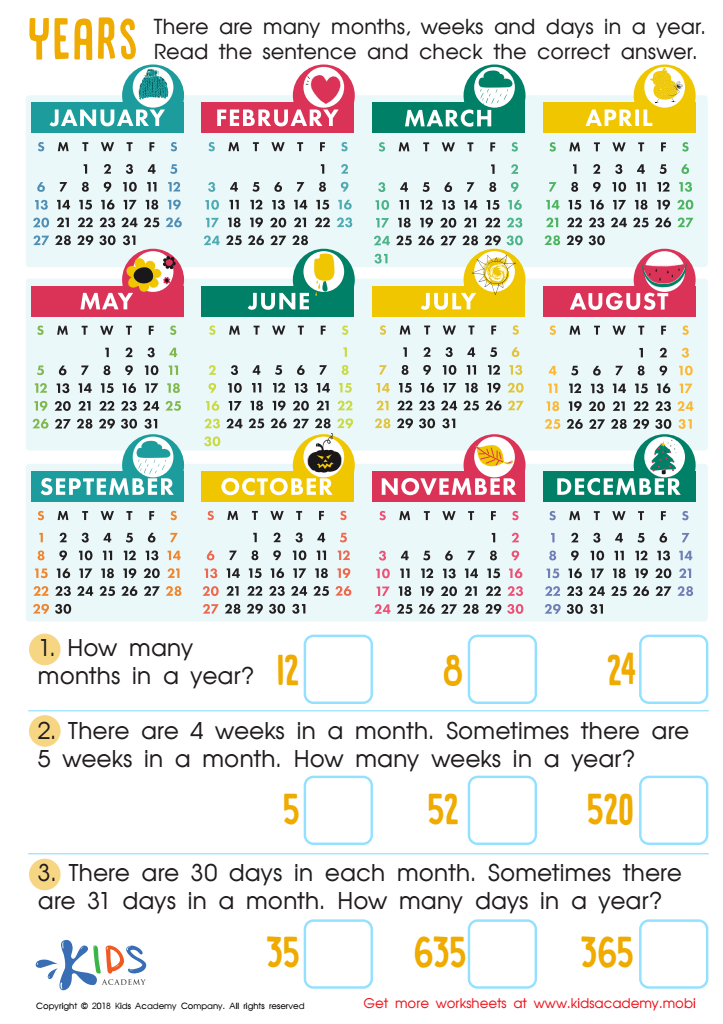
Years Worksheet
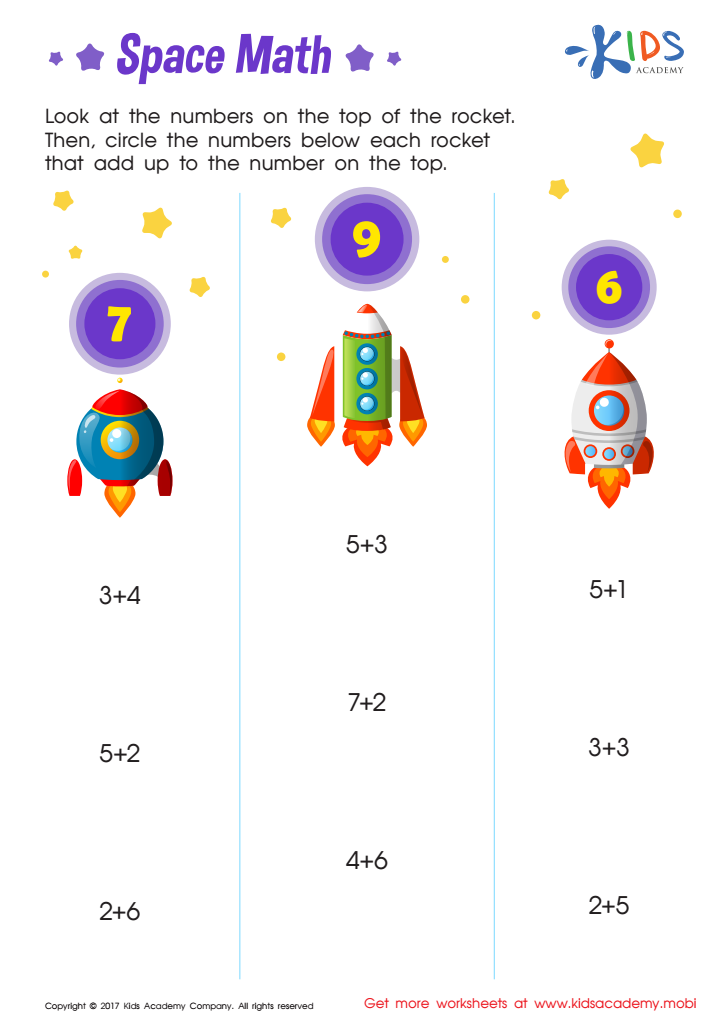
Addition: Space Math Worksheet
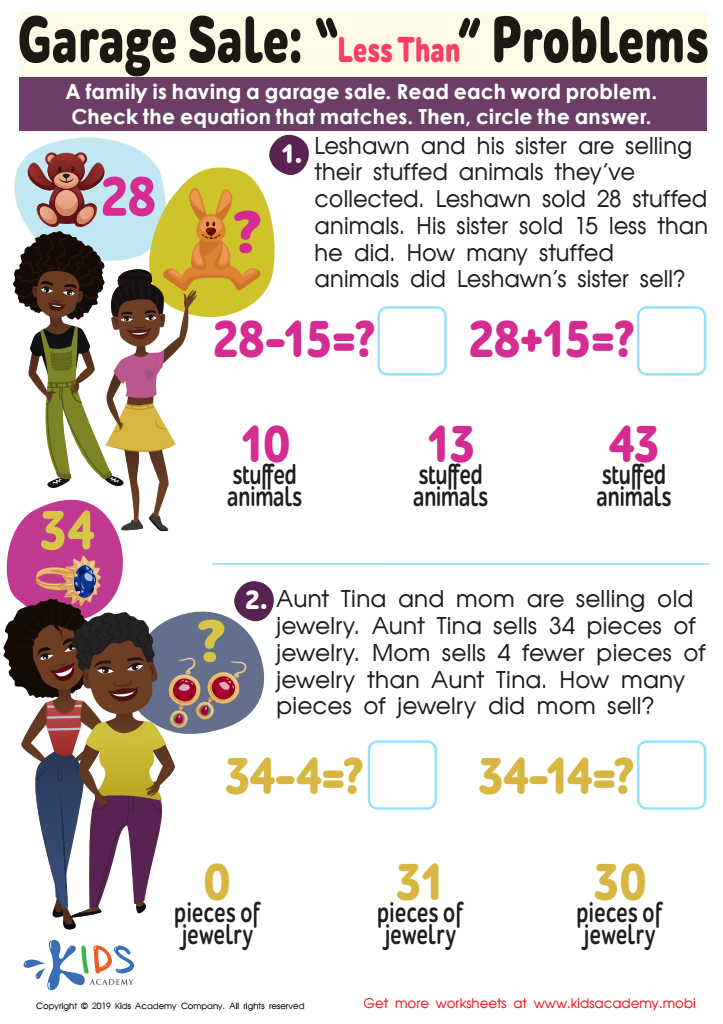
Garage Sale Less Than Worksheet
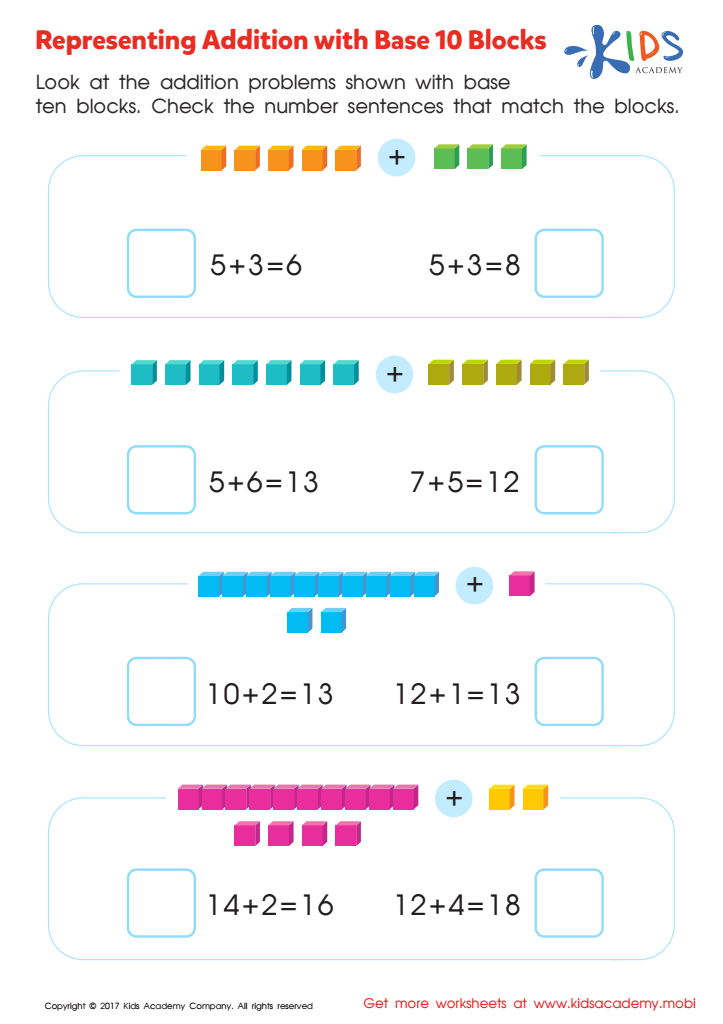
Representing Addition with Base 10 Blocks Worksheet



.jpg)



Enhancing counting skills in children aged 4-6 is crucial for their cognitive development and foundational math understanding. At this age, children are like sponges, rapidly absorbing information they encounter in their environment. Developing strong counting skills aids in number recognition, problem-solving, and analytical thinking, which are essential for their future academic success.
When parents and teachers engage children in activities that promote counting, such as counting objects during playtime, reading number-focused books, or integrating numbers into everyday activities, they create a supportive learning environment that stimulates curiosity and cognitive growth. Mastery of counting sets the stage for more complex mathematical concepts like addition, subtraction, and patterns, allowing children to build confidence and proficiency in math as they advance in school.
Moreover, counting activities offer opportunities for social interaction, fostering teamwork and communication skills. Parents and teachers become integral partners in this learning process, tying in essential concepts with play, which makes learning enjoyable and effective. By prioritizing counting skills, adults enhance children’s overall mathematical literacy, setting a strong foundation for lifelong learning and critical thinking. Encouraging these skills at a young age not only improves academic prospects but also helps children develop positively in other areas of their lives.








