Understanding patterns Normal Math Worksheets for Ages 4-6
5 filtered results
-
From - To
Discover our engaging "Understanding Patterns Normal Math Worksheets" designed for children ages 4-6! These printable resources help young learners grasp the concept of patterns through colorful and interactive activities. With a variety of tasks such as identifying, completing, and creating patterns, these worksheets promote critical thinking and enhance early math skills. Perfect for homeschooling or classroom use, they foster independence and confidence in budding mathematicians. Encourage your child’s love for learning while ensuring they build a solid foundation in mathematics. Start your journey of exploration and growth today with our fun, accessible worksheets tailored to early learners!
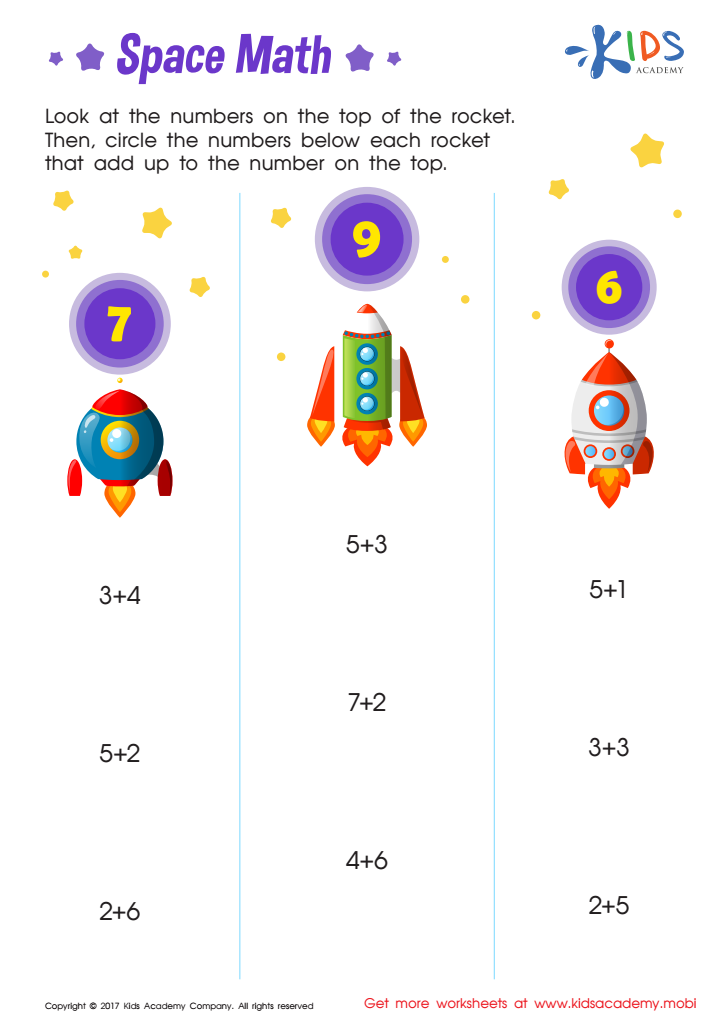
Addition: Space Math Worksheet
 Assign to My Students
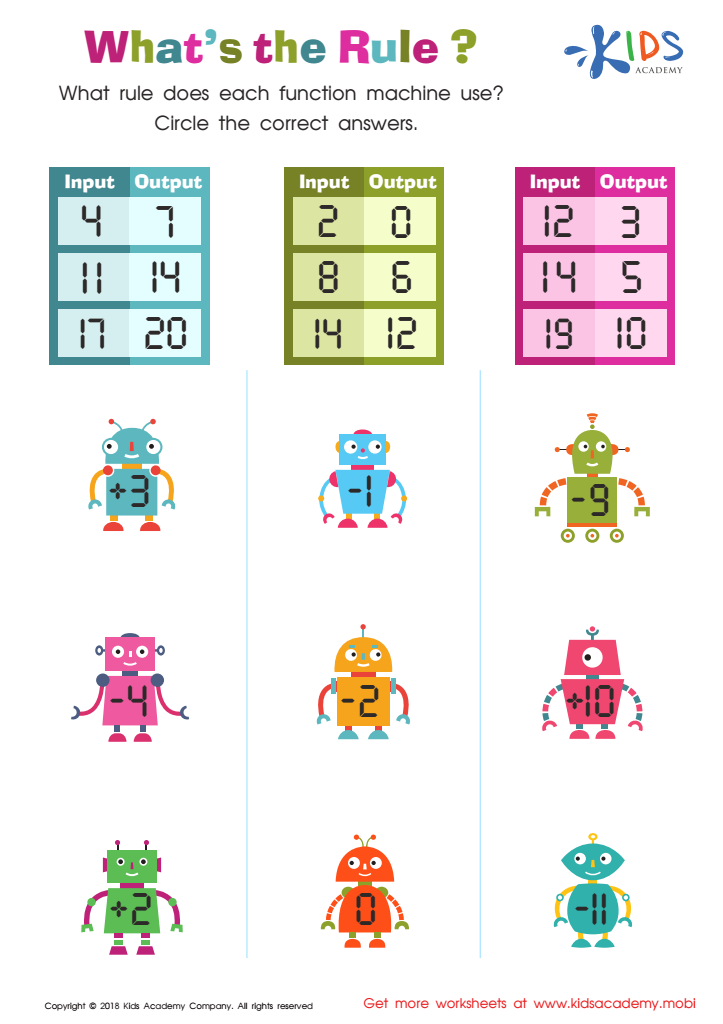
What's the Rule Worksheet
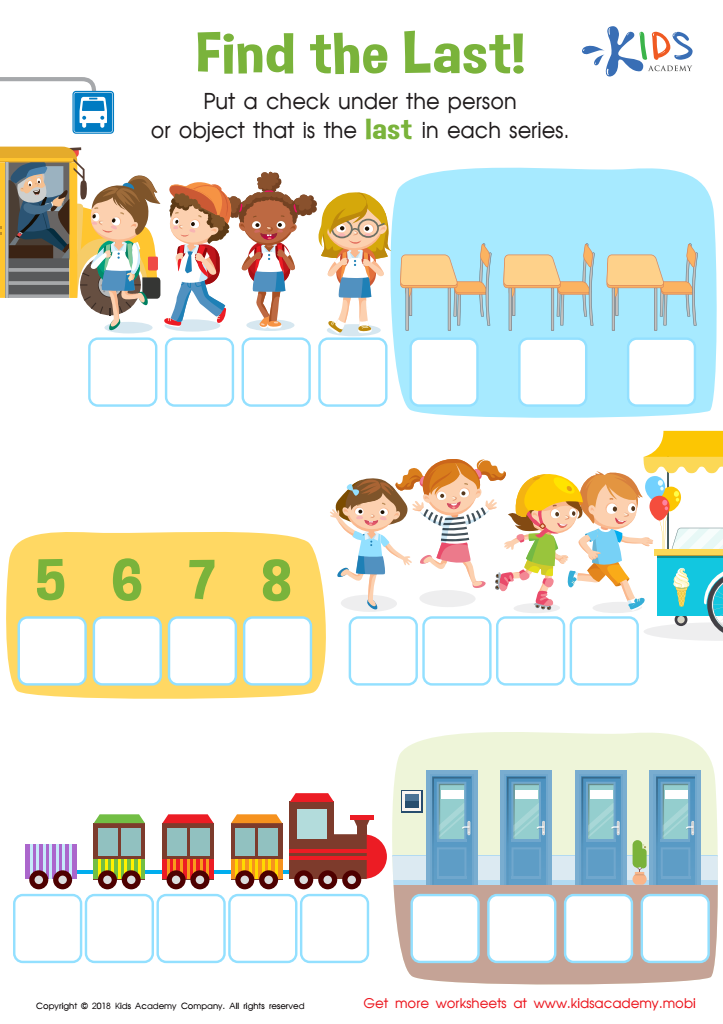
Find the Last! Worksheet
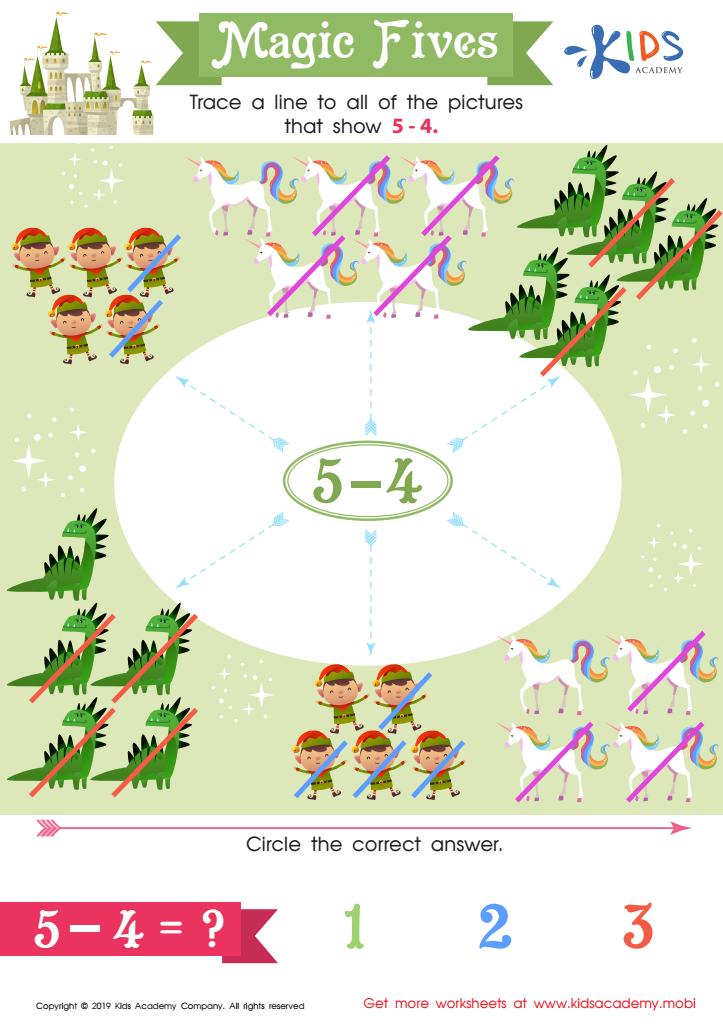
Magic Fives Worksheet
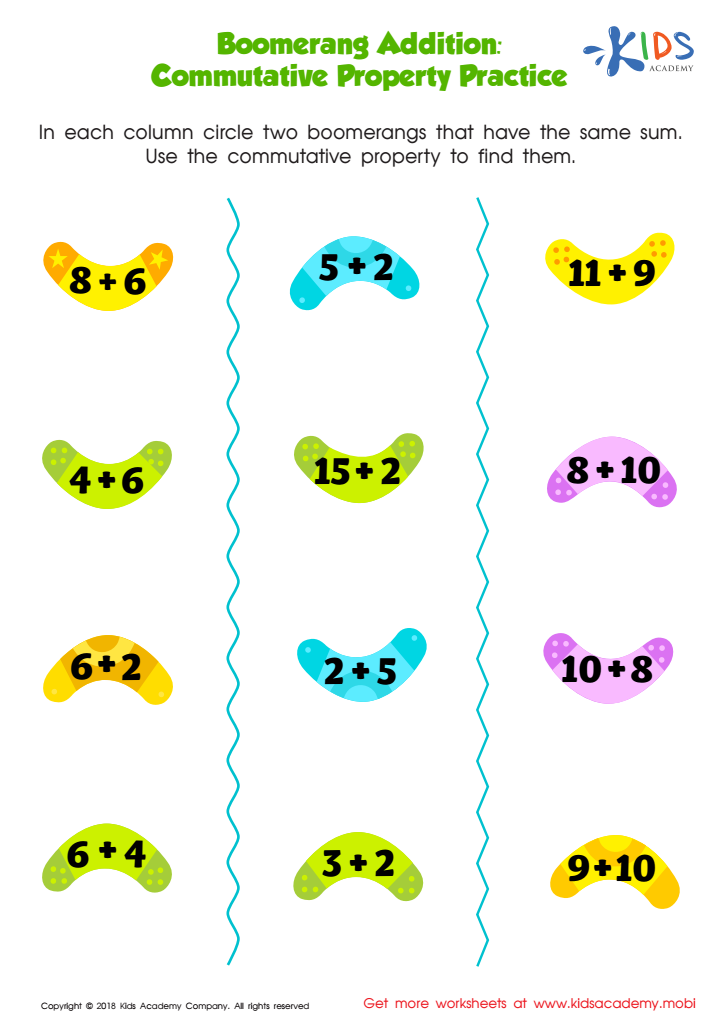
Boomerang Addition Worksheet








Understanding patterns in mathematics is essential for young learners aged 4-6, as it lays the foundation for more advanced mathematical concepts in later years. By recognizing and creating patterns, children develop critical thinking skills and enhance their ability to solve problems. Patterns are everywhere—in nature, art, and daily life—making them relatable and engaging for young learners.
Parents and teachers should care about teaching patterns because early exposure fosters mathematical reasoning. When children identify patterns, they improve their ability to predict outcomes, which supports their skills in sequencing and categorization. Furthermore, recognizing patterns helps with understanding the concept of algorithms in future math curriculum.
Early encounters with patterns can also boost cognitive development and language skills. Children learn to describe, analyze, and discuss patterns, integrating math vocabulary and enhancing communication skills. This early engagement not only enriches their math learning experience but also promotes confidence as they explore complex concepts in the future.
Ultimately, understanding patterns serves as a critical stepping stone in a child’s educational journey. Equipping them with this skill set prepares them for successful engagement in mathematics and problem-solving for years to come, making it vital for parents and teachers to prioritize pattern recognition activities.








