Visual discrimination Normal Math Worksheets for Ages 4-6
8 filtered results
-
From - To
Discover our engaging Visual Discrimination Normal Math Worksheets designed specifically for children aged 4 to 6! These worksheets are perfect for helping young learners sharpen their visual skills, which are crucial for recognizing patterns, differences, and similarities in numbers and shapes. By encouraging kids to focus on visual details, these activities not only improve math abilities but also boost critical thinking and observation skills. Each worksheet is colorful and age-appropriate, making learning fun and effective. Ideal for classroom settings or at-home learning, these resources are bound to enhance your child's learning experience. Start building essential math foundations with us today!
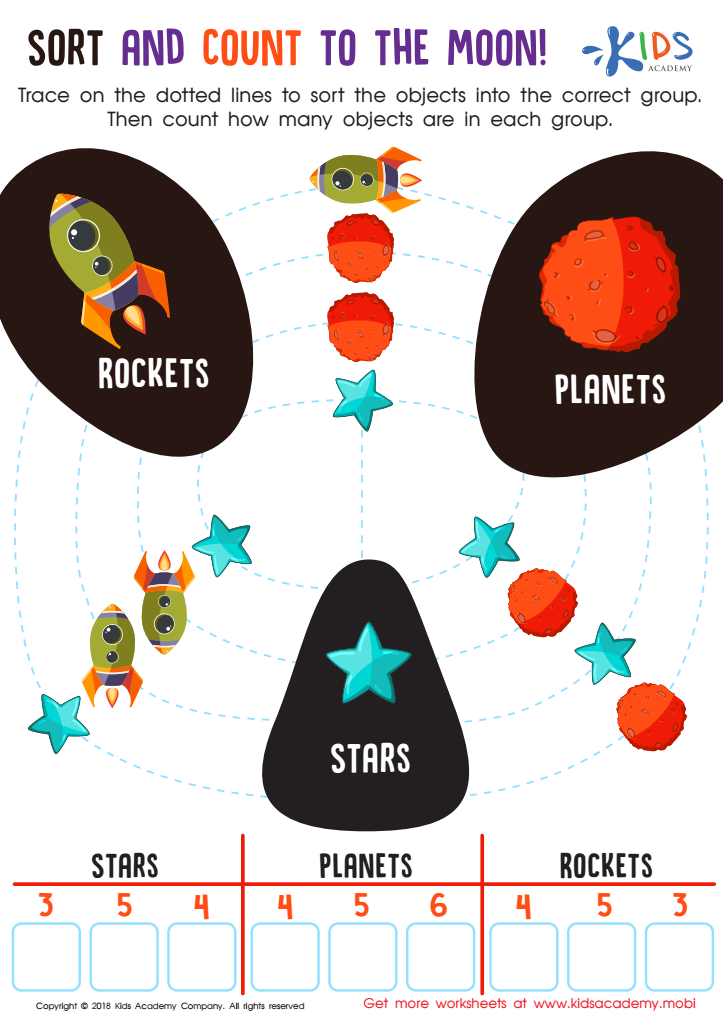
Sort and Count to the Moon Worksheet
 Assign to My Students
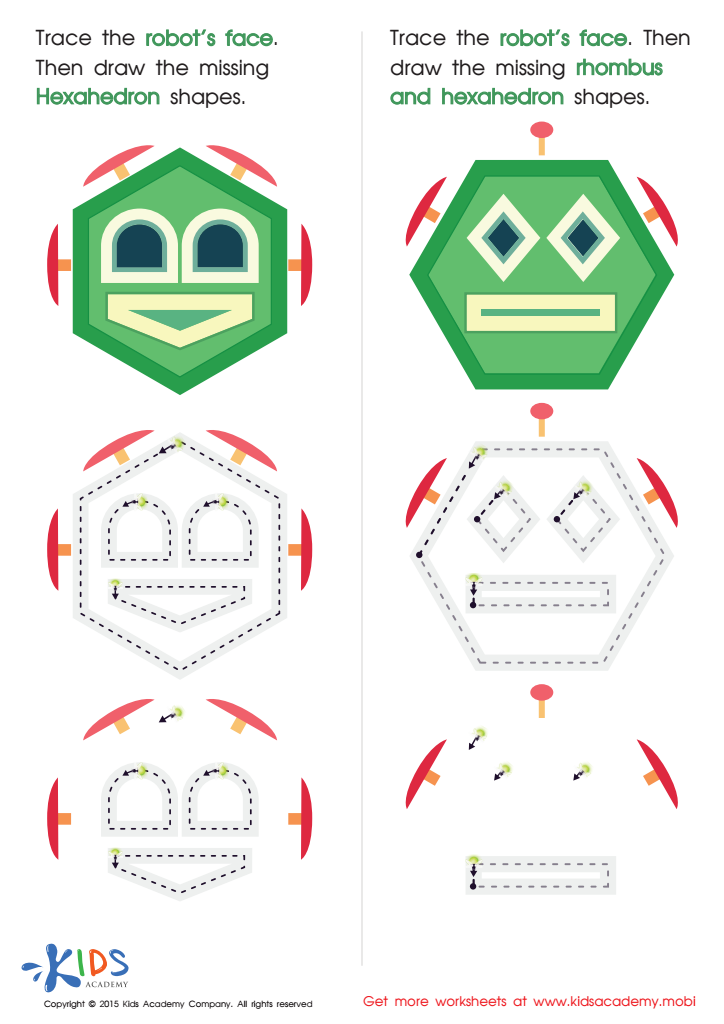
Practice Drawing Hexahedrons And a Rhombus Worksheet
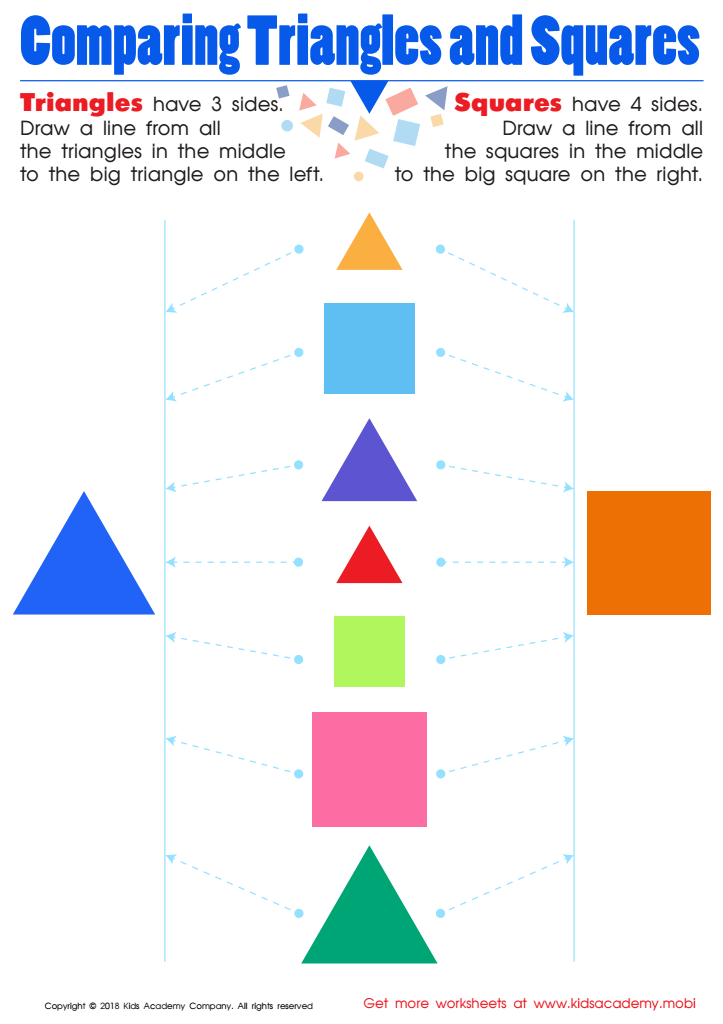
Comparing Triangles Squares Worksheet
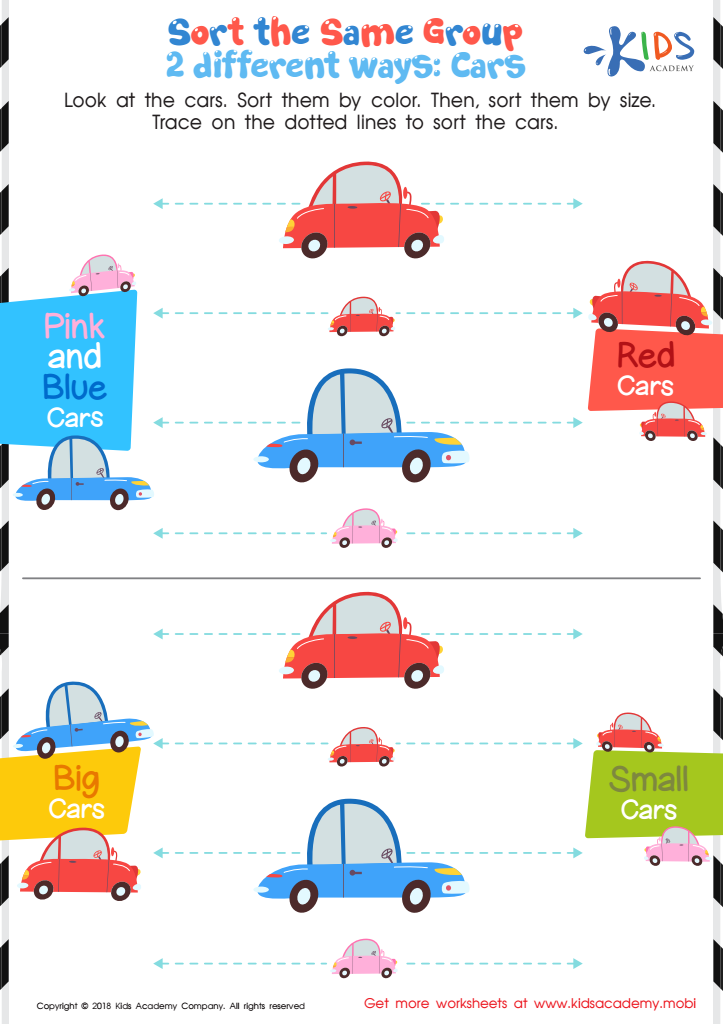
Sort the Same Group 2 Different Ways: Cars Worksheet
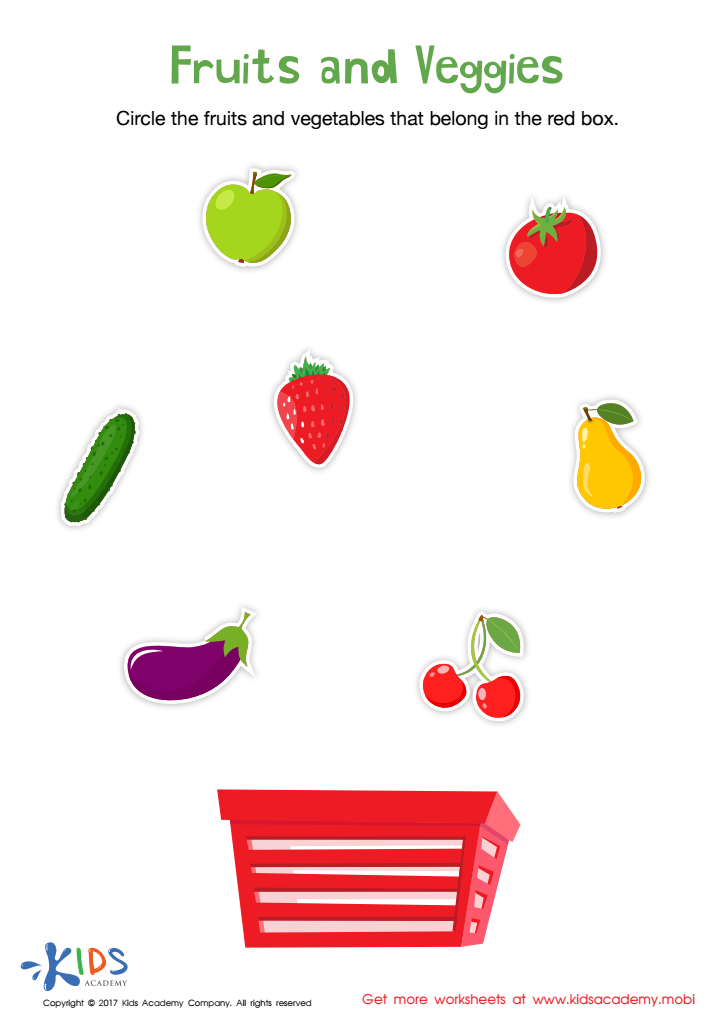
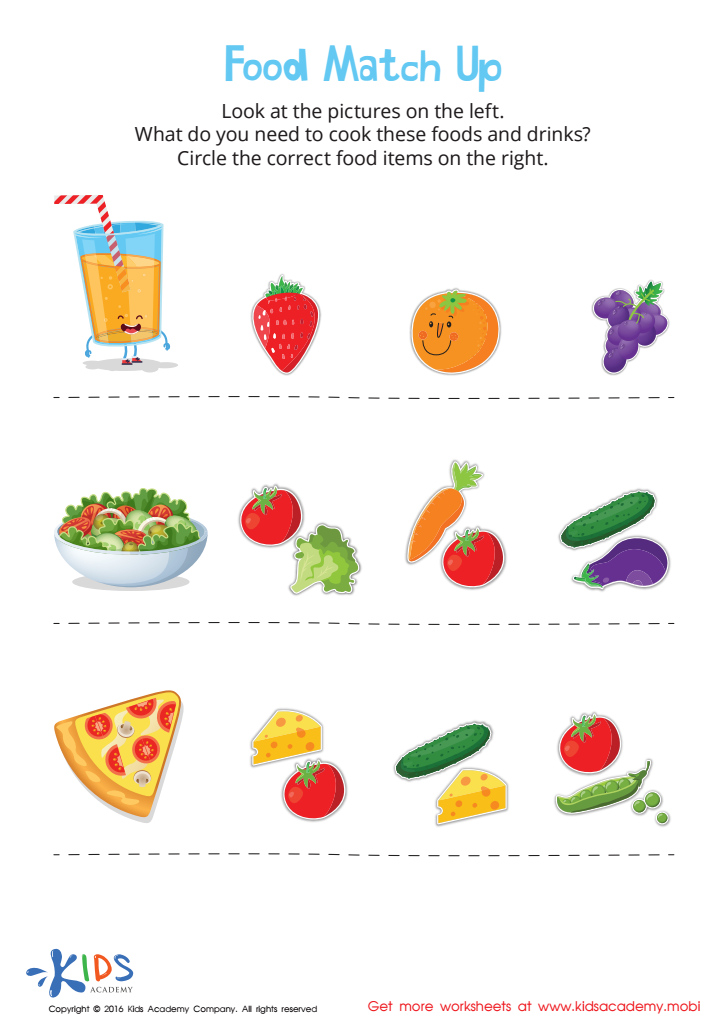
Food Match Up Worksheet
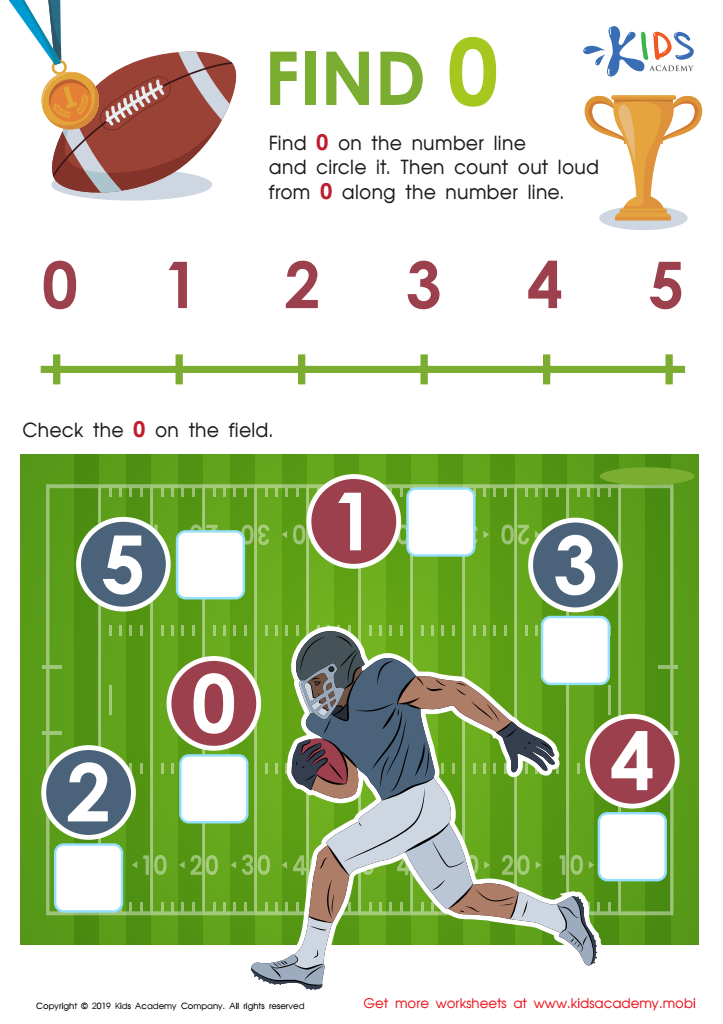
Find 0 Worksheet
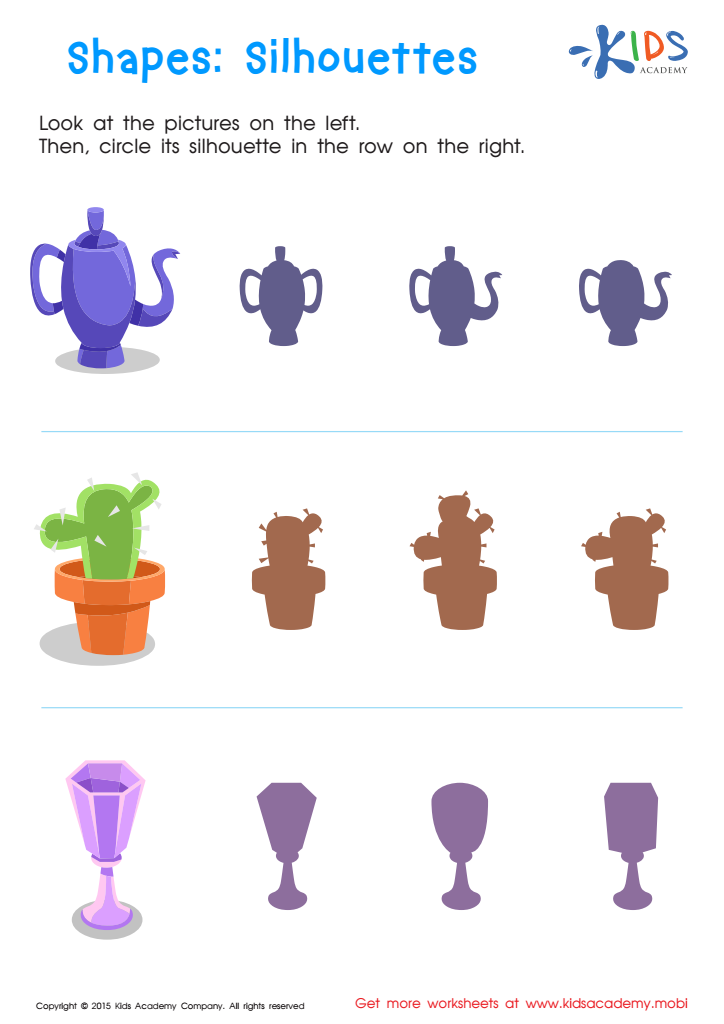
Silhouettes – Shapes Worksheet








Visual discrimination is crucial for children aged 4-6, as it lays the foundation for essential skills in math and academic success. At this developmental stage, children are honing their ability to notice differences and similarities in shapes, sizes, and patterns. This skill directly impacts their understanding of numbers and mathematical concepts.
For parents and teachers, fostering visual discrimination helps children recognize and categorize objects, which is vital in learning to count, sort, and perform basic arithmetic. For example, children must distinguish between similar shapes or quantities when they learn to compare numbers or recognize patterns, foundational concepts that will serve them in all future math endeavors.
Moreover, enhanced visual discrimination supports broader cognitive development, encouraging problem-solving and critical thinking—skills necessary for both math and daily life. Engaging activities, such as puzzles, matching games, and shape sorters, can make these learning experiences enjoyable while reinforcing these critical skills.
By prioritizing visual discrimination in early education, parents and teachers not only set the stage for later mathematical success but also cultivate deeper observational and analytical skills that benefit children across all subjects and in various real-life situations. Engaging young learners in this way ensures a well-rounded educational foundation.








