Reading comprehension Normal Reading Fiction Worksheets for Ages 4-6 - Page 2
43 filtered results
-
From - To
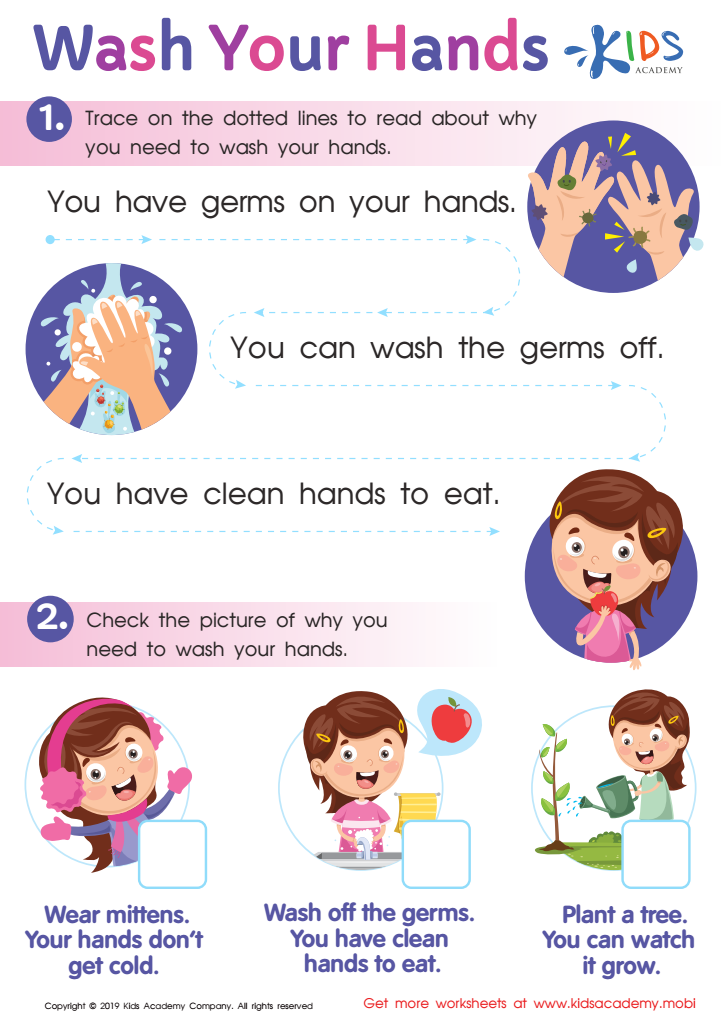
Wash Your Hands Worksheet
 Assign to My Students
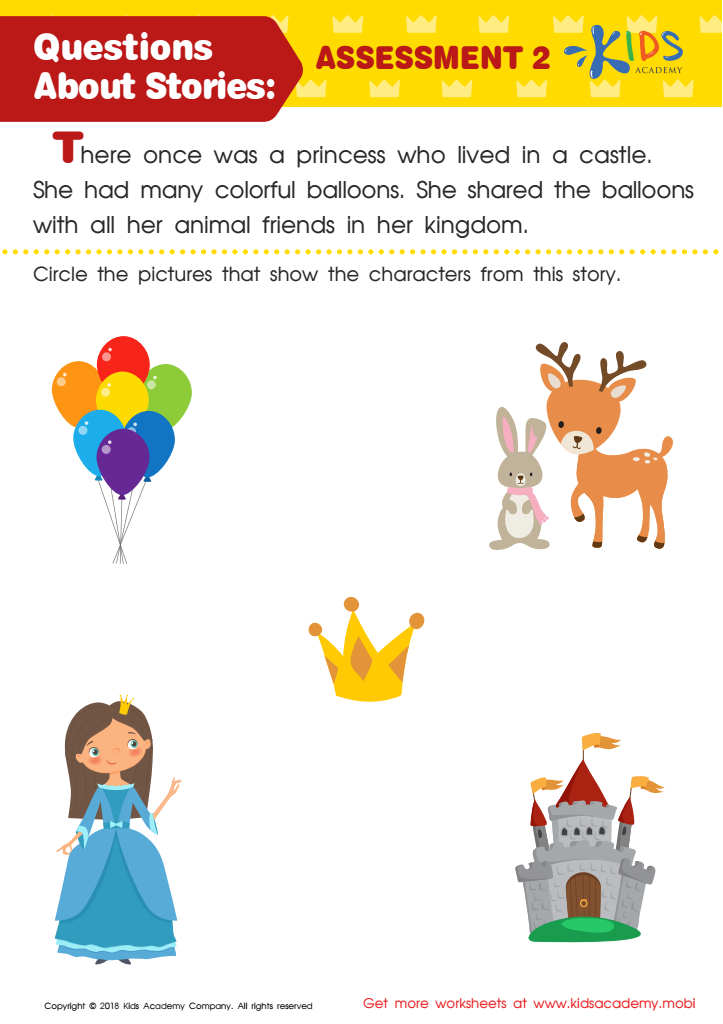
Questions About Stories: Assessment 2 Worksheet
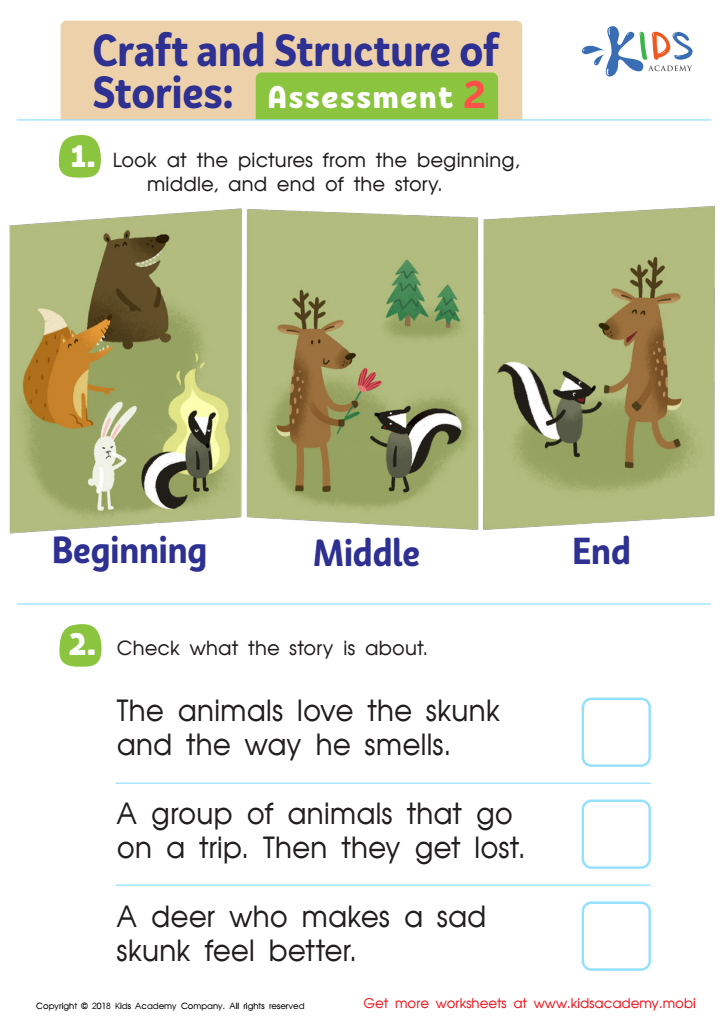
Craft and Structure of Stories: Assessment 2 Worksheet
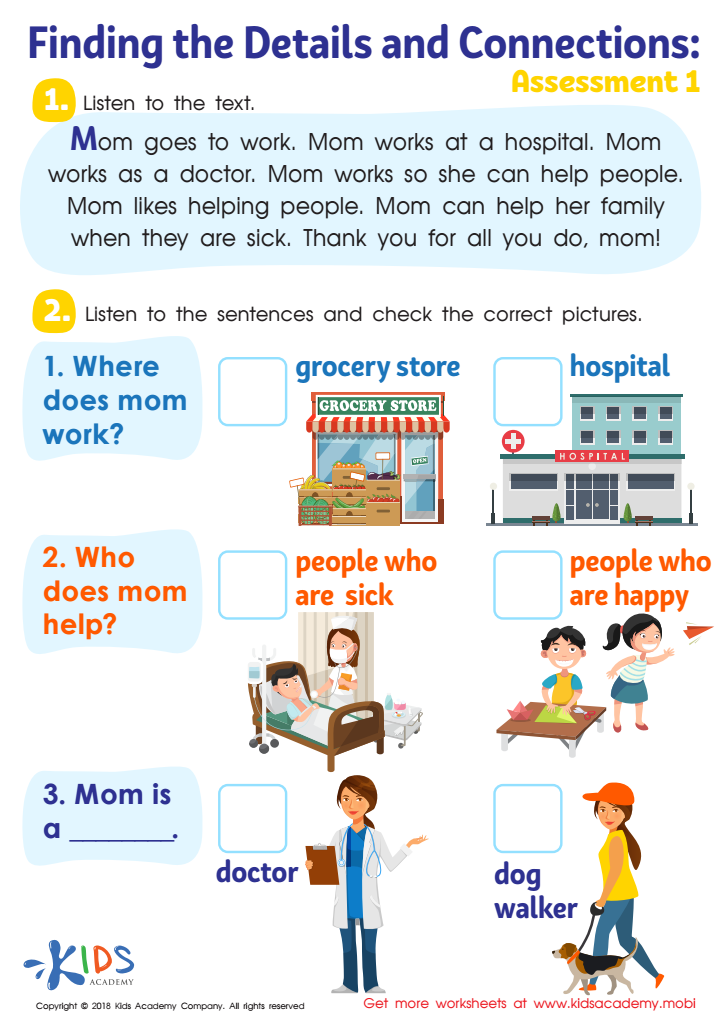
Finding the Details and Connections: Assessment 1 Worksheet
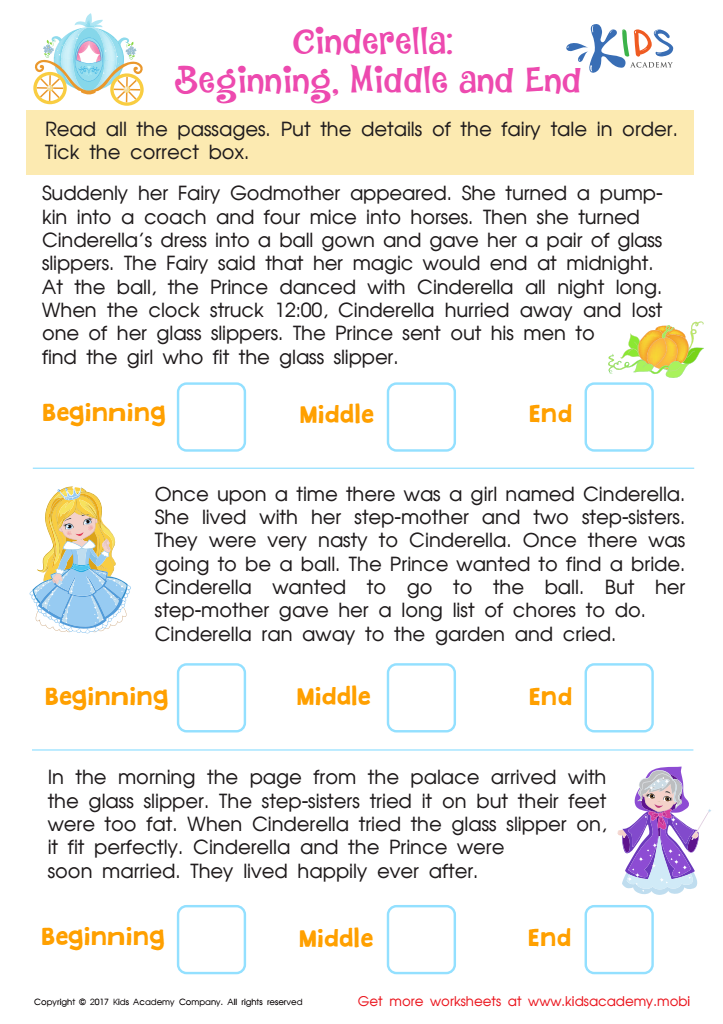
Cinderella: Beginning, Middle and End Worksheet
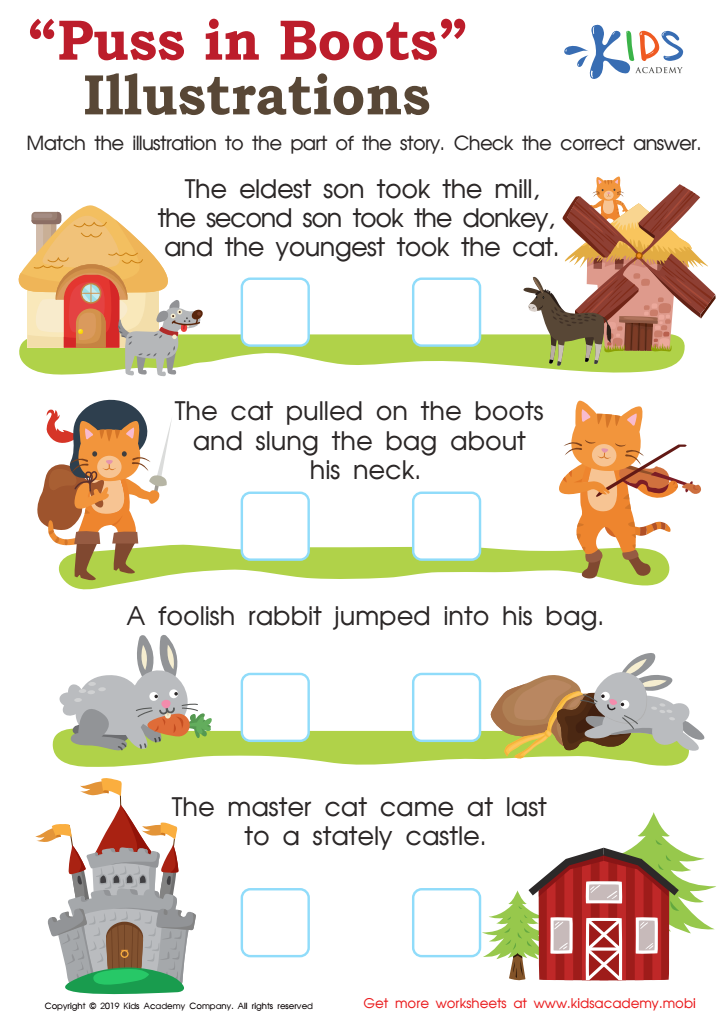
Puss in Boots Illustrations Worksheet
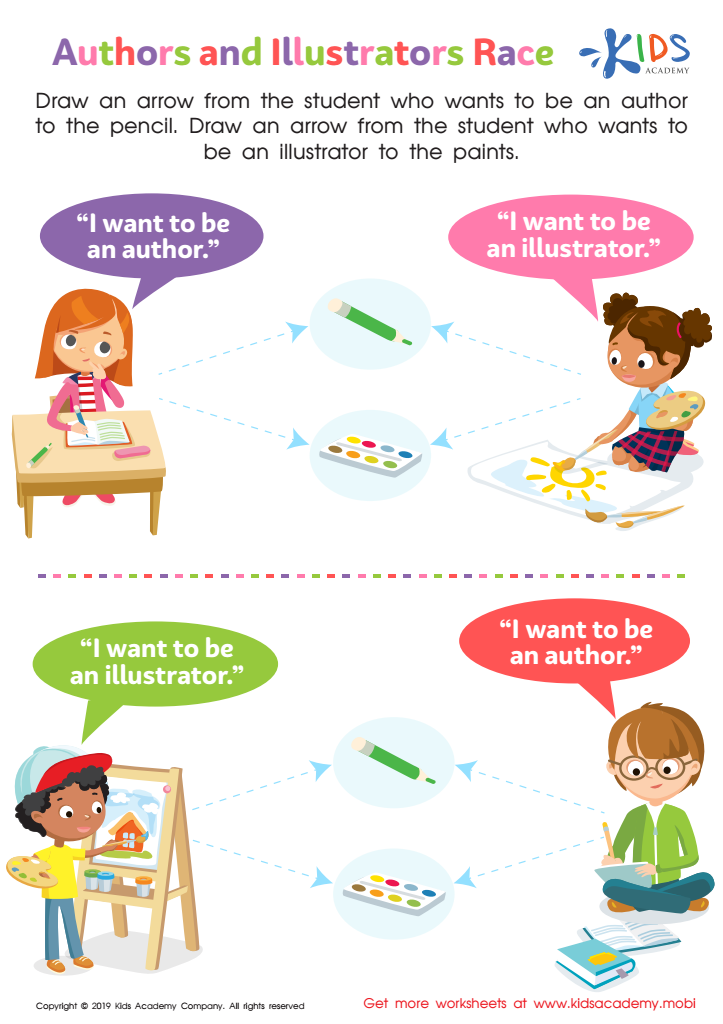
Authors and Illustrators Race Worksheet
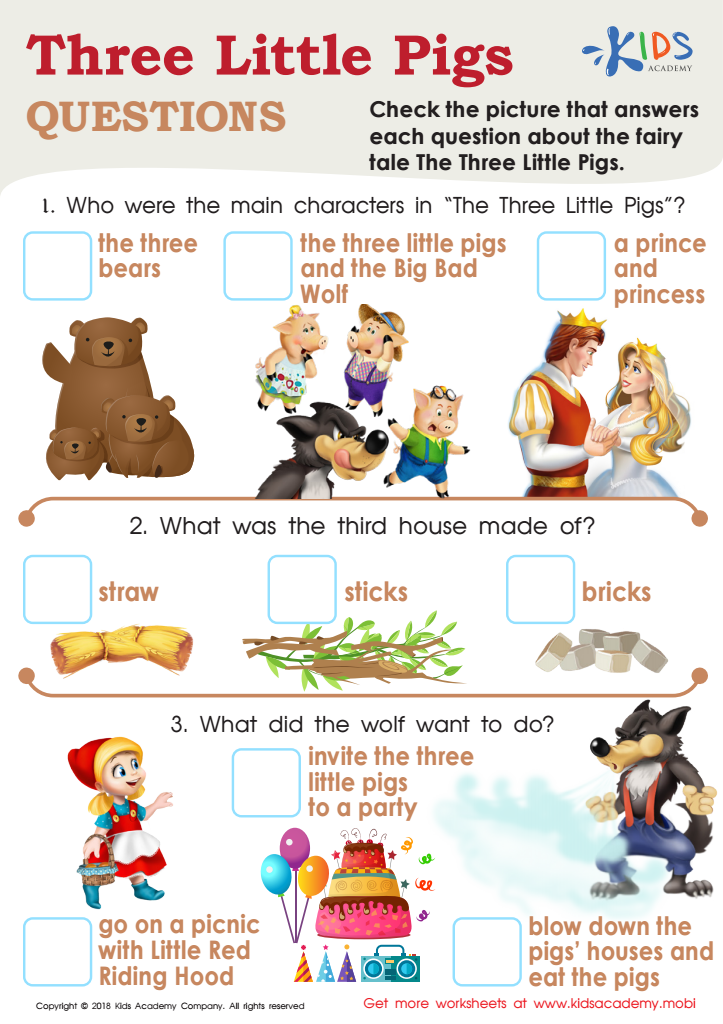
Three Little Pigs Questions Worksheet
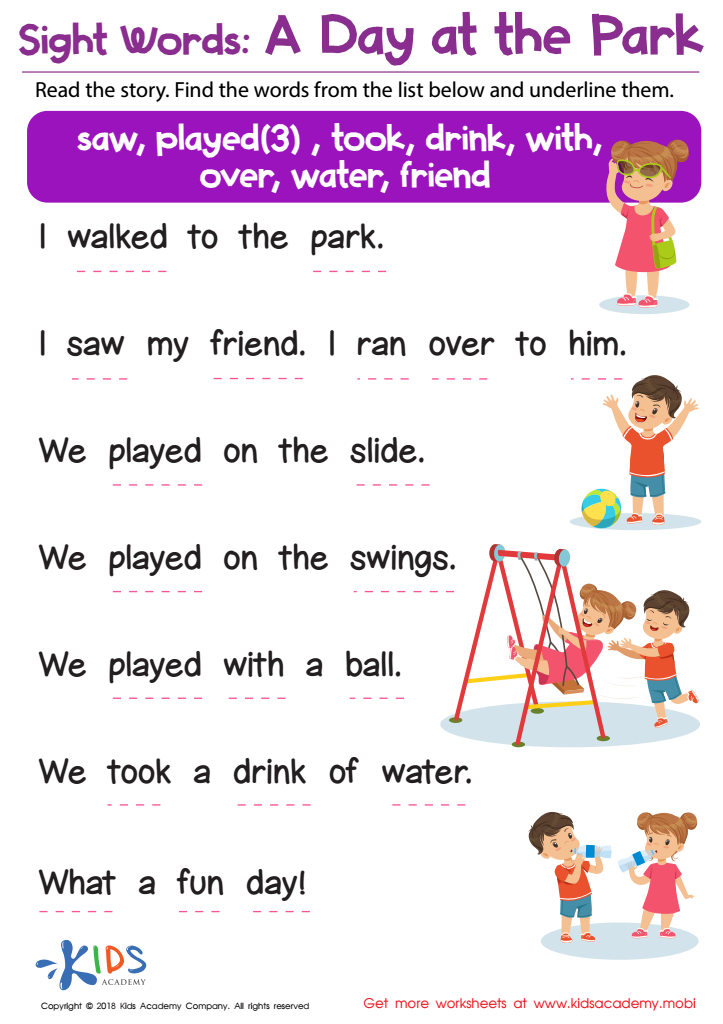
Sight Words: A Day at the Park Worksheet
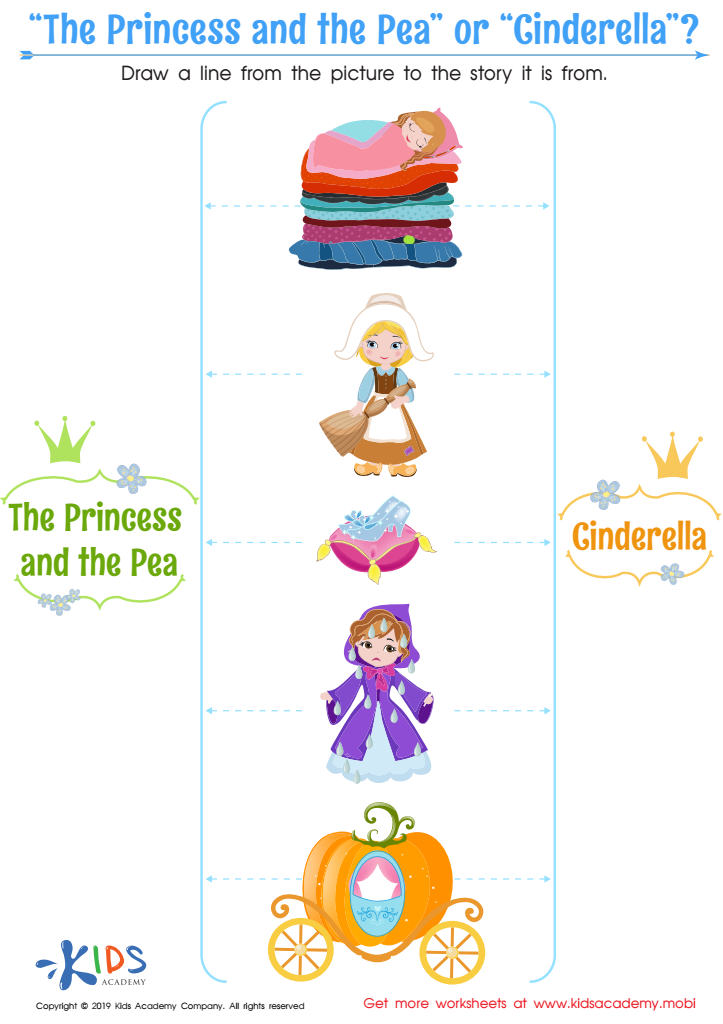
“The Princess and the Pea” or “Cinderella” Worksheet
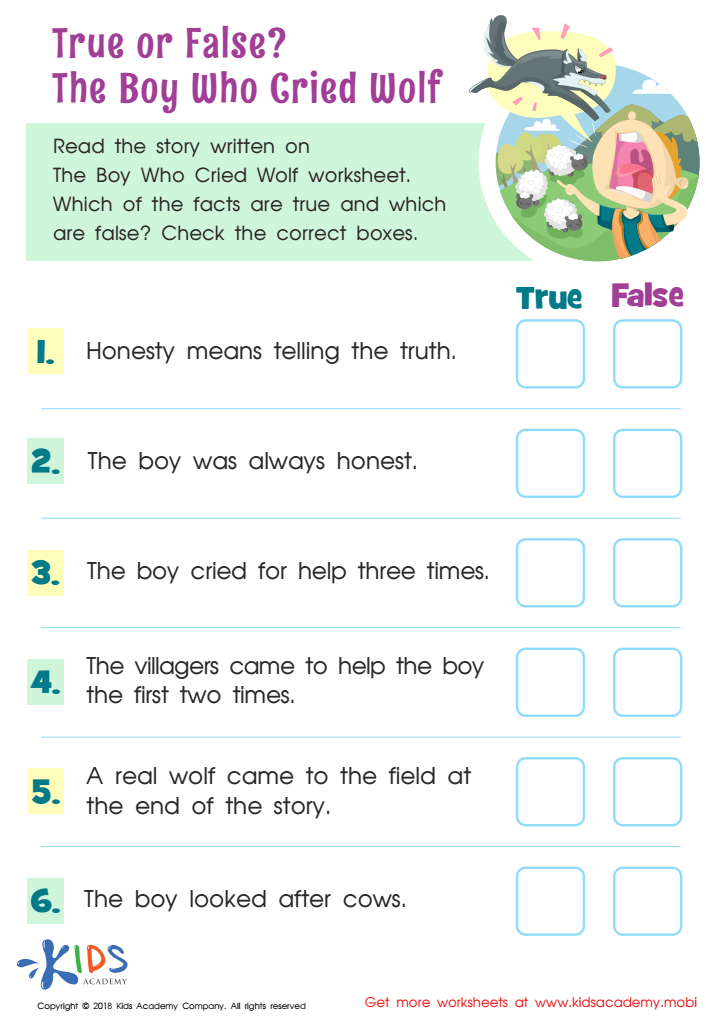
True or False? The Boy Who Cried Wolf Worksheet
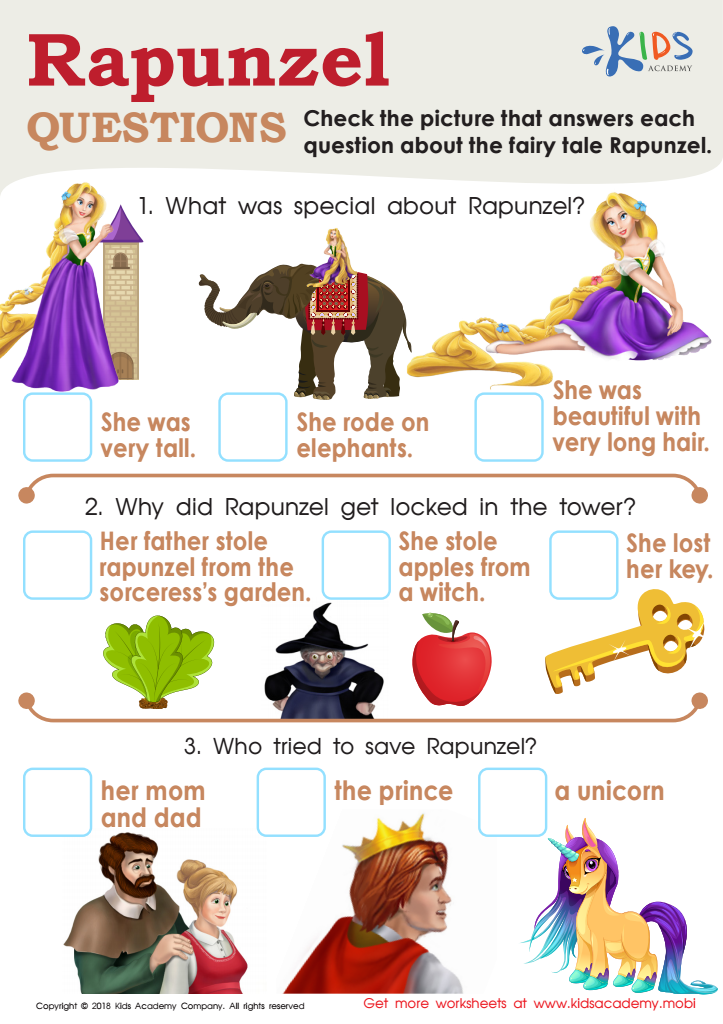
Rapunzel Questions Worksheet
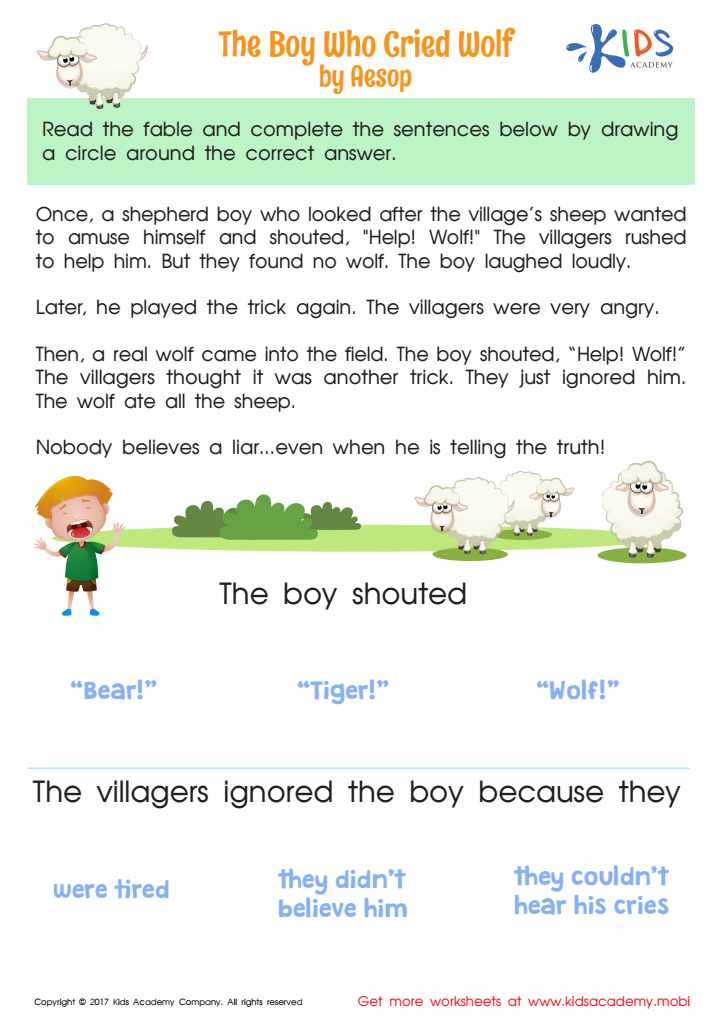
The Boy Who Cried Wolf Worksheet
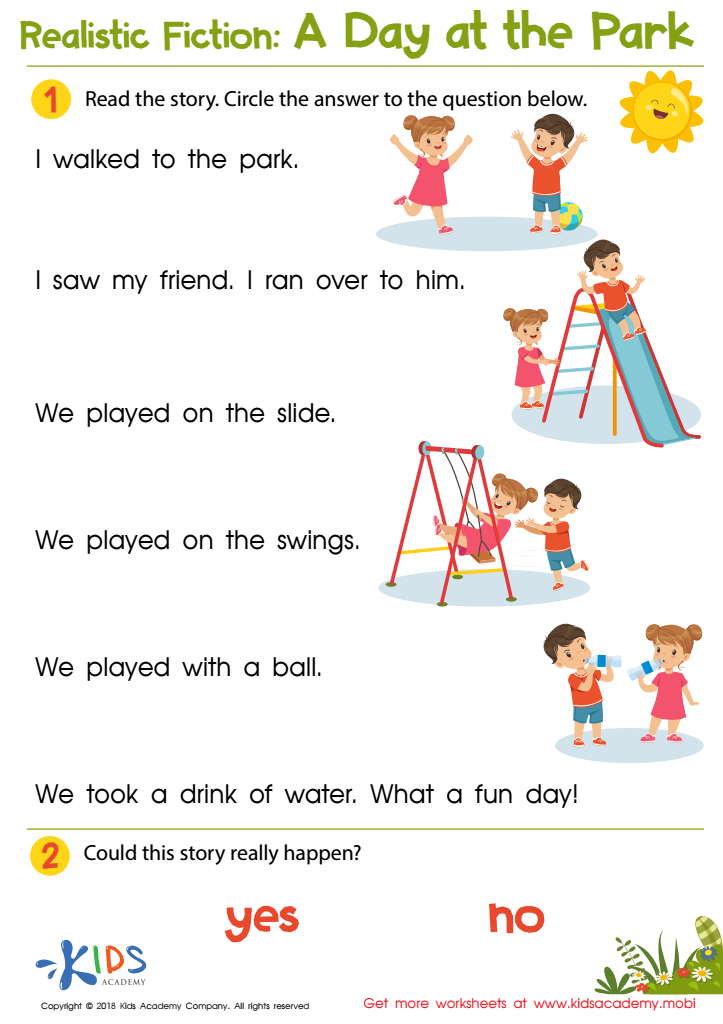
A Day at the Park Worksheet
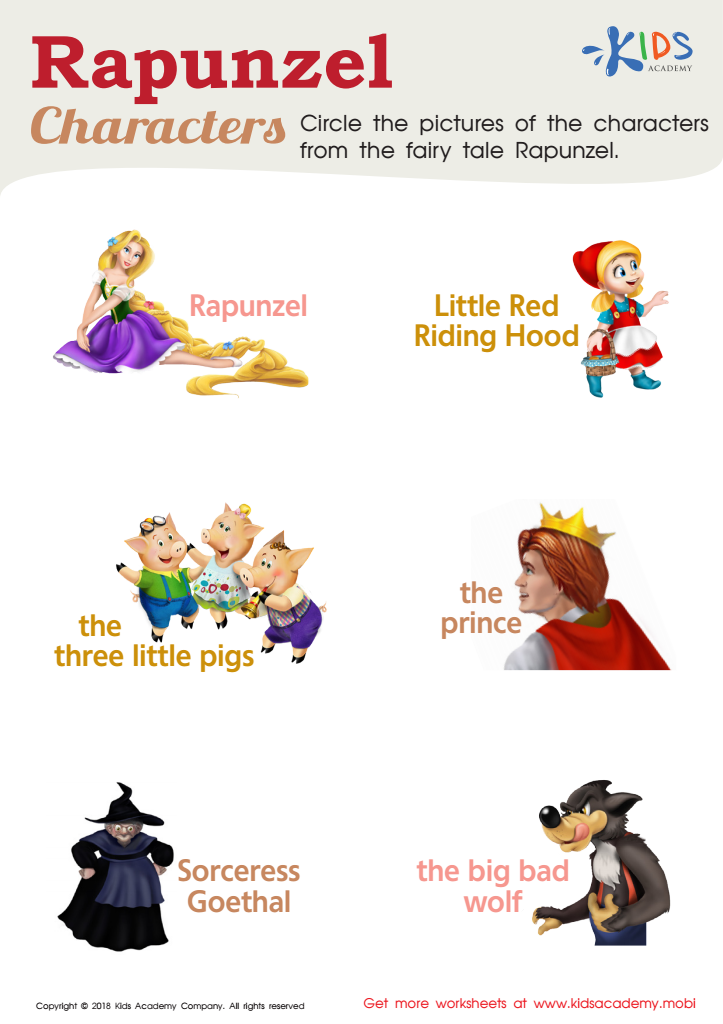
Rapunzel Characters Worksheet
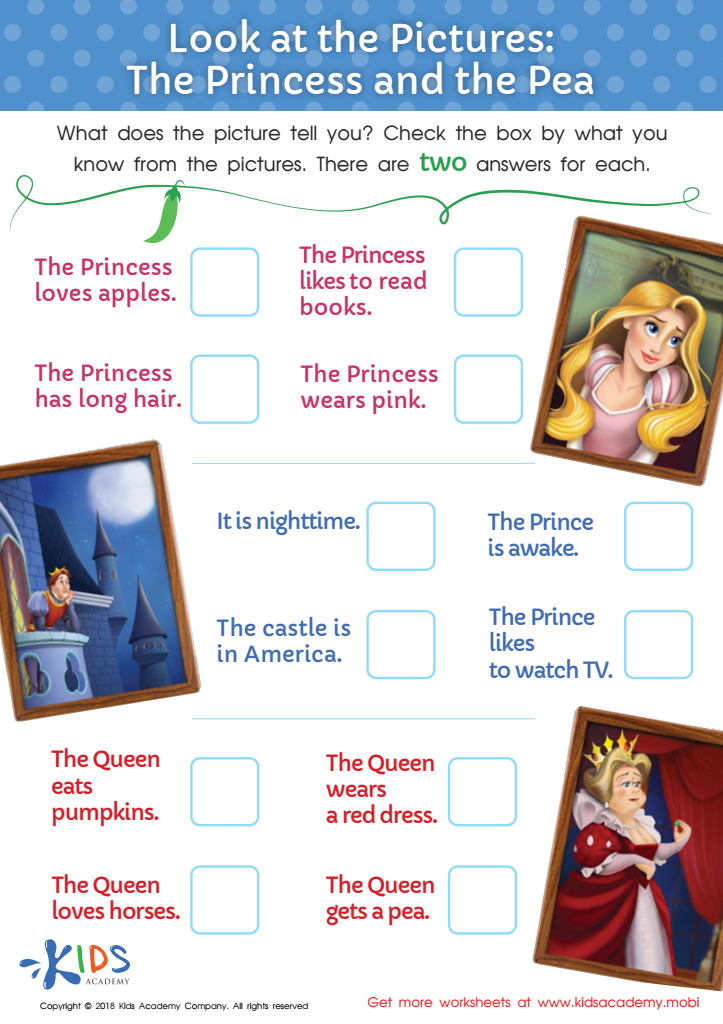
Look at the Pictures: The Princess and the Pea Worksheet
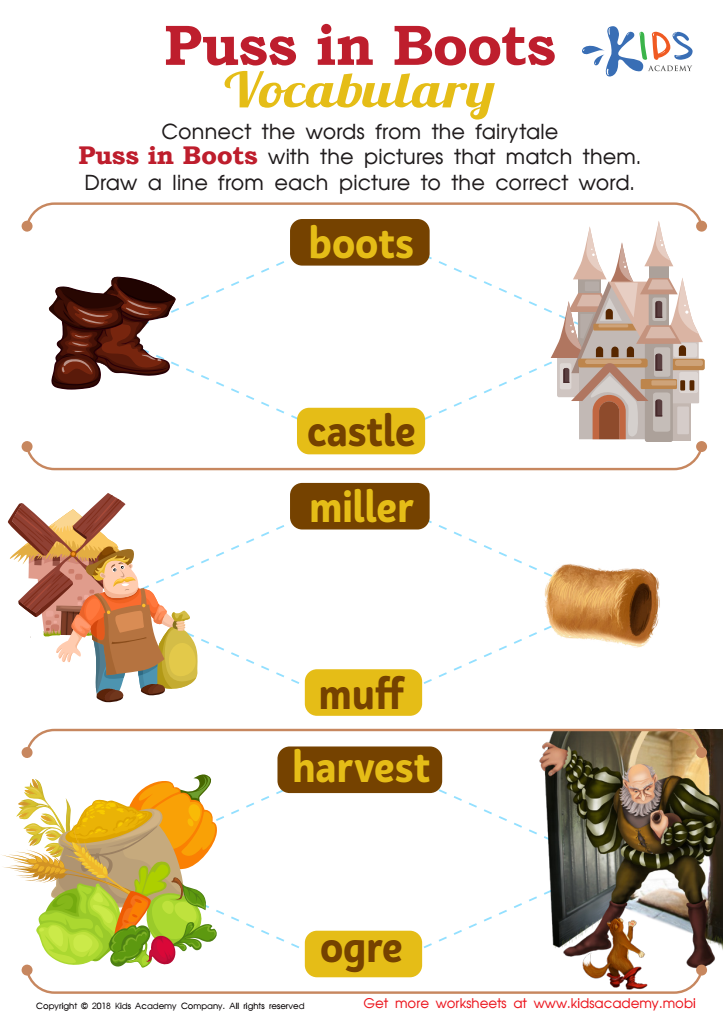
Puss in Boots Vocabulary Worksheet
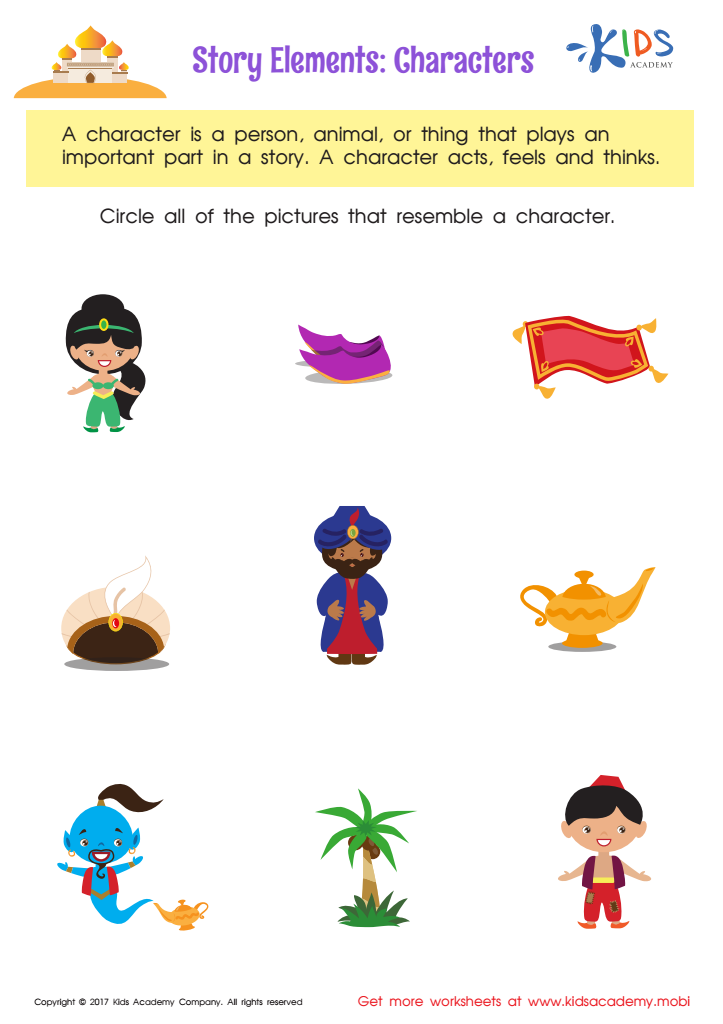
Story Elements Printable
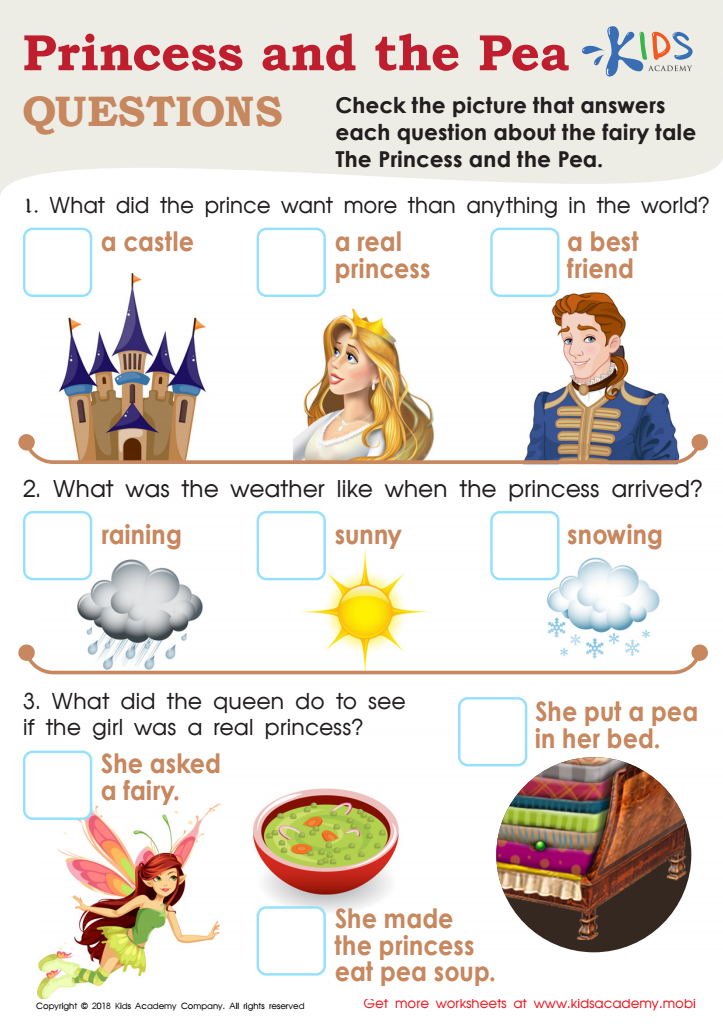
Princess and the Pea Questions Worksheet




.jpg)


Reading comprehension in early childhood, particularly ages 4-6, is crucial for several reasons. It marks the foundation of a child's academic success and overall cognitive development. Engaging children in reading fiction during these formative years helps to develop their language skills, vocabulary, and imagination. Fiction allows young readers to explore different perspectives, understand emotions, and recognize character motives, which enhances their ability to empathize with others and strengthens their social-emotional growth.
Additionally, the patterns, rhythms, and narrative structures found in fiction foster better memory and critical thinking abilities. Stories stimulate a child's curiosity and creativity, encouraging them to ask questions and make predictions, thereby improving their analytical skills.
Moreover, normal reading habits established early can lead to a positive, lifelong relationship with literacy. Consistent exposure to stories and books can boost a child’s confidence in their reading abilities, promoting a love for learning that transcends into other academic subjects. Parental involvement through reading aloud not only improves comprehension but also strengthens the parent-child bond and creates cherished, formative memories.
Thus, prioritizing reading comprehension through fiction at an early age equips children with essential skills, fosters emotional intelligence, and lays down a robust foundation for long-term educational and personal success.







