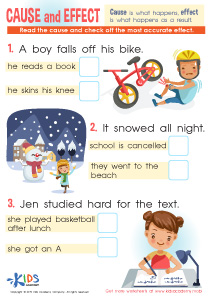
Reading comprehension Normal Reading Non-Fiction Worksheets for Ages 4-6
19 filtered results
-
From - To
Enhance your child's early literacy skills with our "Normal Reading Non-Fiction Worksheets for Ages 4-6." Specially designed to build the foundations of comprehension, these engaging materials introduce children to the world of non-fiction. Each worksheet is crafted to develop critical thinking and understanding by featuring clear and simple texts followed by fun activities and questions. Your young reader will explore various topics, enriching their vocabulary and fostering a love for reading. Ideal for classroom use or at-home practice, these worksheets support the development of key reading skills through interactive and educational content. Invest in your child’s learning journey today!
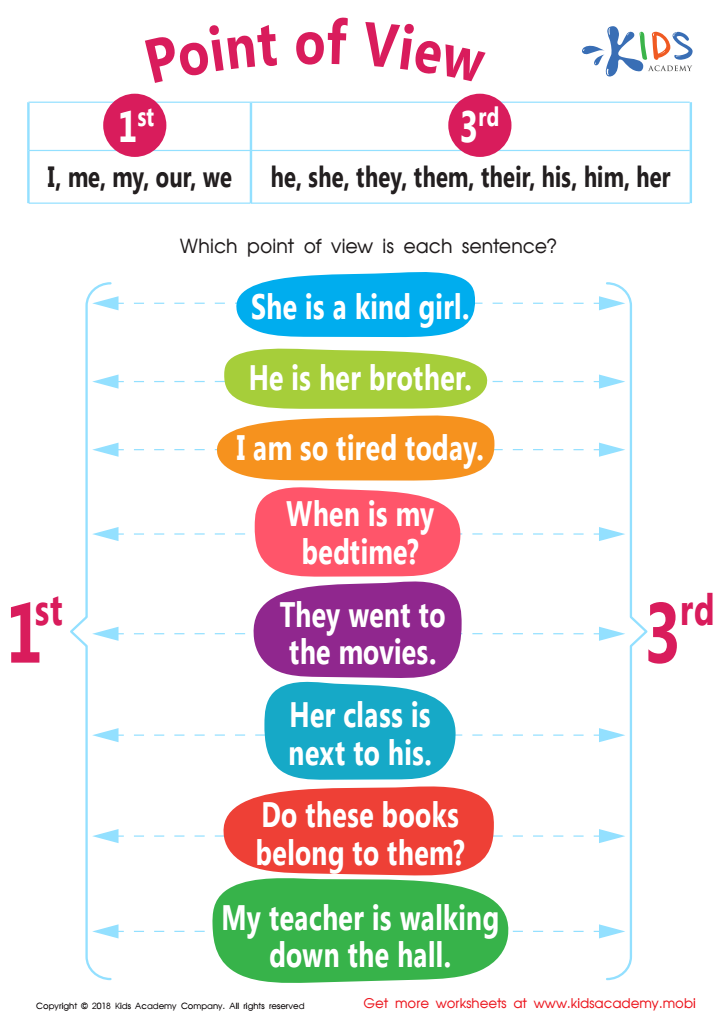
Point of View Worksheet
 Assign to My Students
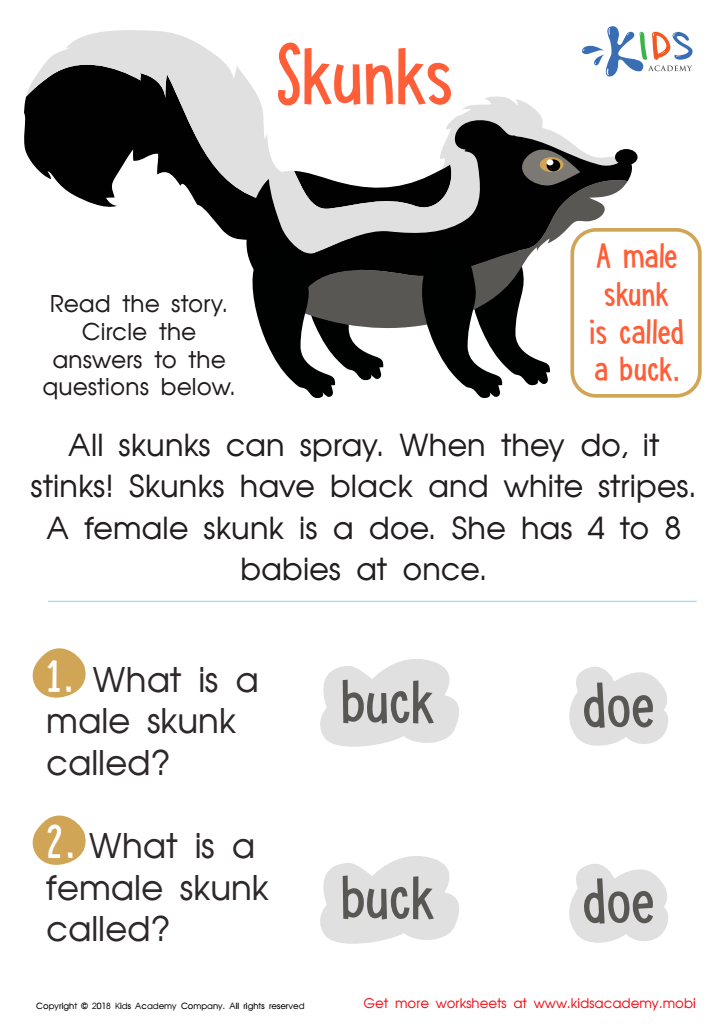
Skunks Worksheet
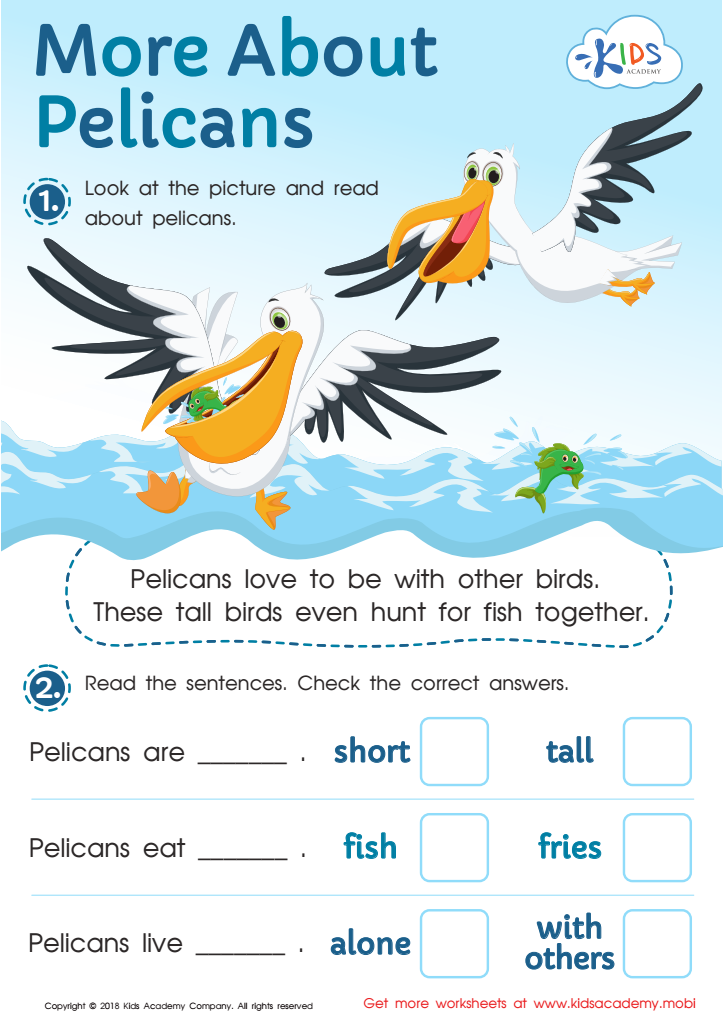
More About Pelicans Worksheet
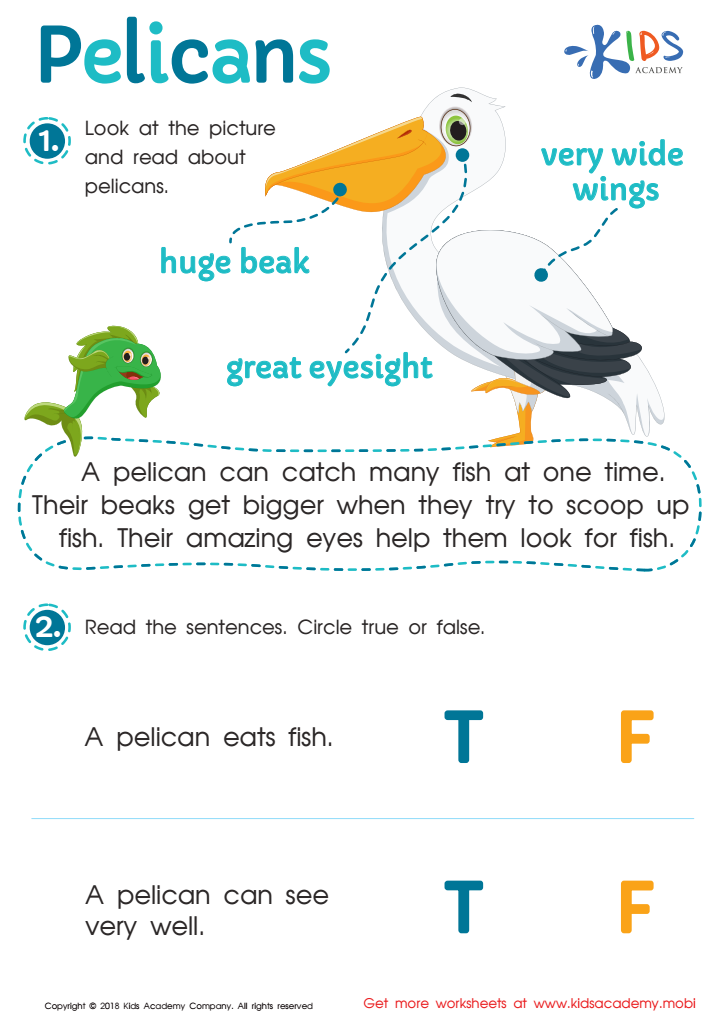
Pelicans Worksheet
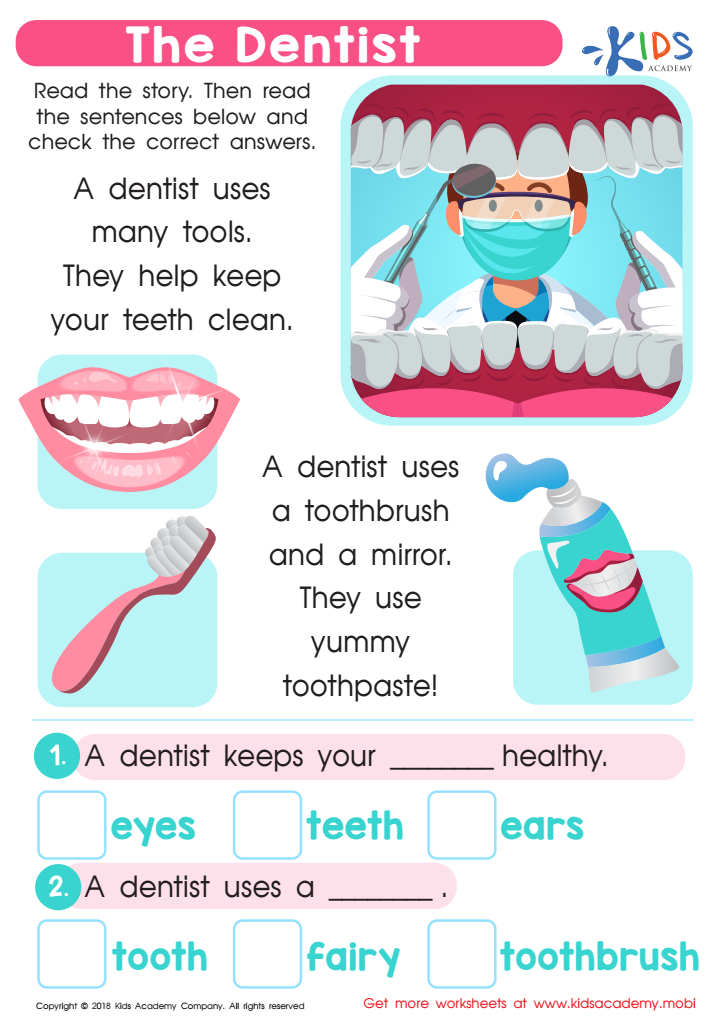
The Dentist Worksheet
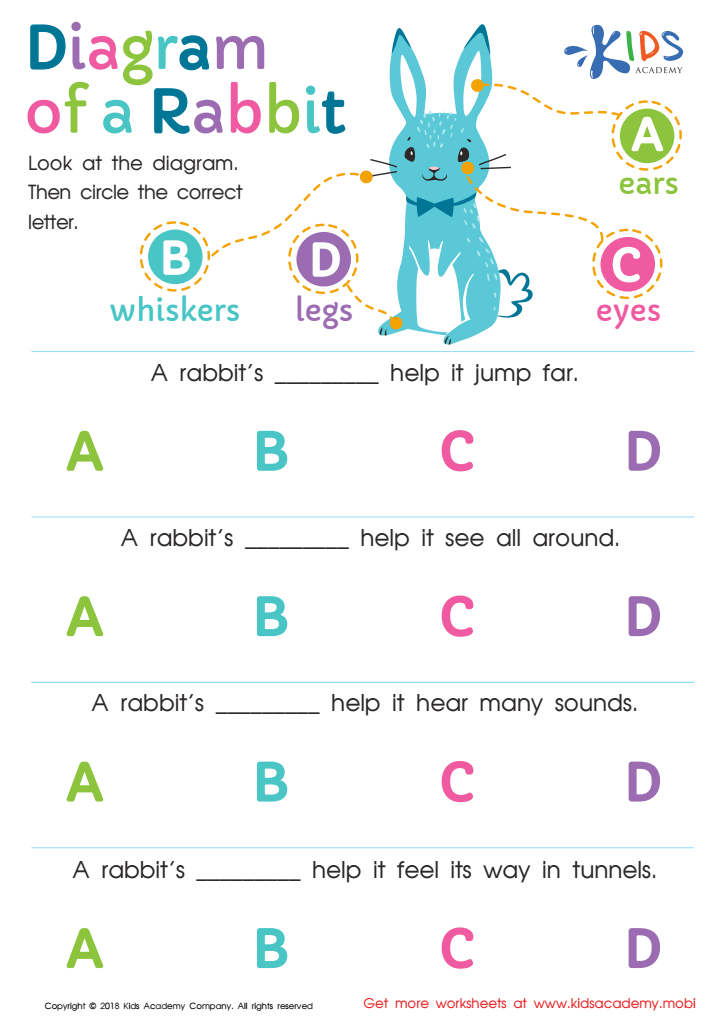
Diagram of a Rabbit Worksheet
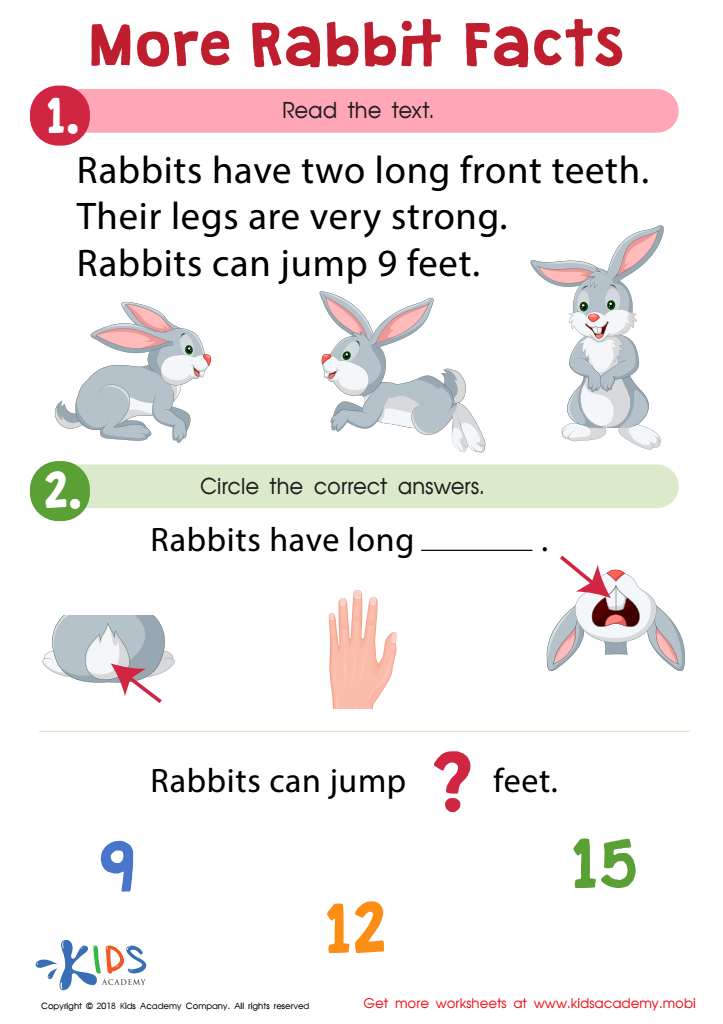
More Rabbit Facts Worksheet
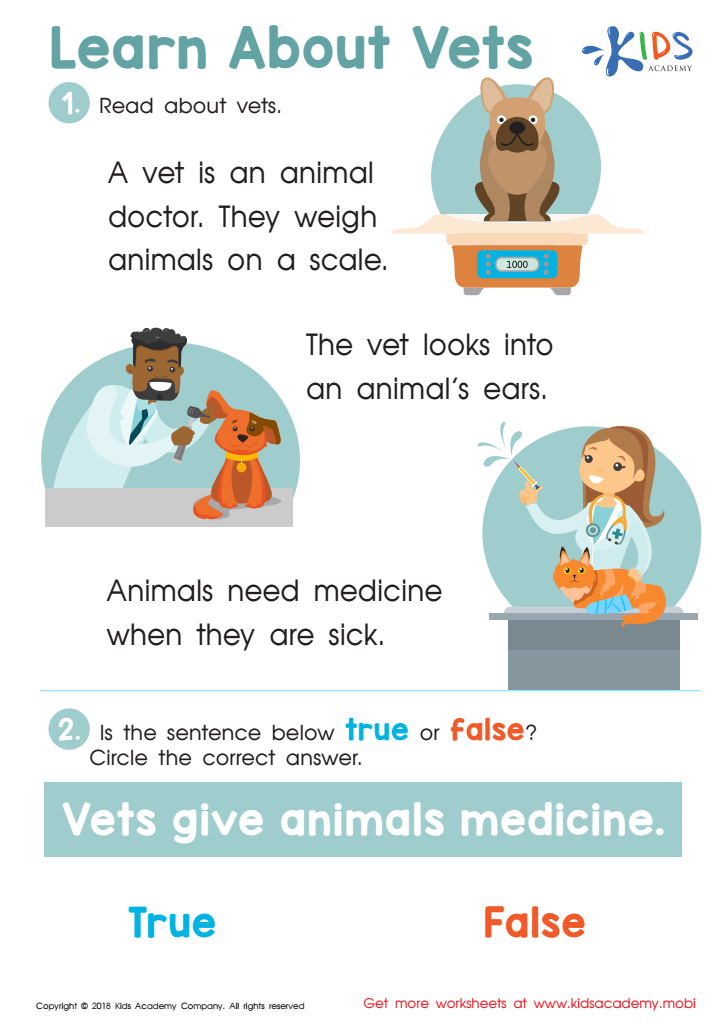
Learn About Vets Worksheet
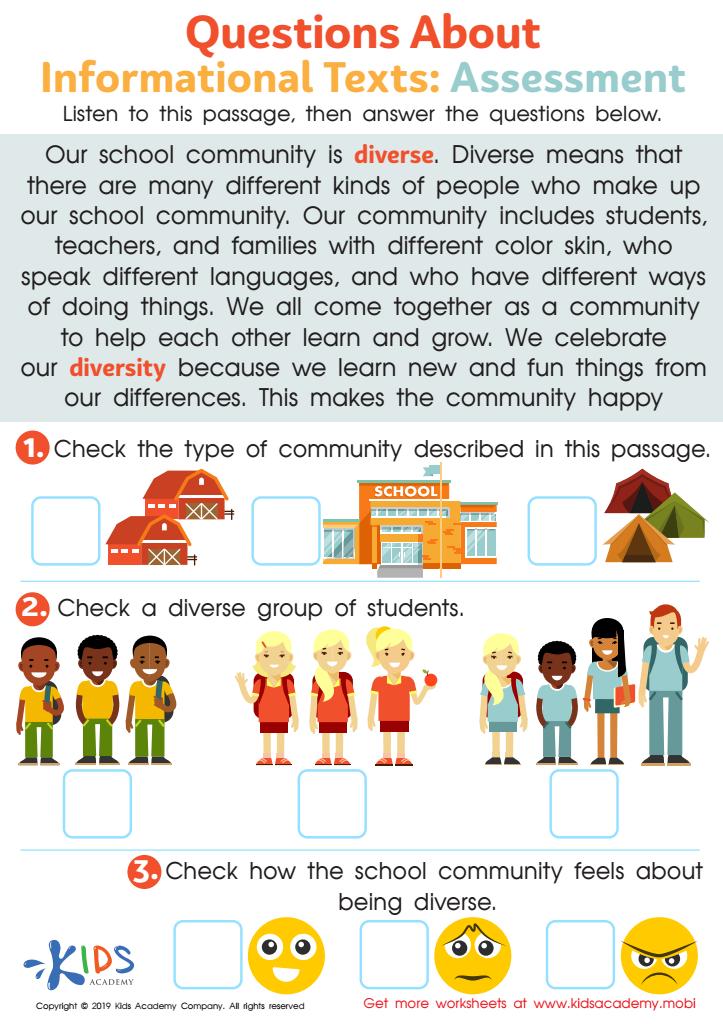
Questions About Informational Texts: Assessment 1 Worksheet
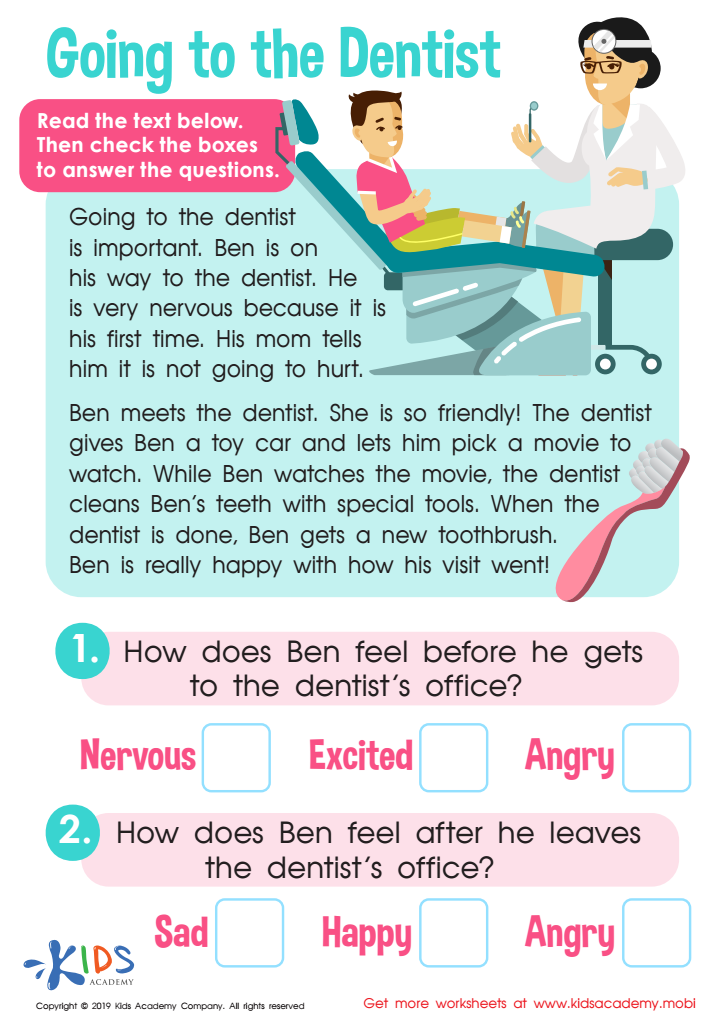
Going to the Dentist Worksheet
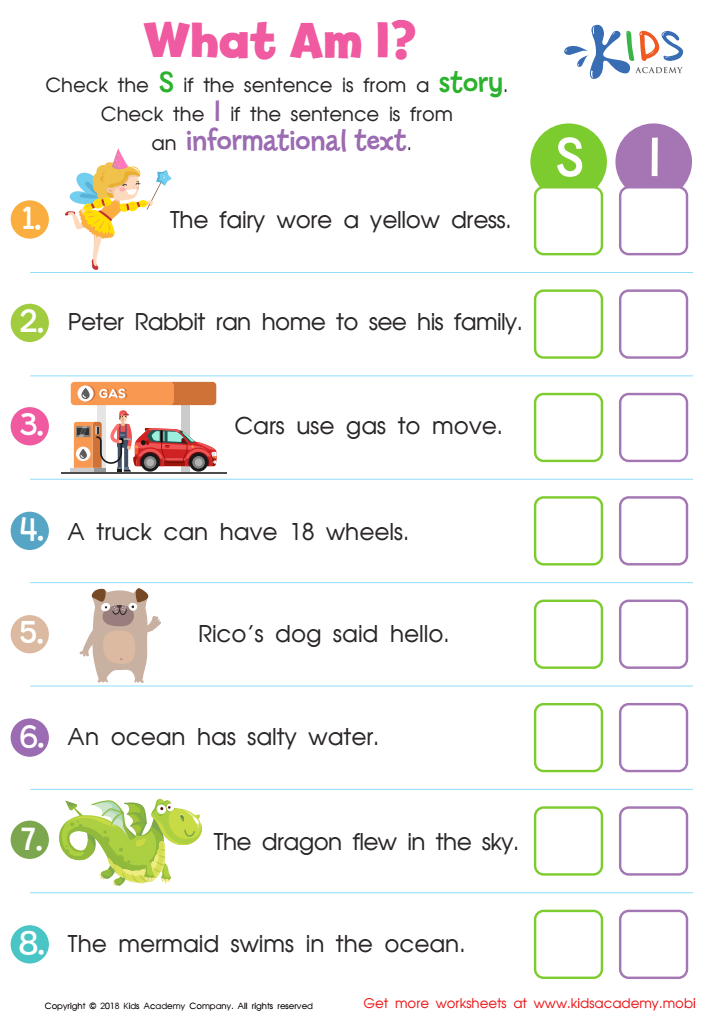
What Am I? Worksheet
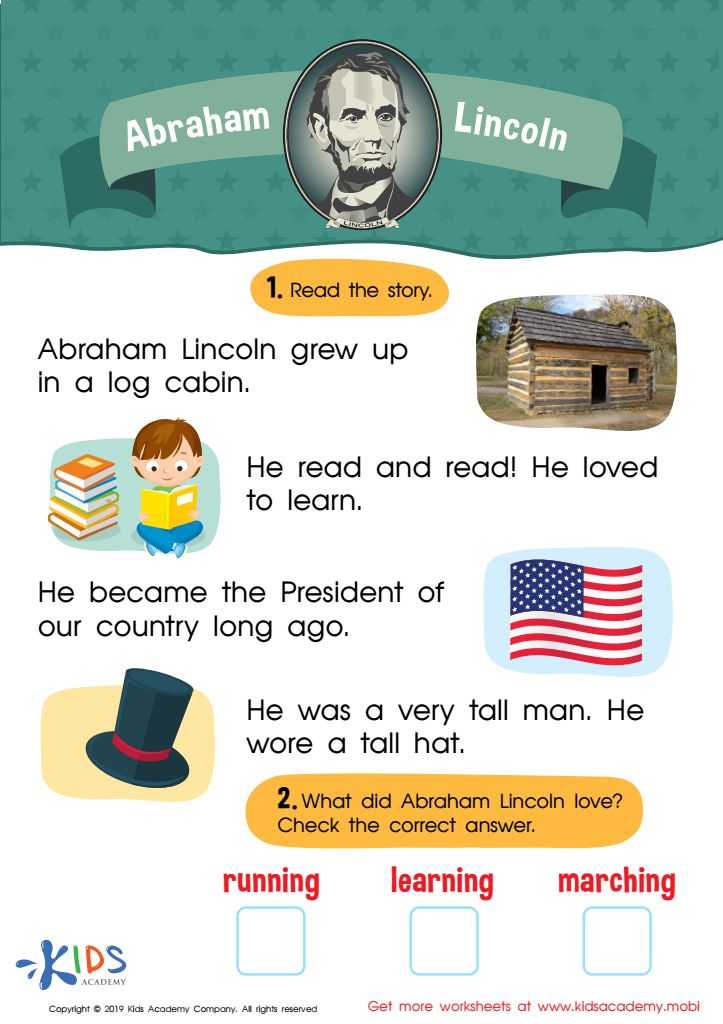
Abraham Lincoln Worksheet
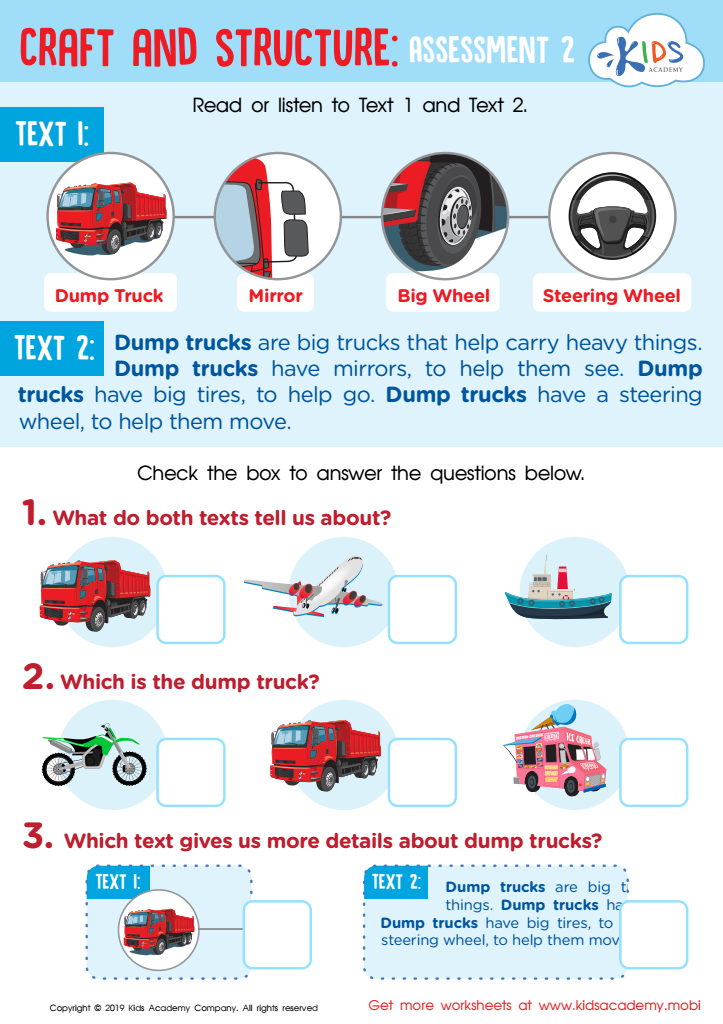
Craft and Structure: Assessment 2 Worksheet
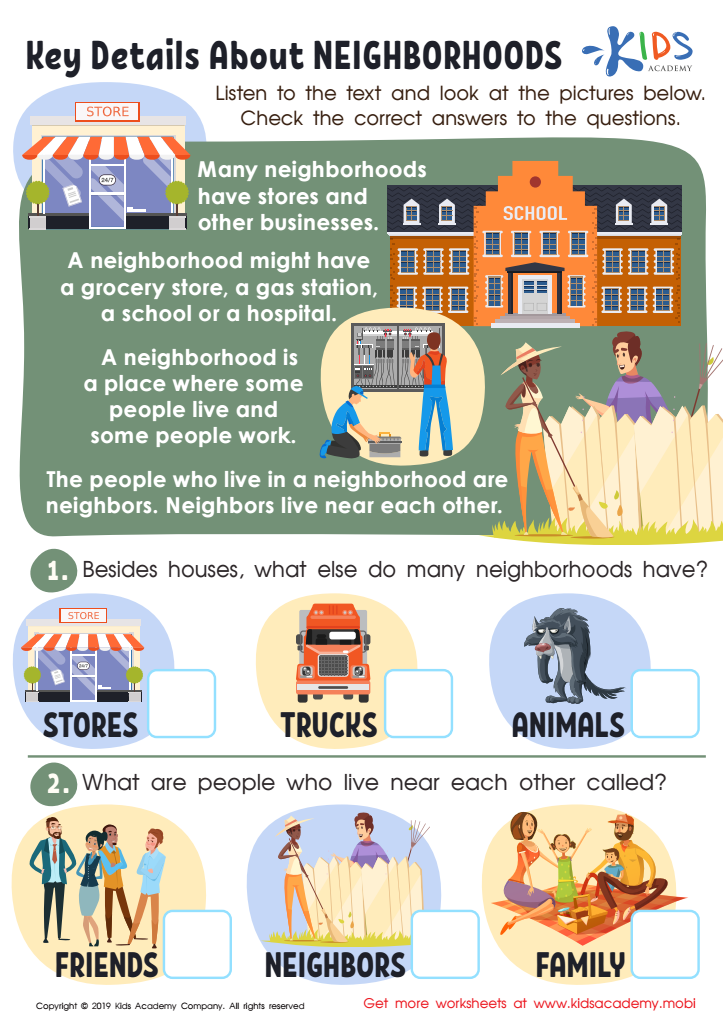
Key Details Neighborhoods Worksheet
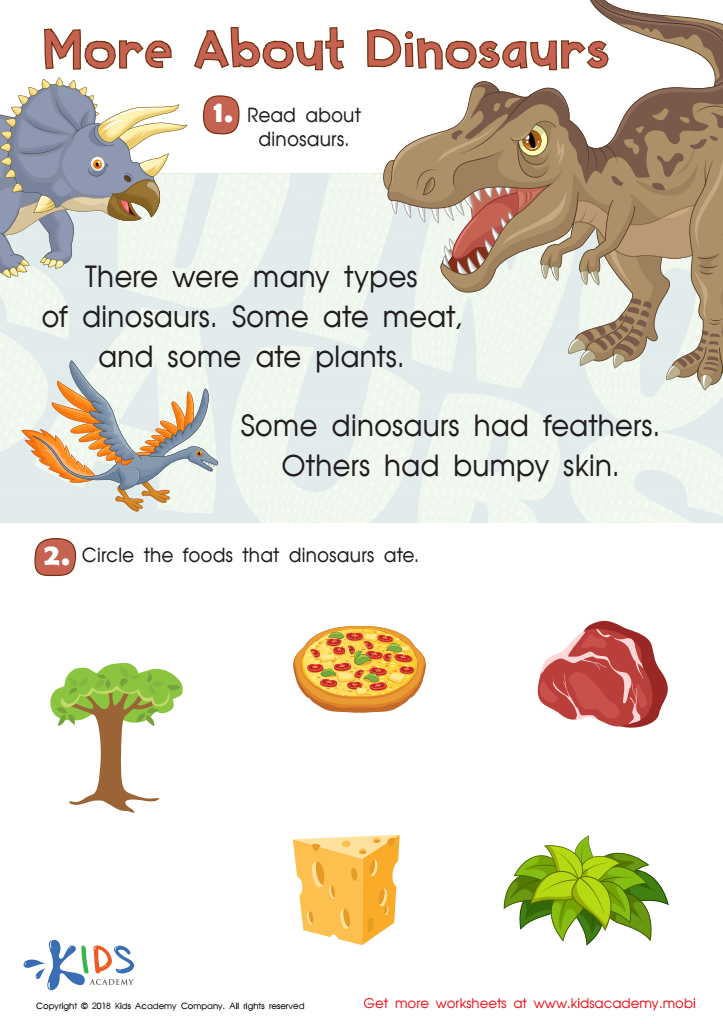
More About Dinosaurs Worksheet
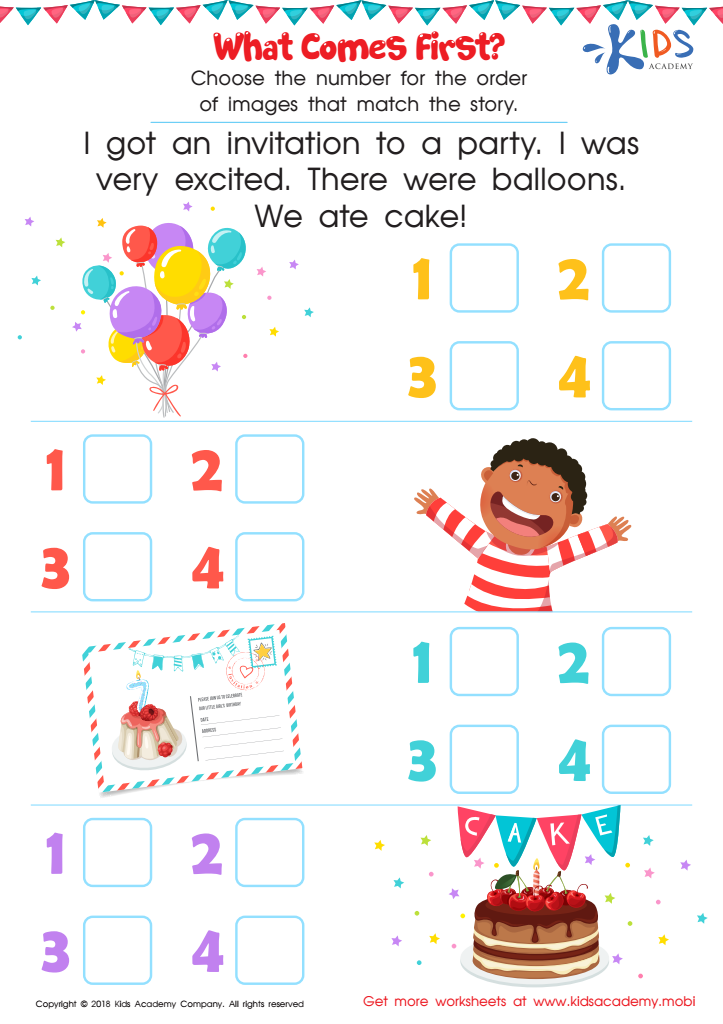
What Comes First Worksheet
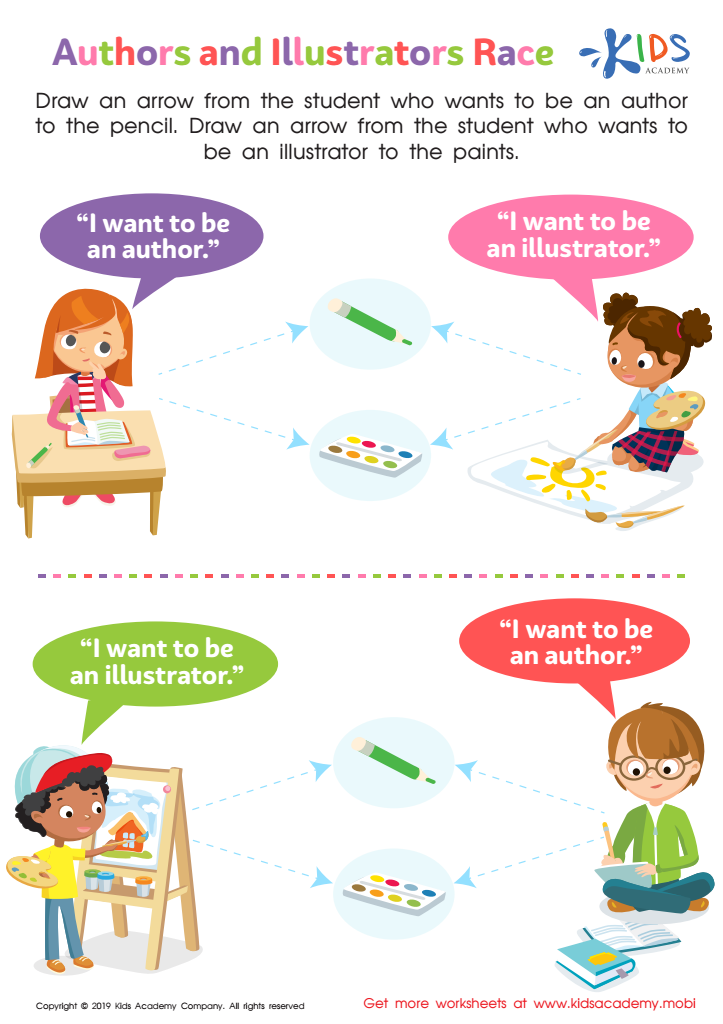
Authors and Illustrators Race Worksheet
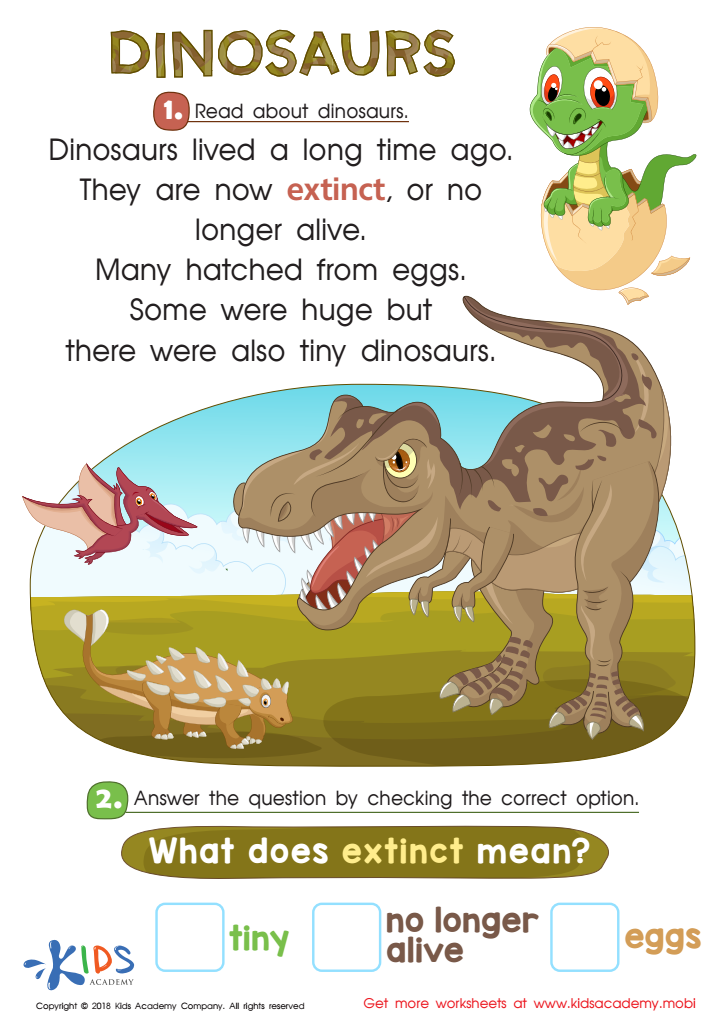
Dinosaurs Worksheet
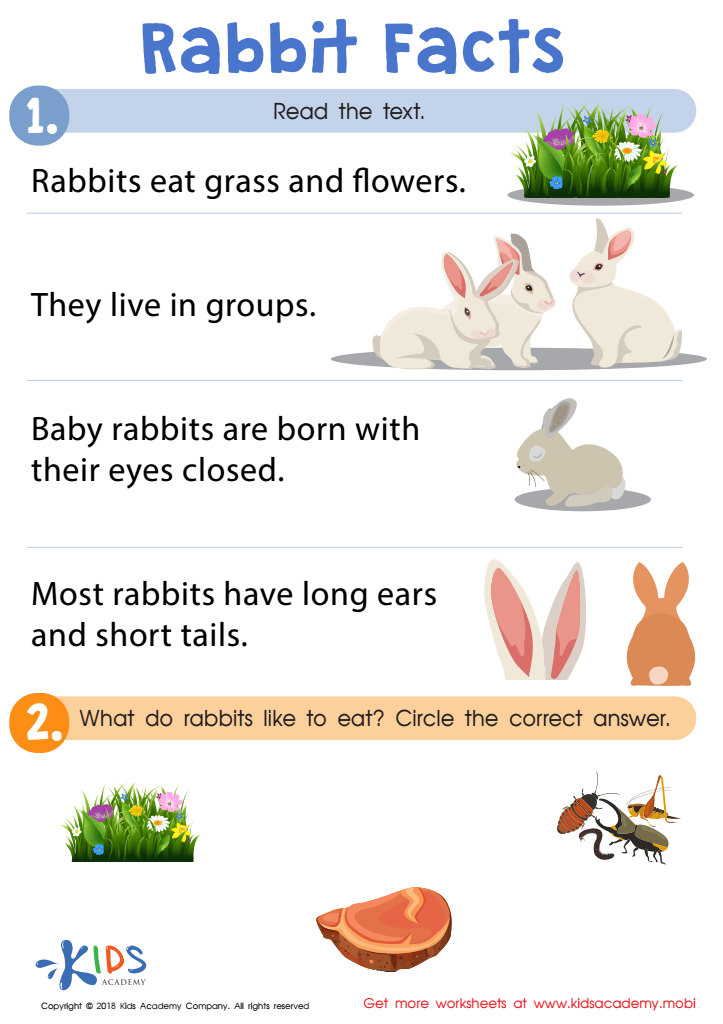
Rabbit Facts Worksheet








Reading comprehension is a crucial skill for young children ages 4-6, particularly around non-fiction content. At this early stage of development, nurturing comprehension abilities helps kids make sense of the world around them. Non-fiction introduces them to real-world concepts and vocabulary, broadening their general knowledge and understanding.
Parents and teachers who focus on reading comprehension provide children with the tools needed to process and retain information. This skill is foundational for future academic success, influencing crucial areas like critical thinking and analytical abilities. When children comprehend what they read, they're better prepared to ask questions, make connections, and engage in meaningful discussions.
Furthermore, strong reading comprehension aids in language development. Through non-fiction texts, children encounter structured language and terminology that they might not hear in everyday conversation, thus improving their vocabulary and sentence construction.
Early success in reading comprehension can also boost a child's self-esteem and love for learning. It leads to a more rewarding reading experience, encouraging a lifelong habit of exploration and curiosity. Parents and teachers who prioritize this aspect set the stage for ongoing educational achievement and personal growth, making it an essential focus in early childhood education.