Understanding habitats Normal Science Worksheets for Ages 4-6
4 filtered results
-
From - To
Explore the world of habitats with our "Understanding Habitats Normal Science Worksheets," designed specifically for children aged 4-6! These engaging worksheets introduce young learners to different environments, helping them understand where plants and animals live. Featuring vibrant images and simple activities, these resources make learning fun and interactive. Kids will identify various habitats, from forests to oceans, and discover the unique characteristics of each. Perfect for early education settings, these worksheets promote critical thinking, observation skills, and environmental awareness. Download now and inspire your little ones to explore nature and its wonders through enjoyable learning experiences!
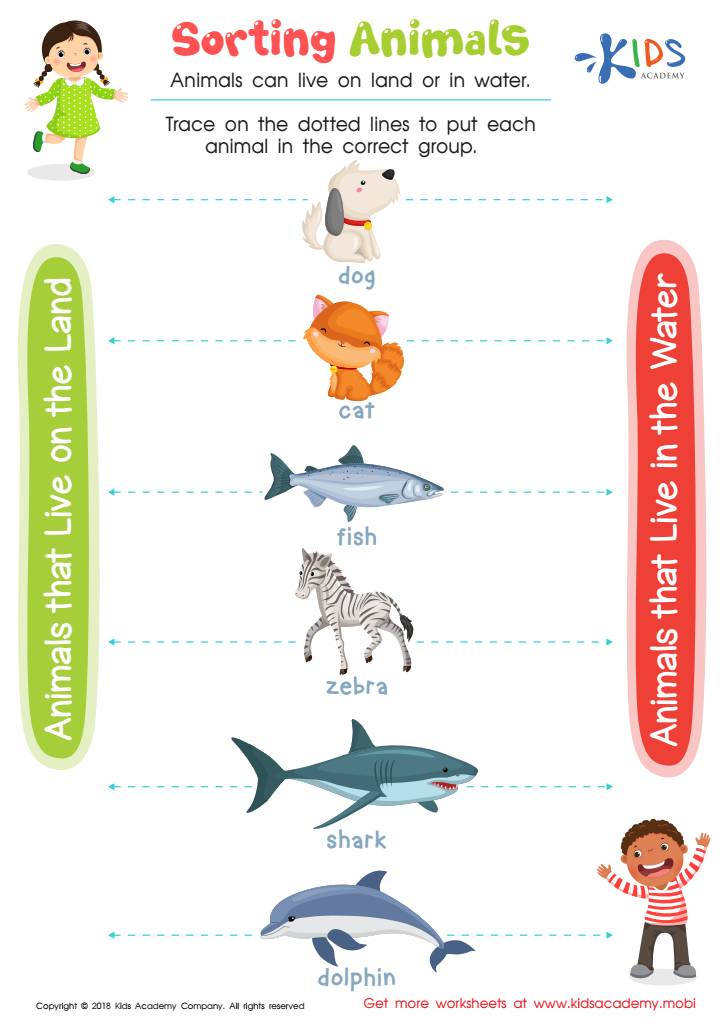
Sorting Animals Worksheet
 Assign to My Students
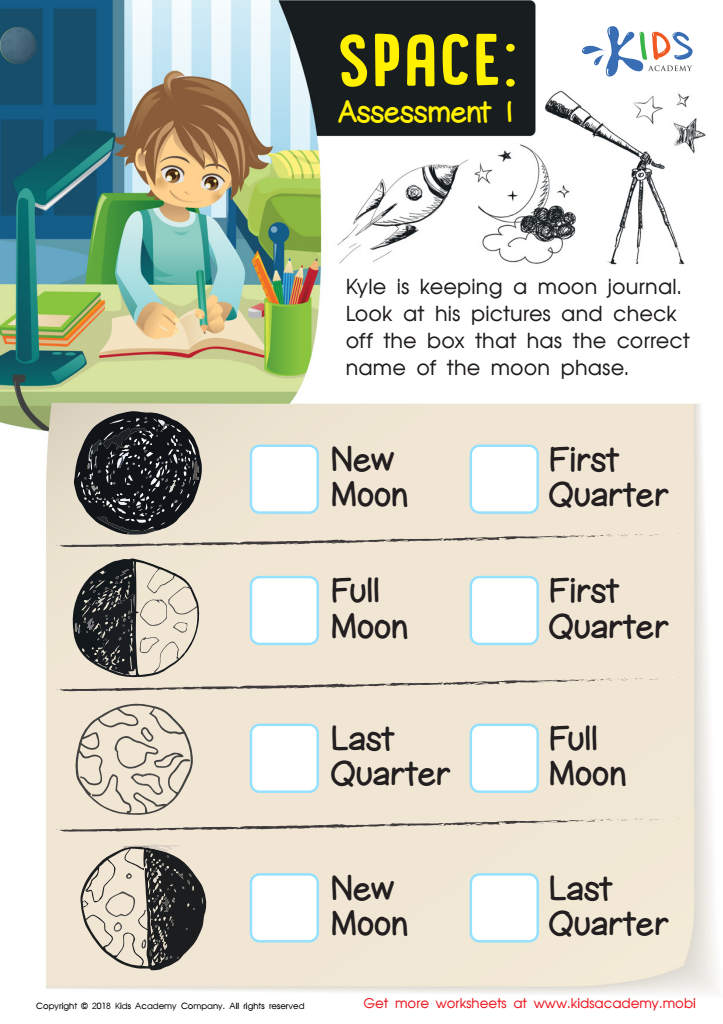
Space: Assessment 1 Worksheet
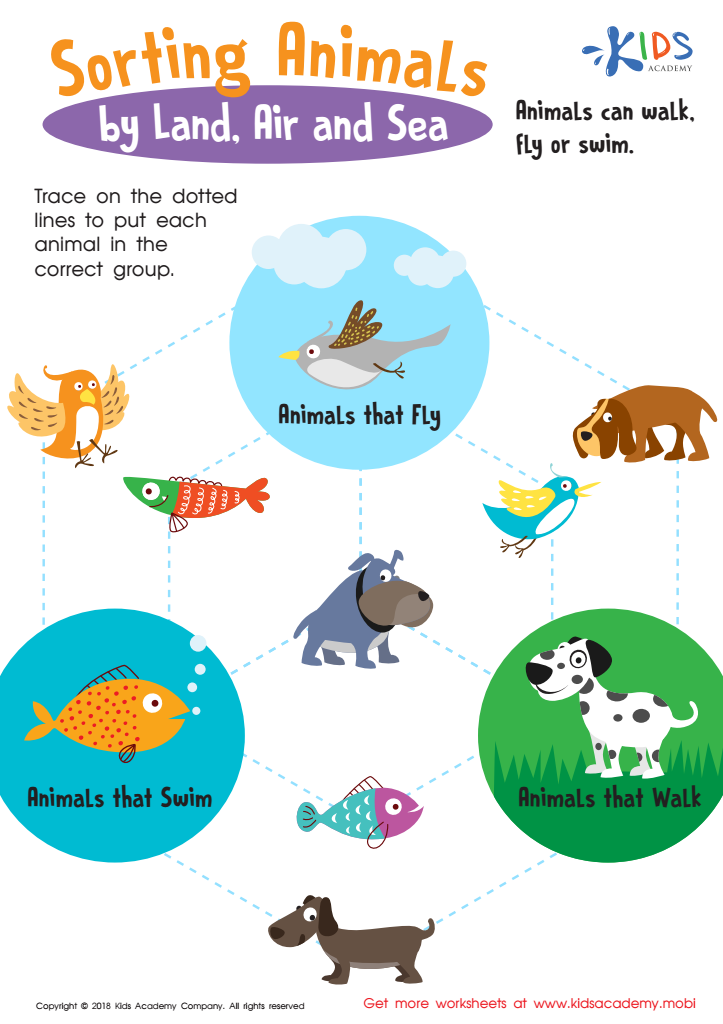
Sorting Animals by Land, Air and Sea Worksheet
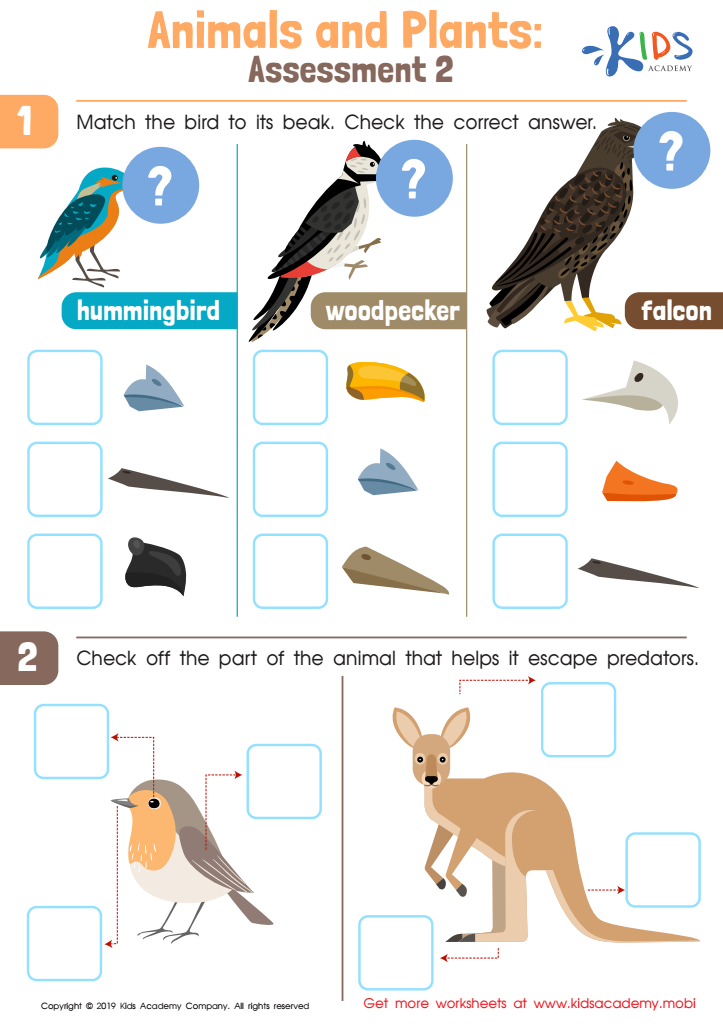
Animals and Plants: Assessment 2 Worksheet






Understanding habitats is crucial for young learners aged 4-6 because it lays the foundation for their awareness of the natural world. At this developmental stage, children are naturally curious about their surroundings. Educating them about different habitats, such as forests, oceans, deserts, and wetlands, helps foster a sense of wonder and respect for the environment.
Parents and teachers should care because early exposure to scientific concepts encourages critical thinking and exploration. By understanding the unique features of various habitats, children develop observational skills and learn about the diversity of life forms that inhabit those spaces. This knowledge promotes empathy towards living things, teaching them the importance of conservation and responsibility.
Moreover, incorporating habitats into learning can be engaging and interactive. Activities like nature walks, storytelling about different ecosystems, and hands-on projects can enhance cognitive development while cultivating teamwork and social skills. By nurturing a love for nature at an early age, adults can inspire future generations to become environmentally-conscious citizens.
In summary, engaging young children with the concept of habitats not only enriches their knowledge and curiosity but also empowers them to become stewards of the planet, fostering a more sustainable future.







