Vocabulary expansion Normal Plants and Animals Worksheets for Ages 4-6
4 filtered results
-
From - To
Enhance your child's vocabulary with our vibrant "Normal Plants and Animals Worksheets" specially designed for ages 4-6! These engaging worksheets introduce young learners to the fascinating world of plants and animals while expanding their language skills. Each page is filled with colorful illustrations and age-appropriate activities that inspire curiosity and learning. Children will explore essential terms related to plants and animals, improving their understanding and communication skills. Perfect for individual or classroom use, these worksheets provide a fun and interactive way to develop a solid vocabulary foundation for their academic journey. Start your adventure into the natural world today!
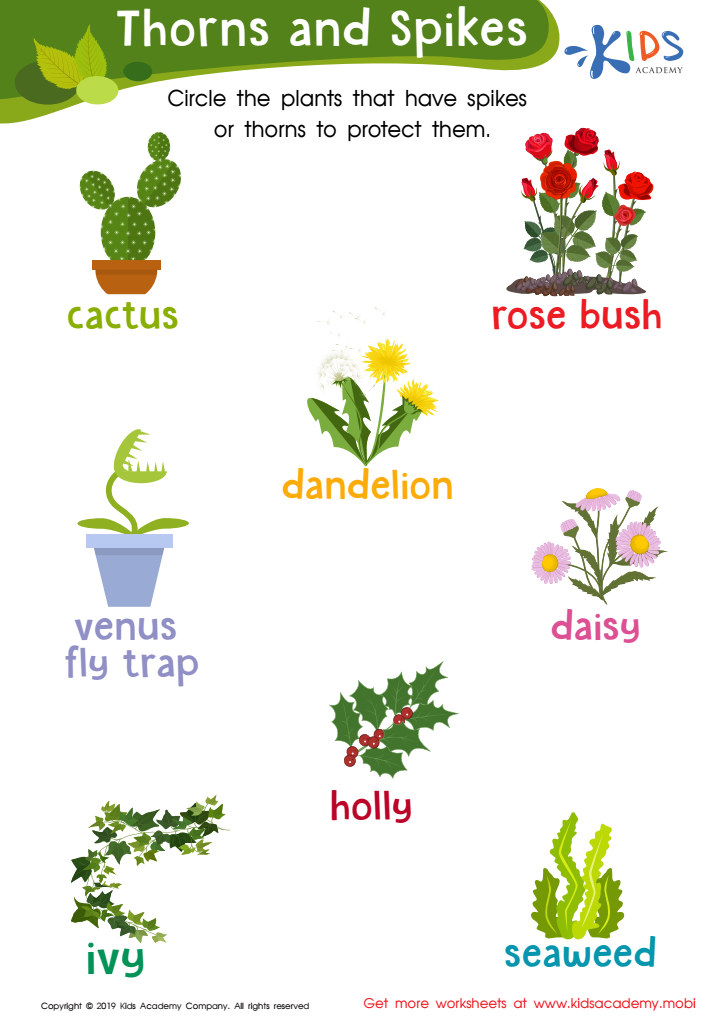
Thorns and Spikes Worksheet
 Assign to My Students











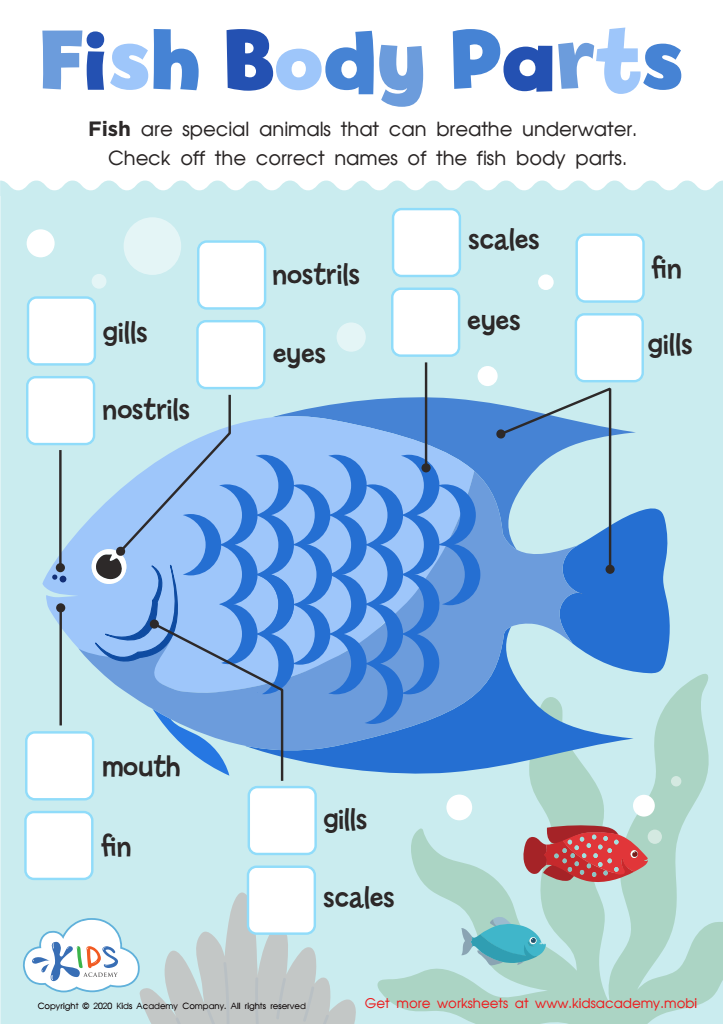
Fish Body Parts Worksheet
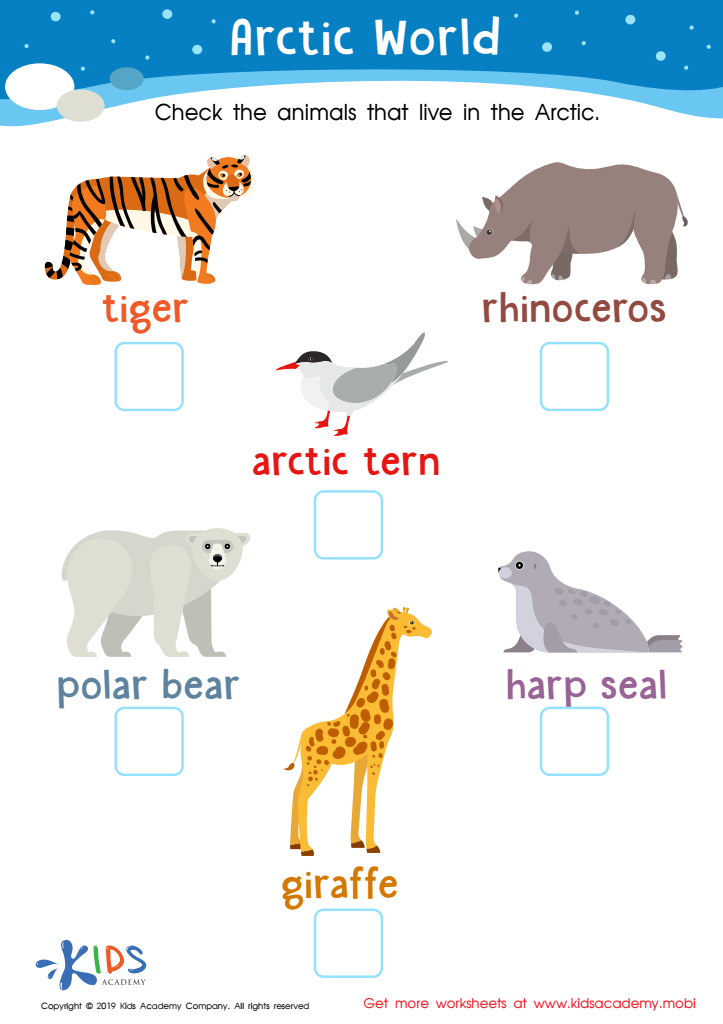
Arctic World Worksheet
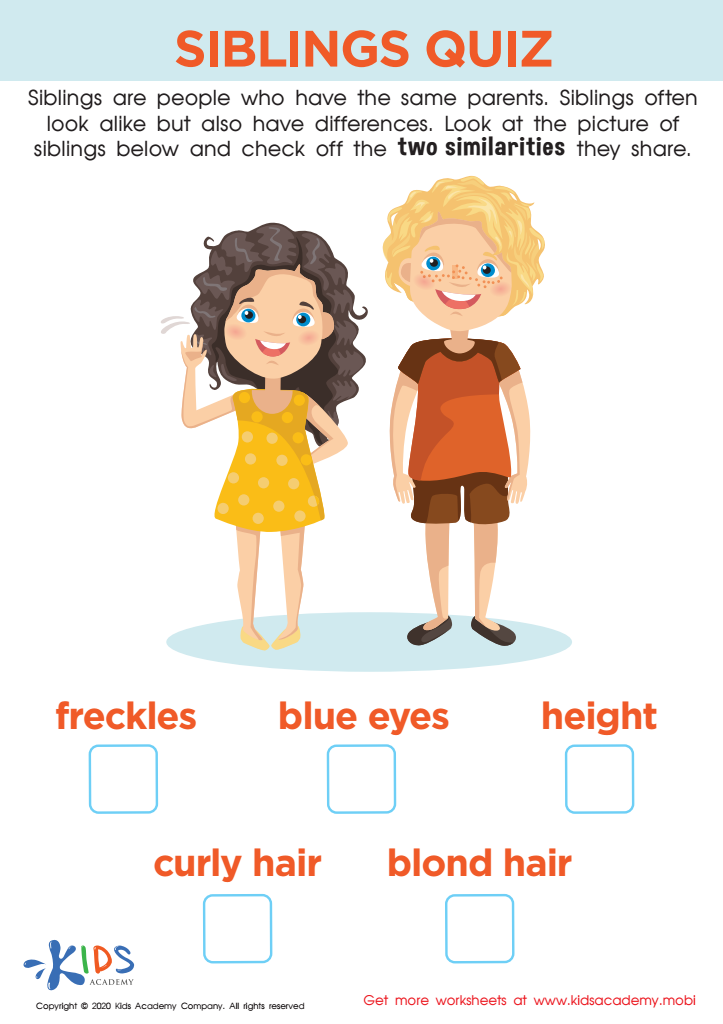
Siblings Quiz Worksheet




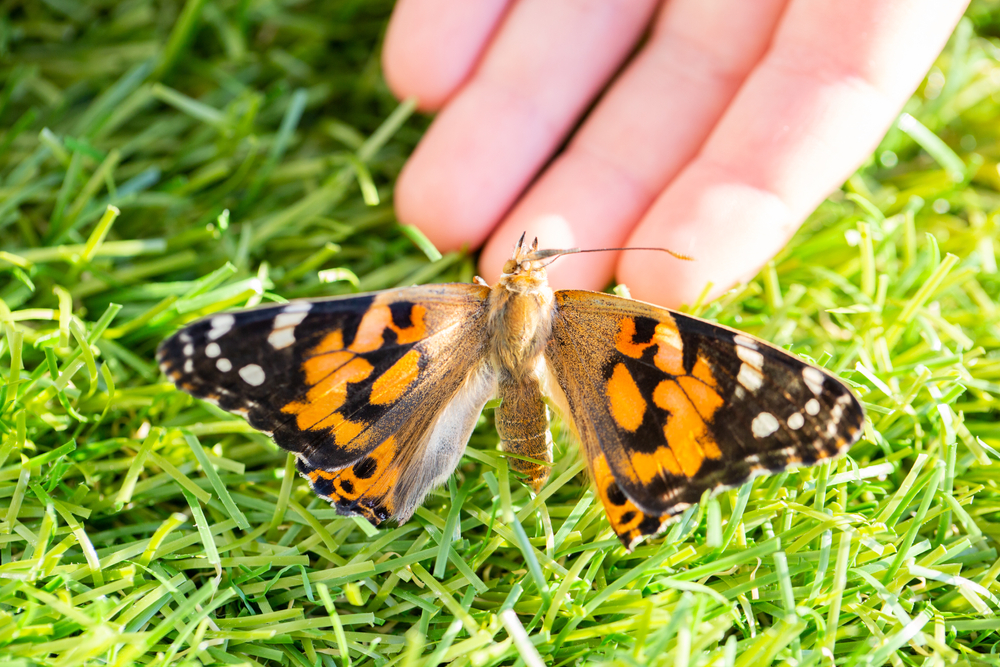



Vocabulary expansion in young children, particularly around subjects like "Normal Plants and Animals," is crucial for several reasons. First, it lays a foundation for effective communication. When children learn the names of plants and animals, as well as their characteristics, they can express their thoughts and feelings more clearly, fostering better interactions with peers and adults.
Second, expanding vocabulary enhances children's cognitive development. Engaging with words related to nature stimulates curiosity and encourages inquiry. Children begin to relate words to their experiences, promoting critical thinking and observation skills essential for learning.
Third, understanding terms related to plants and animals helps build a sense of environmental awareness. It nurtures an appreciation for nature, encouraging respectful behavior towards the environment. This expands into discussions about ecosystems, conservation, and responsibility.
Finally, a robust vocabulary contributes to literacy skills. As children encounter more descriptive words in stories or educational content about plants and animals, they build a store of words that supports reading comprehension and writing abilities.
In sum, focusing on vocabulary pertaining to Normal Plants and Animals empowers children communication, cognitive abilities, environmental awareness, and literacy, equipping them for academic success and informed citizenship.







