Problem-Solving Skills Normal Social Studies Worksheets for Ages 4-6
7 filtered results
Difficulty Level
Grade
Age
-
From - To
Subject
Activity
Standards
Empower young learners with our Problem-Solving Skills Normal Social Studies Worksheets designed for ages 4-6. These engaging worksheets introduce children to essential problem-solving concepts through fun, age-appropriate activities. Each worksheet encourages critical thinking, logical reasoning, and the ability to navigate social situations, helping children develop valuable skills for lifelong learning. Interactive scenarios foster creativity and collaboration while promoting individual thinking. Perfect for preschool and early grade classrooms, our worksheets seamlessly blend education and enjoyment. Download these colorful, adaptable resources to support your teaching and maximize your students’ understanding of problem-solving in everyday life! Start your children on the path to becoming confident decision-makers today!
Favorites
With answer key
Interactive
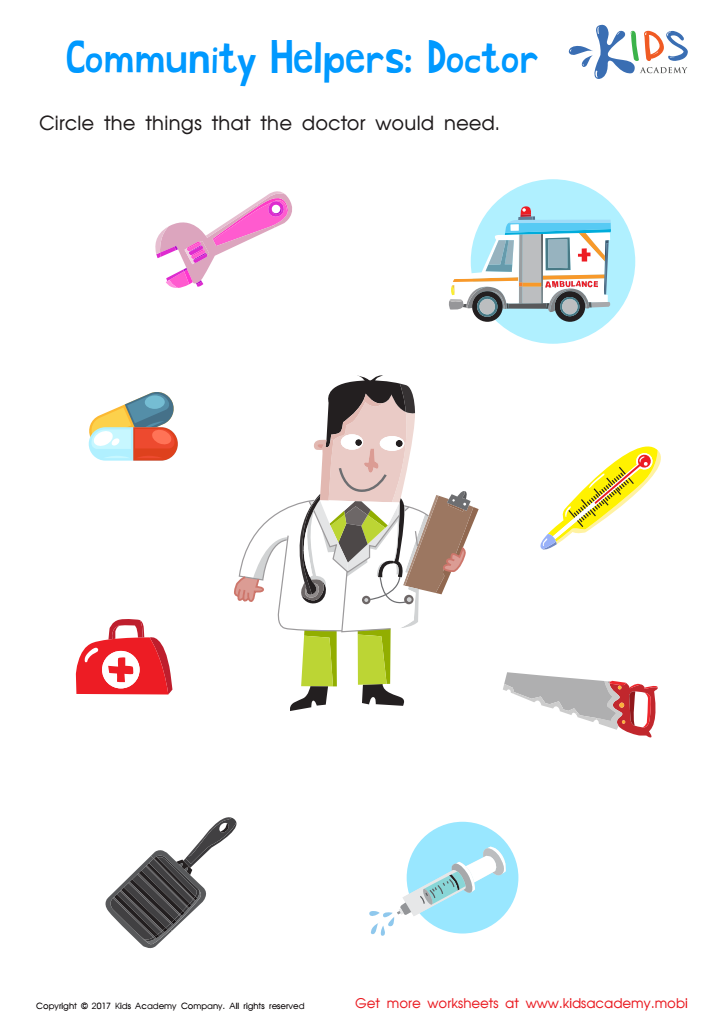
Community Doctors: Maze Printable
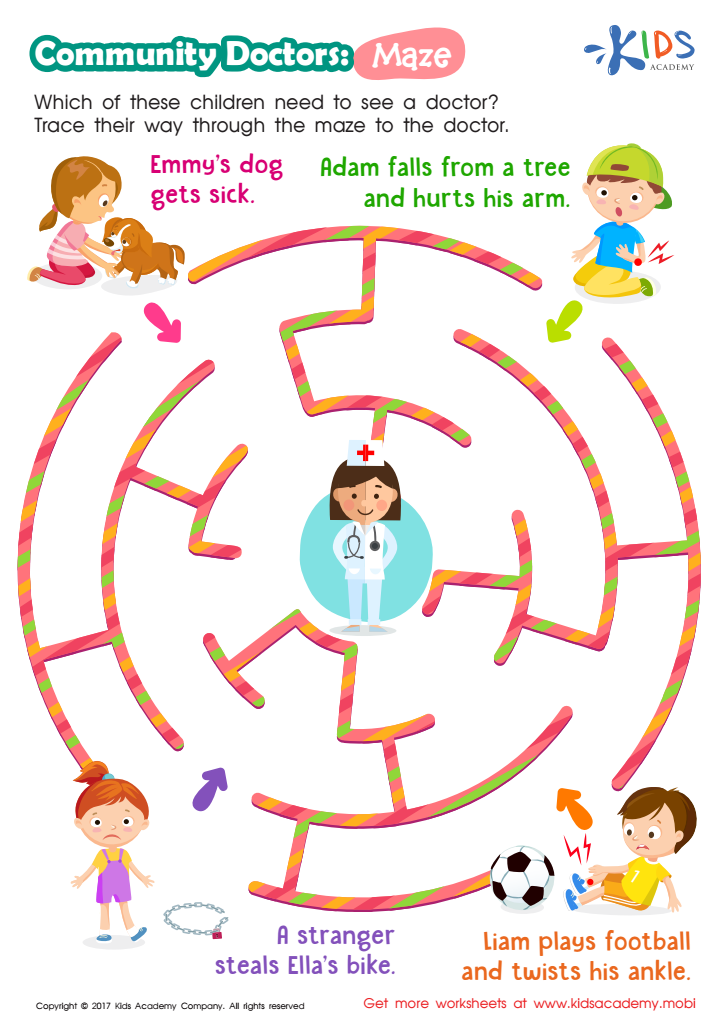
It will help your child demonstrate prior knowledge of doctors, consider their role in the community, and connect learning to a fun activity.
Kids already know what it's like to visit the doctor, but this worksheet will help them see doctors as community leaders too. It's a quick and fun way to teach your child about doctors and their roles, with a maze to complete after each scenario. Learning made enjoyable!
 Assign to My Students
Community Doctors: Maze Printable
Worksheet
Thinking Past Printable
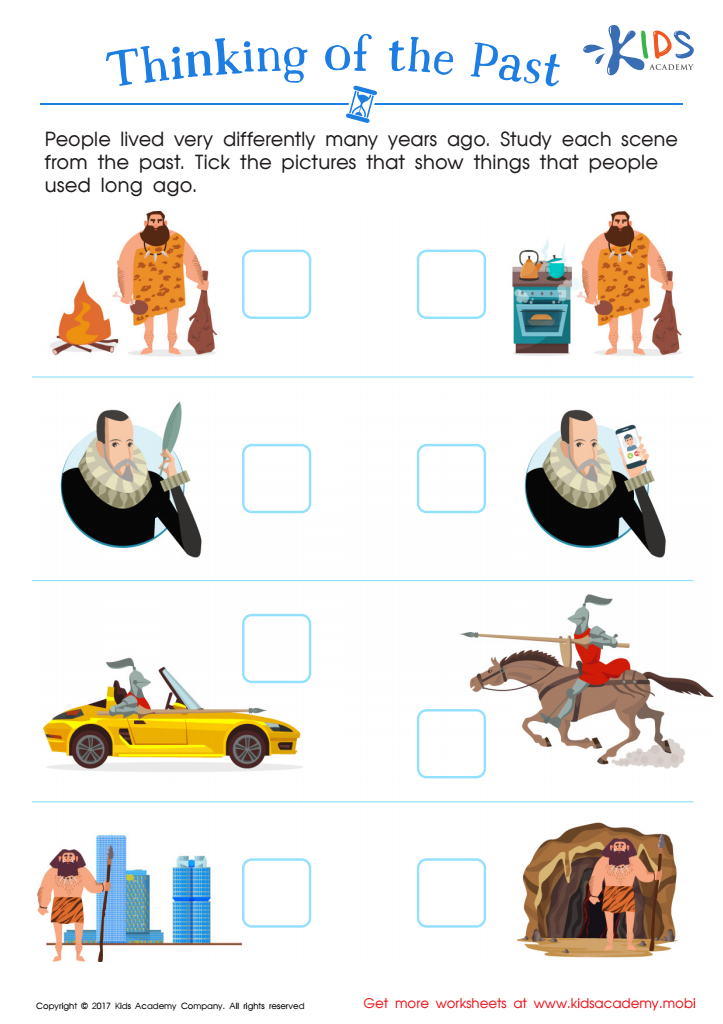
Bring the past to life for your kid with this fun worksheet! They'll use logic to choose the right answer, learning about different eras and how people lived in them. With a colorful caveman and modern skyscraper side by side, they won't even realize they're building historical knowledge.
Thinking Past Printable
Worksheet
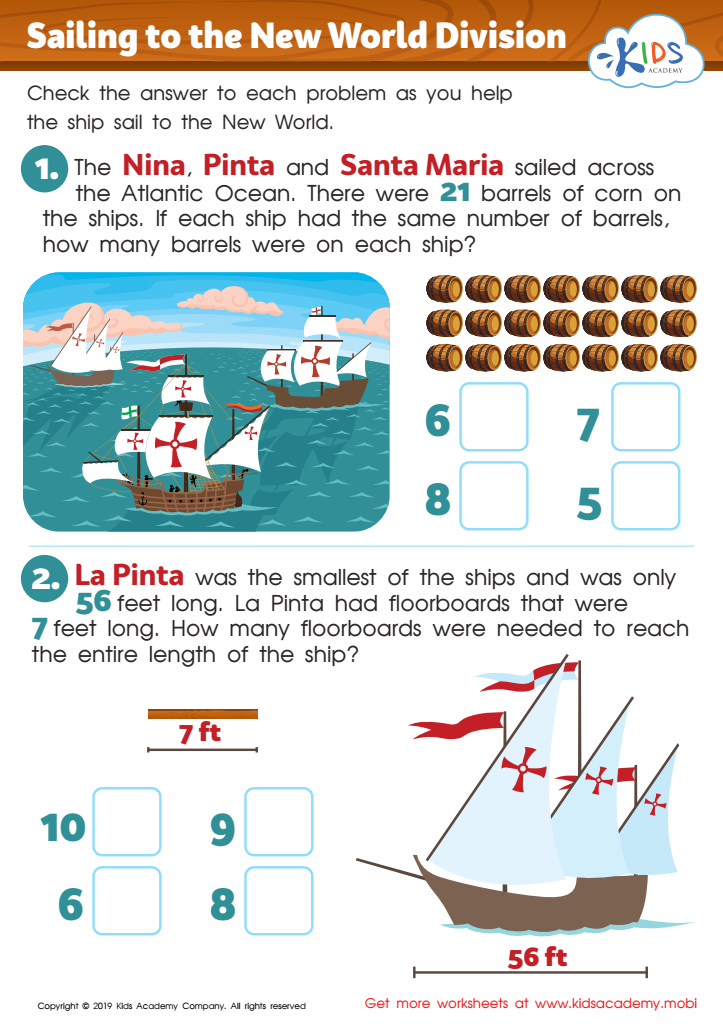
Sailing to the New World Division Worksheet
This worksheet combines history and math, helping kids make sense of problem-solving. Christopher Columbus sailing the ocean blue is combined with picture representations of division word problems in bold colors and highlighted numbers. Kids can learn while having fun figuring out the problems, regardless of whether it's math or history.
Sailing to the New World Division Worksheet
Worksheet

Towns Worksheet
Towns are generally quiet and safe, making them attractive for young families. Cities have more people, businesses and tall buildings. Roads are busy, and there is often plenty to do and see. Help your kids check which pictures in this worksheet show towns.
Towns Worksheet
Worksheet
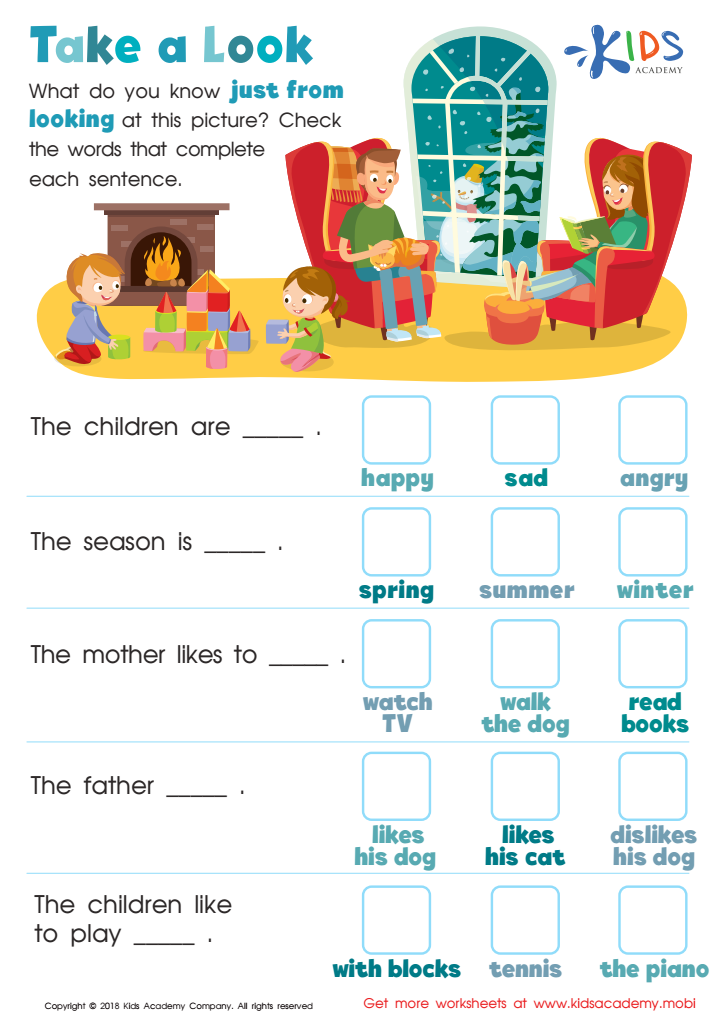
Take a Look - Part 1 Worksheet
Young learners gain understanding when using picture clues when reading. Looking at illustrations can help students learn the meaning of key vocabulary when reading fiction or informational text. Ask your students to look at the worksheet and observe what they can learn from the picture. It's a great comprehension strategy for early readers.
Take a Look - Part 1 Worksheet
Worksheet
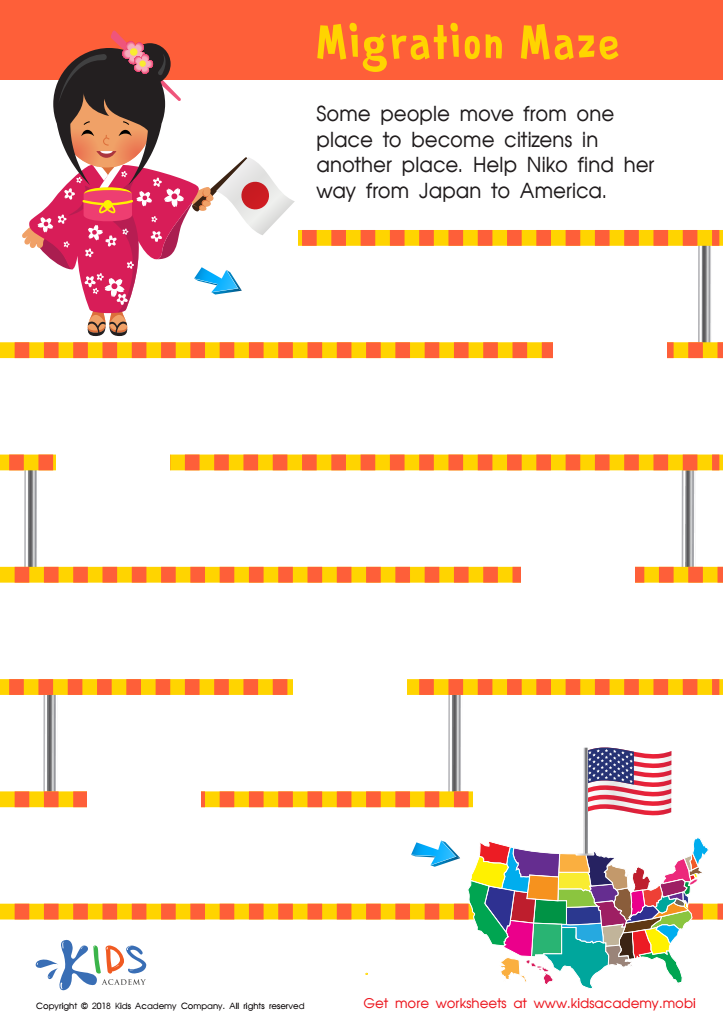
Migration Maze Worksheet
You are a citizen of your school, city and country. Many people migrate to become citizens of another place, like Niko in this worksheet. Ask your students to help her find her way from Japan to America.
Migration Maze Worksheet
Worksheet
Join Kids Academy for Free
Who is primarily going to use this learning content?







Parents and teachers should care about problem-solving skills in social studies for ages 4-6 because these skills are foundational for children's cognitive and social development. At this age, children are naturally curious and begin to make sense of their world through exploration and interaction. By incorporating problem-solving activities in social studies, educators and caregivers can encourage critical thinking, enhance communication, and foster collaboration among peers.
Problem-solving tasks help children learn to identify questions, gather information, and evaluate outcomes, all of which are essential skills for lifelong learning. Engaging in social studies activities allows children to explore diverse perspectives and understand their community, promoting empathy and social awareness.
Moreover, these skills lay the groundwork for developing resilience in the face of challenges. Children learn that problems are opportunities for learning and growth, which is crucial in their educational journey. Parents and teachers who focus on nurturing problem-solving capabilities support children's emotional intelligence and decision-making, preparing them to navigate real-world challenges effectively. Ultimately, fostering these skills early on not only boosts academic success but also helps shape responsible, thoughtful, and proactive citizens for the future.