Enhancing logical thinking Normal Worksheets for Ages 4-7
4 filtered results
-
From - To
Unlock your child's potential with our "Enhancing Logical Thinking Normal Worksheets" designed for ages 4-7. These engaging worksheets promote critical thinking skills through fun, age-appropriate activities. Children will tackle puzzles, pattern recognition, and problem-solving exercises that challenge their reasoning abilities. Our worksheets are crafted to foster curiosity and encourage analytical thinking, making learning enjoyable and effective. Perfect for early grade teachers or parents looking to enrich their child's educational journey, these resources support cognitive development in a playful manner. Help your little ones build a strong foundation in logical thinking and watch them thrive in their learning endeavors!
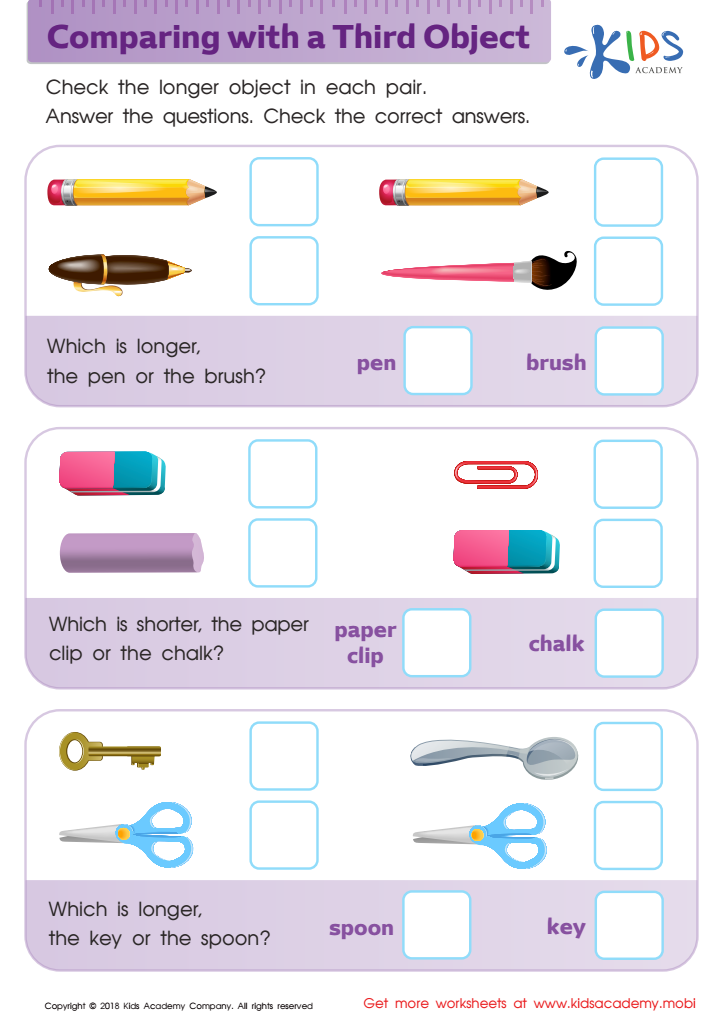
Comparing with a Third Object Worksheet
 Assign to My Students
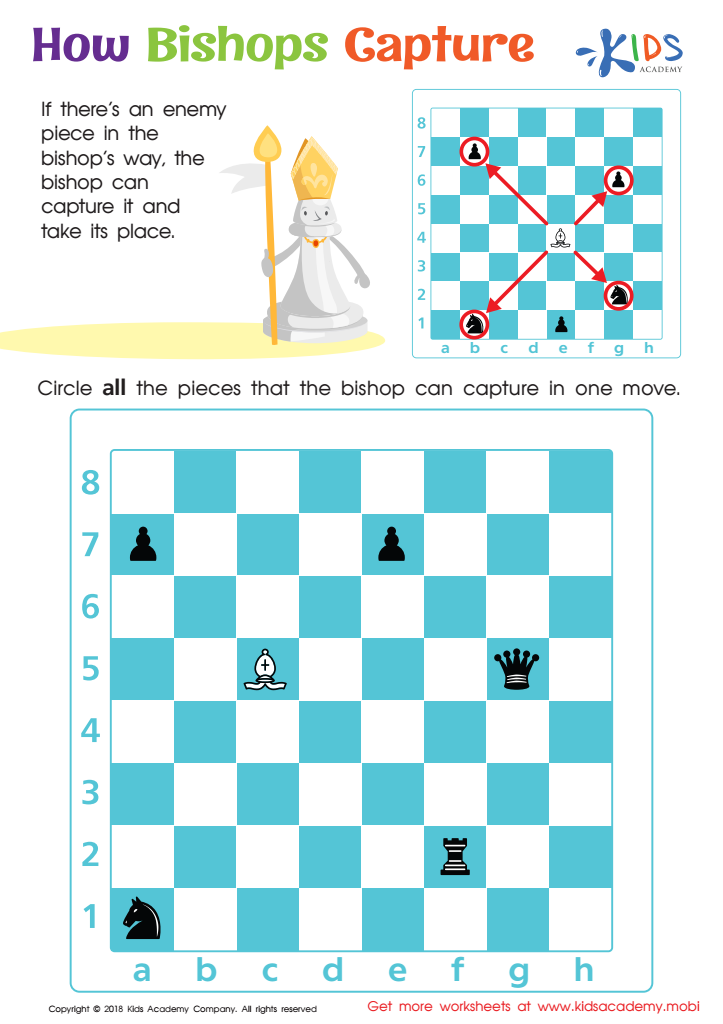
How Bishops Capture Worksheet
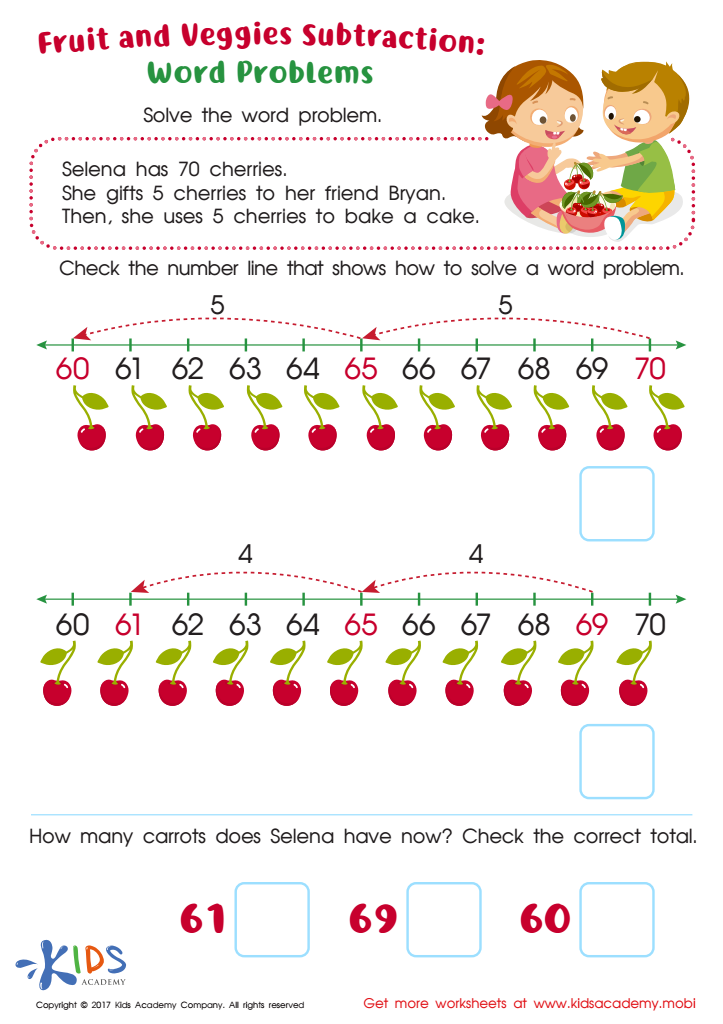
Subtraction Word Problems Free Printable
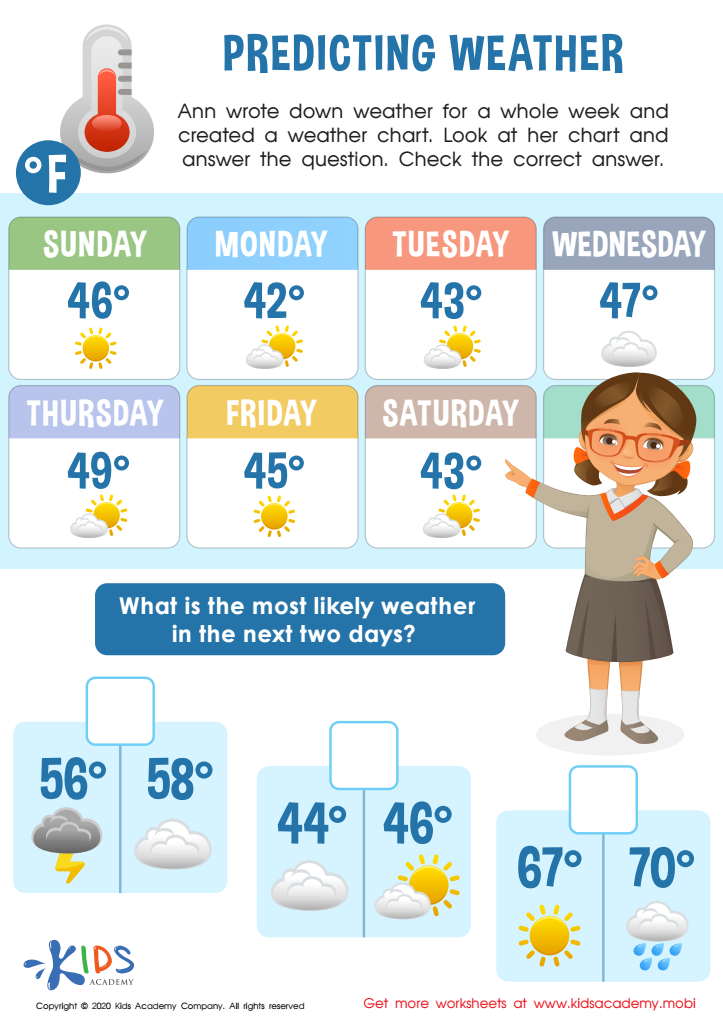
Predicting Weather Worksheet







Enhancing logical thinking in children ages 4-7 is crucial for their overall cognitive development and future success. At this age, children's brains are highly adaptable, making it an opportune time for parents and teachers to nurture logical reasoning skills. Logical thinking helps children make connections between ideas, solve problems, and understand cause-and-effect relationships, which are essential skills for academic success and daily decision-making.
Fostering these skills can lead to improved performance in mathematics, science, and literacy. For instance, children who engage in activities that promote logical thinking—such as puzzles, simple programming games, or structured discussions—are better equipped to analyze information and make informed choices. Furthermore, logical thinking supports emotional regulation and social interactions; children learn to think through problems rather than react impulsively.
Moreover, early childhood is a time when children form their basic understanding of the world. By nurturing logical thinking, parents and teachers can cultivate curiosity, creativity, and resilience in young learners. In an increasingly complex world, these skills are foundational, equipping children to navigate challenges and succeed not just academically, but also in social and professional contexts later in life. Ensuring children develop logical thinking abilities sets them on a path toward lifelong learning and problem-solving adaptability.








