Observational skills Normal Worksheets for Ages 4-7
15 filtered results
-
From - To
Enhance your child's observational skills with our engaging worksheets tailored for ages 4 to 7. These fun and interactive activities are designed to foster critical thinking, attention to detail, and visual recognition. Each worksheet encourages young learners to identify differences, match patterns, and focus on specific details, all while enjoying colorful illustrations and relatable scenarios. Perfect for home or classroom use, these worksheets support early childhood development by combining learning with play. Download now and give your child the tools they need to explore the world around them with confidence and curiosity! Perfect for parents and teachers alike!
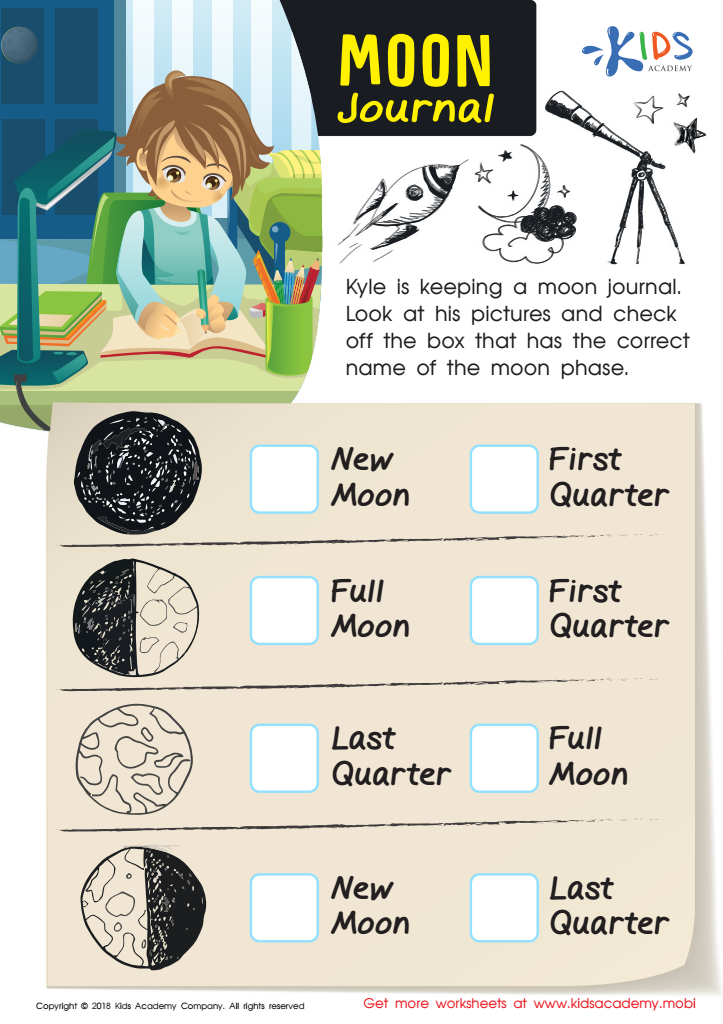
Moon Journal Worksheet
 Assign to My Students
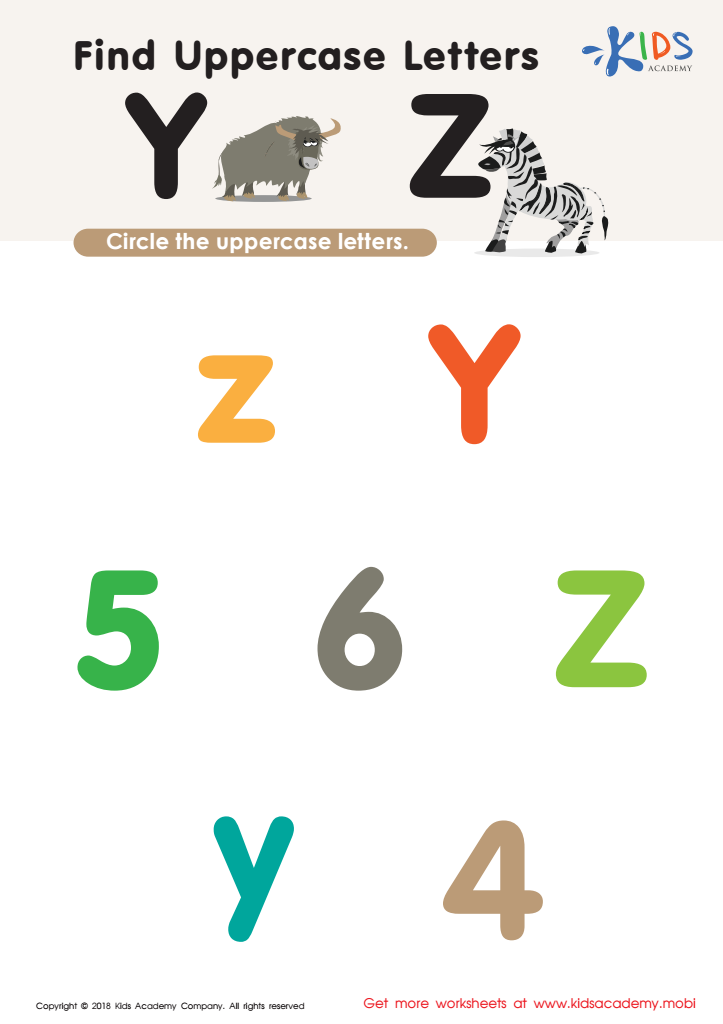
Find Uppercase Letters Y Z Worksheet
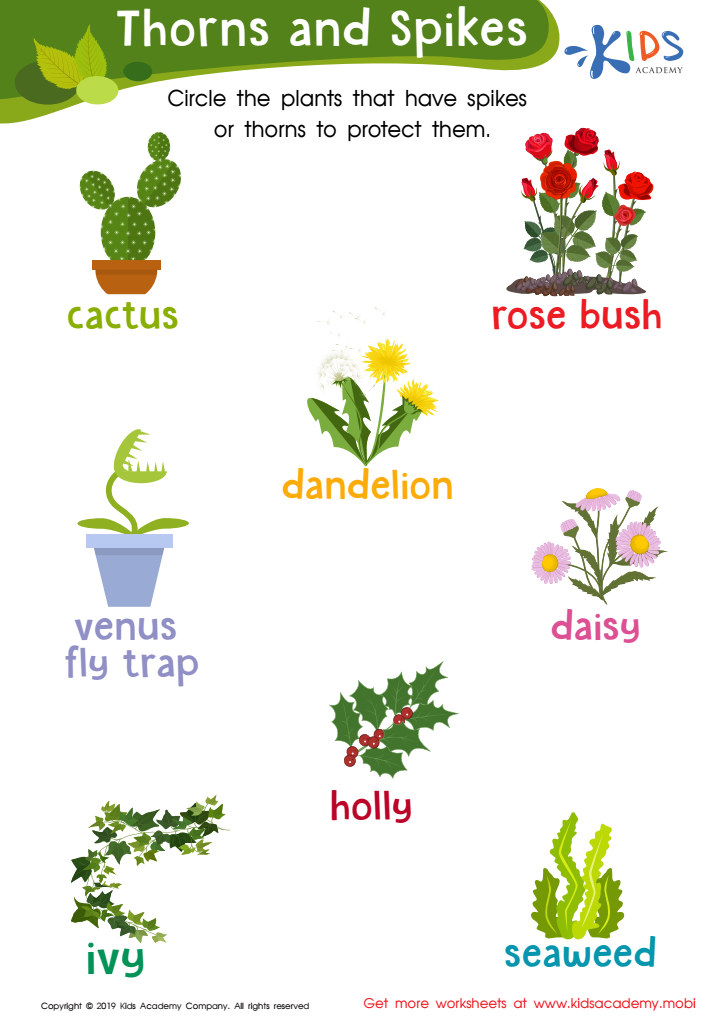
Thorns and Spikes Worksheet
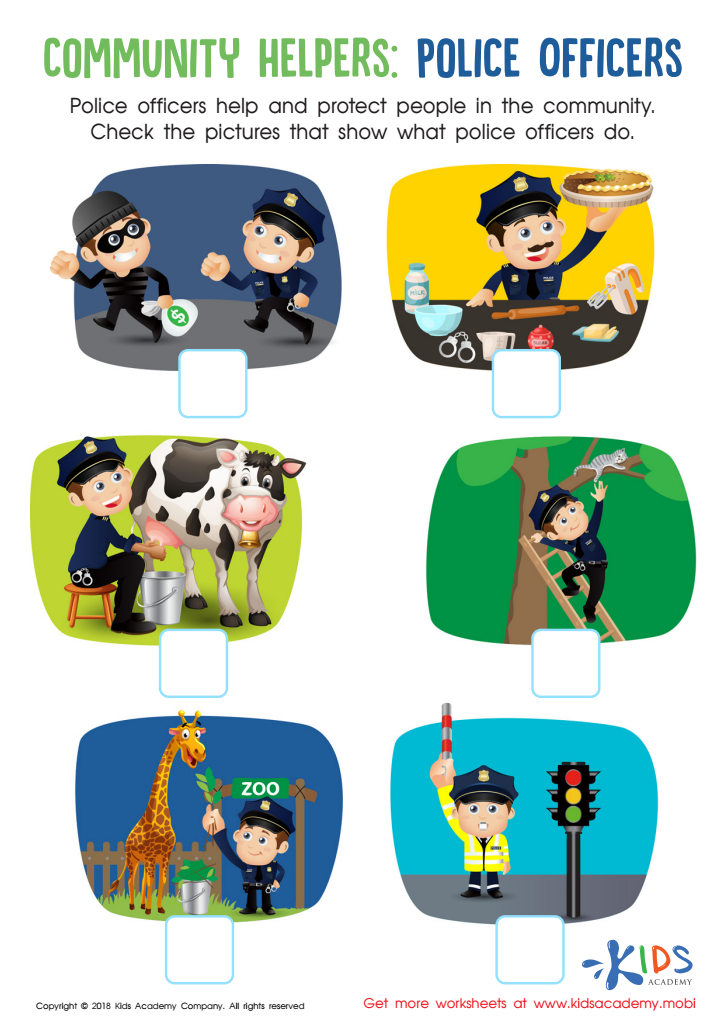
Police Officers Community Helpers Worksheet
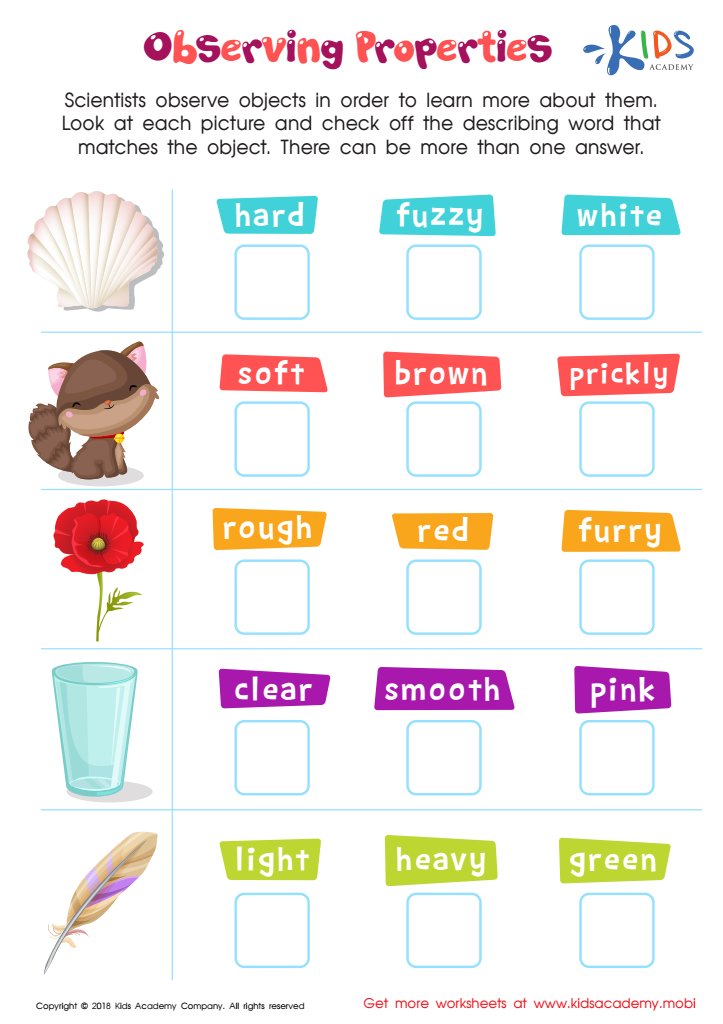
Observing Properties Worksheet
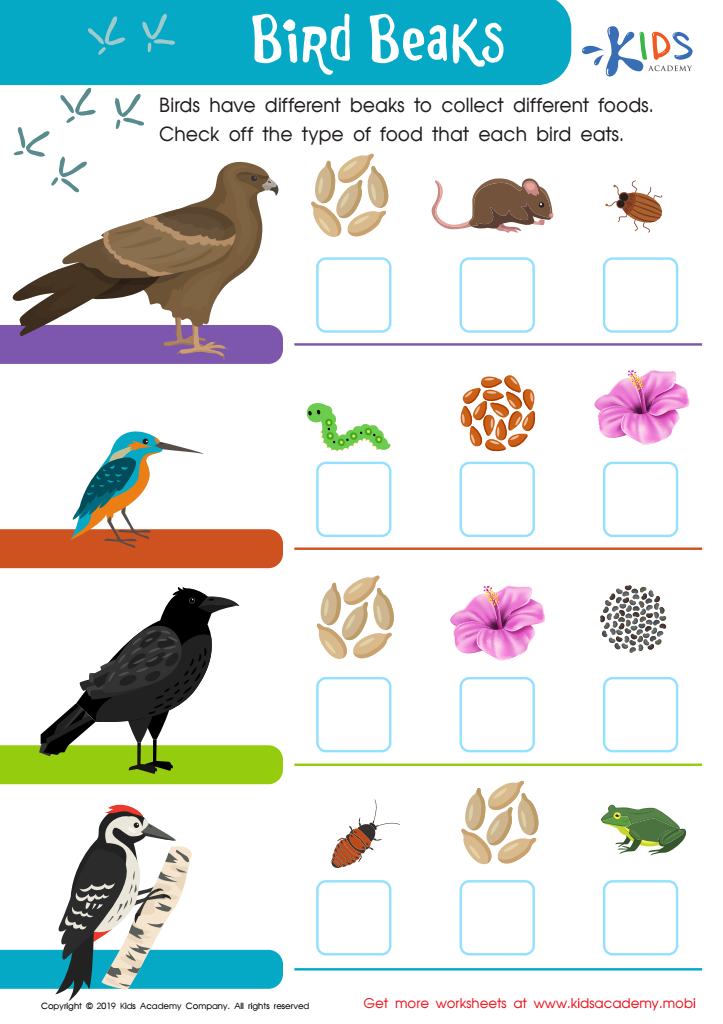
Bird Beaks Worksheet
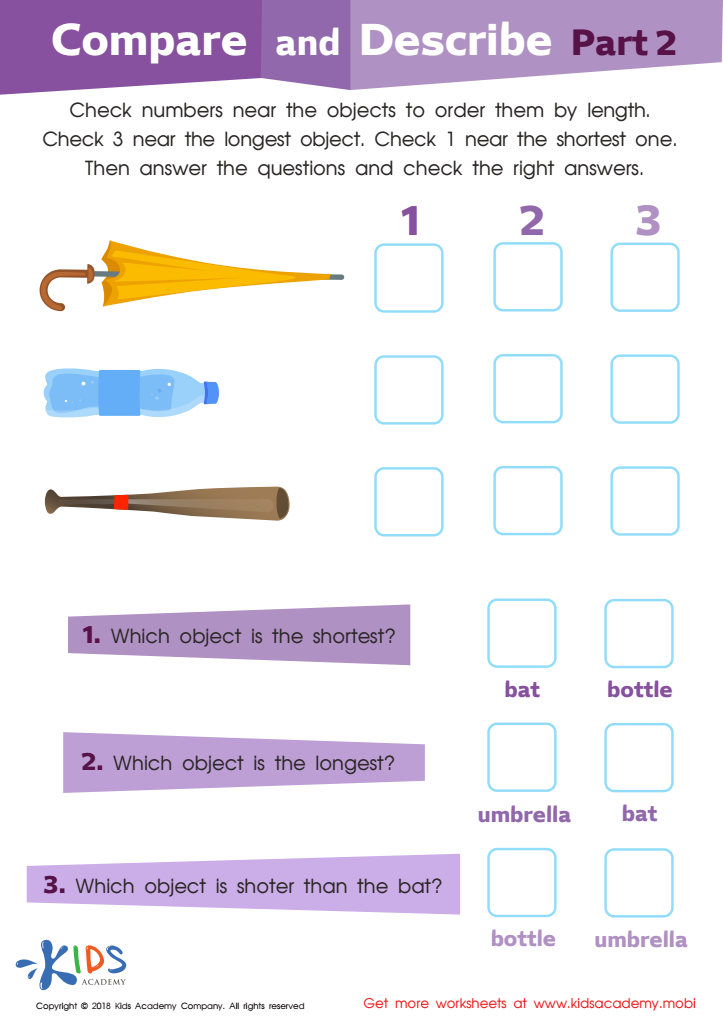
Compare and Describe: Part 2 Worksheet
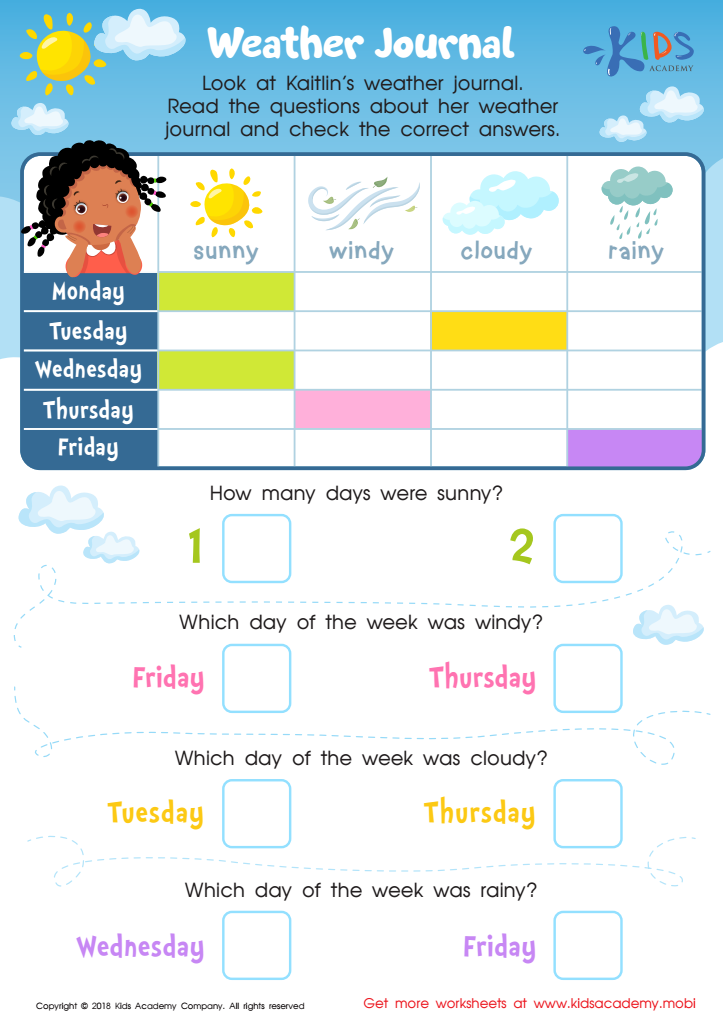
Weather Journal Worksheet
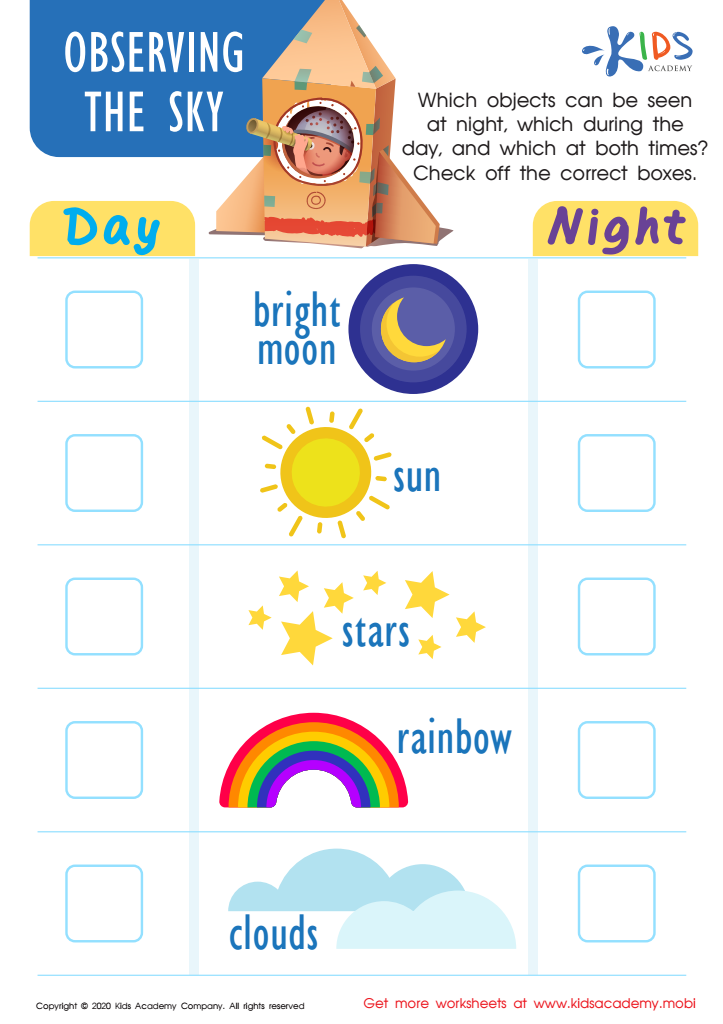
Observing the Sky Worksheet
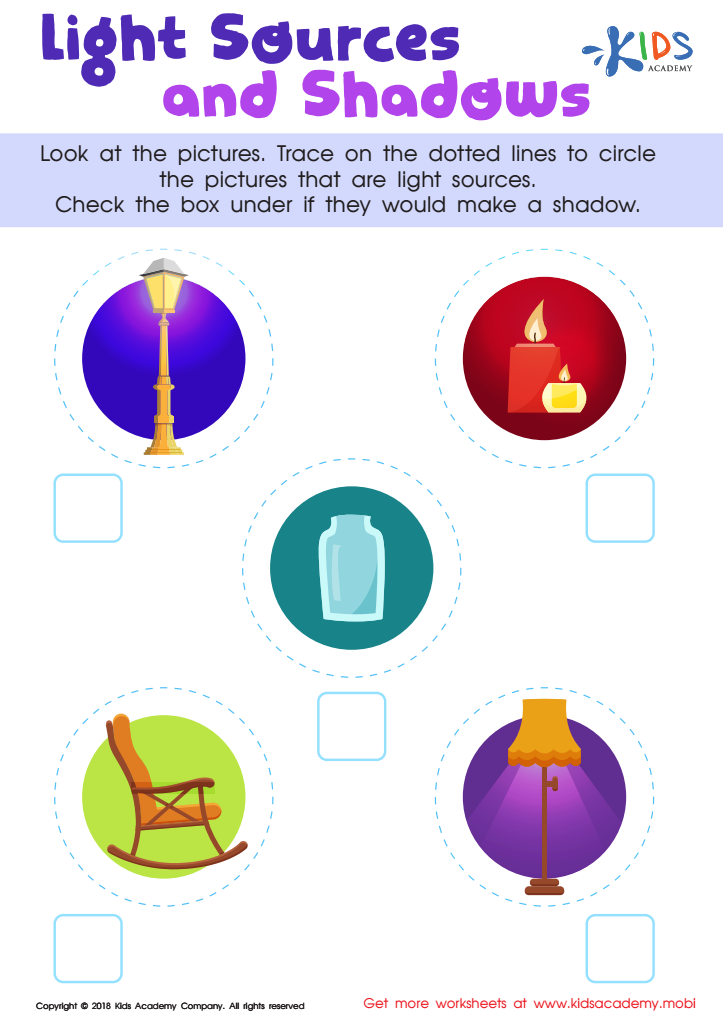
Light Sources and Shadows Worksheet
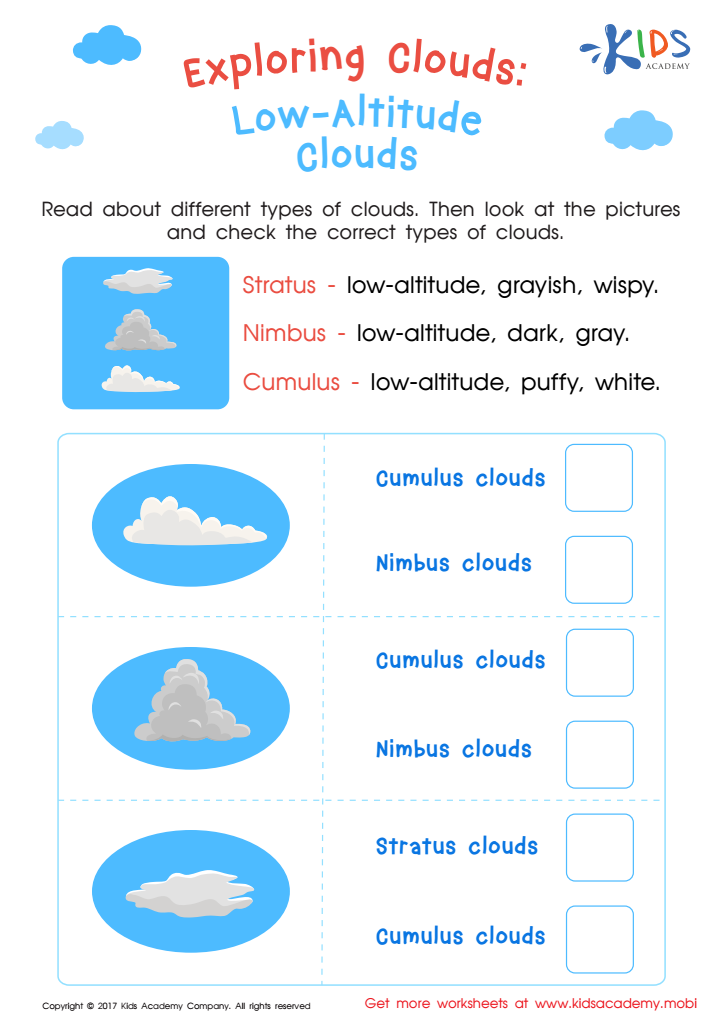
Exploring Clouds: Low Altitude Clouds Printable
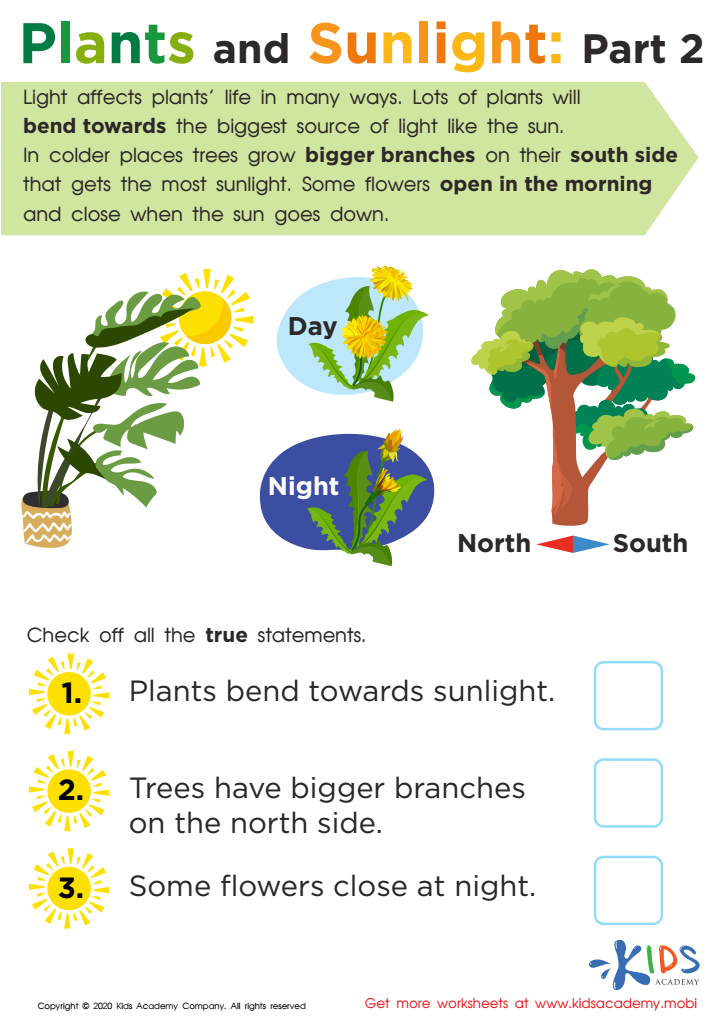
Plants and Sunlight: Part 2 Worksheet
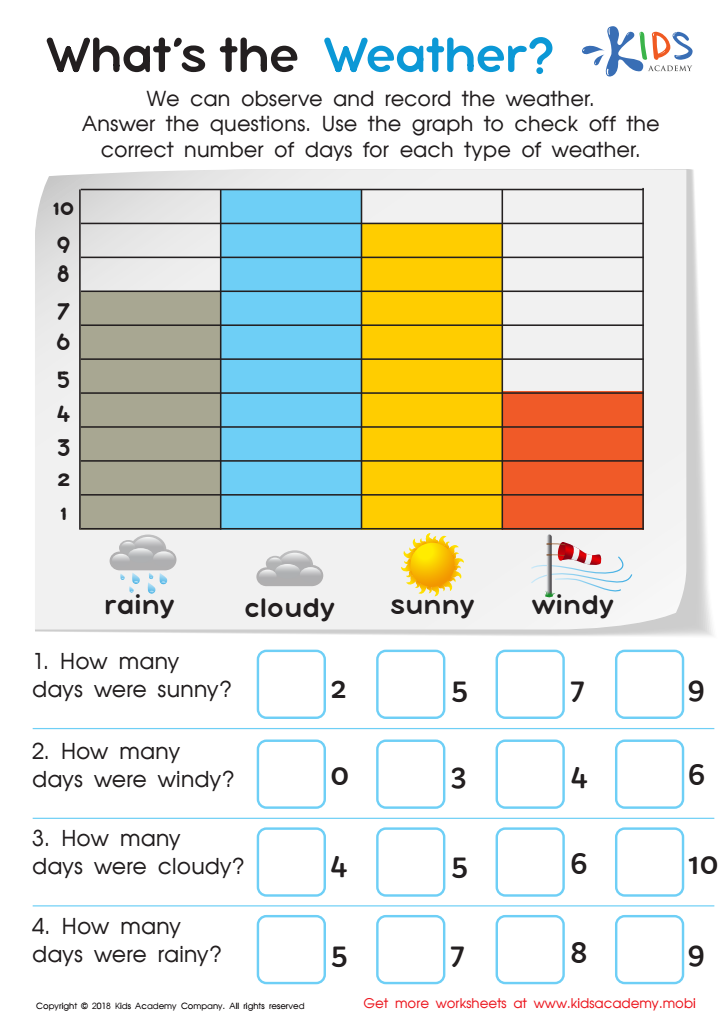
What's the Weather? Worksheet
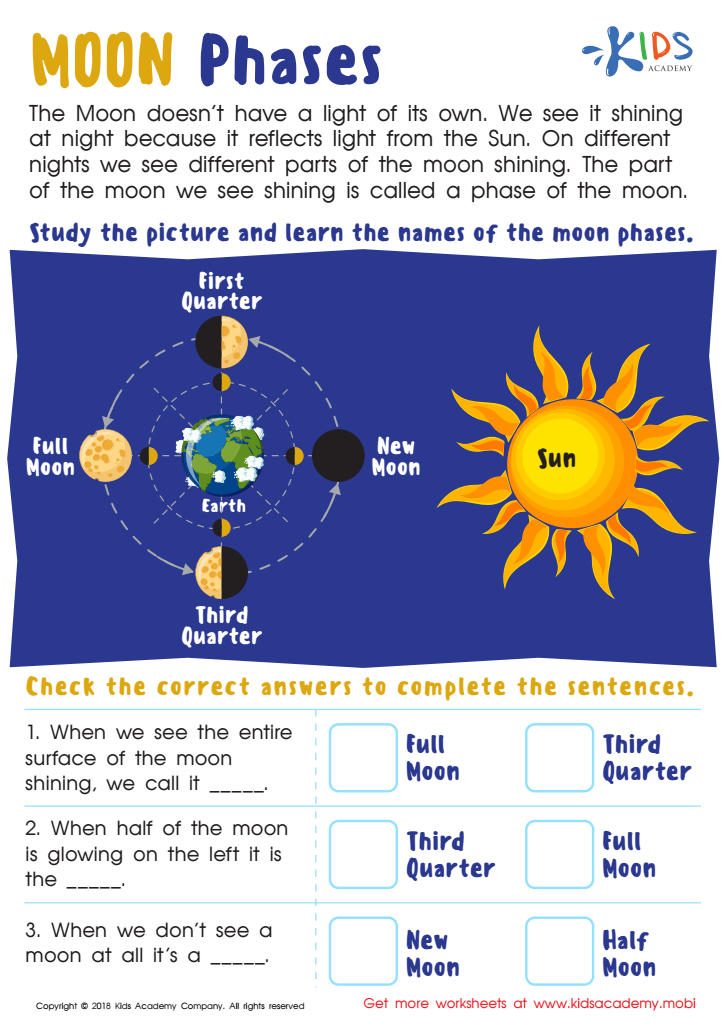
Moon Phases Worksheet
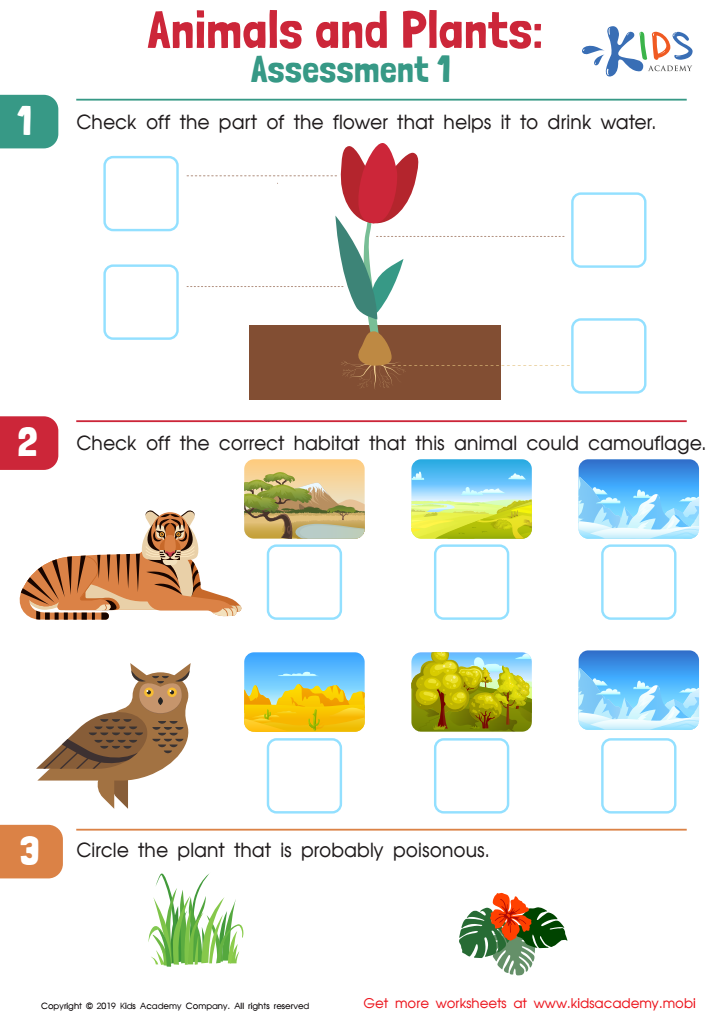
Animals and Plants: Assessment 1 Worksheet






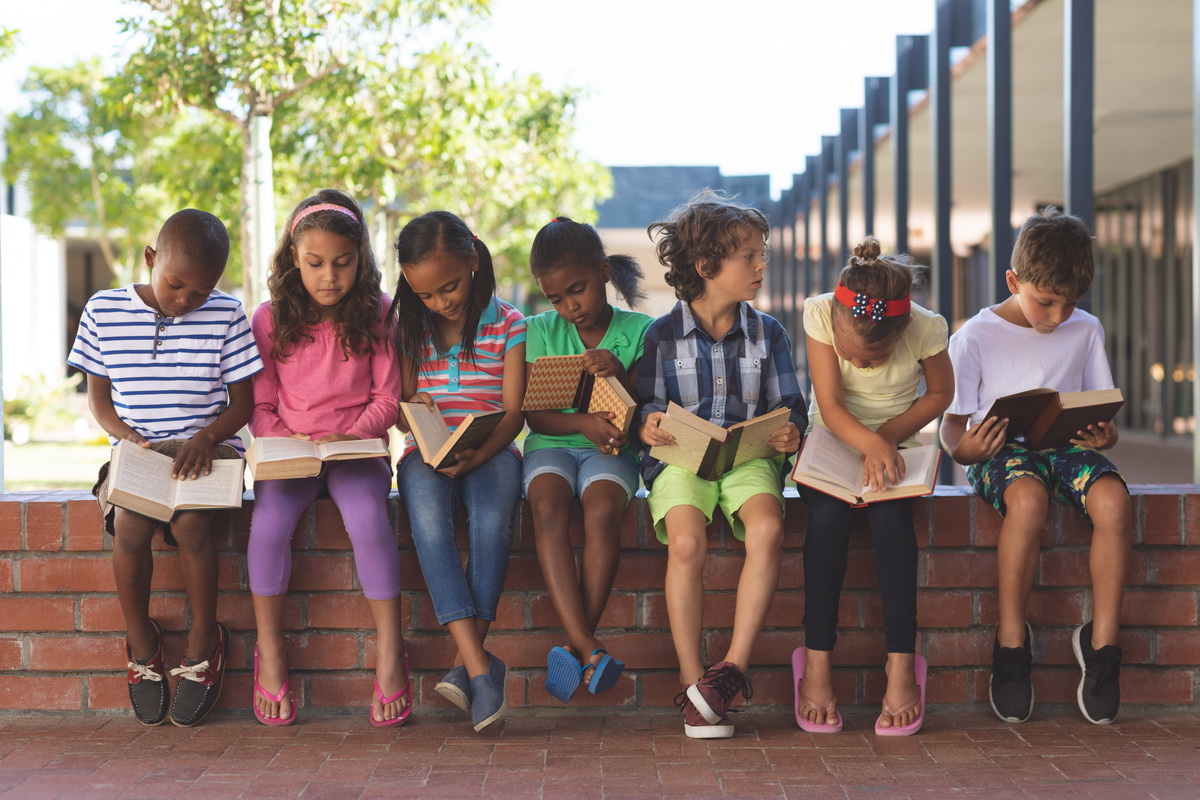
Observational skills are crucial for children aged 4-7 as they form the foundation for learning and understanding the world around them. During this developmental stage, children are naturally curious and eager to explore. Teaching them to observe effectively enhances their ability to gather information, make connections, and develop critical thinking skills.
Parents and teachers should prioritize observational skills because these abilities foster cognitive and emotional development. For instance, when children learn to observe details in their environment or in social interactions, they improve their understanding of relationships, emotions, and social cues. This lays the groundwork for effective communication and problem-solving abilities.
Moreover, observational skills support academic success. As children engage with their surroundings—whether through nature walks, classroom activities, or storytelling—it boosts their vocabulary, comprehension, and analytical thinking. They learn to ask questions, draw conclusions, and express their thoughts, leading to a greater engagement with learning materials.
Finally, instilling strong observational skills helps children develop a lifelong love of learning. By encouraging curiosity and attentiveness, parents and teachers can nurture resilient, observant individuals who thrive both socially and academically. In a rapidly changing world, these skills are more important than ever.








