Problem-Solving Skills Normal Addition Facts Worksheets for Ages 4-7
5 filtered results
-
From - To
Unlock your child's math potential with our "Problem-Solving Skills Normal Addition Facts Worksheets," specially designed for ages 4-7. These engaging worksheets promote critical thinking and enhance addition skills through interactive problem-solving tasks. Perfect for young learners, each activity encourages children to tackle real-world math scenarios, fostering a strong foundational understanding of addition. With colorful illustrations and age-appropriate challenges, students will enjoy exploring various addition facts while developing essential cognitive abilities. Equip your child with the necessary tools to navigate everyday problems confidently, making math fun and accessible. Discover the joy of learning with our expertly designed worksheets today!
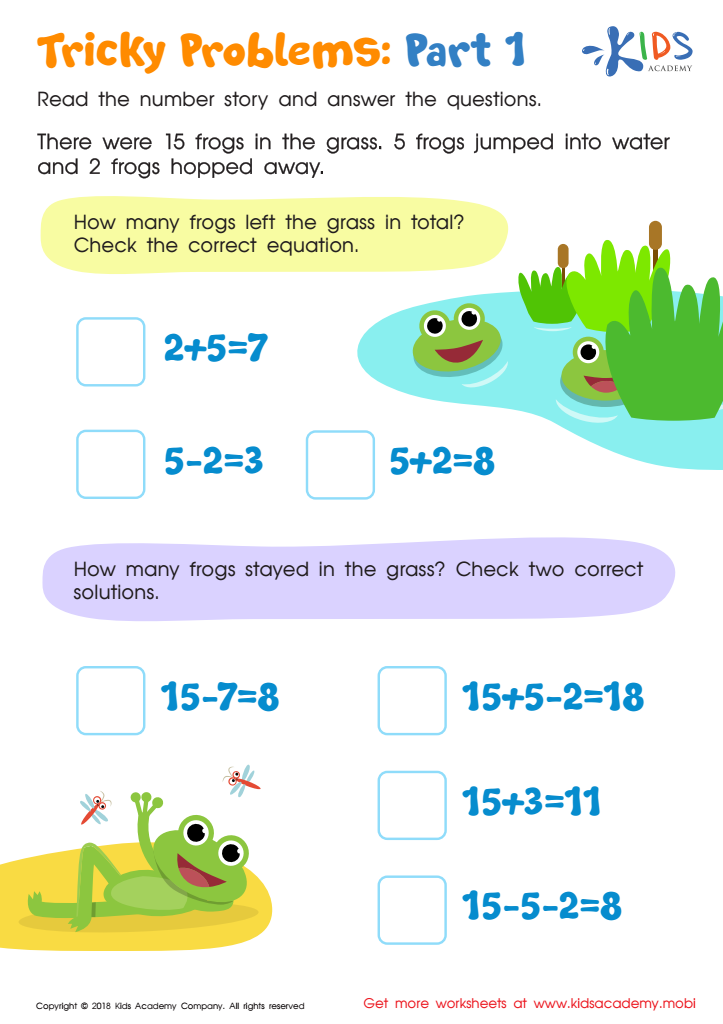
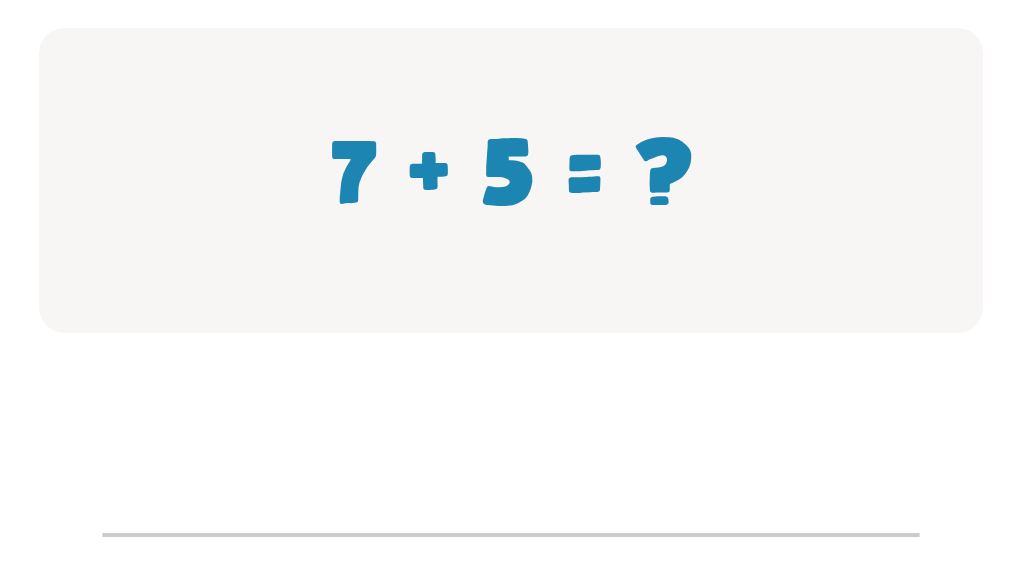
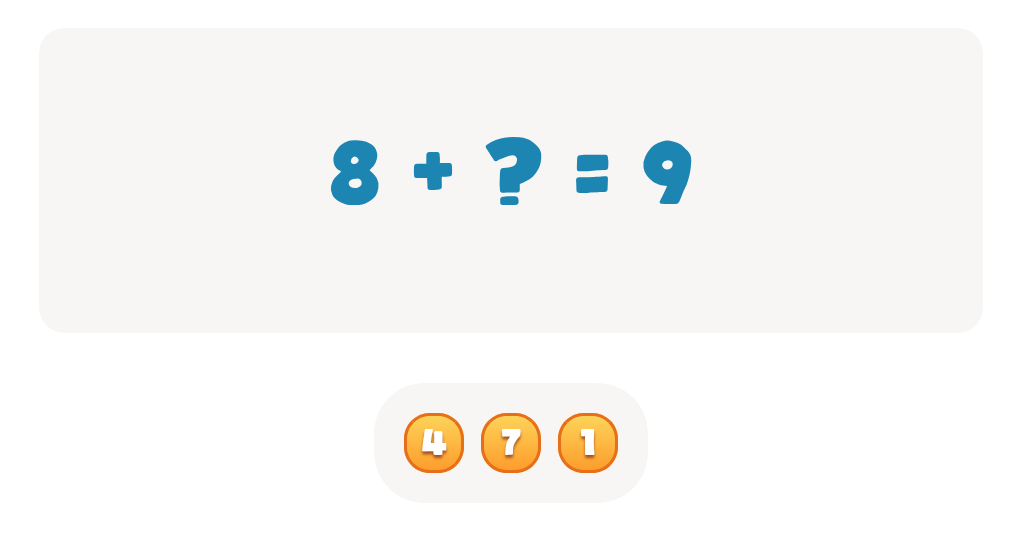
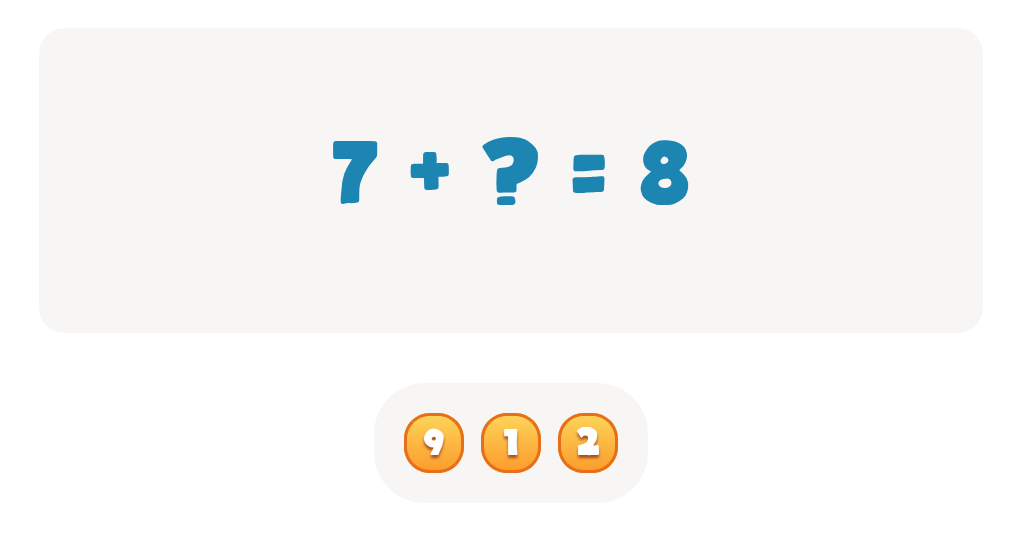
Tricky Problems Worksheet: Part 1
 Assign to My Students



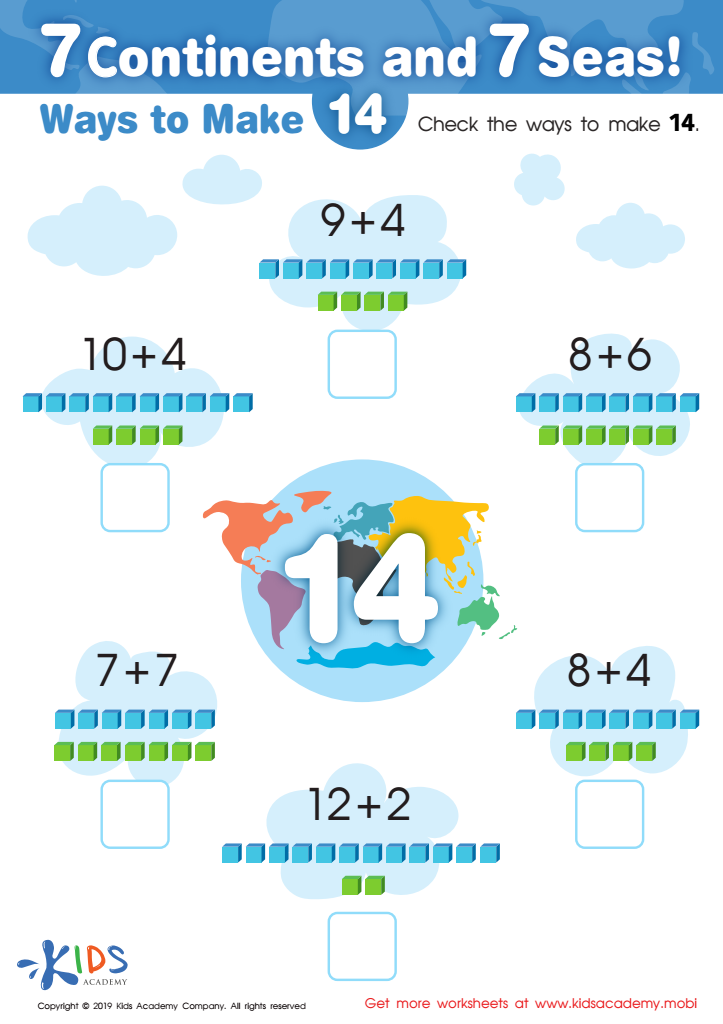
7 Continents and 7 Seas Worksheet
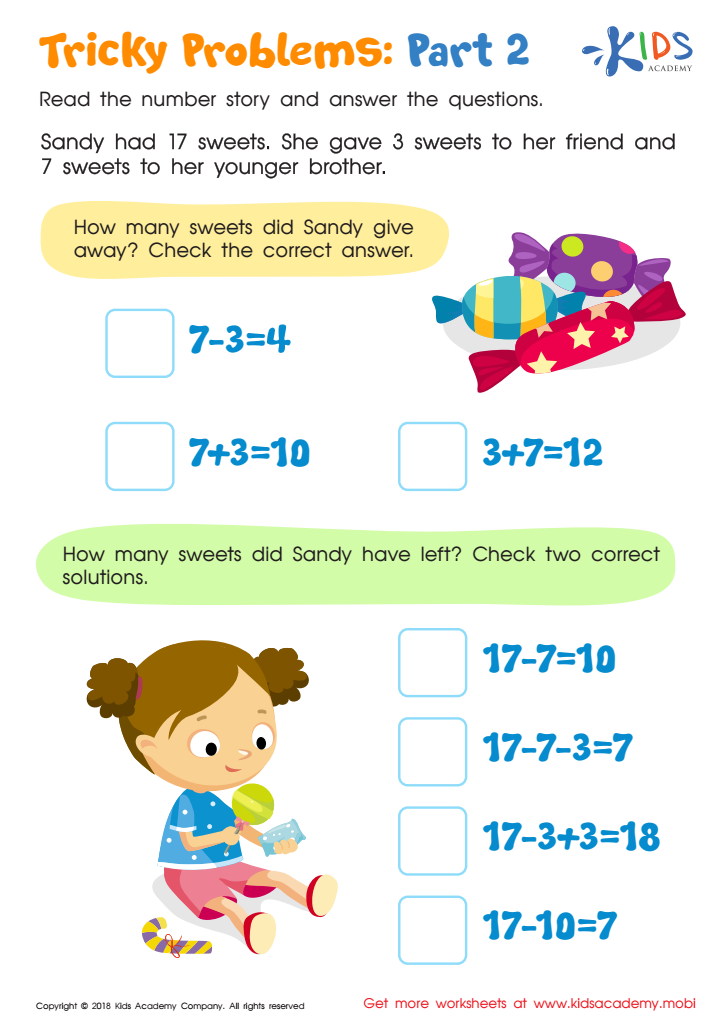
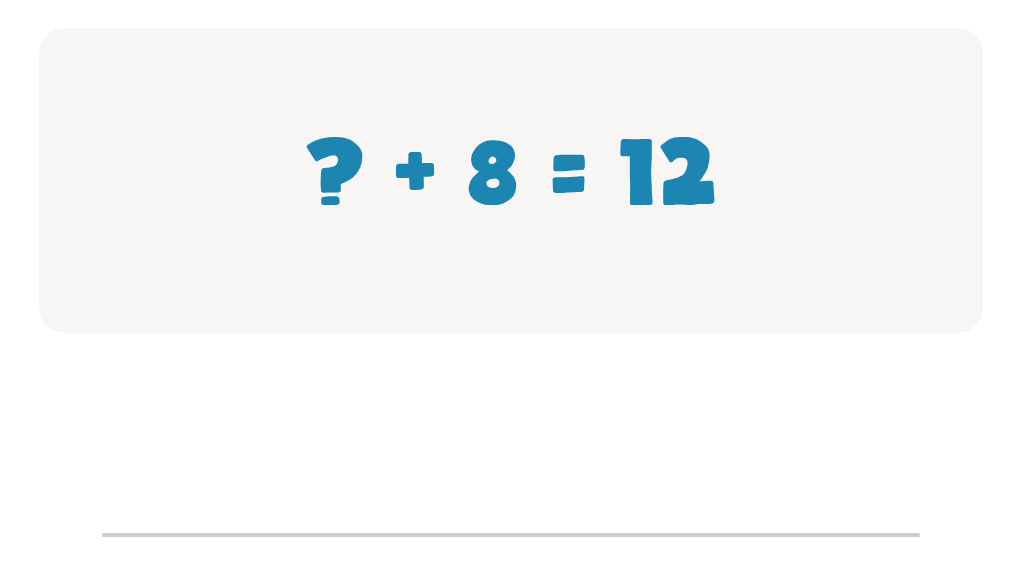
Tricky Problems Worksheet: Part 2
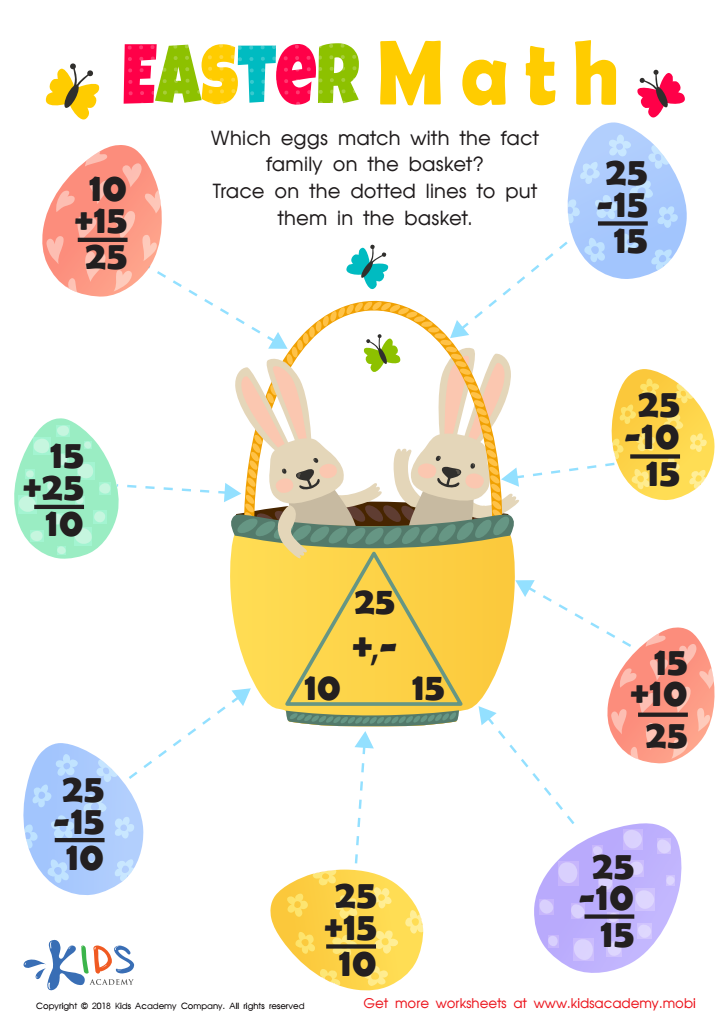
Fact Families: Easter Math Worksheet
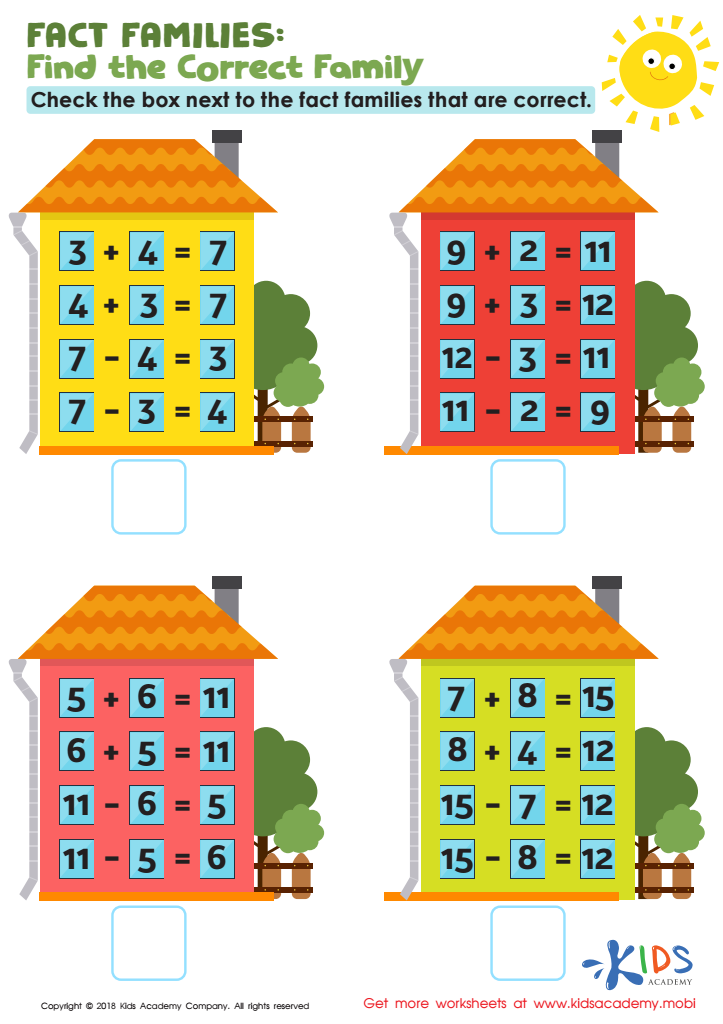
Fact Families: Find Correct Family Worksheet








Problem-solving skills and normal addition facts are crucial for children aged 4-7 as they lay the foundation for future academic success and everyday functioning. During this developmental stage, children are naturally curious and eager to explore math concepts. By teaching them addition facts in a fun and engaging way, parents and teachers can nurture their critical thinking and analytical skills.
These essential math skills help children develop a sense of confidence and fluency in working with numbers. Mastering normal addition facts promotes mental math proficiency, enabling them to face more complex math challenges as they progress through school. In addition, problem-solving skills enhance cognitive development, teaching kids to approach obstacles logically and strategically.
Moreover, with strong problem-solving abilities, children can better cope with real-life situations and become resilient learners, instilling a growth mindset. Versatile problem-solving skills also translate to other subjects, promoting application in science, social studies, and even art.
By prioritizing normal addition facts and problem-solving skills, parents and teachers equip children with tools they need not only for academic performance but also for critical life skills. Engaging young learners in these areas sets them on a path to become proficient, confident, and resilient individuals.








