Filters

30 filtered results

Clear all filters
Favorites
With answer key
Interactive

30 filtered results

Difficulty Level

Grade


Check out this FREE Trial Lesson on Math for age 4-7!

Match Numerals to Quantities

Favorites
With answer key
Interactive
  • 4-7
  • Basic Math Skills
  • Math
  • Normal
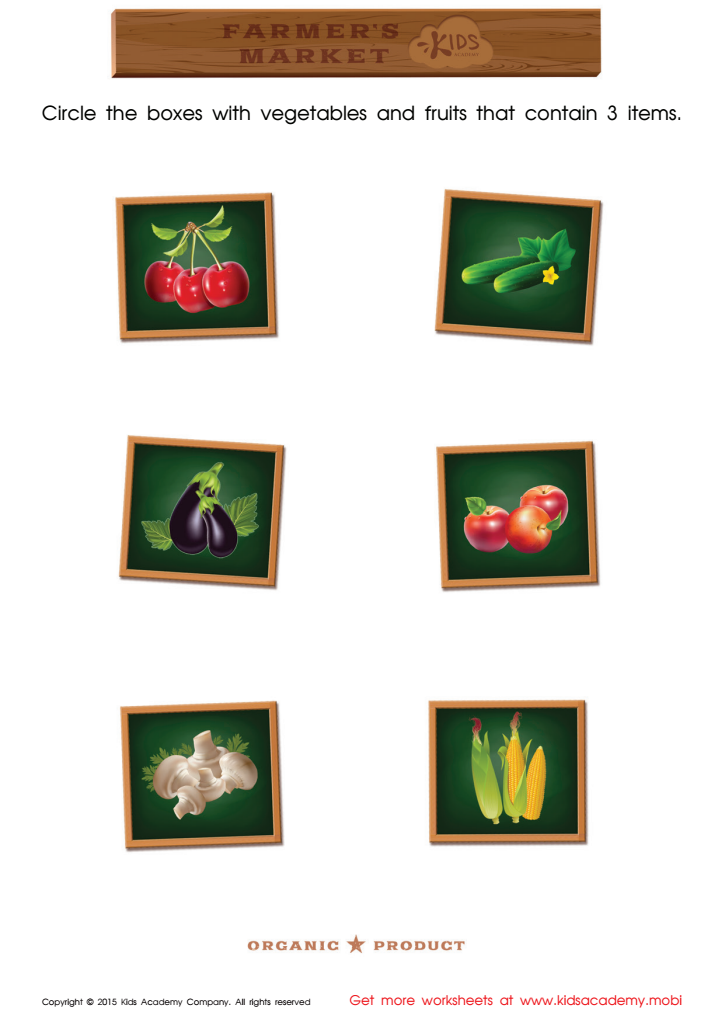
Math PDF Worksheets - Count and Match Vegetables: 1 – 5

Count and Match Vegetables 1 – 5 Math Worksheet

Get your kindergartener to match the same number of vegetables with the boxes using this fantastic math worksheet. Using the Singapore approach, this printable worksheet makes math problems easy and fun for kids. Want more free worksheets? Click here for Kids Academy's selection!
Count and Match Vegetables 1 – 5 Math Worksheet
Worksheet
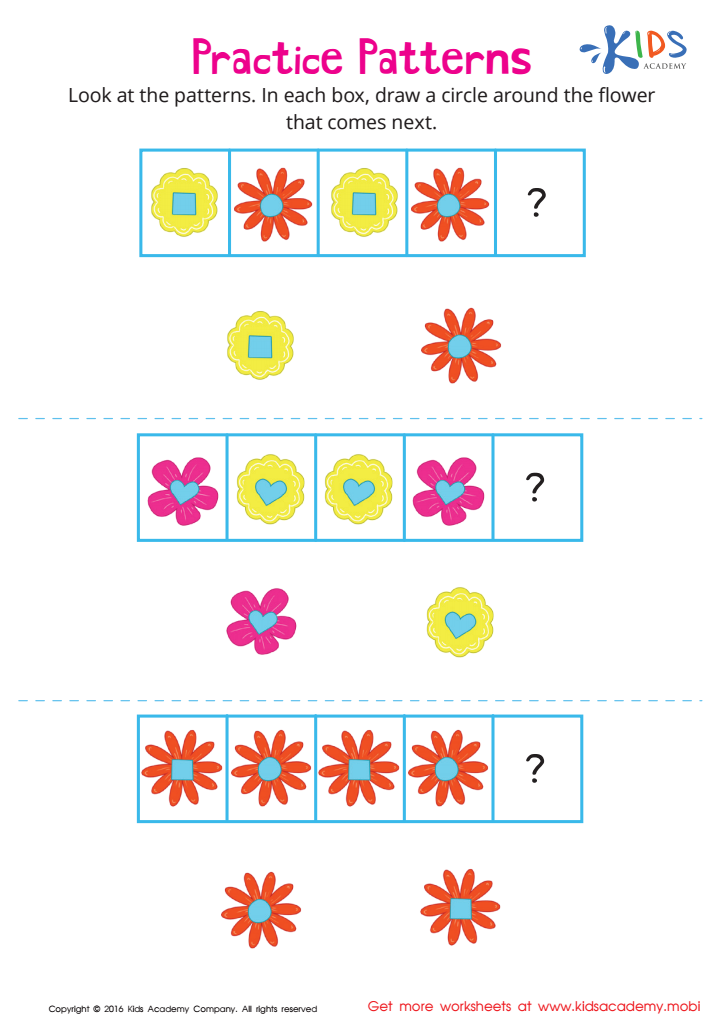
Pattern Recognition Worksheet

Practice Patterns Worksheet

Practice Patterns Worksheet
Worksheet
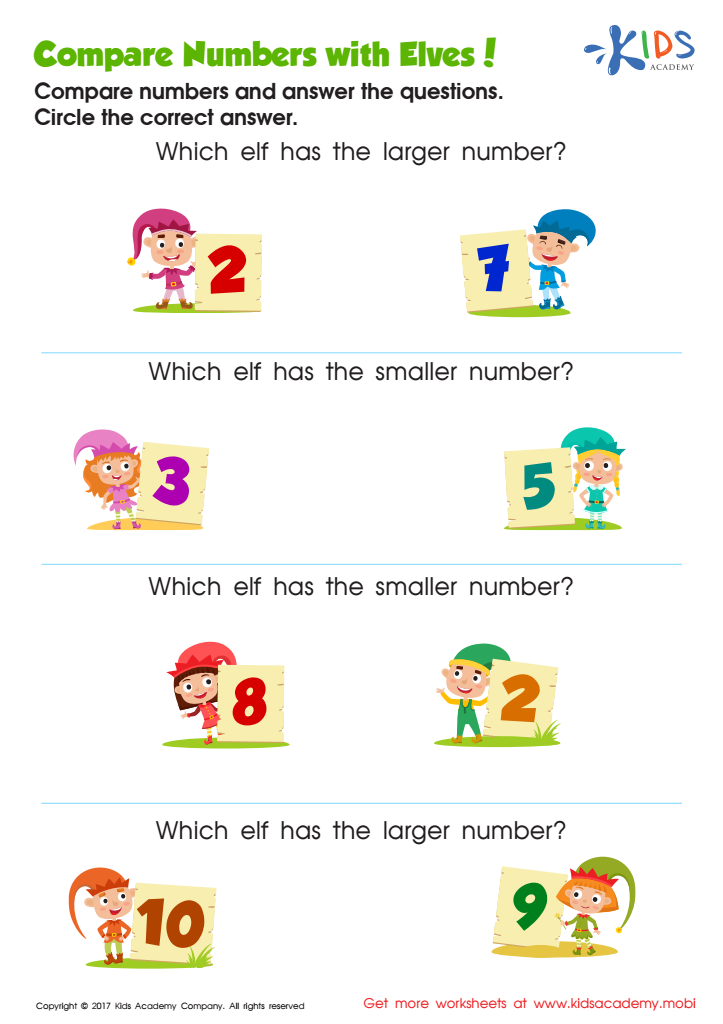
Comparing numbers worksheet for kindergarten

Comparing Numbers Worksheet for Kindergarten
Your child will love helping Santa's elves compare numbers with this fun worksheet for kindergarten! They must determine which number is bigger or smaller then circle the answer. It's a great activity for Christmas or any time!
Comparing Numbers Worksheet for Kindergarten
Worksheet
Recycling - More or Less Worksheet

Recycling - More or Less Worksheet

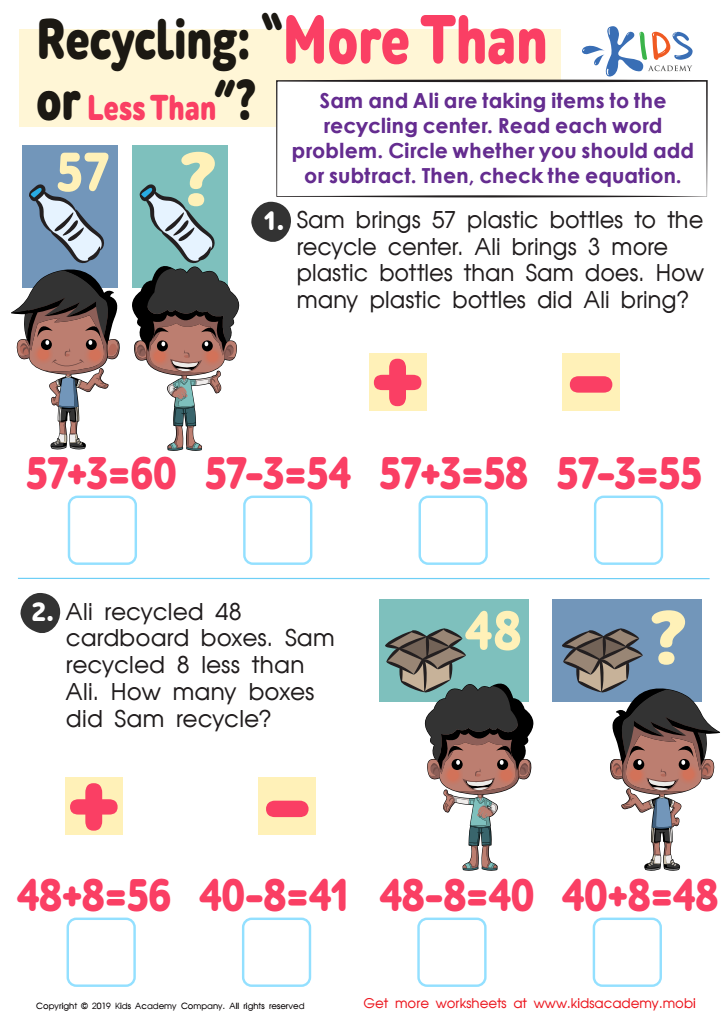
Your child can compare numbers and solve word problems with this free worksheet. Help them understand what's being asked as Sam and Ali take items to the recycling center. They can choose the correct equation to match the word problem and apply their skills in reading and pulling out the appropriate information.
Recycling - More or Less Worksheet
Worksheet
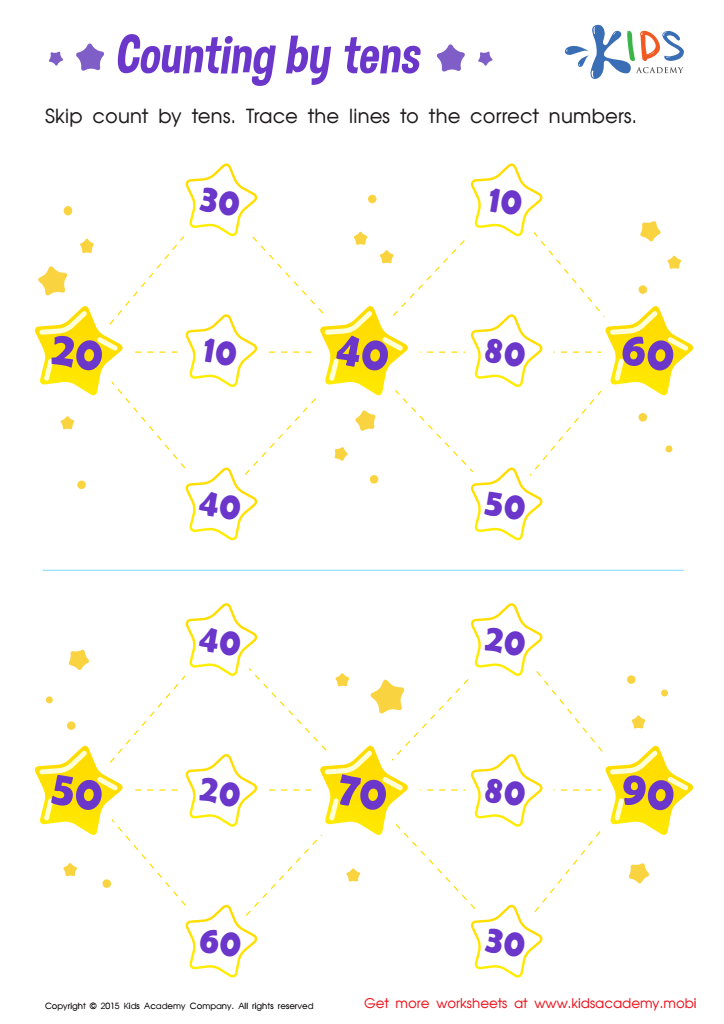
Kindergarten Counting by Tens

Learn Dozens: Counting by Tens Printable
Kindergartners need to learn skip counting - counting in number groups - to increase number sense and be ready for more advanced math. Our kindergarten worksheet featuring a starry trip to outer space will help your child practice this valuable skill. Your child will choose correct answers to trace the lines to the stars, building fluency in skip counting. They'll also strengthen problem solving and see the pattern it creates. Get your little learner to the next level with this skip counting worksheet!
Learn Dozens: Counting by Tens Printable
Worksheet
Sort and Count Candy Worksheet

Sort and Count Candy Worksheet

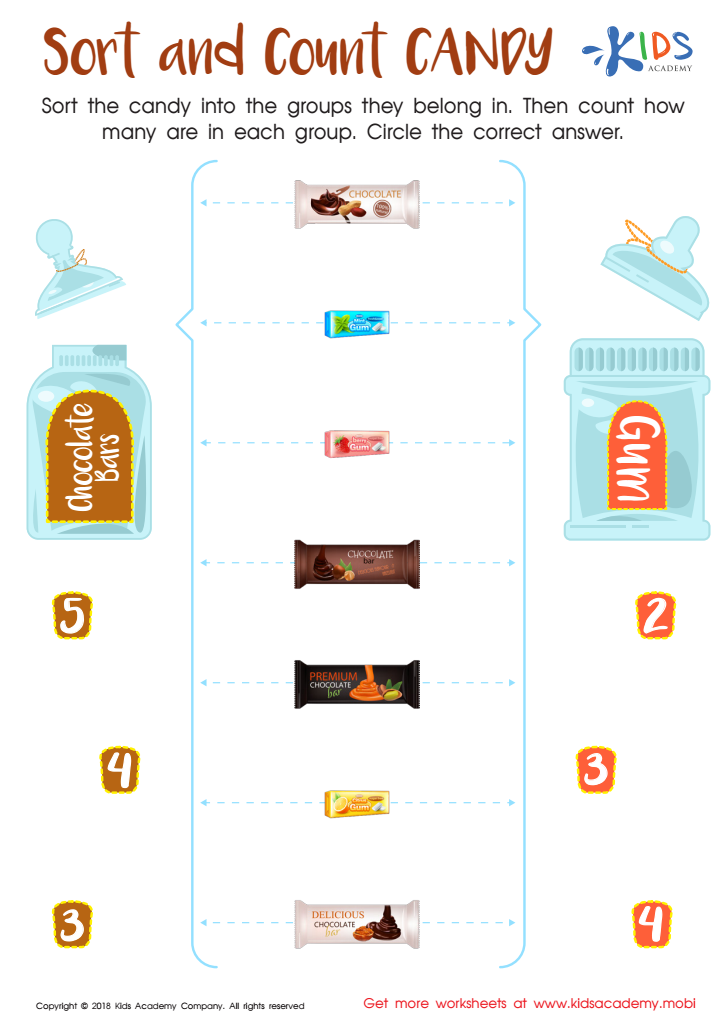
Sort chocolate and candy with your kids! Help them use recognizable items and pictures to sort, practice counting with one-to-one representation, and develop their fine motor skills with the traceable lines. Download this free worksheet to get started. Yum!
Sort and Count Candy Worksheet
Worksheet


Parents and teachers should prioritize basic math skills for children aged 4-7 because early mathematics lays the foundation for future learning. During these formative years, children are developing essential cognitive skills, and basic math activities help enhance problem-solving abilities, logical reasoning, and critical thinking.

Learning foundational math concepts, such as counting, addition, and subtraction, not only supports academic success but also contributes to everyday life skills. For instance, children learn to quantify objects, measure lengths, and understand patterns, which are integral to activities like cooking, budgeting, and navigation later in life.

Moreover, developing math skills at an early age promotes confidence and a positive attitude towards learning. Engaging activities that make math fun can foster a lifelong appreciation for the subject, decreasing the fear often associated with it in later years.

Additionally, research indicates a significant correlation between a child's early math skills and their future academic achievements. Parents and teachers play vital roles in creating rich learning environments that encourage exploration and curiosity, ultimately nurturing well-rounded individuals who are prepared for complex challenges as they progress through their education. In short, basic math skills can unlock a world of possibilities for young learners.