Hand-eye Coordination Normal Math Worksheets for Ages 4-7
8 filtered results
-
From - To
Boost your child's hand-eye coordination while reinforcing essential math skills with our engaging math worksheets designed for ages 4-7! These printable resources blend fun activities and calculations, helping children refine their motor skills and accuracy. Our carefully crafted worksheets offer a variety of engaging exercises that encourage kids to practice counting, number recognition, and basic problem-solving—all while enhancing their hand-eye coordination. Ideal for both home and classroom use, these worksheets promote learning in an enjoyable way. Start your child's journey to math mastery while improving their coordination skills—download our Normal Math Worksheets today and watch them thrive!
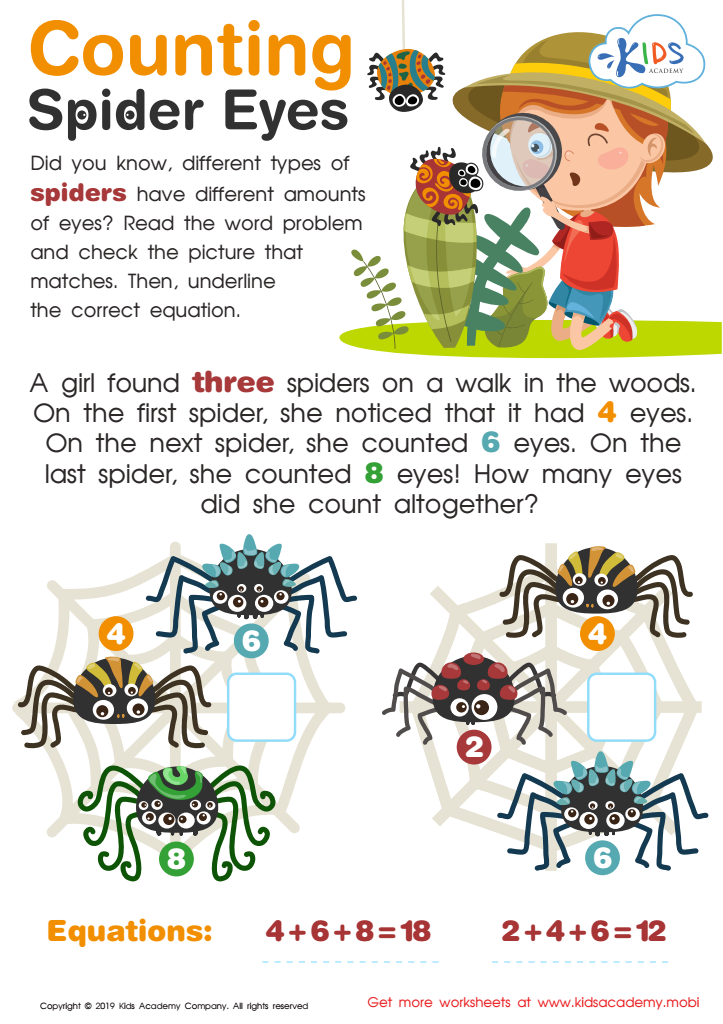
Counting Spider Eyes Worksheet
 Assign to My Students
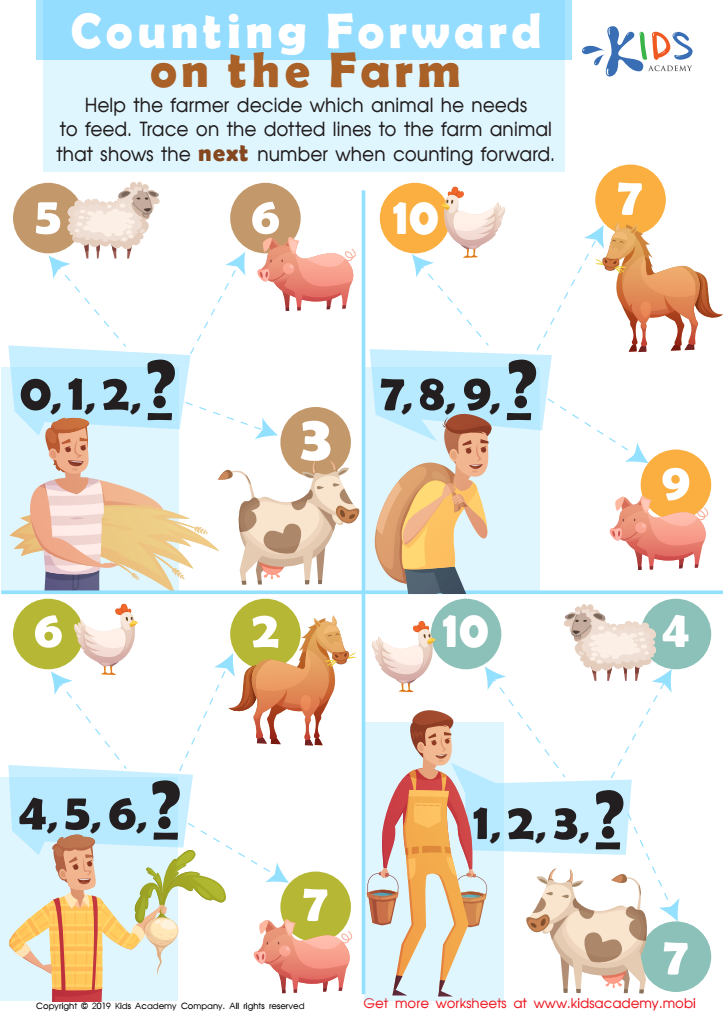
Counting Forward On the Farm Worksheet
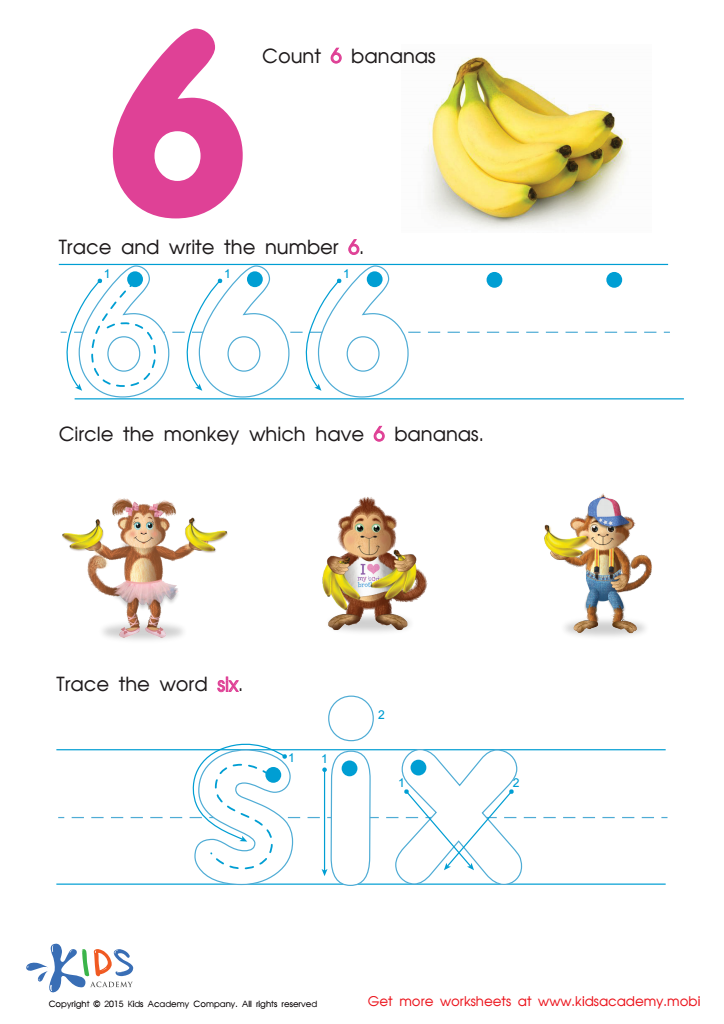
Tracing And Writing Number 6 Worksheet
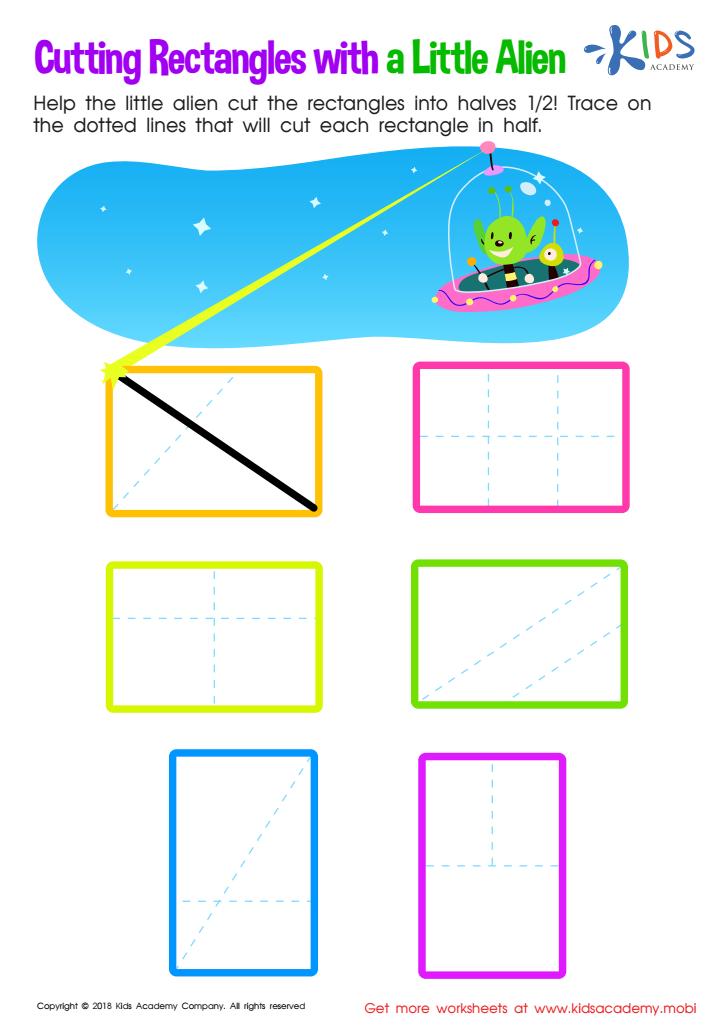
Cutting Rectangles with Alien Worksheet
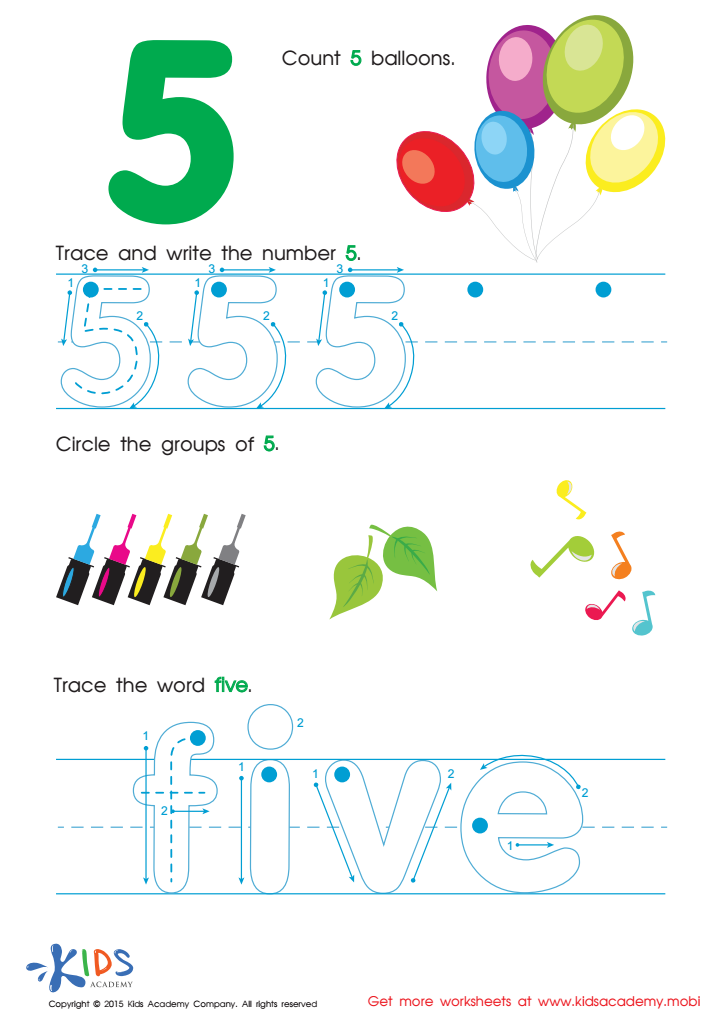
Practice Writing Number 5 Worksheet
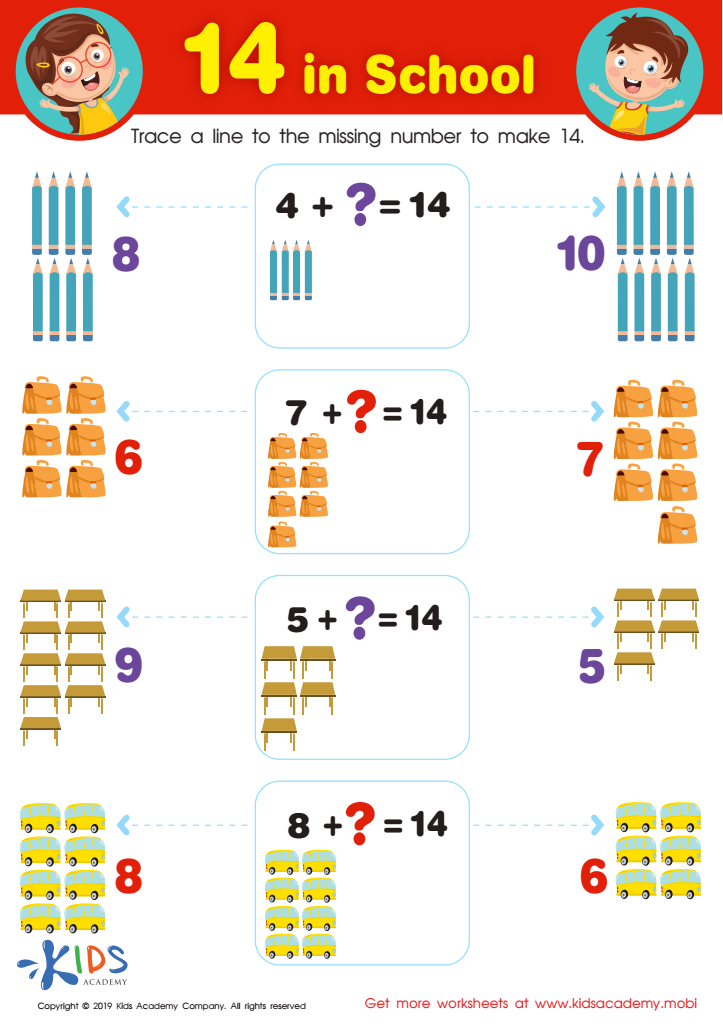
14 in School Worksheet


.jpg)


.jpg)


Hand-eye coordination plays a crucial role in the cognitive and physical development of children aged 4-7, particularly in relation to math skills. During this developmental stage, children engage in activities that shape their ability to visualize and manipulate objects, forming the foundation for future learning. By developing strong hand-eye coordination, children can better understand concepts such as spatial awareness, measurement, and problem-solving, all of which are essential in mathematics.
When children grasp their surroundings through hand-eye coordination, they enhance their fine motor skills and dexterity, which directly support arithmetic activities like counting, sorting, and writing numbers. Moreover, many math-based games and activities integrate hand-eye coordination, making learning more interactive and enjoyable.
Parents and teachers should recognize that fostering these skills nurtures not only math proficiency but also overall academic performance. By engaging children in games that promote hand-eye coordination, such as building blocks, puzzles, or various sports, they set the stage for continued success across subjects. Ultimately, prioritizing hand-eye coordination contributes to a holistic approach to early education, enriching children's learning experiences and equipping them with the skills they need for lifelong learning.








