Logical thinking Normal Math Worksheets for Ages 4-7
5 filtered results
-
From - To
Discover our engaging Normal Math Worksheets designed for children aged 4-7, focusing on developing logical thinking skills. These worksheets offer fun, interactive activities that help young learners understand foundational math concepts while encouraging critical thinking and problem-solving. Our resources are aligned with early learning standards and cover essential mathematical skills, making them perfect for at-home or classroom use. Encourage your child’s cognitive development through colorful, age-appropriate worksheets that make learning math enjoyable! Explore a variety of exercises that stimulate logical reasoning and prepare your little one for future academic success. Get started today and watch their confidence in math grow!
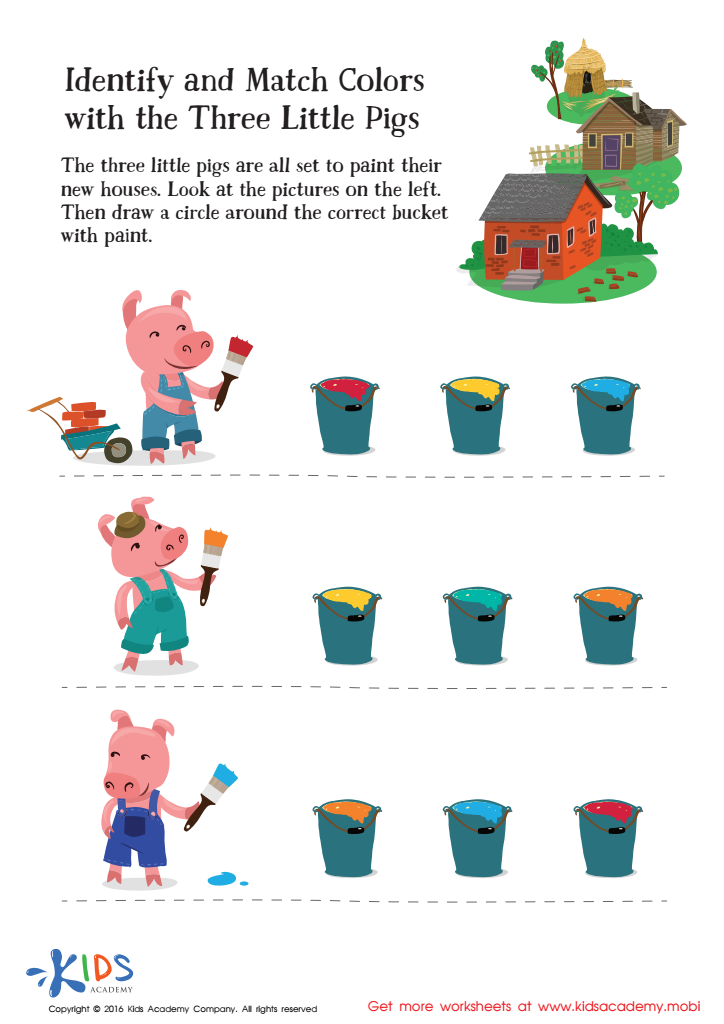
Fairy Tale Worksheet: Identify and Match Colors with Three Little Pigs
 Assign to My Students
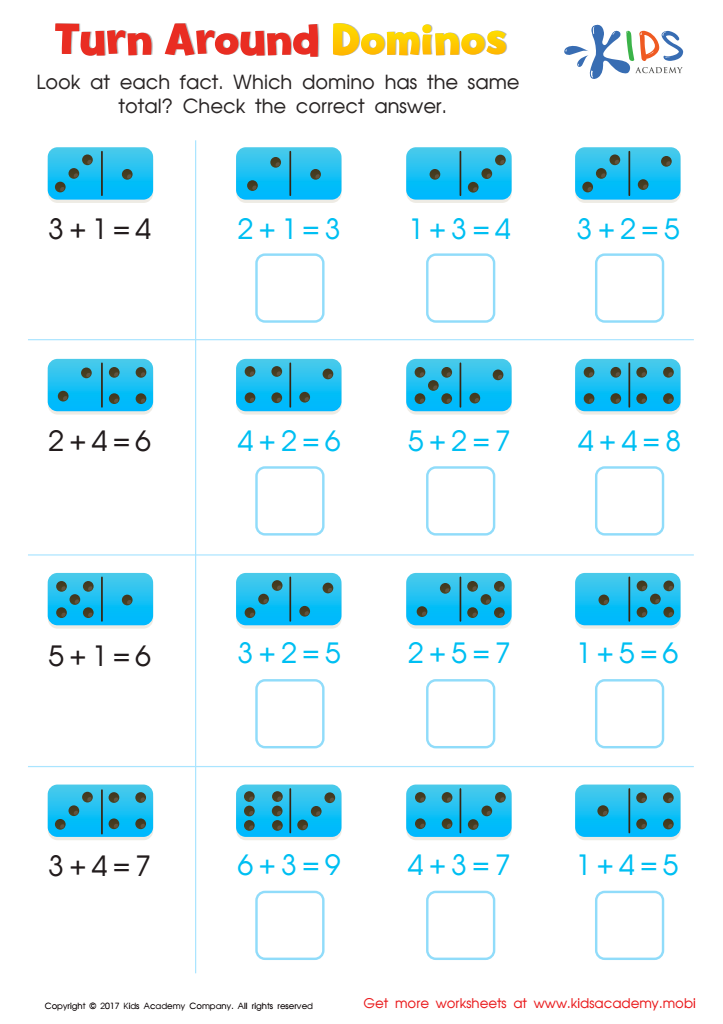
Turn Around Dominos Worksheet
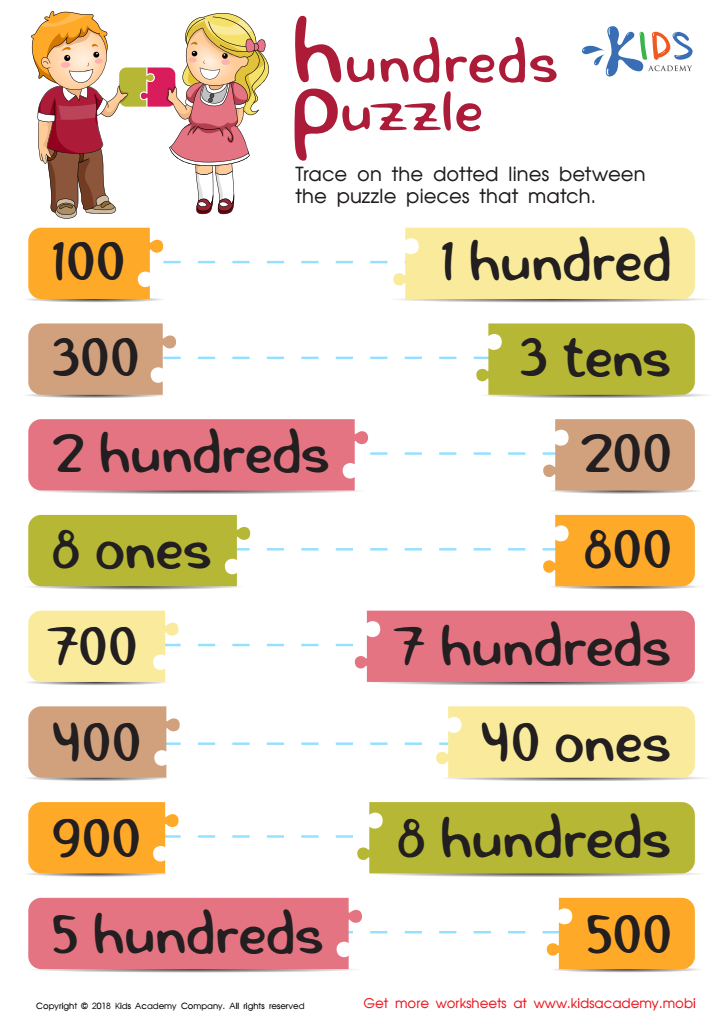
Hundreds Puzzle Worksheet
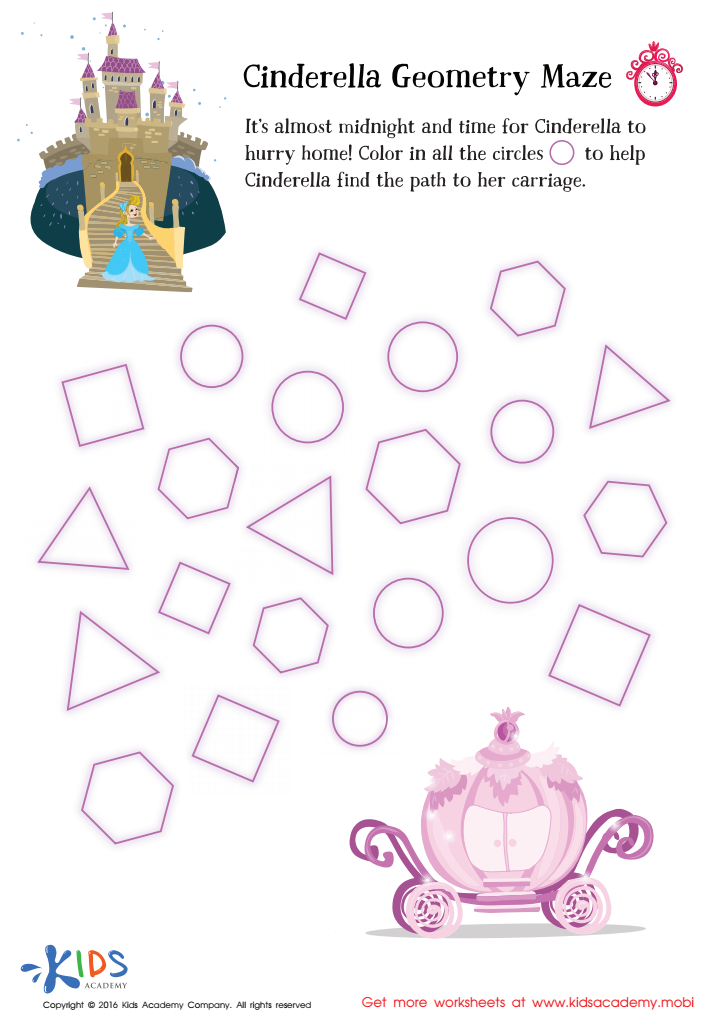
Cinderella Geometry Maze Worksheet
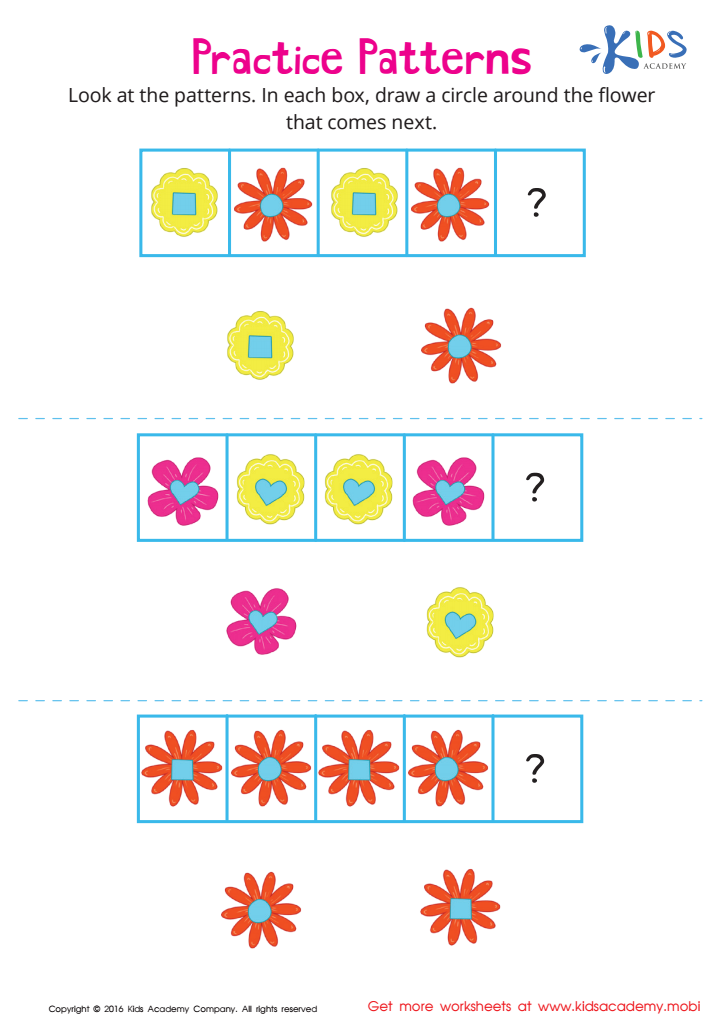








Parents and teachers should prioritize logical thinking and foundational math skills for children aged 4-7 for several important reasons. At this developmental stage, children are naturally inquisitive, and nurturing their logical thinking abilities fosters a love for problem-solving and critical reasoning. Engaging in activities that promote logical thinking prepares children for more complex mathematical concepts in later years and enhances their overall cognitive development.
Moreover, these skills help children develop a strong sense of confidence in their abilities. By encouraging them to explore patterns, relationships, and basic arithmetic through fun games and interactive learning, they learn to approach challenges with a positive mindset. Establishing this strong mathematical foundation supports not just academics, but also everyday life skills, teaching children how to analyze situations and make informed decisions.
In today's fast-paced world, the ability to think logically is invaluable. It equips children to tackle real-world problems efficiently, adapting to the complexities of life as they grow older. Ultimately, fostering logical thinking and basic math competencies in early childhood lays the groundwork for lifelong learning, encouraging children not only to understand mathematics but to embrace the analytical mindset that will benefit them throughout their lives.








