Shape Recognition Normal Math Worksheets for Ages 4-7 - Page 2
32 filtered results
-
From - To
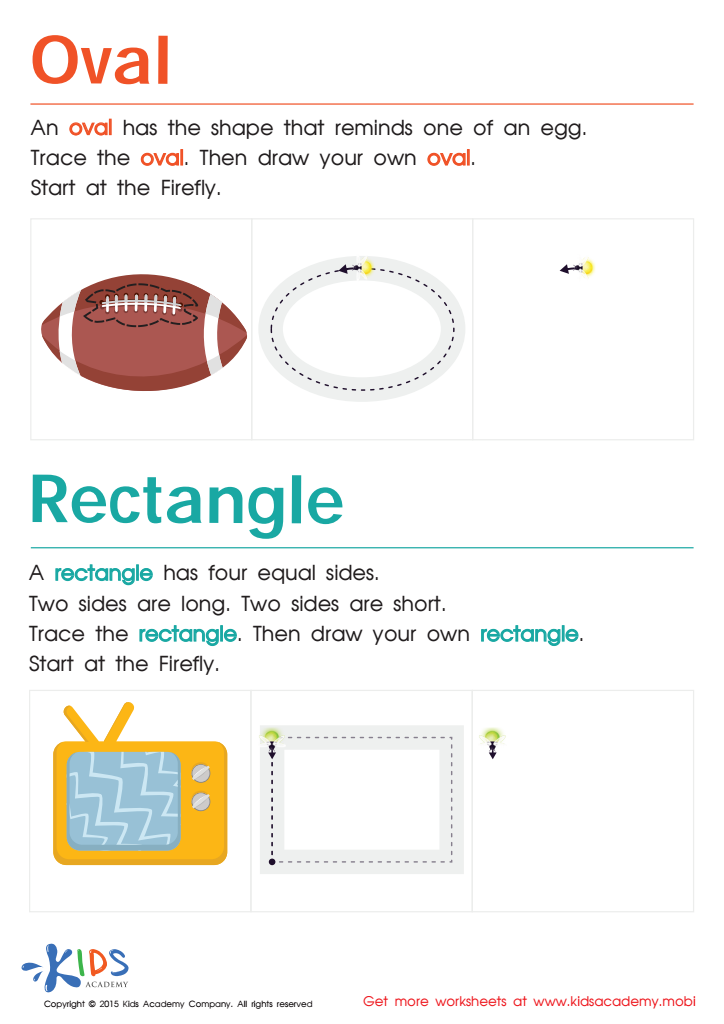
Easy Drawing of Ovals And Rectangles Worksheet
 Assign to My Students
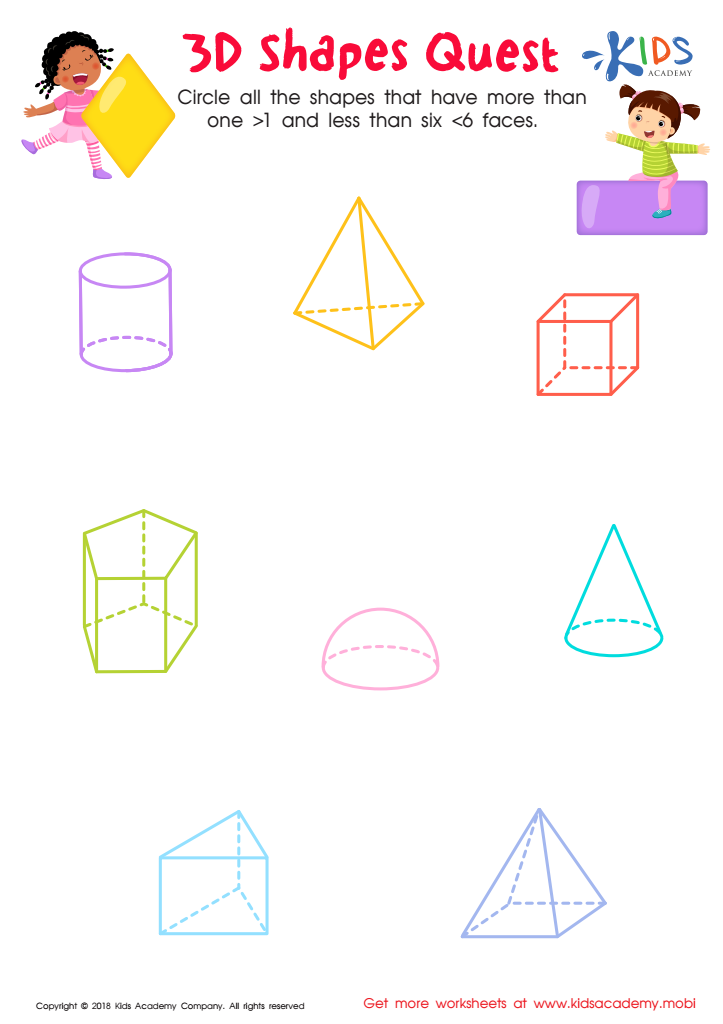
3D Shapes Quest Worksheet
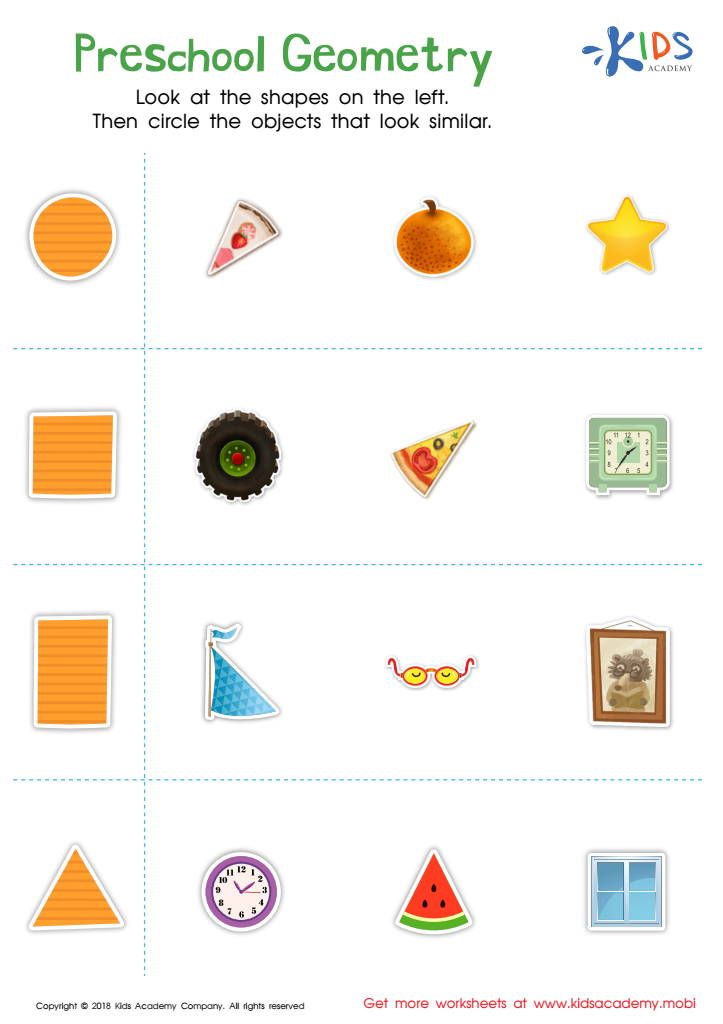
Preschool Geometry Worksheet
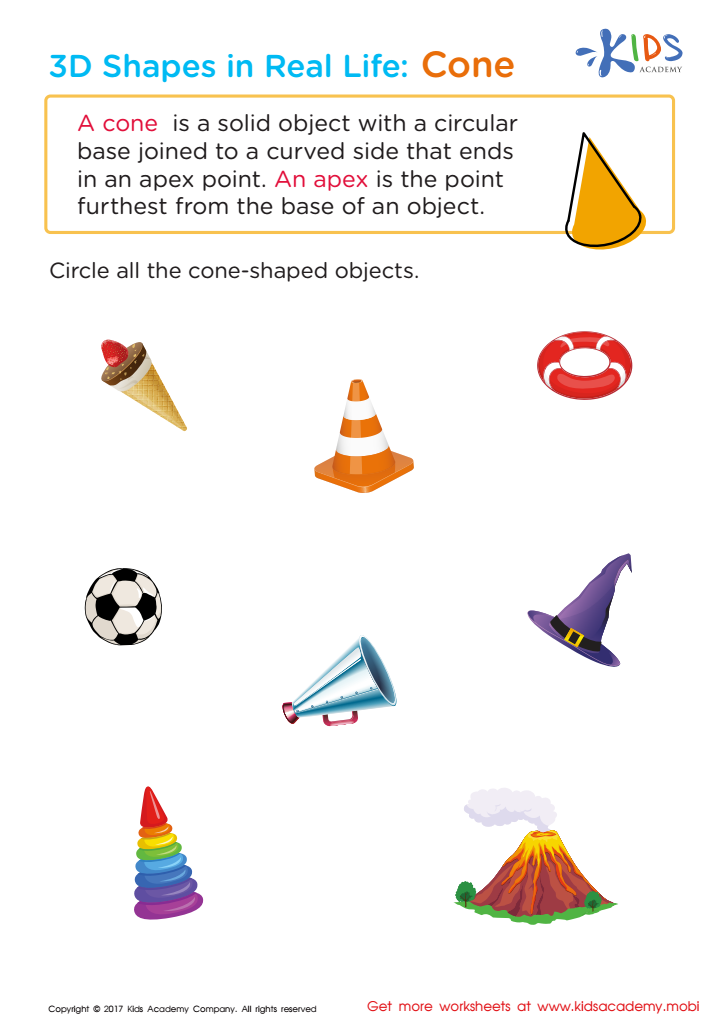
Shapes in Real Life: Cone Worksheet
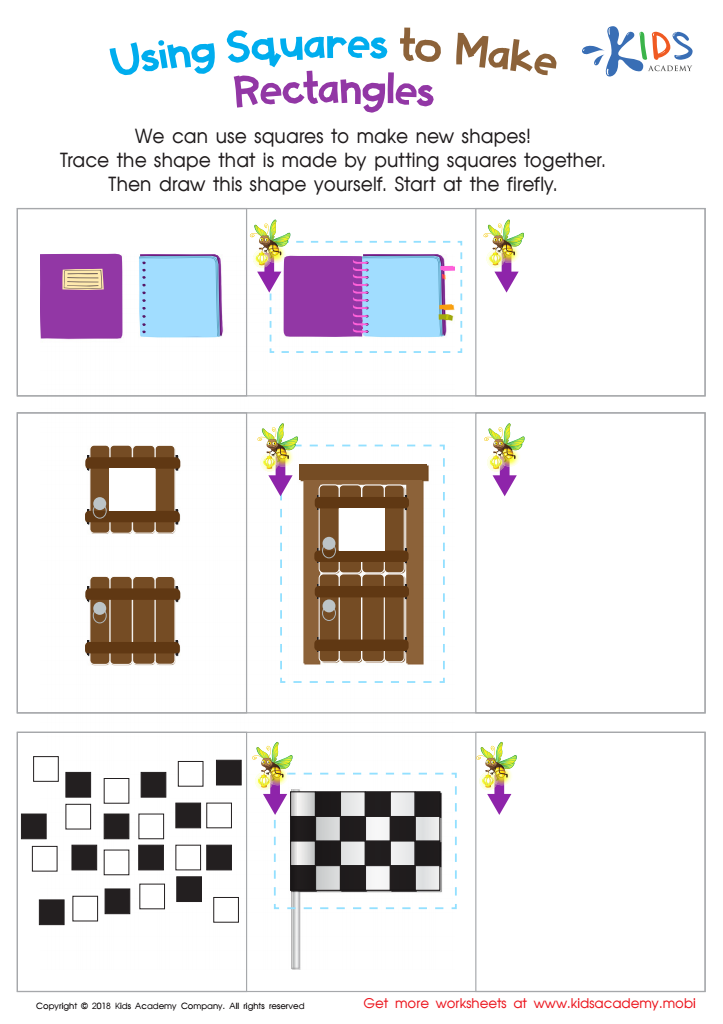
Using Squares to Make Rectangles Worksheet
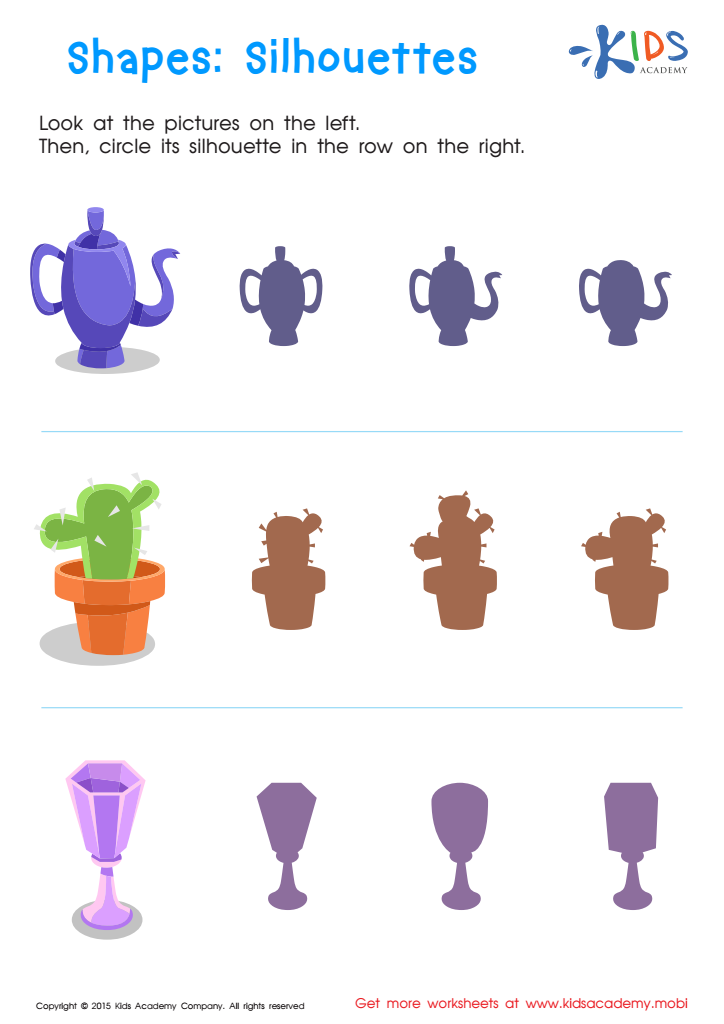
Silhouettes – Shapes Worksheet
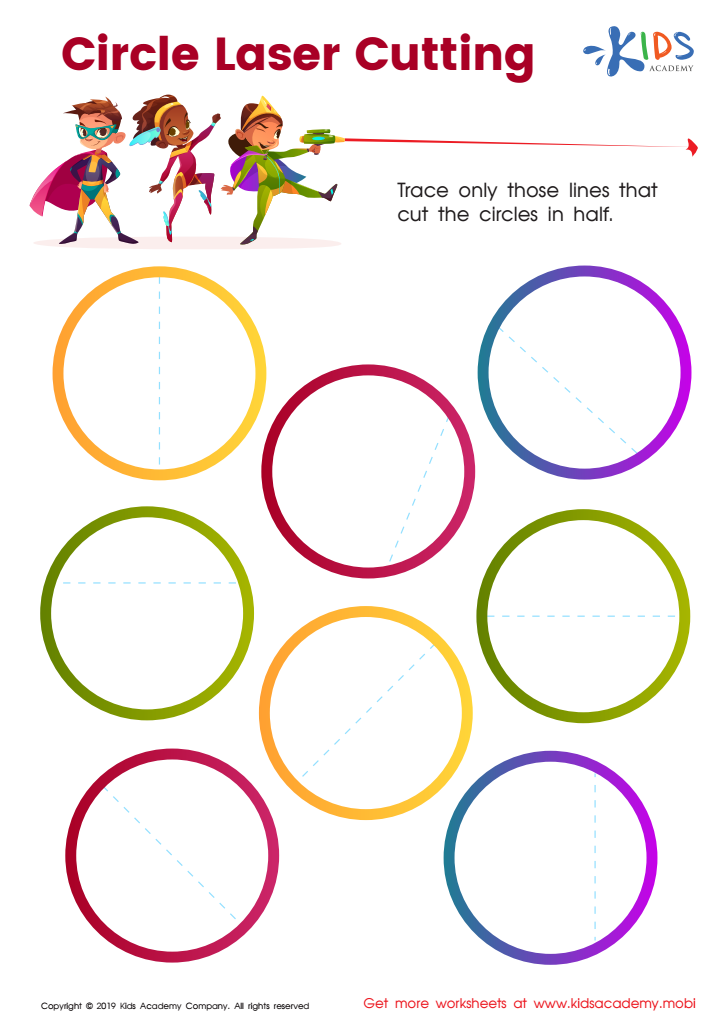
Circle Laser Cutting Worksheet
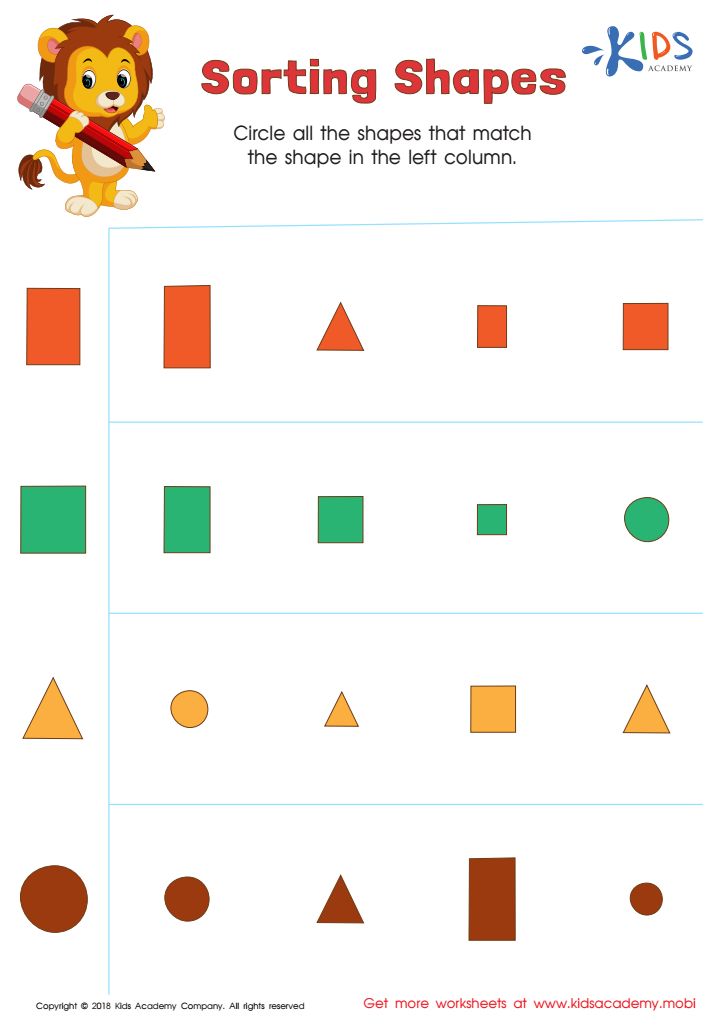
Sorting Shapes - Part 2 Worksheet





.jpg)
Shape recognition is a fundamental skill in early childhood education, particularly for children aged 4-7. Parents and teachers should prioritize this developmental milestone because it lays the groundwork for more complex mathematical concepts and promotes spatial awareness. Recognizing shapes enables children to classify objects by their appearance and understand their characteristics, useful in everyday life.
Moreover, shape recognition is closely tied to critical thinking skills, as children learn to compare, contrast, and label their environment. Engaging in shape-related activities can enhance cognitive development, improving memory and concentration through hands-on experiences. Shape recognition also fosters creativity, allowing children to experiment with shapes in art and play, which is vital for early expression.
Furthermore, it serves as an introduction to geometry, a key area of mathematics. By building a solid foundation in recognizing two-dimensional and three-dimensional shapes, children prepare for arithmetic and more advanced problem-solving skills in their academic futures. Overall, investing in shape recognition education not only boosts math proficiency but also enriches children's overall learning experience, equipping them with vital skills needed for success in school and life.








