Visual perception Normal Math Worksheets for Ages 4-7
15 filtered results
-
From - To
Discover our engaging Visual Perception Math Worksheets designed for children ages 4-7 at Kids Academy. These educational resources make learning fun by integrating visual perception tasks with foundational math skills. Our worksheets help young learners improve their ability to recognize patterns, shapes, and numbers, fostering essential cognitive development. Activities are tailored to support counting, sorting, and simple arithmetic, creating a strong mathematical foundation. With bright, kid-friendly designs and age-appropriate challenges, our worksheets are perfect for both classroom and home settings. Join us in making math exciting and accessible for early learners, and watch their confidence and skills grow!
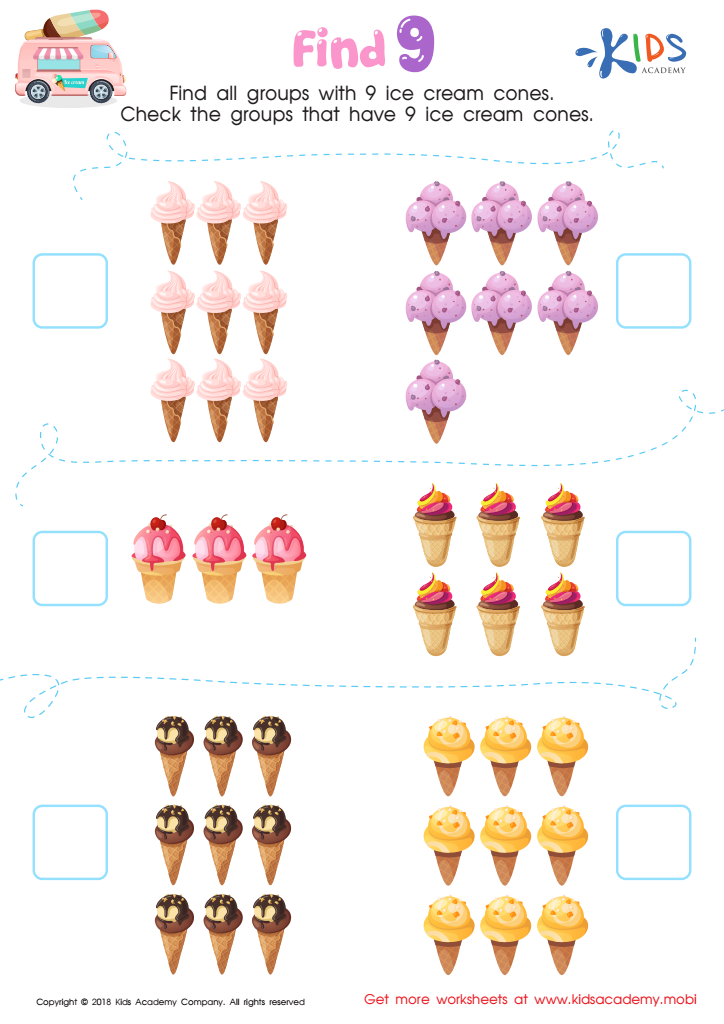
Find 9 Worksheet
 Assign to My Students
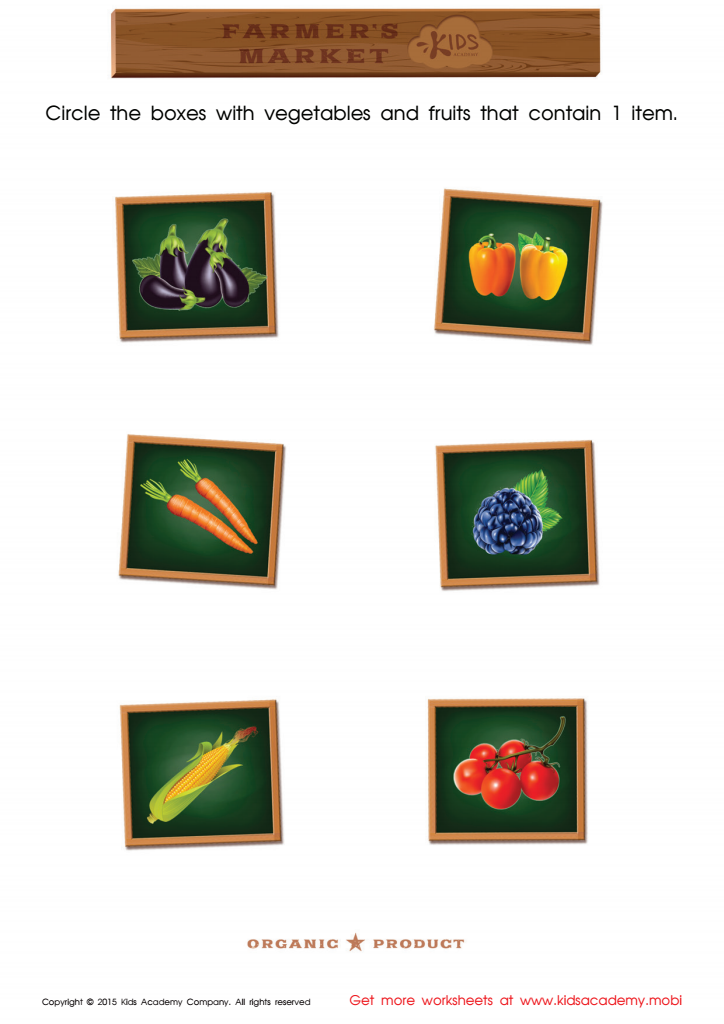
Count and Match Boxes with Vegetables
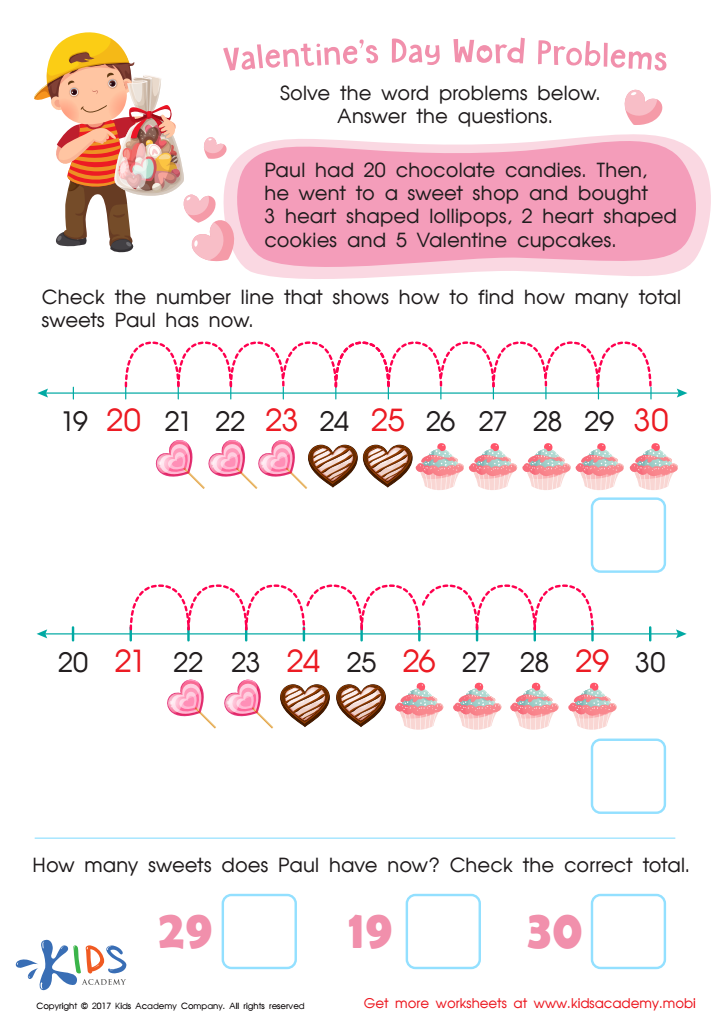
Valentines Day 2 Printable
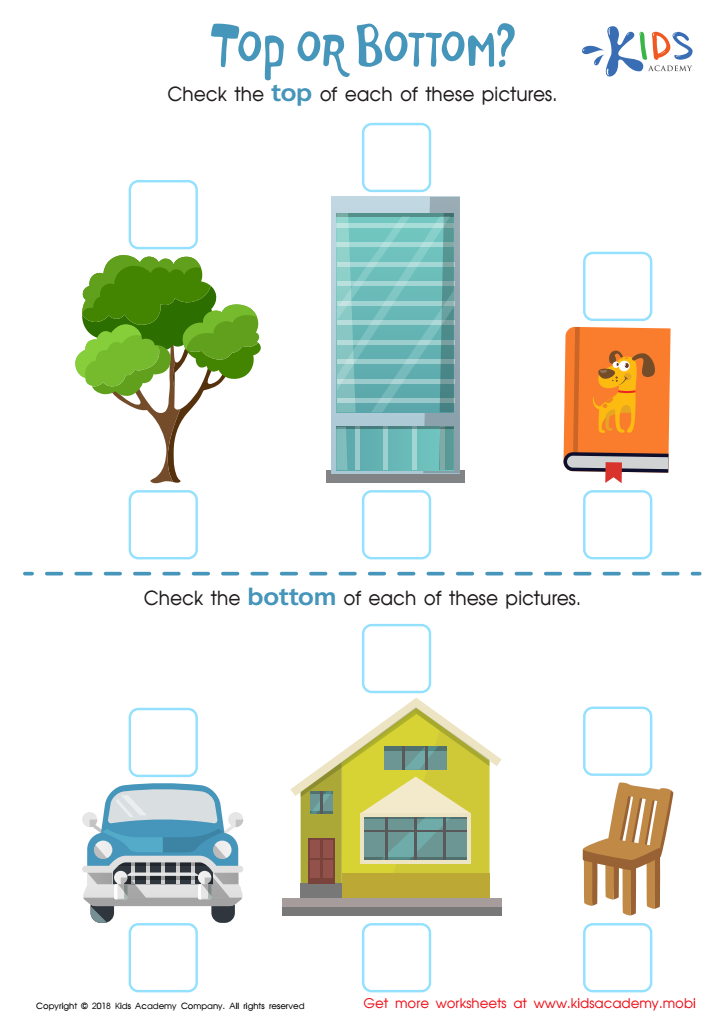
Top or Bottom Worksheet
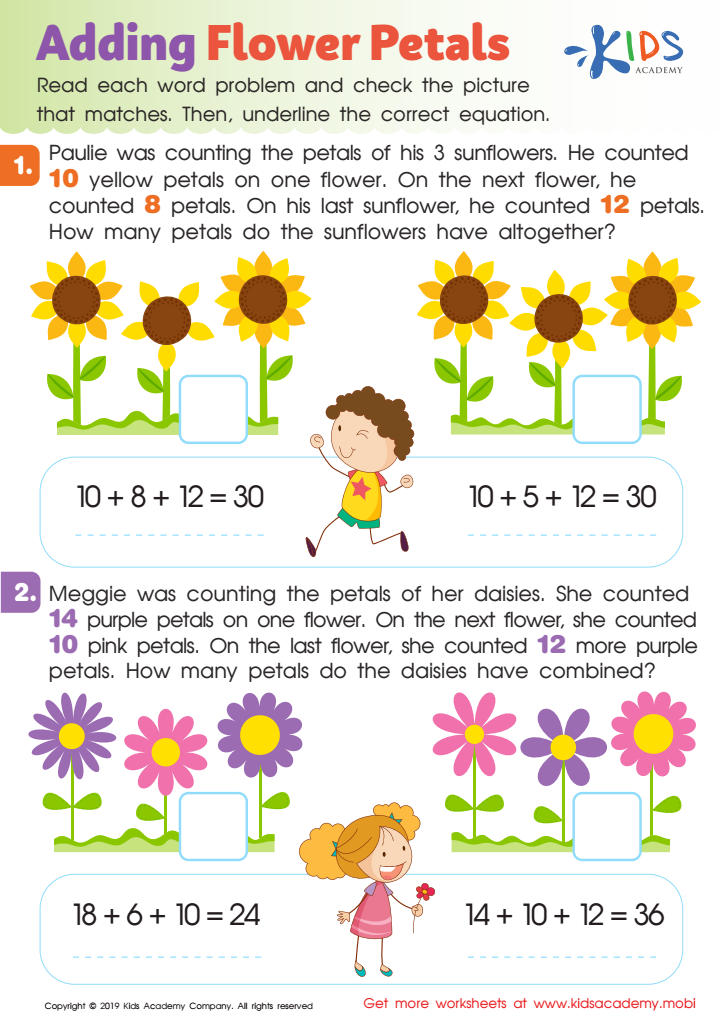
Adding Flower Petals Worksheet
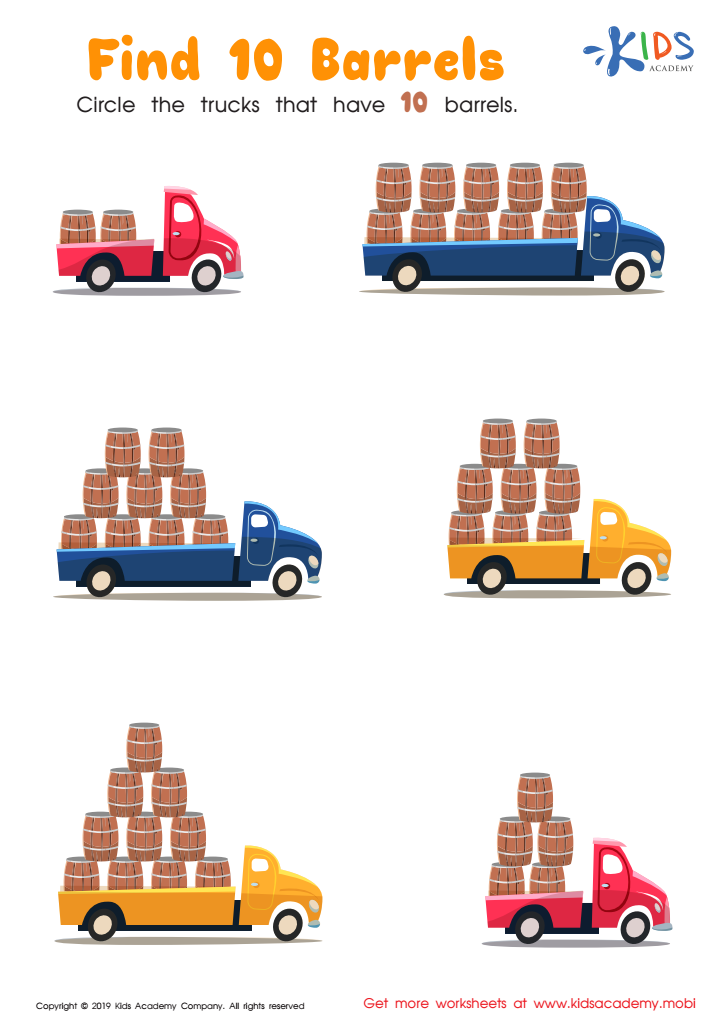
Find 10 Barrels Worksheet
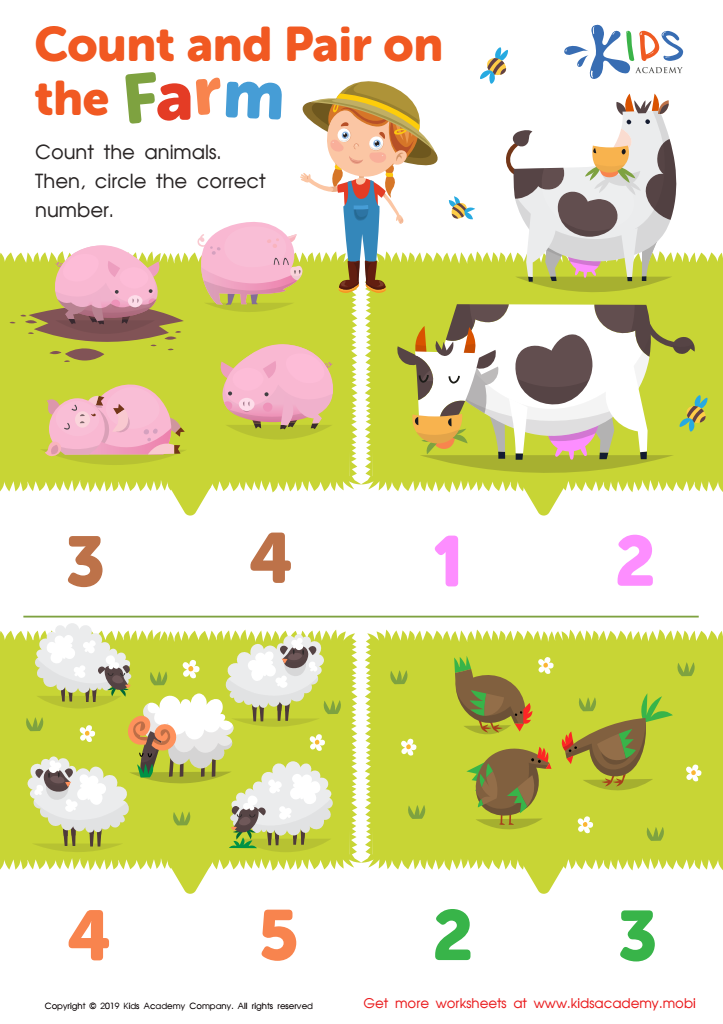
Count and Pair on the Farm Worksheet
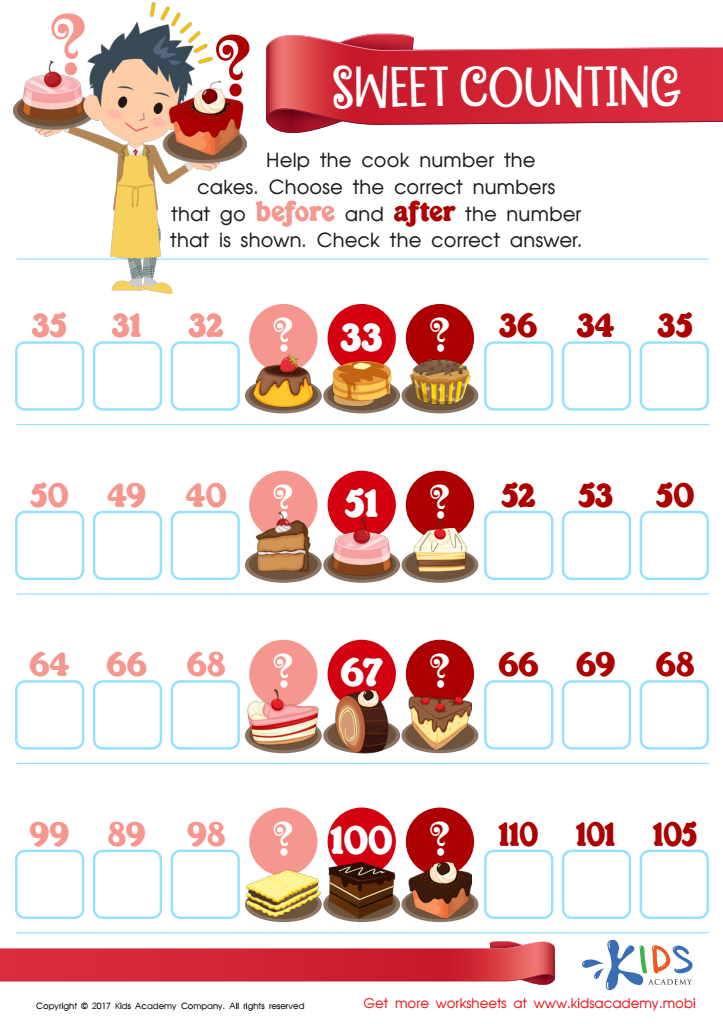
Sweet Counting - Part 1 Worksheet
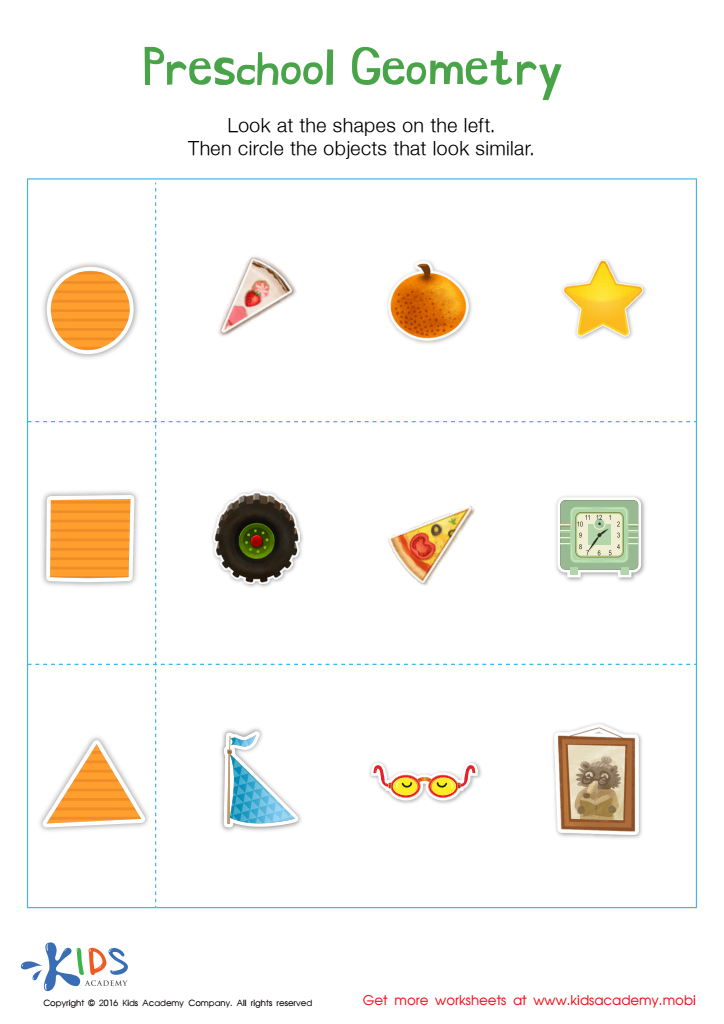
Preschool Geometry Match Up Worksheet
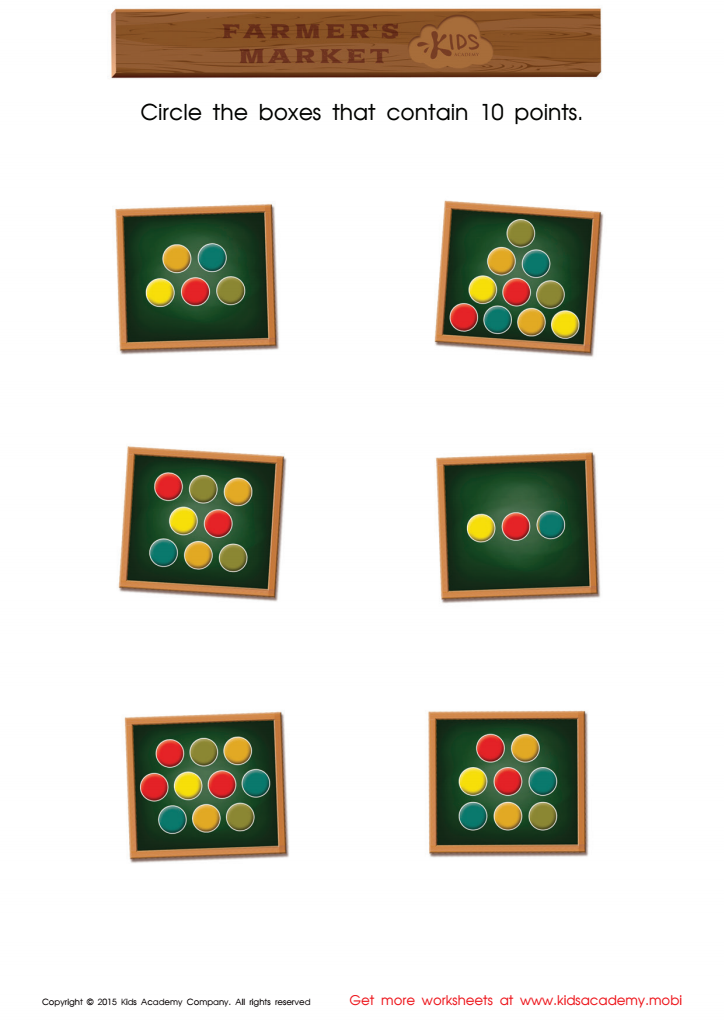
Count and Match Points 10 Math Worksheet
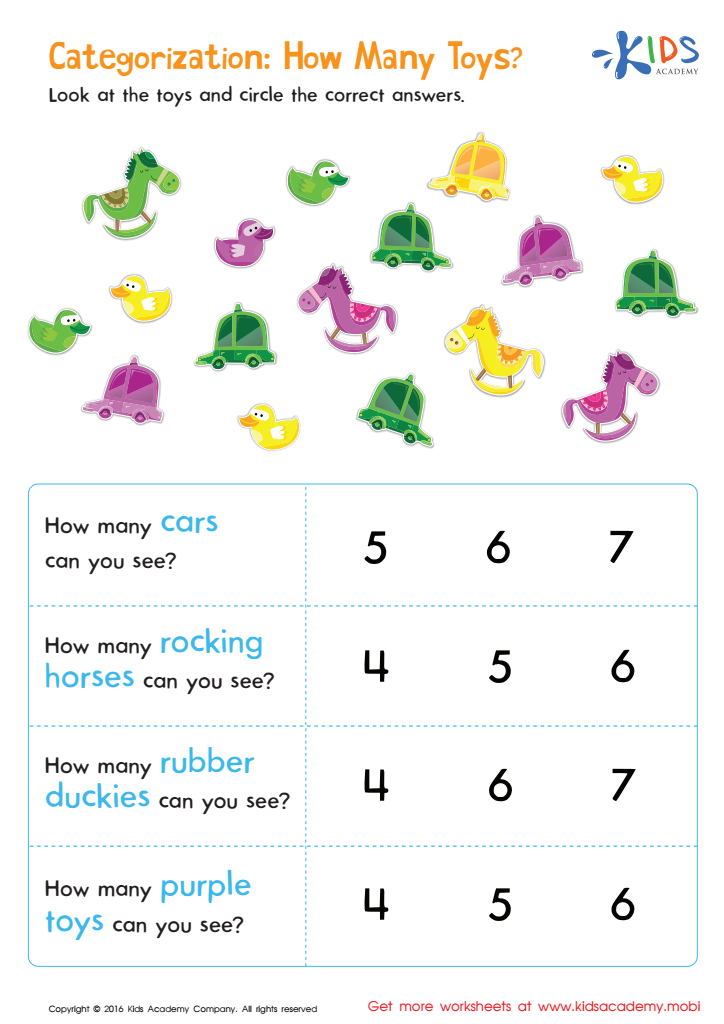
Classifying Toys by Type and Color Sorting Worksheet
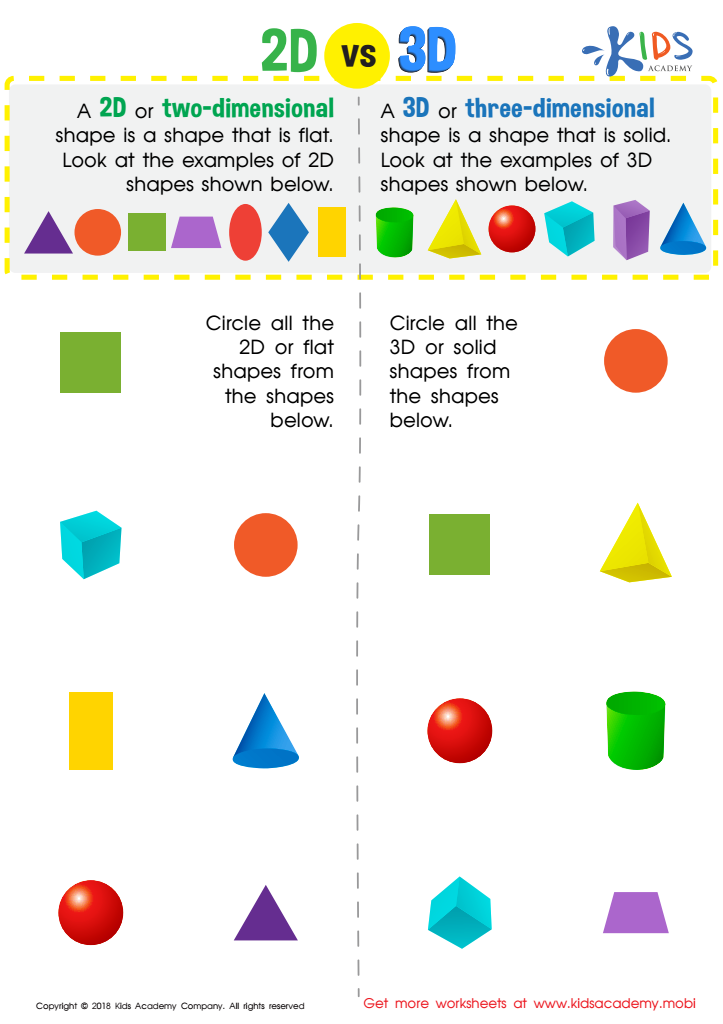
2D vs 3D Shapes Worksheet
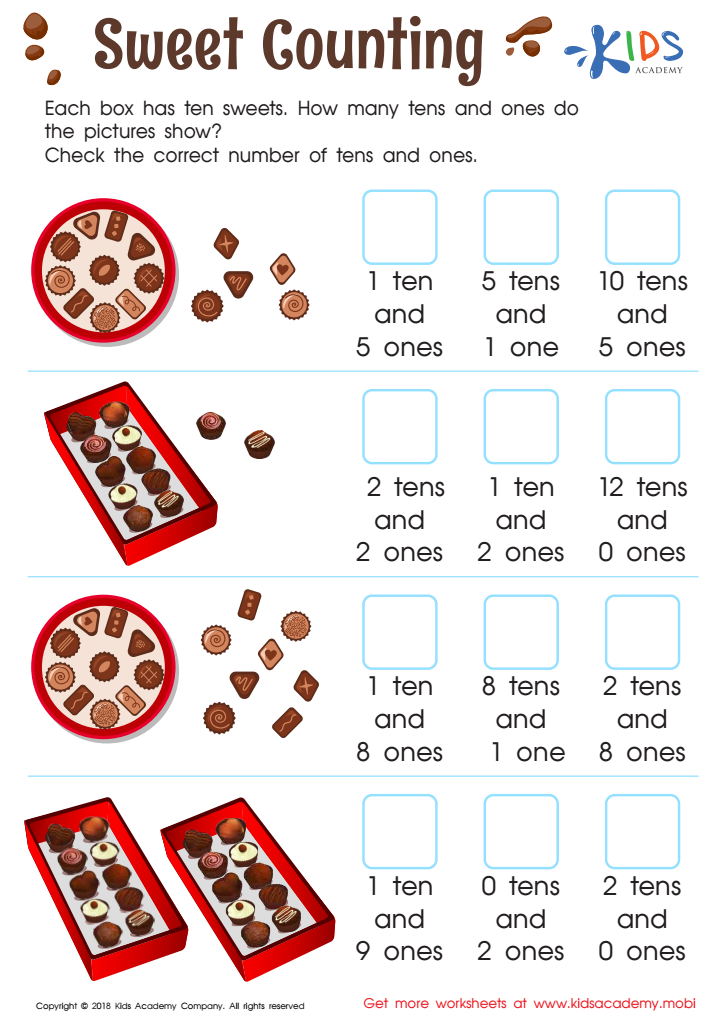
Sweet Counting - Part 2 Worksheet
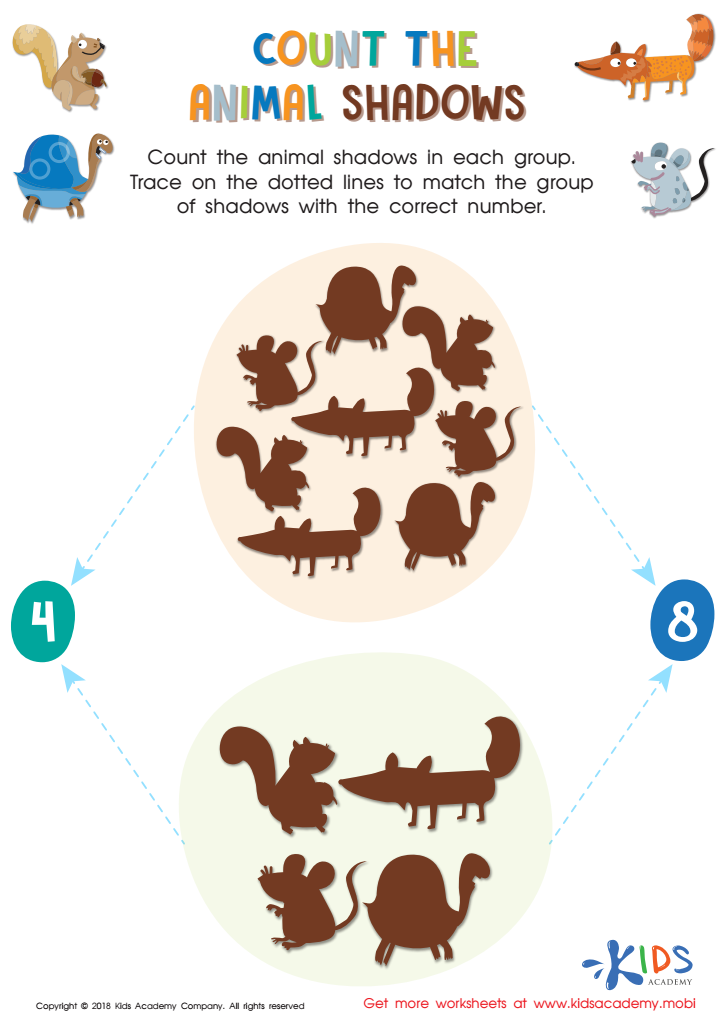
Count the Animal Shadows Worksheet
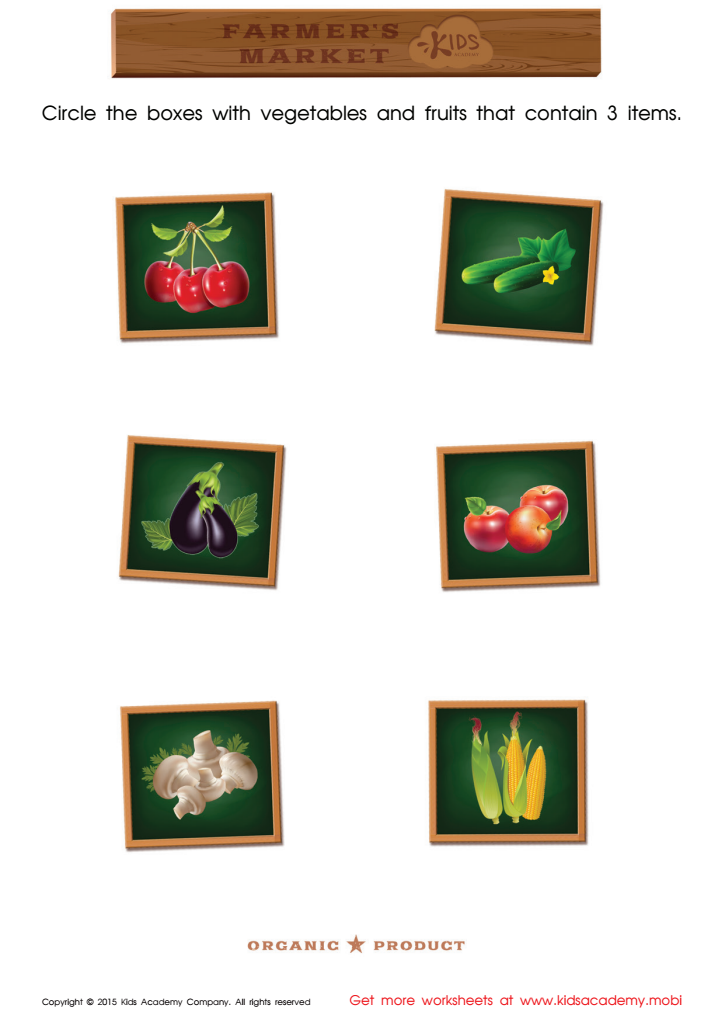
Count and Match Vegetables 1 – 5 Math Worksheet


%20(1).jpg)





Visual perception plays a crucial role in early math development for children aged 4-7 and is essential for setting a strong foundation in their education. Visual perception involves the ability to interpret and make sense of visual information, including recognizing shapes, patterns, and spatial relations. These skills are directly linked to understanding fundamental math concepts.
Firstly, visual perception helps in number sense, where children differentiate between quantities and recognize numbers and number patterns. For example, identifying and counting objects relies on visual differentiation and spatial awareness. Additionally, understanding geometric shapes and their properties requires keen visual perception.
Secondly, visual perception is integral to learning to read and write numbers correctly. Problems in visual perception can lead to difficulties in distinguishing similar shapes and symbols, such as confusing '6' with '9' or '3' with '8.'
Thirdly, developing strong visual perception skills early on supports problem-solving and reasoning abilities. Children learn to visualize math problems and process information logically, aiding in more complex math tasks later in their education.
Parents and teachers should encourage age-appropriate activities that enhance visual perceptual skills, such as puzzles, matching games, and drawing. This support not only enhances math learning but also boosts overall cognitive development, setting children up for academic success across various subjects.








