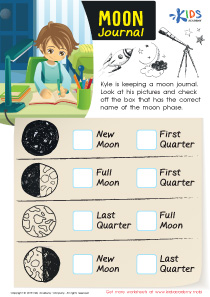
Vocabulary enhancement Normal Plants and Animals Worksheets for Ages 4-7
15 filtered results
-
From - To
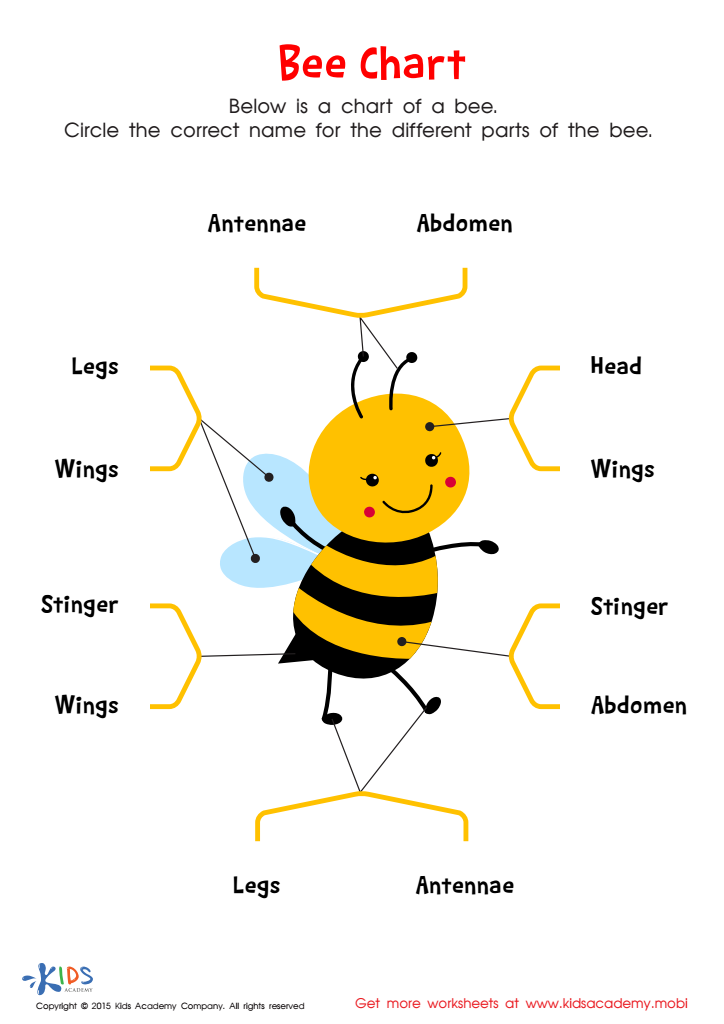
Boost your child’s scientific vocabulary with our engaging "Vocabulary Enhancement: Normal Plants and Animals Worksheets" designed for ages 4-7. These worksheets are tailored to introduce young learners to the fascinating world of plants and animals while expanding their vocabulary. Each activity is crafted to make learning fun and educational, featuring vibrant illustrations, easy-to-understand terms, and interactive tasks. Perfect for reinforcing classroom learning or enjoying at home, our worksheets will help your child confidently identify and describe a variety of common plants and animals. Enhance your child's knowledge and language skills today with our expertly designed resources.
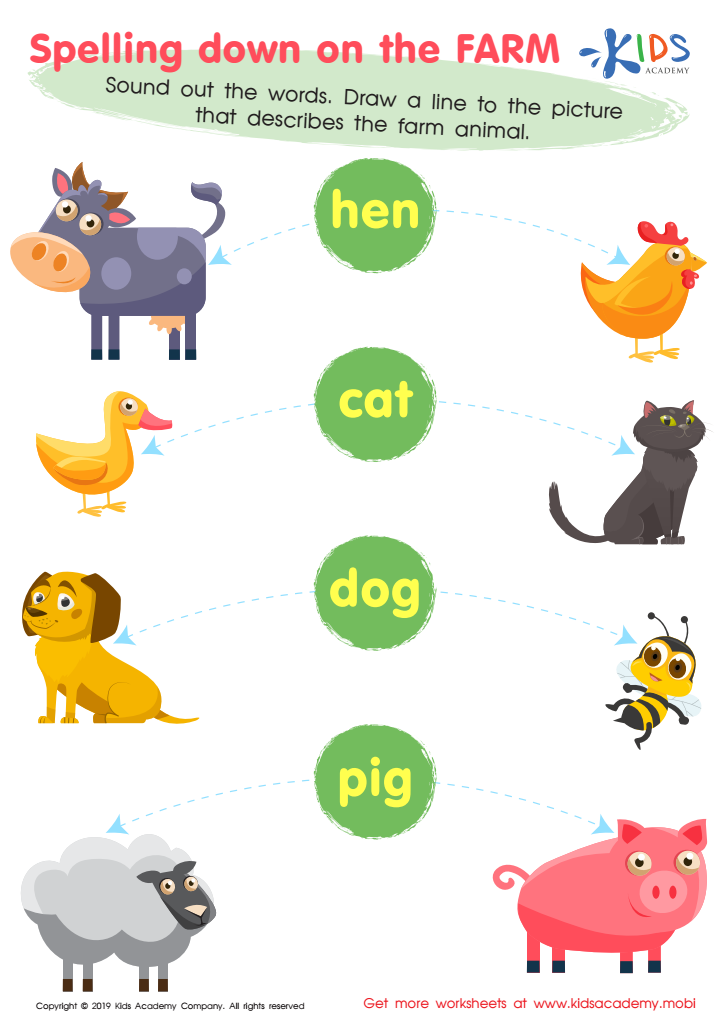
Spelling Down on the Farm Worksheet
 Assign to My Students


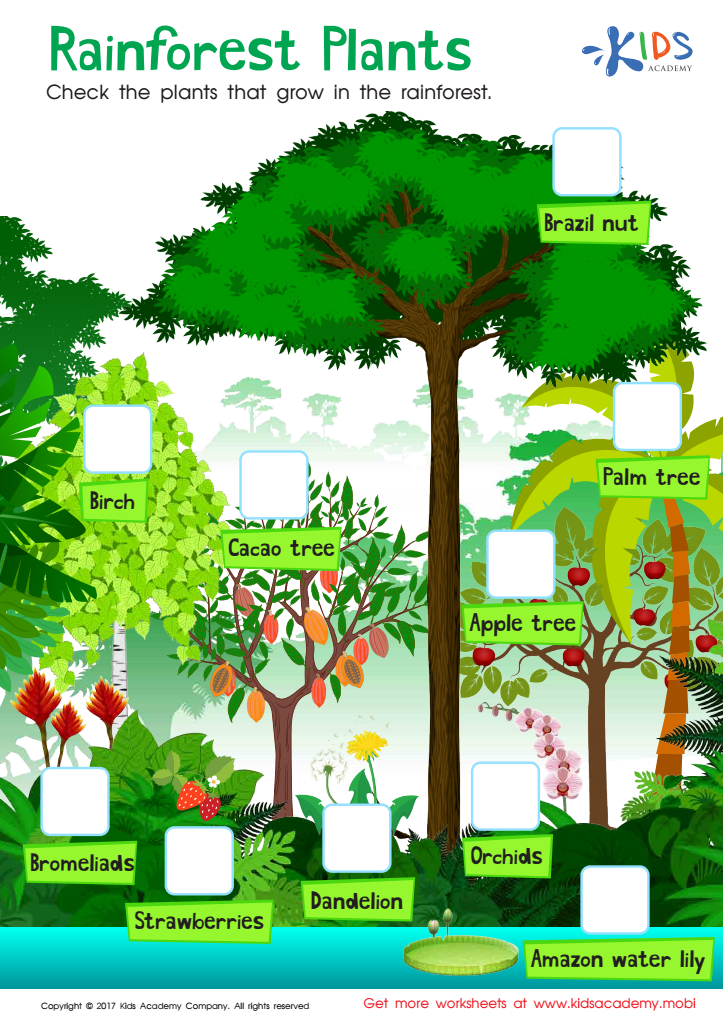
Rainforest Plants Worksheet
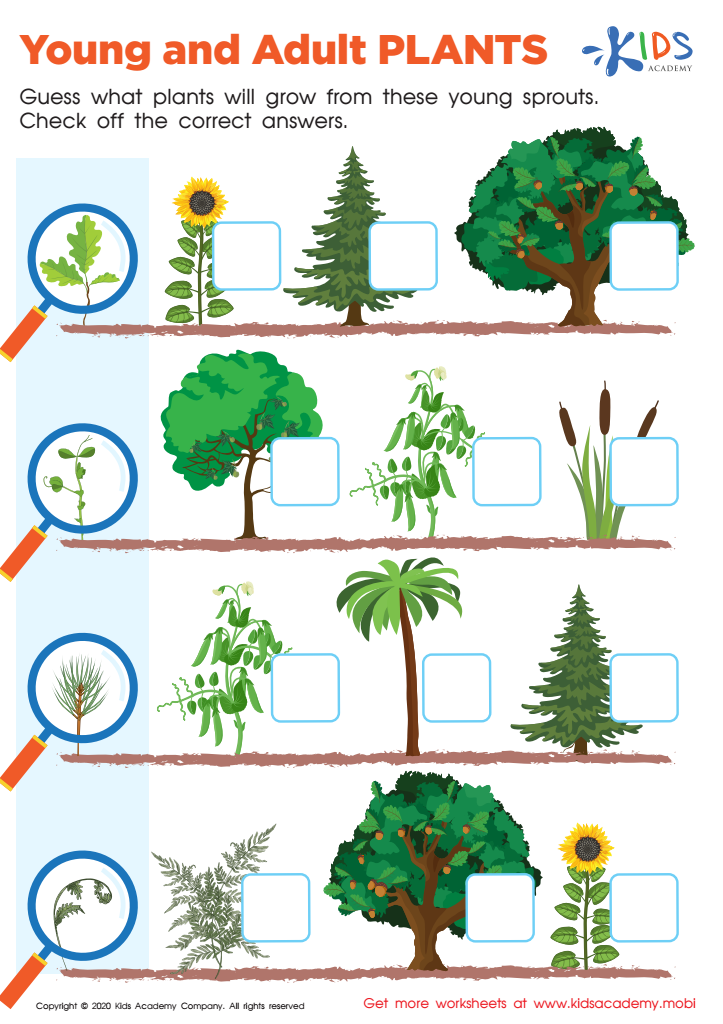
Young and Adult Plants Worksheet
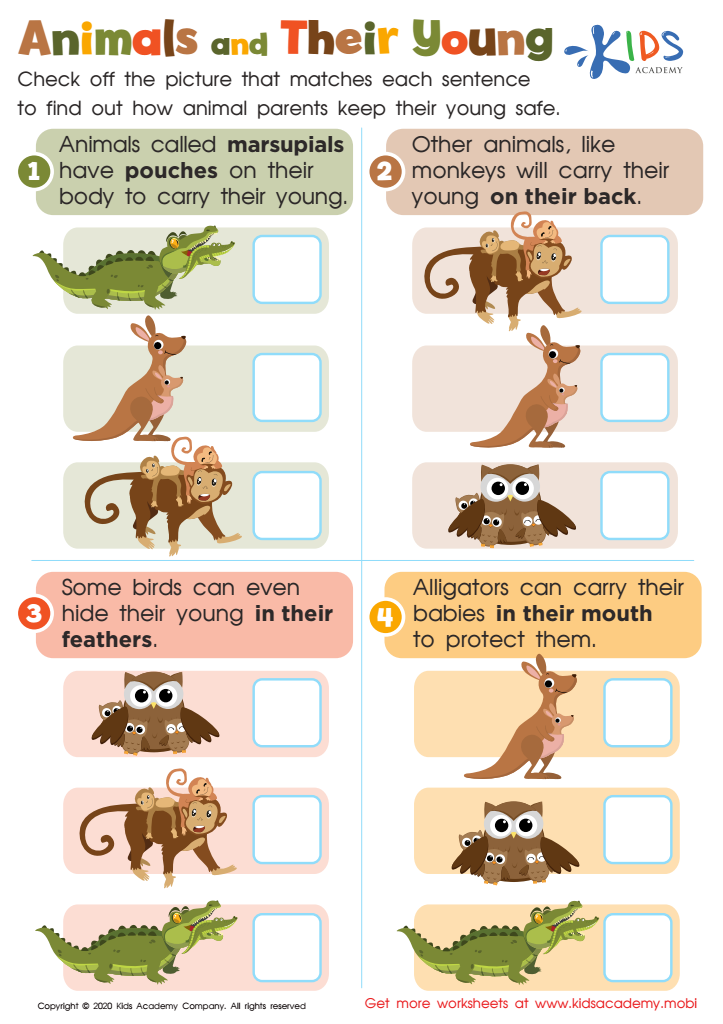
Animals and Their Young Worksheet
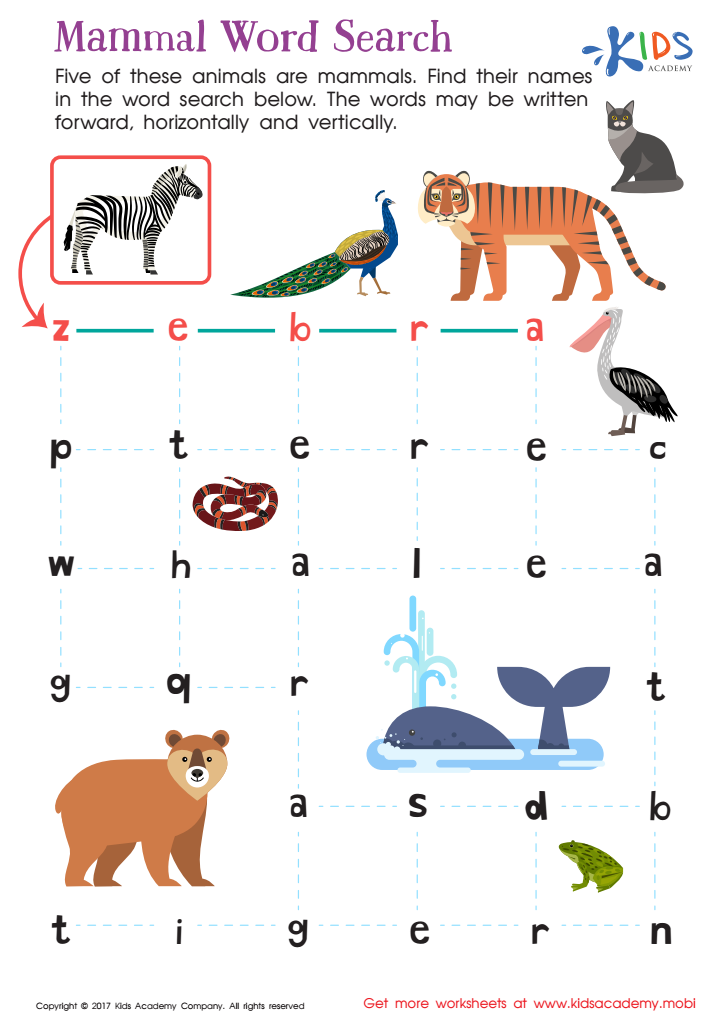
Printable Mammal Word Search
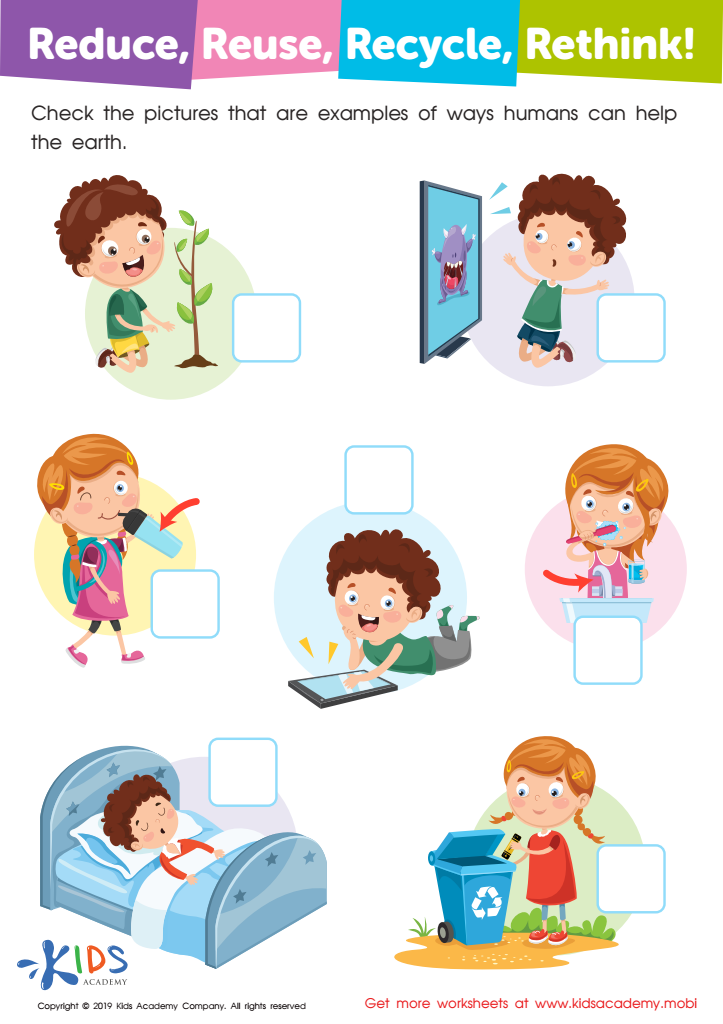
Reduce, Reuse, Recycle, Rethink Worksheet
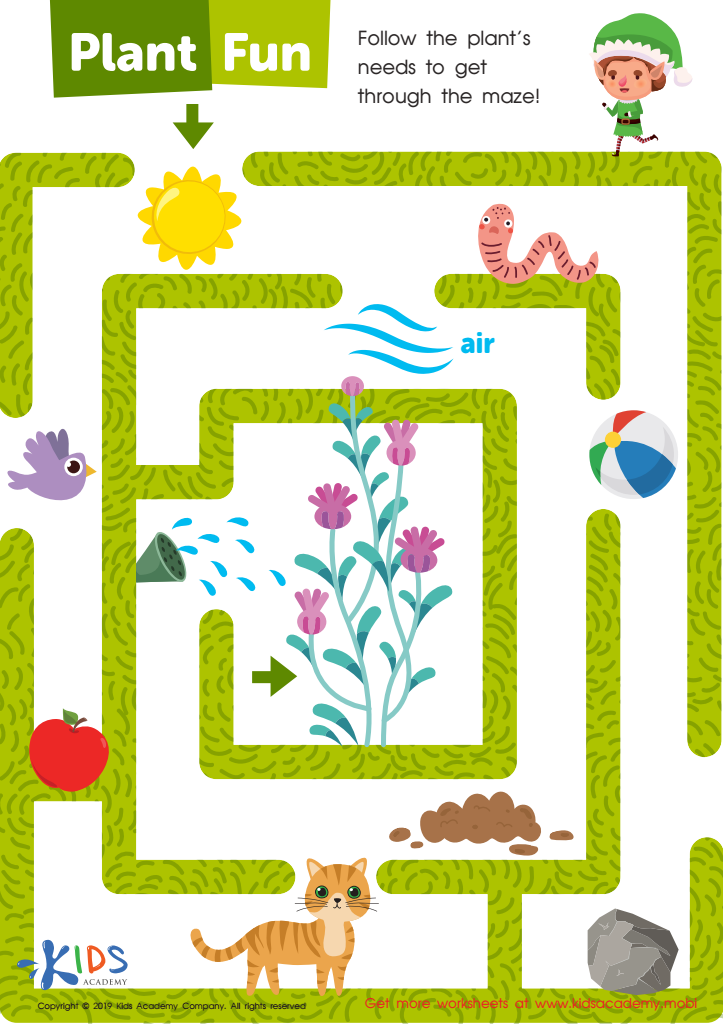
Plant Fun Worksheet
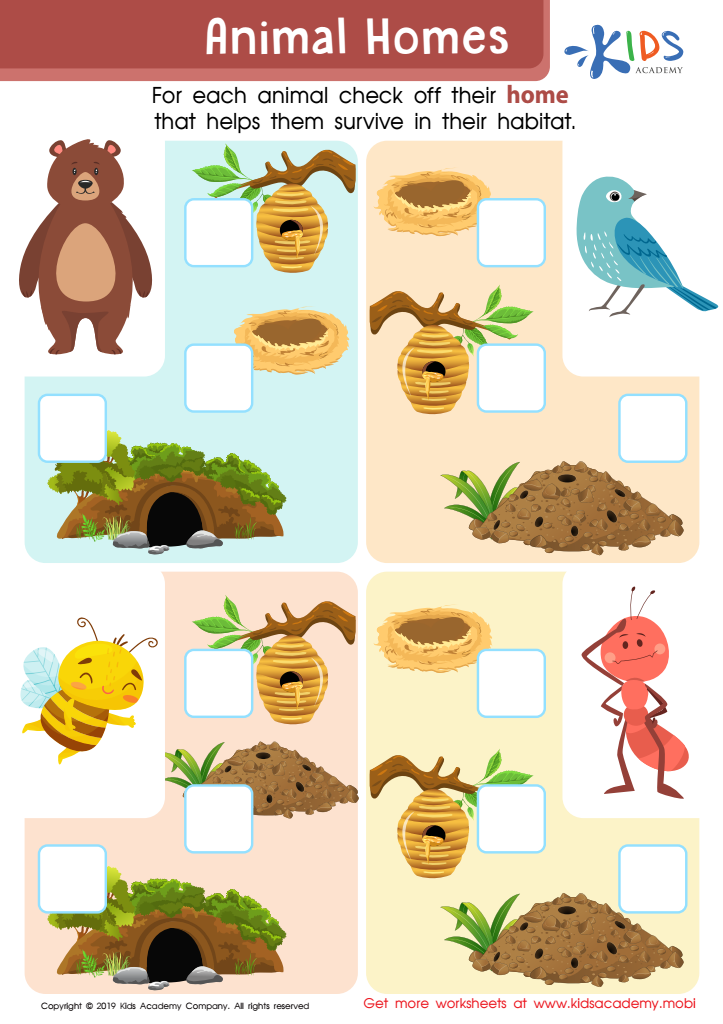
Animal Homes Worksheet
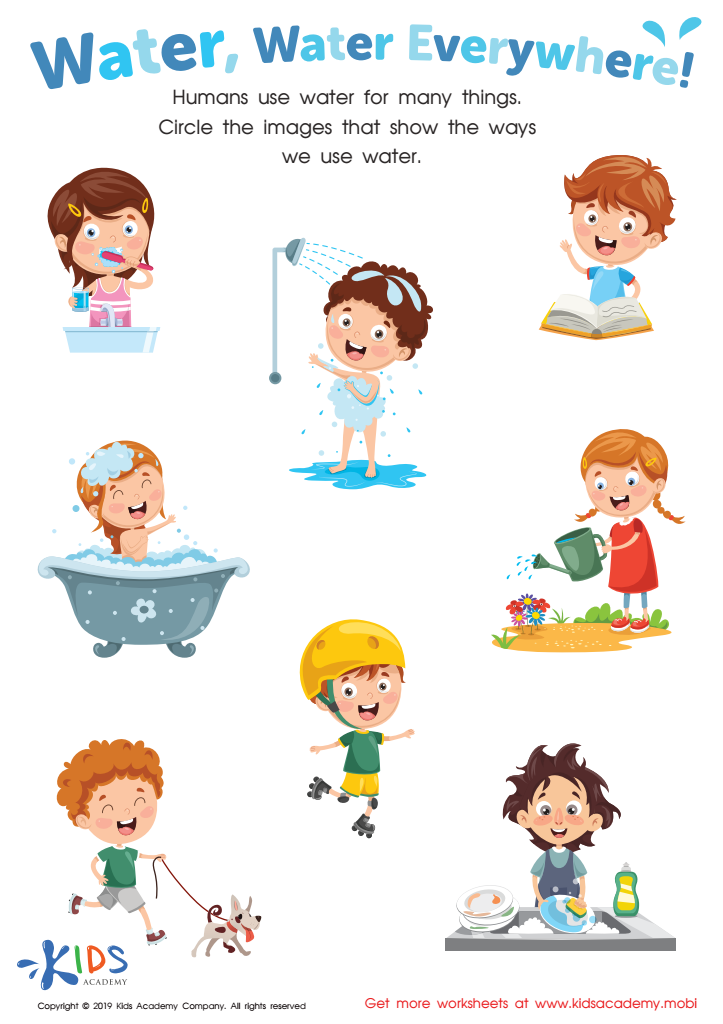
Water, Water Everywhere! Worksheet
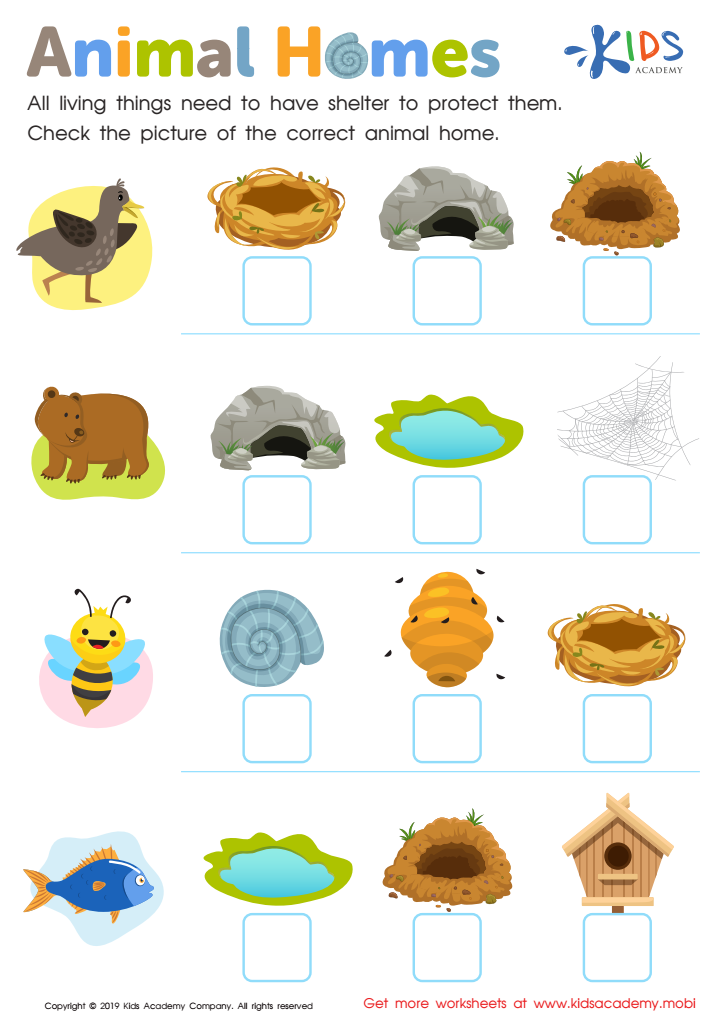
Animal Homes Worksheet
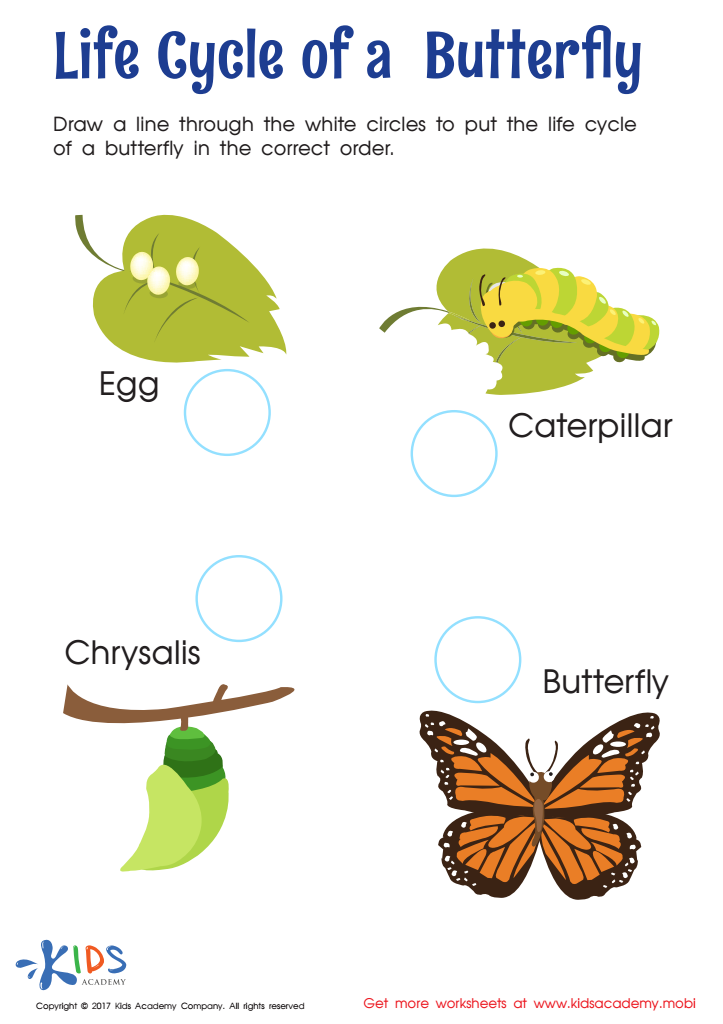
Life Cycle of Butterfly Worksheet
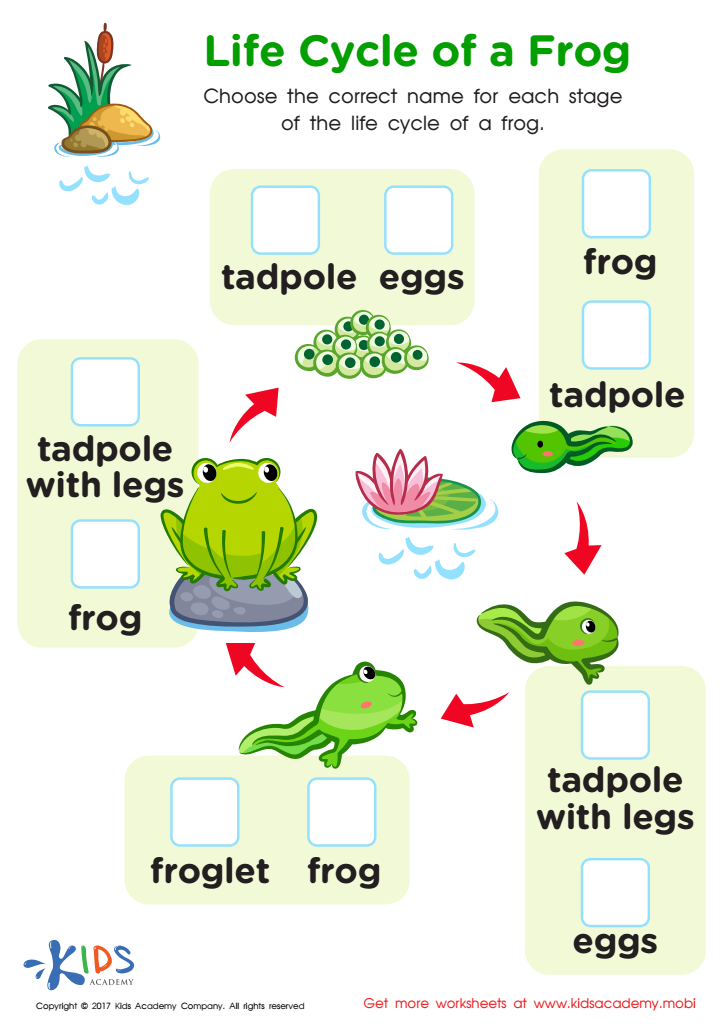
Life Cycle Frog Printable
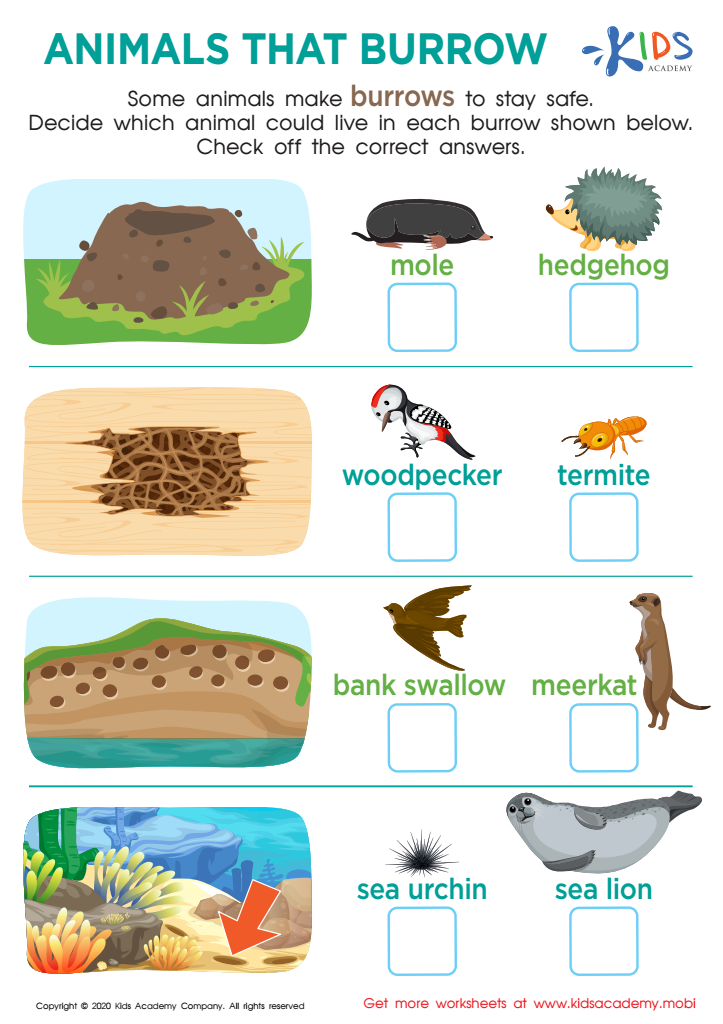
Animals That Burrow Worksheet
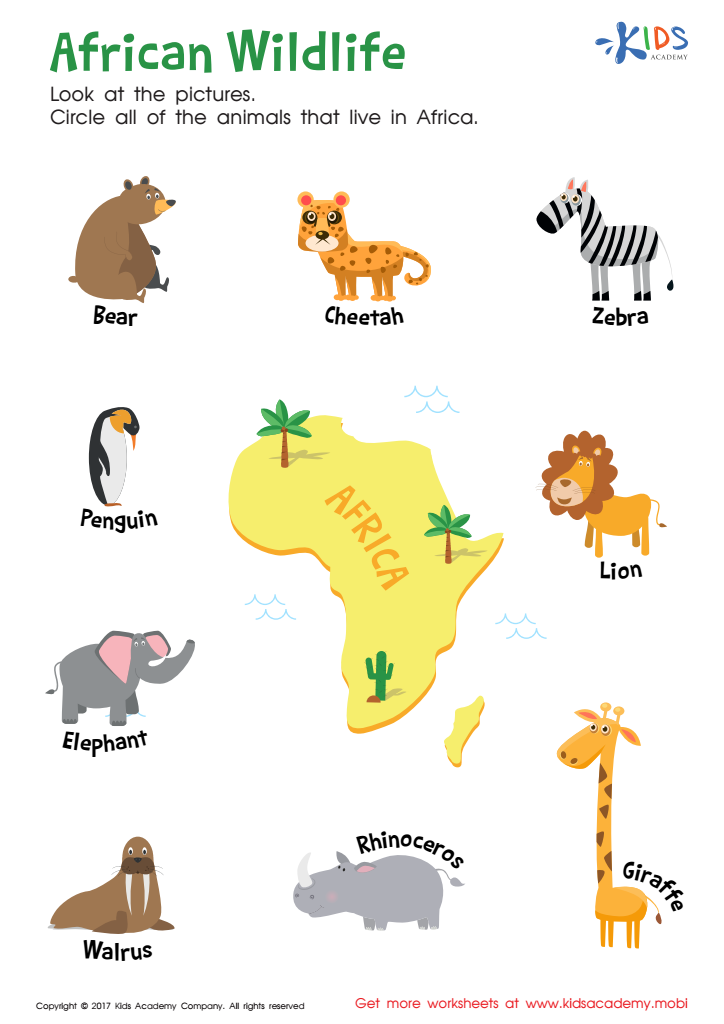






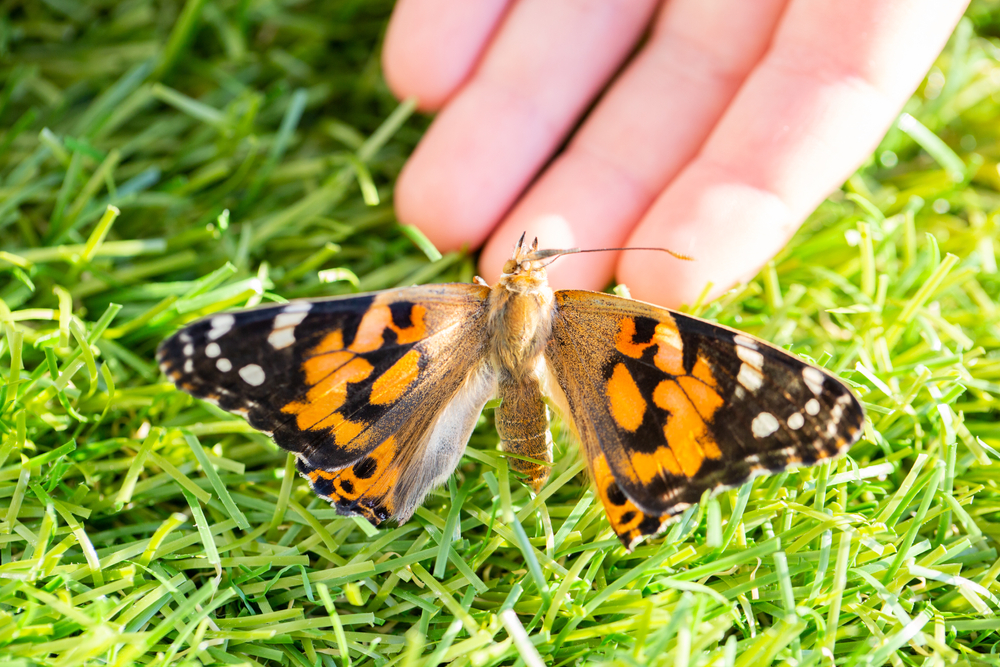

Vocabulary enhancement, particularly in the context of normal plants and animals, is crucial for young children aged 4-7 and should be a priority for both parents and teachers. This foundational knowledge forms the basis for more complex learning later on and supports cognitive development in a multifaceted way.
First, expanding vocabulary at this young age improves communication skills. When children know the proper names for various plants and animals, they can more accurately express their thoughts, ask questions, and describe their experiences. This minimizes frustration and enhances interactions both at home and in school.
Furthermore, recognizing and naming common plants and animals foster curiosity and a lifelong love for nature. This awareness helps children develop a sense of responsibility towards the environment, promoting empathetic and informed behaviors that benefit the ecosystem.
Vocabulary enhancement in this area also supports cognitive development through the classification of objects, which is an essential skill in scientific thinking. Children learn to group and categorize, laying the groundwork for logical thinking and understanding relationships within ecosystems.
In a broader sense, enhanced vocabulary boosts reading comprehension as it allows children to better understand and engage with texts that mention different flora and fauna. It directly contributes to academic achievement and nurtures a well-rounded knowledge base, ultimately leading to more academically capable and environmentally conscious individuals.