Alphabet Recognition Normal Alphabet Worksheets for Ages 4-8 - Page 2
42 filtered results
-
From - To
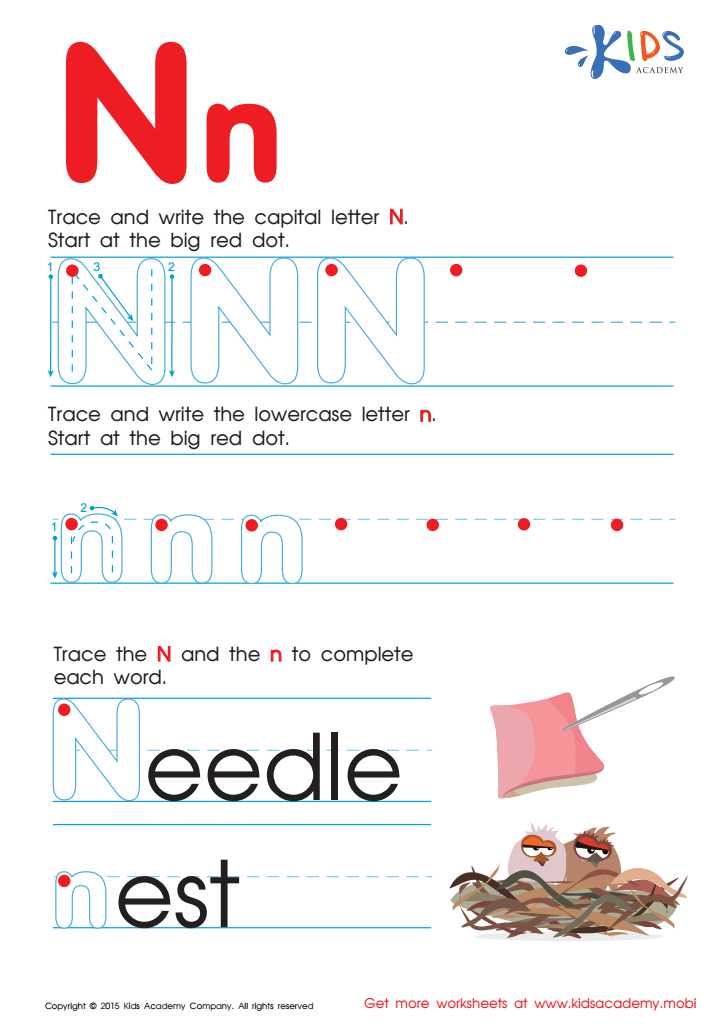
Letter N Tracing Page
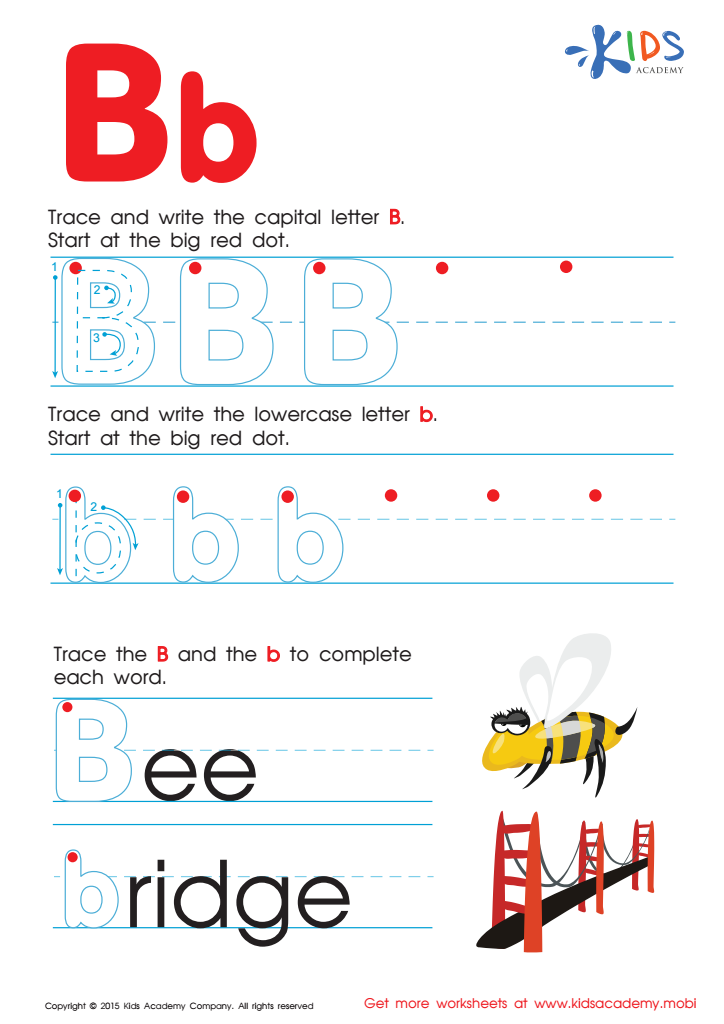
Letter B Tracing Page
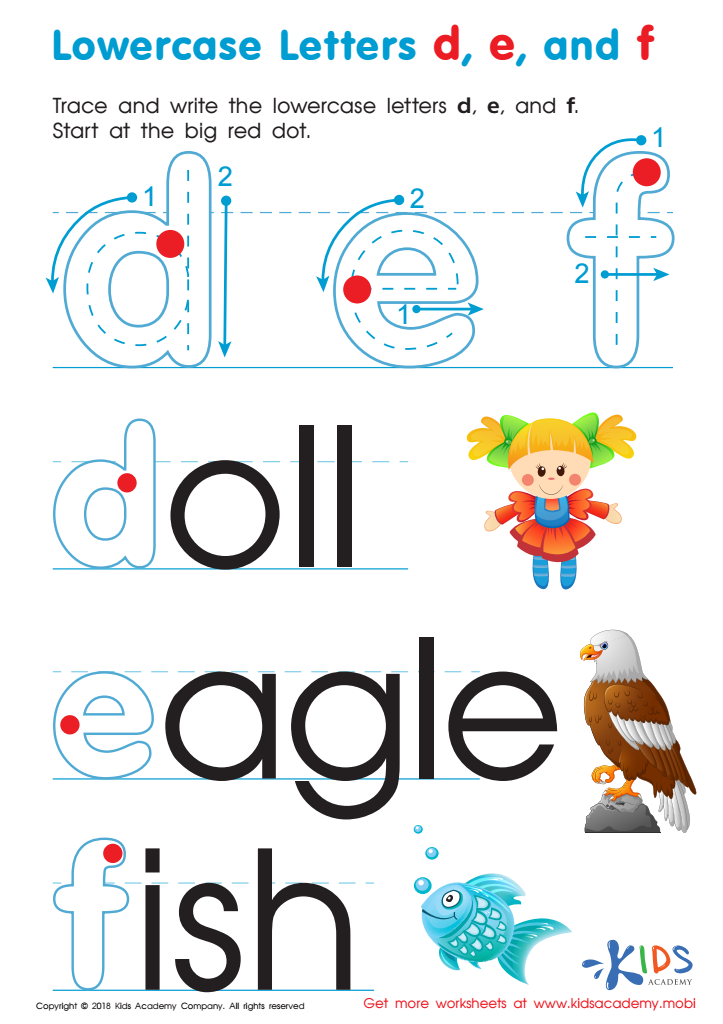
Lowercase Letters d e f Worksheet
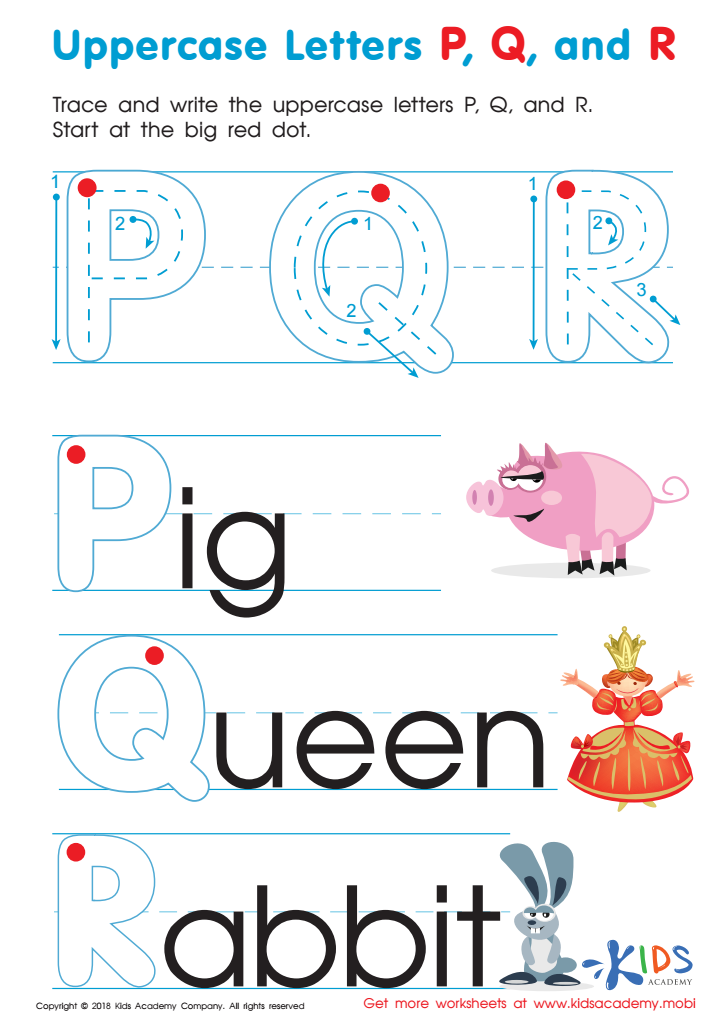
Uppercase Letters P, Q, and R Worksheet
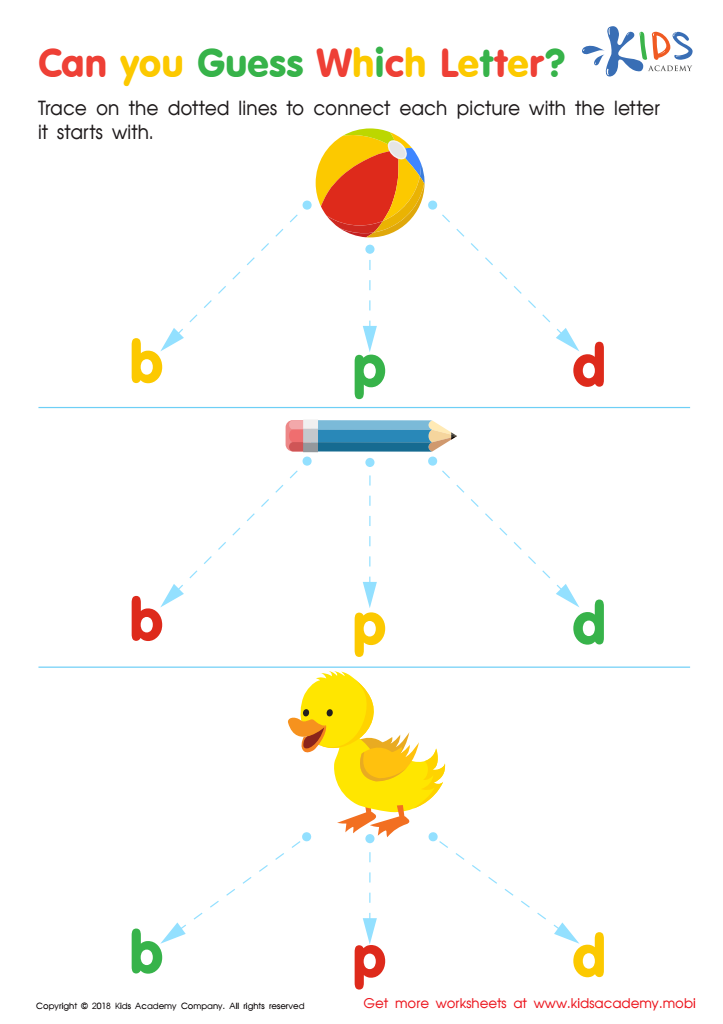
Can you Guess Which Letter? Worksheet
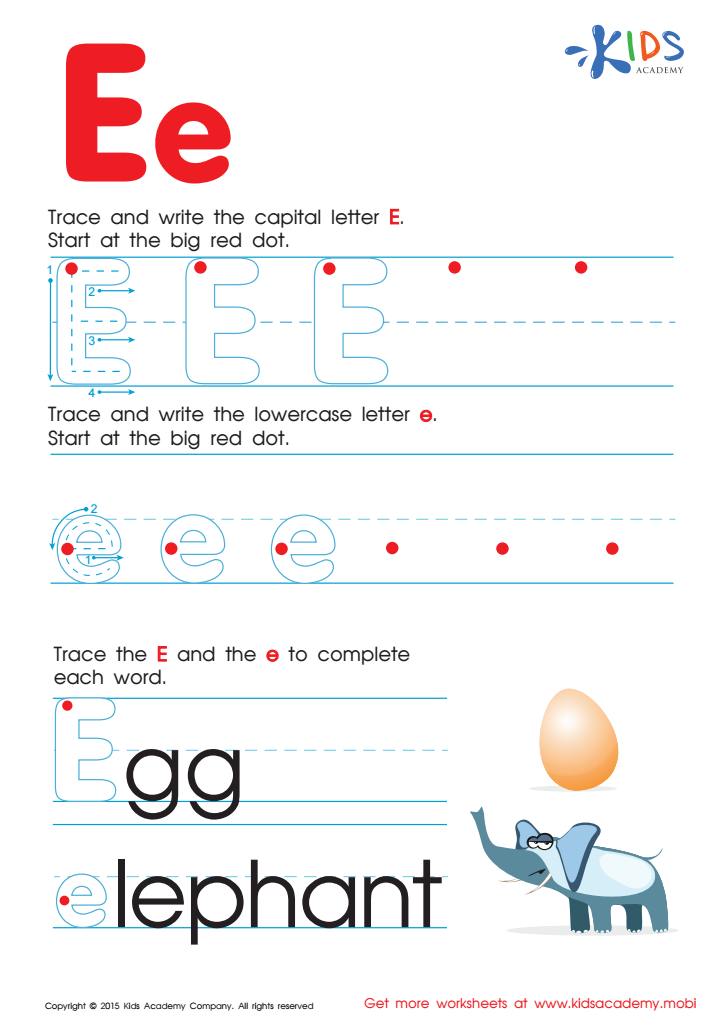
Letter E Tracing Page
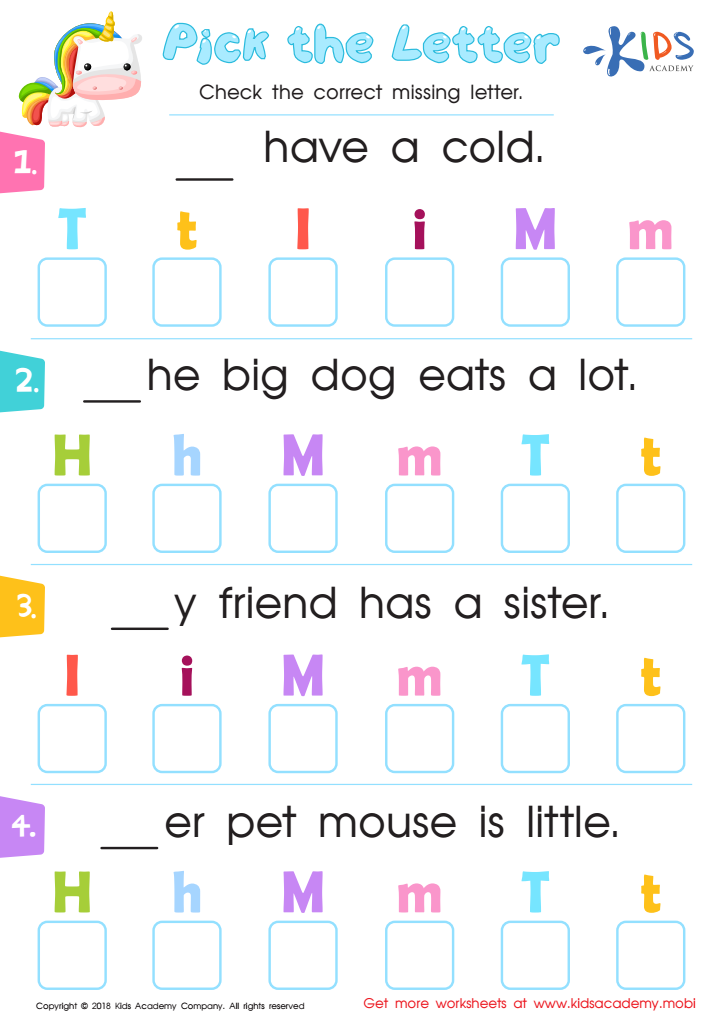
Pick the Letter Worksheet
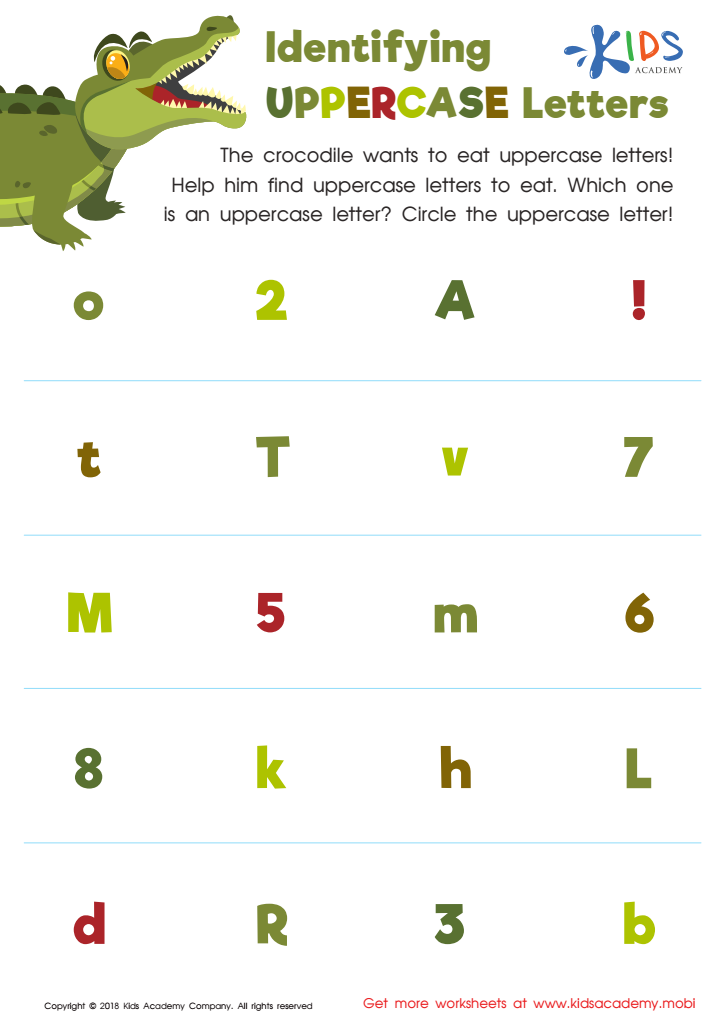
Identifying Uppercase Letters Worksheet
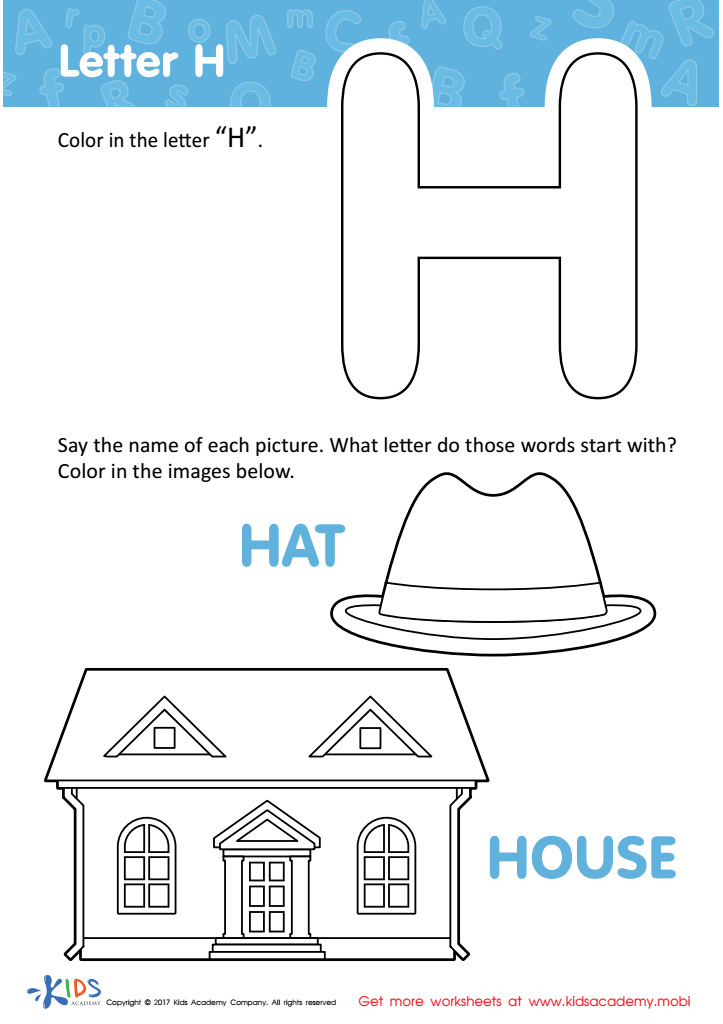
Letter H Coloring Sheet
 Assign to My Students
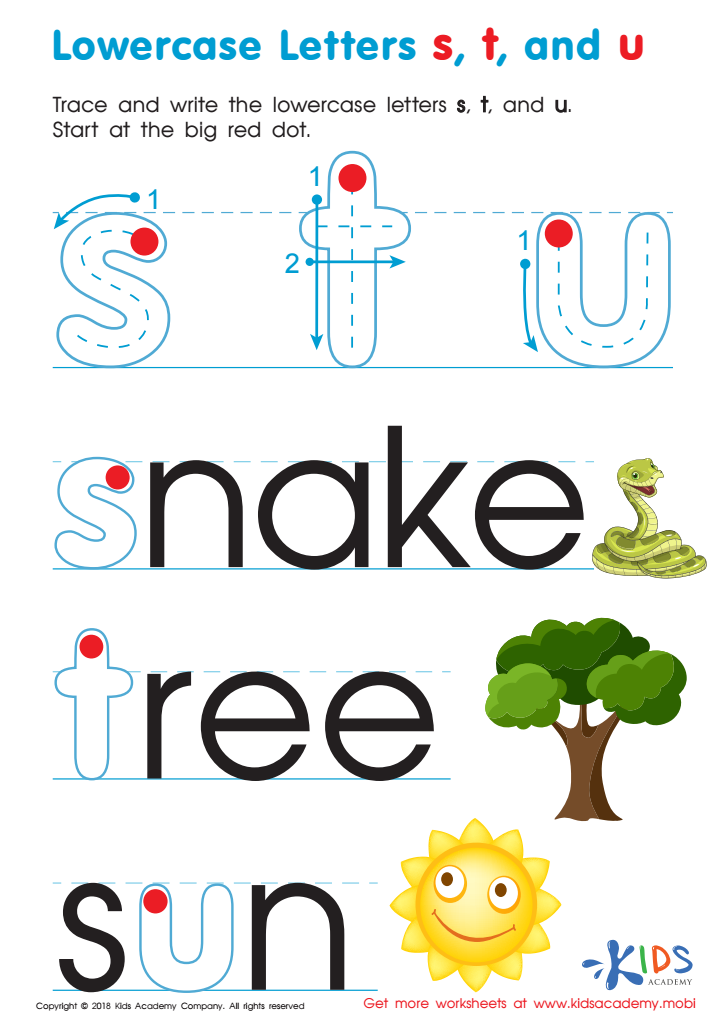
Lowercase Letters s t u Worksheet
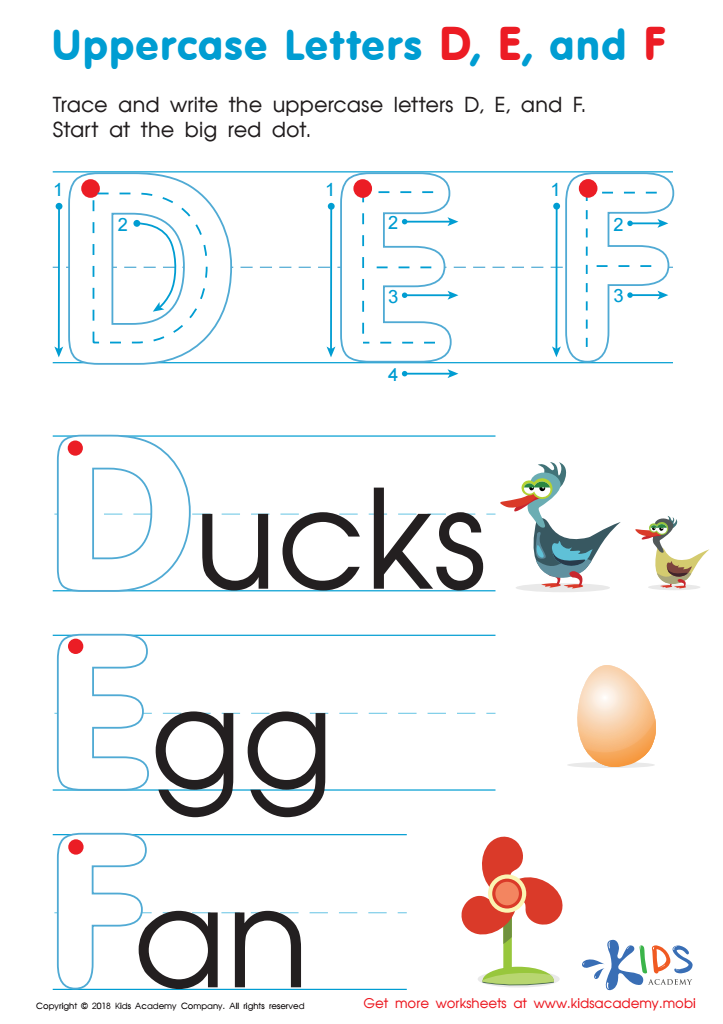
Uppercase Letters D, E, and F Worksheet
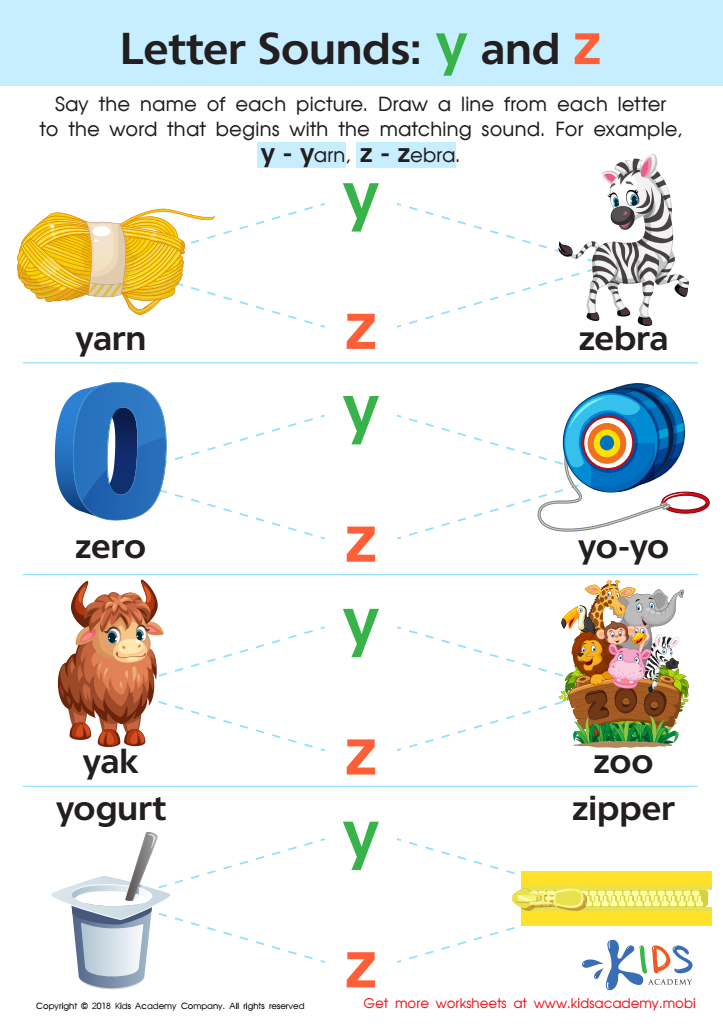
Letter Y and Z Sounds Worksheet
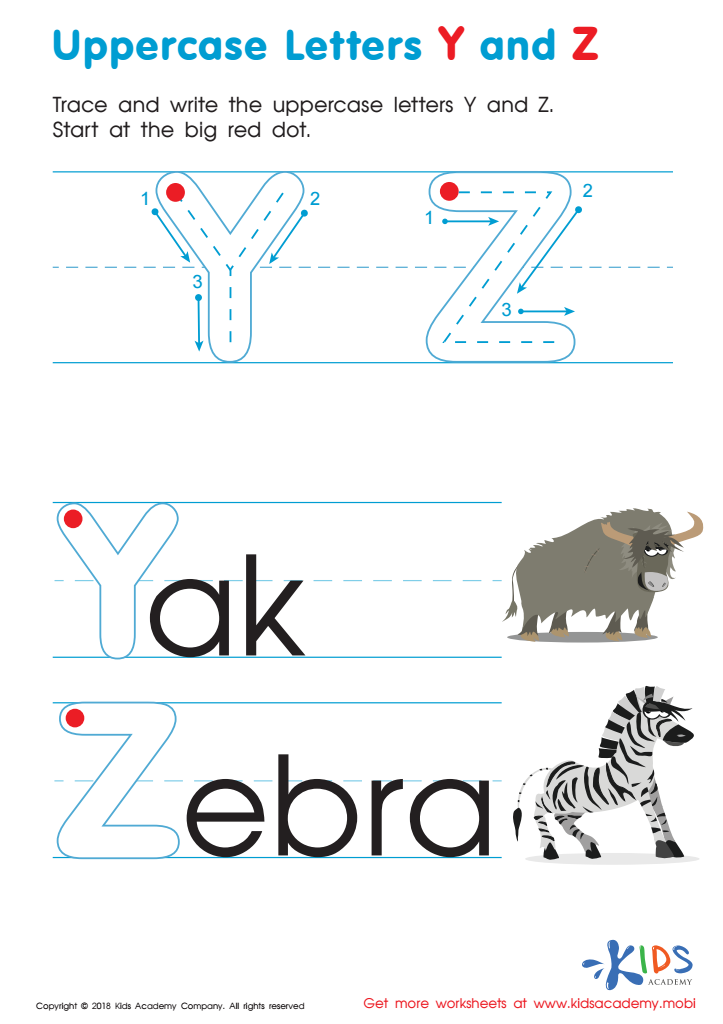
Uppercase Letters Y Z Worksheet
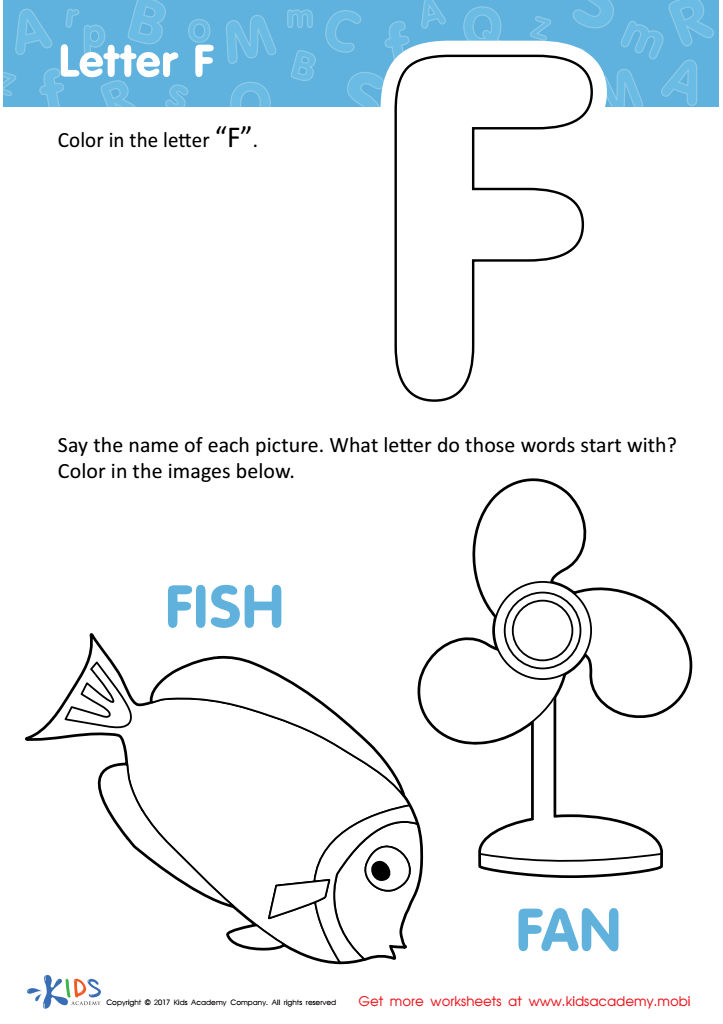
Letter F Coloring Sheet
Assign to My Students
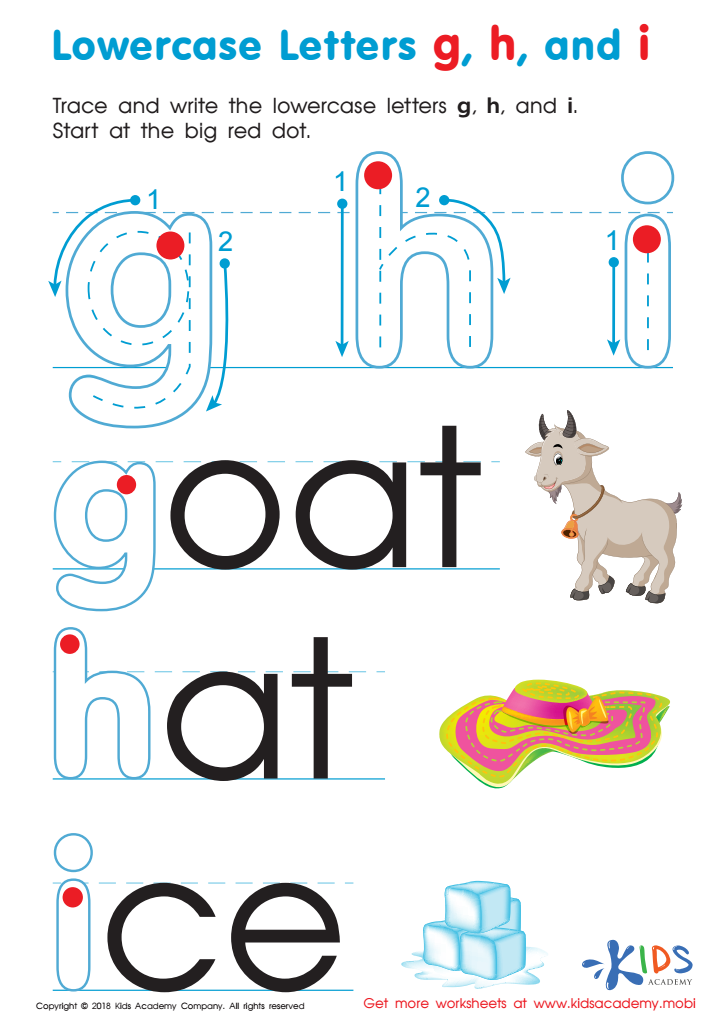
Lowercase Letters g h i Worksheet
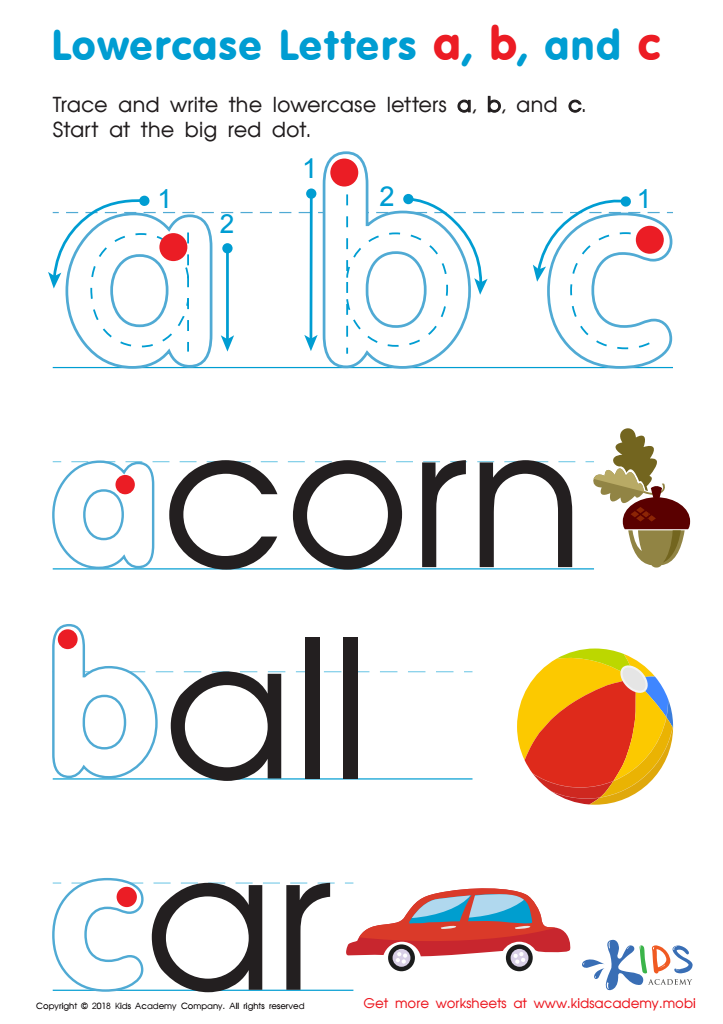
Lowercase Letters a b c Worksheet
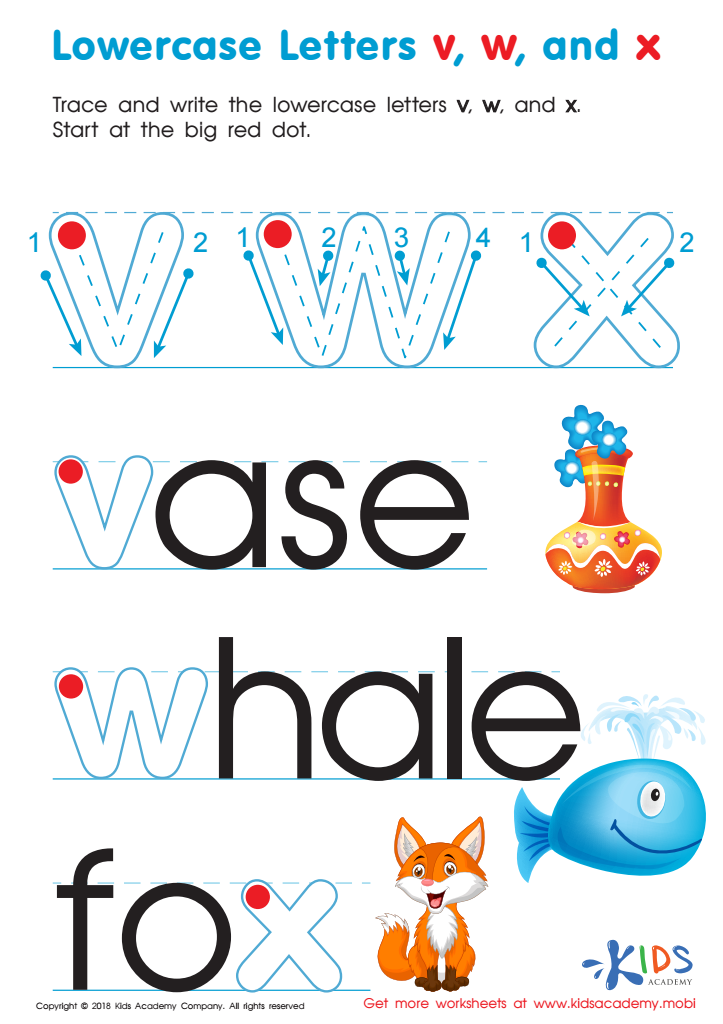
Lowercase Letters v w x Worksheet

Uppercase Letters V, W, and X Worksheet








Alphabet recognition is a fundamental skill for children aged 4-8, serving as the cornerstone for their literacy development. It is crucial for parents and teachers to prioritize this skill because it directly impacts a child's reading and writing abilities. When children can recognize letters, they begin to understand the relationship between written and spoken language, which is essential for phonemic awareness and spelling.
Moreover, forming a solid foundation in alphabet recognition helps children feel more confident as they start to engage with books and other written materials. This confidence can encourage a lifelong love of reading, which is linked to improved academic performance across all subjects.
Additionally, understanding the alphabet supports cognitive development and enhances fine motor skills when children practice writing letters. For teachers, fostering this skill in the classroom can lead to better group dynamics and individual progress, providing each child with a clear path toward achieving literacy goals.
Overall, nurturing alphabet recognition in early education not only sets the stage for future academic success but also nurtures social-emotional development, as children gain confidence and a sense of accomplishment through their learning journey. Investment in this essential skill benefits the entire educational community.







