Letter recognition Normal Tracing Letters Worksheets for Ages 4-8
9 filtered results
-
From - To
Boost your child's letter recognition skills with our engaging Normal Tracing Letters Worksheets, perfect for ages 4-8! Designed to make learning fun, these worksheets help young learners practice tracing uppercase and lowercase letters while developing essential fine motor skills. Each sheet offers ample space for tracing and repetition, ensuring kids gain confidence in their writing abilities. Ideal for preschool, kindergarten, and early grade students, our tracing letters worksheets support foundational literacy skills, enhancing their ability to recognize and form each letter correctly. Make learning an exciting adventure with our expertly crafted resources from Kids Academy!
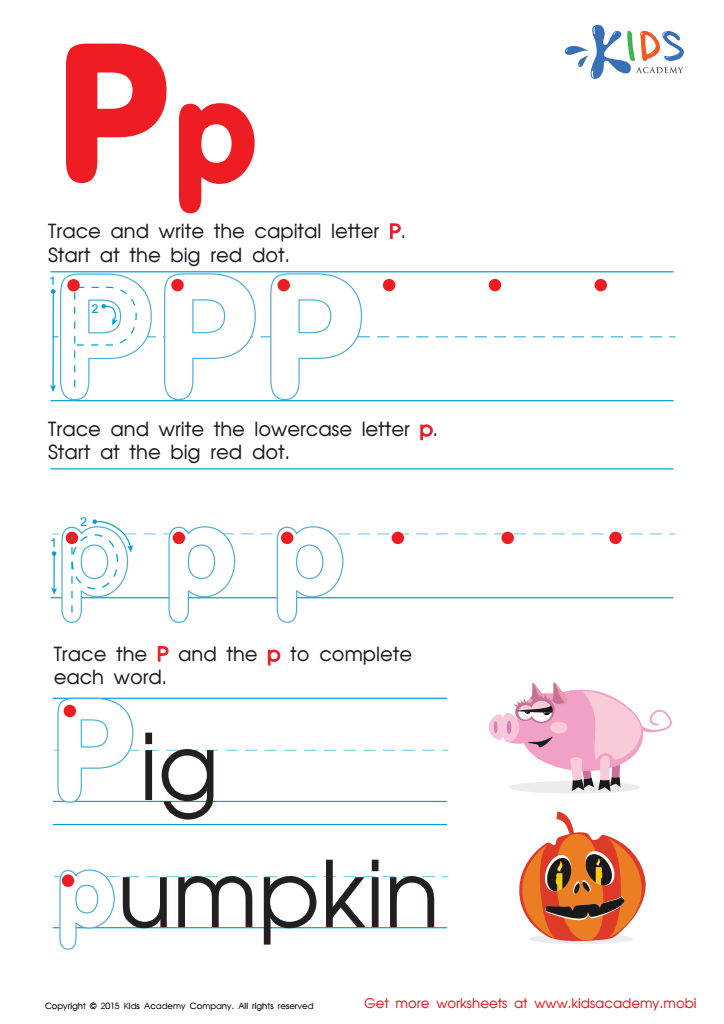
Letter P Tracing Page
 Assign to My Students
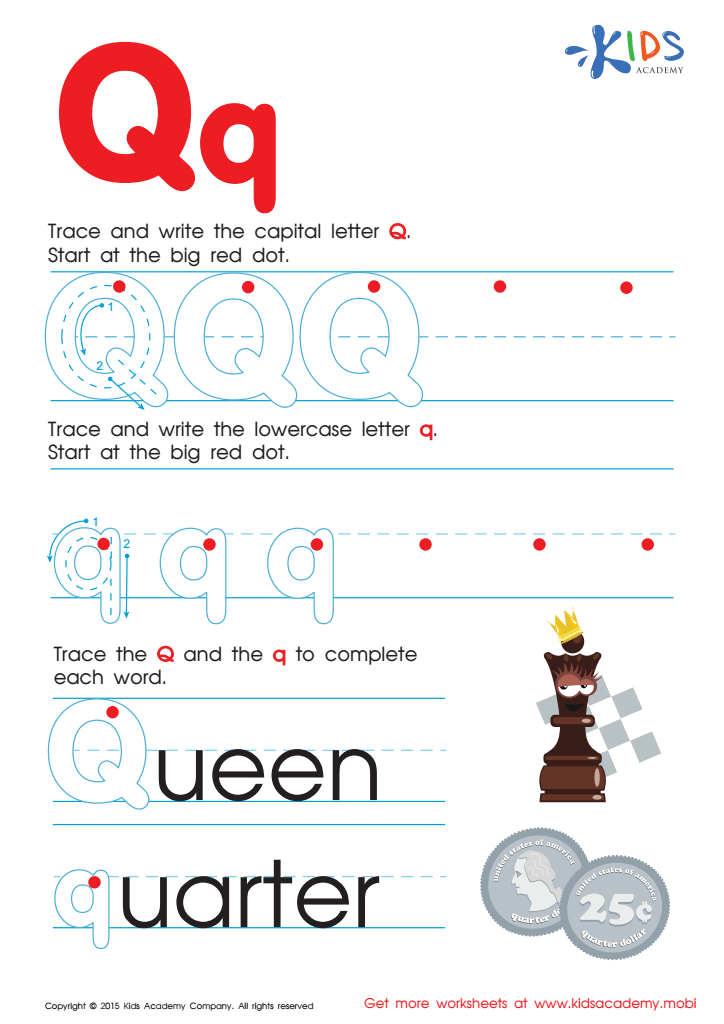
Letter Q Tracing Page
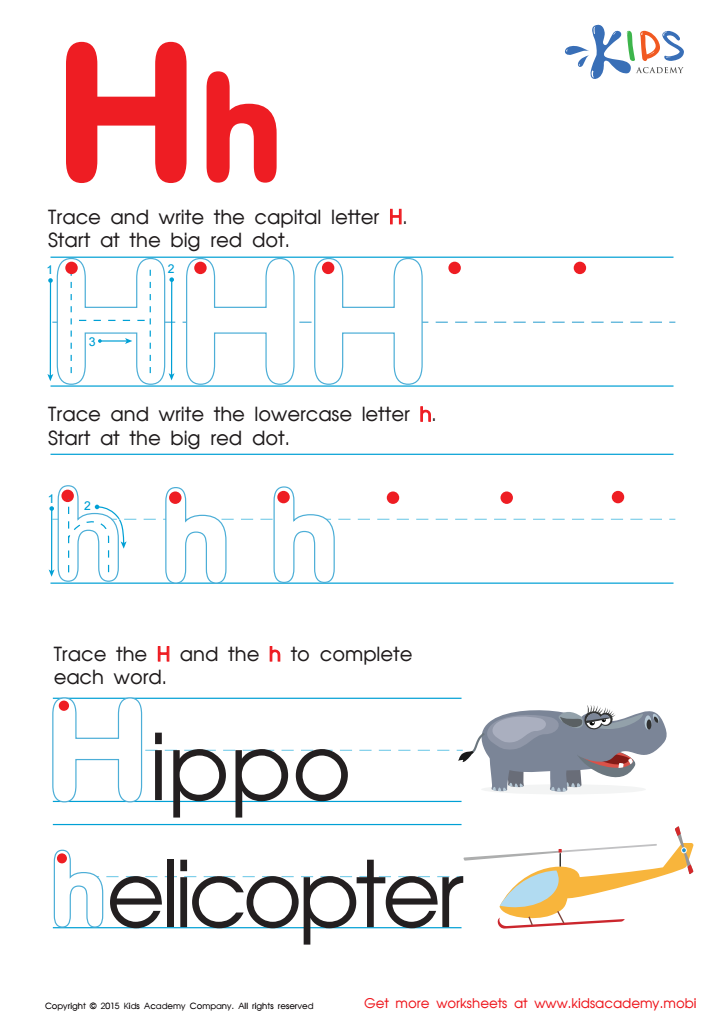
Letter H Tracing Page

Letter G Tracing Page
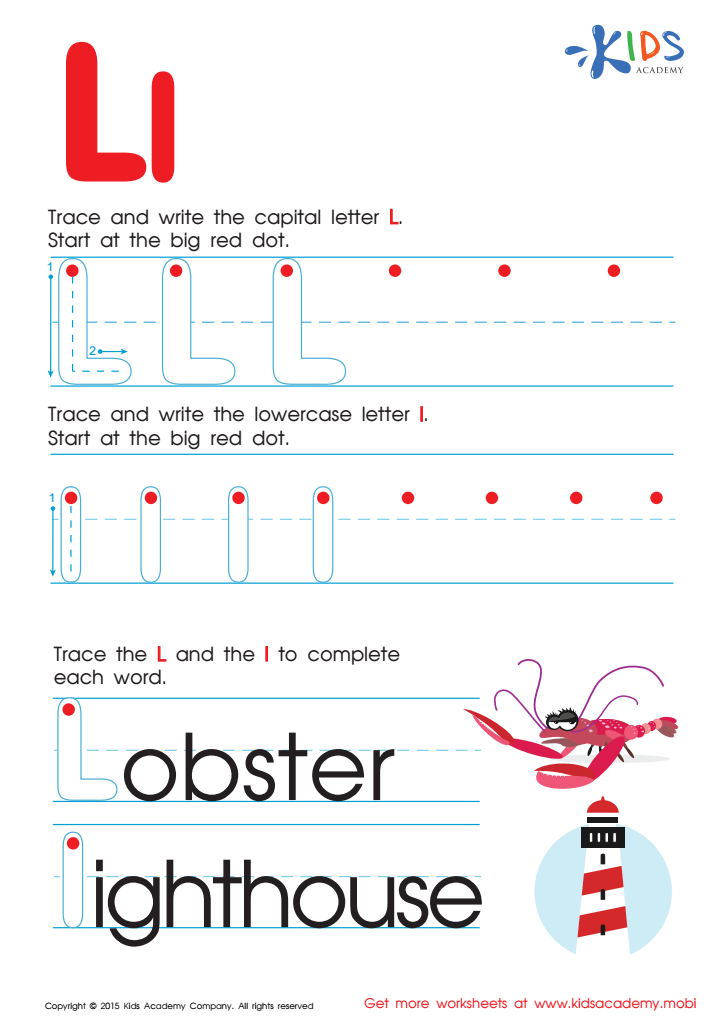
Letter L Tracing Page
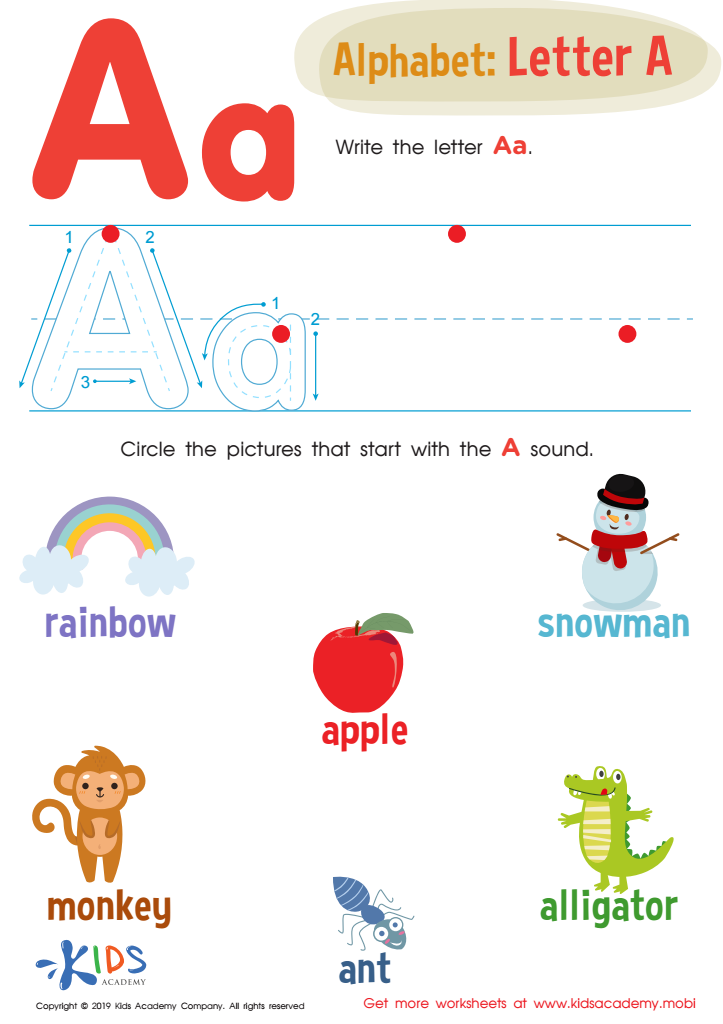
Letter A Tracing Worksheet
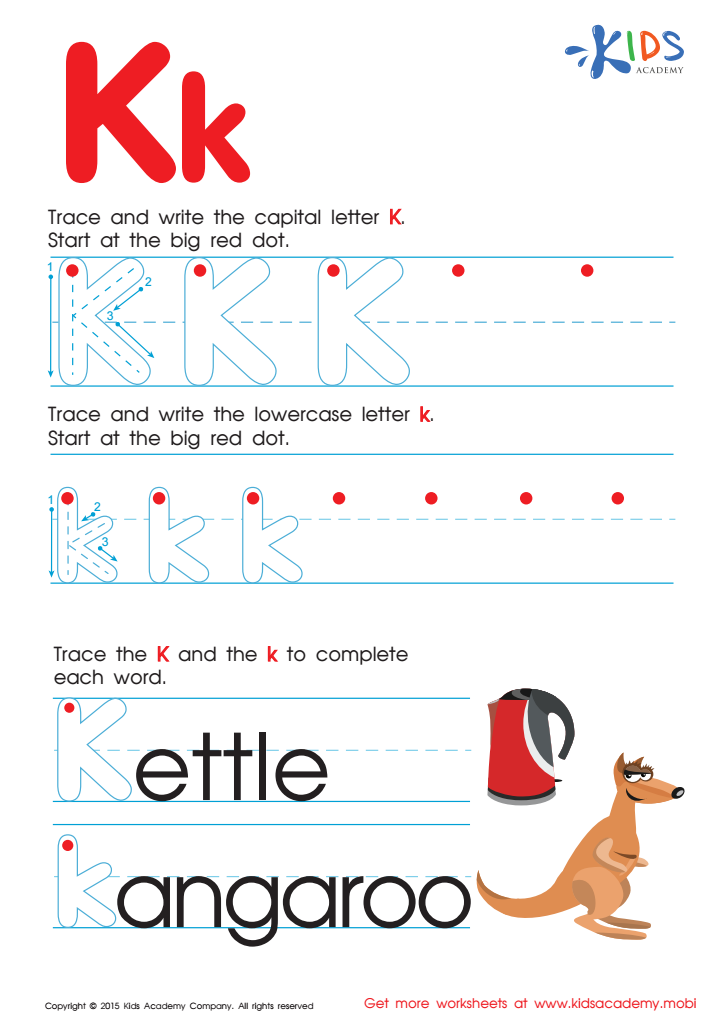
Letter K Tracing Page

Letter F Tracing Page

Letter D Tracing Page








Letter recognition and normal tracing letters are fundamental building blocks in children's education, particularly for ages 4-8. During these formative years, children develop critical cognitive and motor skills, which lay the groundwork for subsequent learning. Parents and teachers should place high importance on these activities for several reasons.
First, letter recognition is essential for literacy. Familiarity with letters enables children to decode words, which is a crucial first step in learning to read and write. Recognizing letters shapes their phonetic understanding, aiding in spelling and vocabulary development. Resultantly, proficient letter recognition boosts reading fluency and overall academic performance.
Furthermore, tracing letters enhances fine motor skills. As children trace shapes and letters, they refine hand strength, coordination, and control, all necessary precursors to successful handwriting. These motor skills carry over to other areas, such as art and self-care tasks like dressing and using utensils.
Parents and teachers fostering an engaging and supportive environment for these activities can promote confidence and interest in learning. By embedding letter recognition and tracing practices in playful, creative, and enjoyable ways, adults encourage children to explore educational activities willingfully, establishing a positive and proactive attitude toward school and continuous learning. Thus, the emphasis on these foundational skills is essential for the holistic development of young learners.








