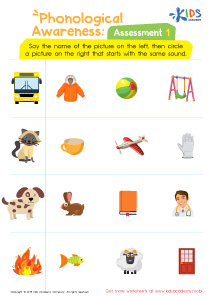
Word Recognition Normal Two Letter Phonics Worksheets for Ages 4-8
6 filtered results
-
From - To
Introduce young learners, ages 4-8, to two-letter phonics with our Word Recognition Worksheets. Designed to enhance early reading skills, these engaging printables help children recognize, pronounce, and comprehend basic letter combinations. Each worksheet offers fun, interactive activities to solidify phonetic understanding and boost confidence in reading. Equip your child with the foundational skills they need to excel in literacy. Explore our collection today and make learning delightful and effective! Ensuring a strong grasp of letter sounds is crucial for developing proficient reading abilities. Join us in building a bright future, one sound at a time!
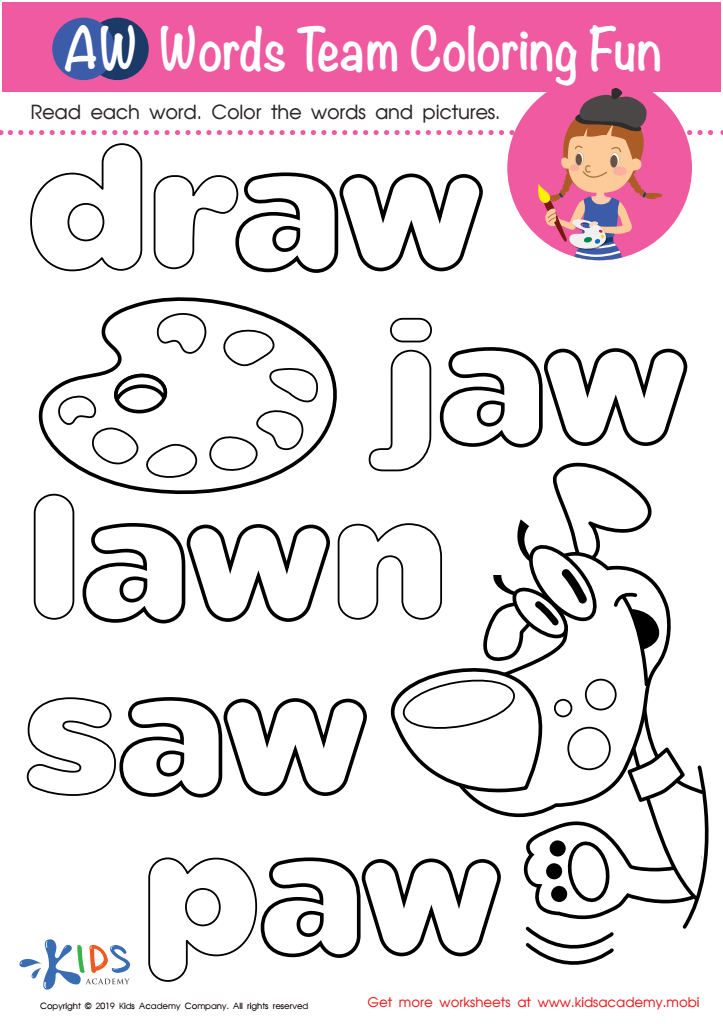
AW Words Team Coloring Fun Worksheet
 Assign to My Students
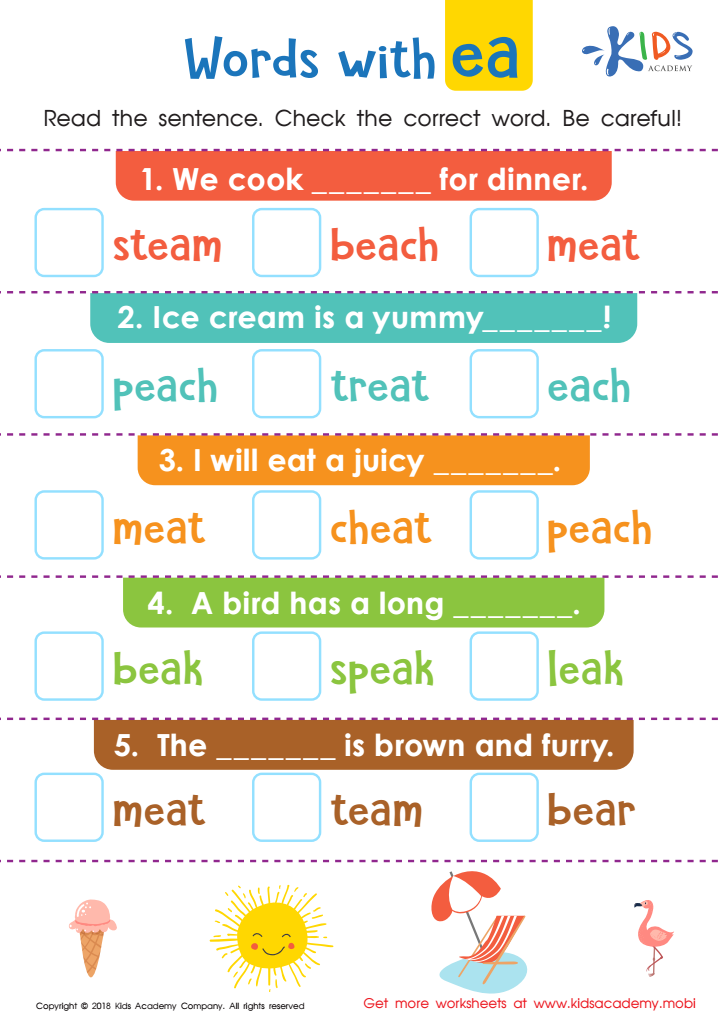
Words with ea Worksheet
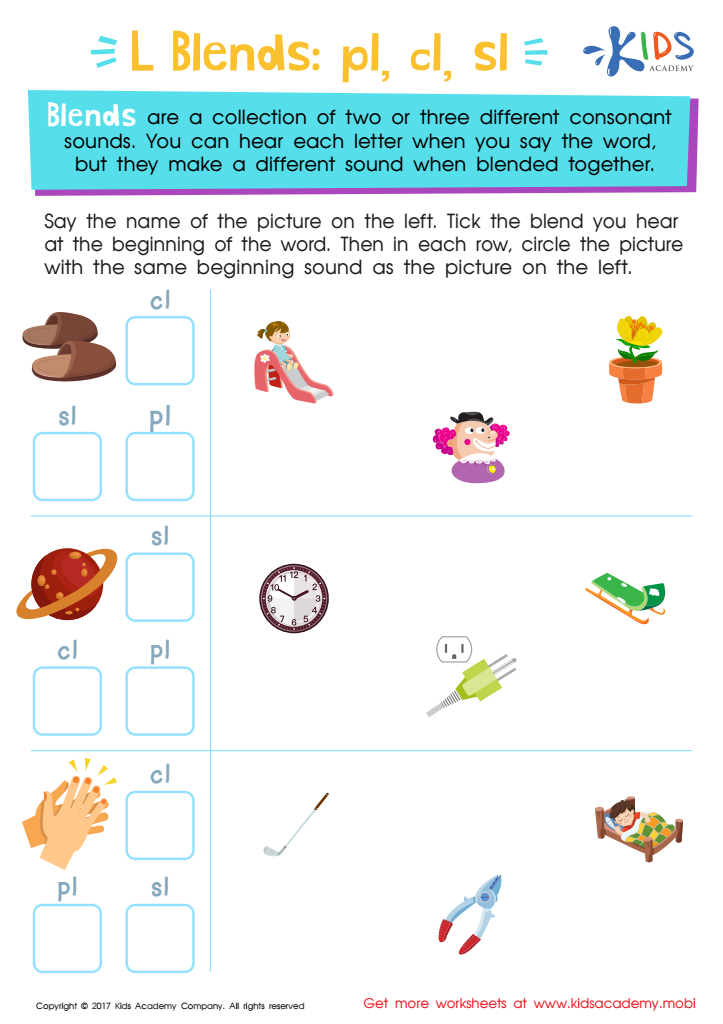
L Blends: "Pl", "Cl" and "Sl" Printable
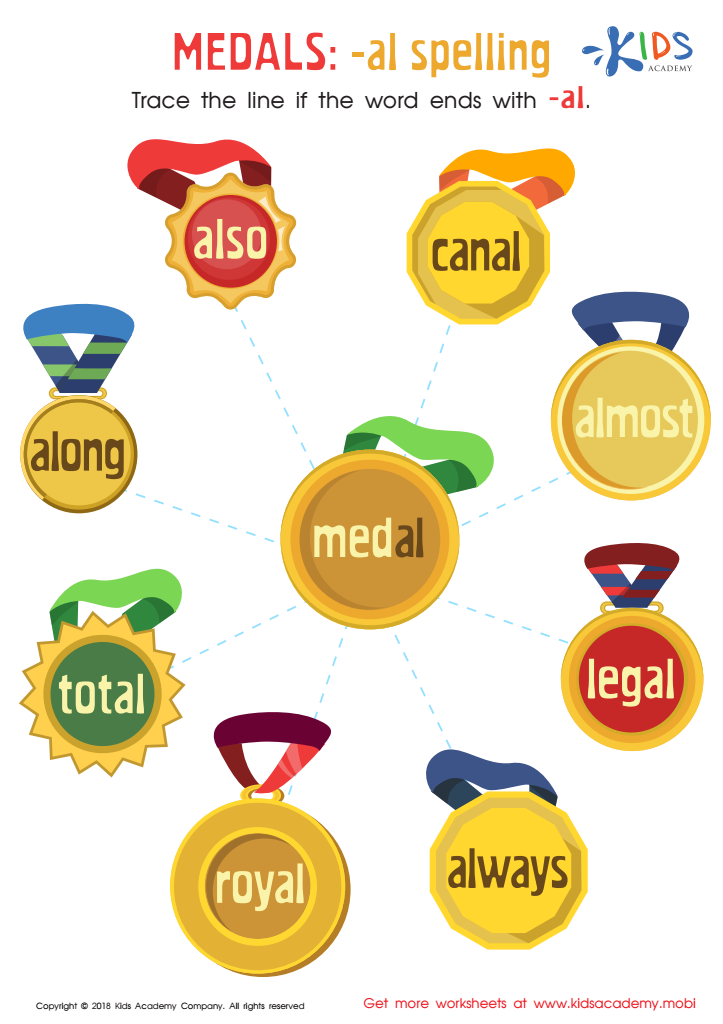
Medals: Al Spelling Worksheet
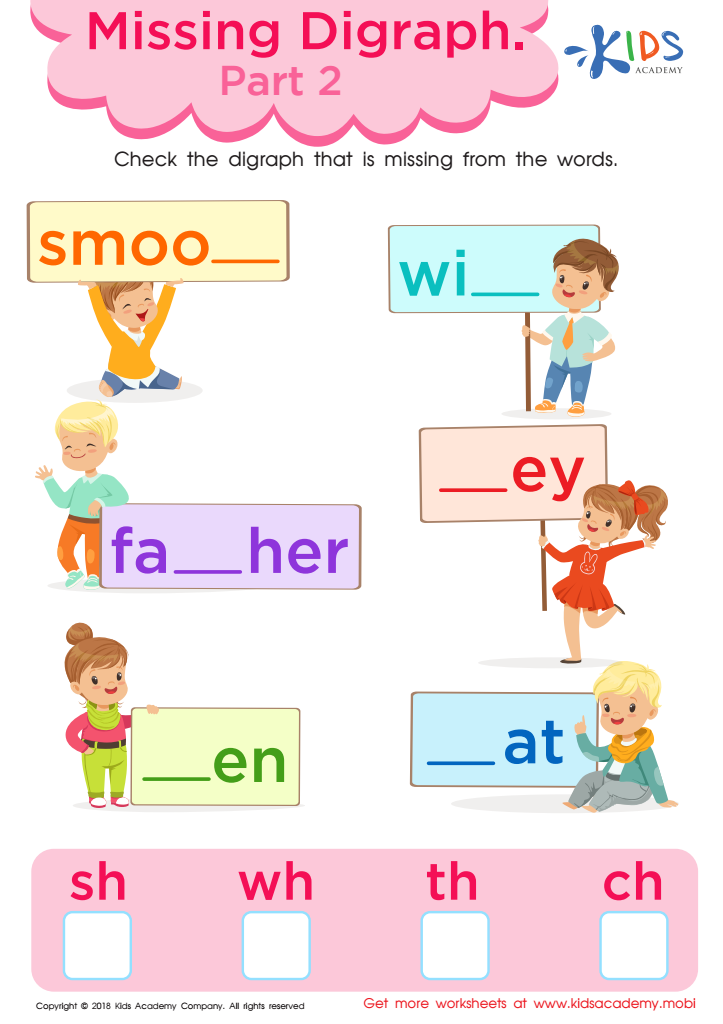
Missing Digraph: Part 2 Worksheet
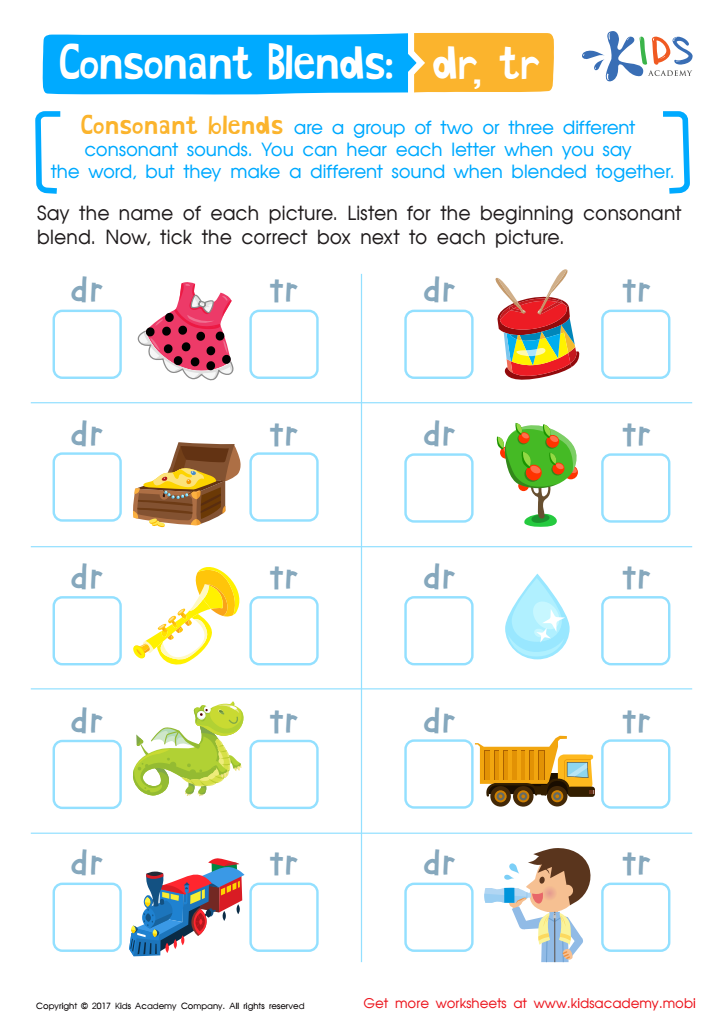
Consonant Blends: "Dr" and "Tr" Printable



Parents and teachers should prioritize Word Recognition and Normal Two-Letter Phonics for children aged 4-8 because these skills lay the crucial foundation for successful reading and literacy. At this formative stage, children's brains are particularly receptive to phonemic awareness, which is the ability to hear, identify, and manipulate letter sounds. Learning two-letter phonics combinations, such as "ch," "sh," and "th," equips young learners with the tools they need to decode words more effectively, leading to quicker and more confident word recognition.
Strong word recognition skills enable children to read smoothly and understand text, fostering a love for reading and curiosity for knowledge. Early proficiency in these areas predicts future academic success, as reading is integral to all subjects. By mastering basic phonics combinations, children can leap from reading simple words to more complicated sentences, advancing their vocabulary and comprehension skills.
Investing in these foundational skills also supports cognitive development. As children encounter new words and patterns, they develop critical thinking and problem-solving abilities. Parents and teachers who focus on word recognition and two-letter phonics are essentially setting children up for a lifetime of learning and intellectual growth, providing them with the essential building blocks for academic and personal success.