Phonics Skills Normal Vowel Blends Worksheets for Ages 4-8
5 filtered results
-
From - To
Looking to enhance your child's phonics skills? Our "Normal Vowel Blends Worksheets" are tailored for kids aged 4-8, designed to make learning engaging and effective! These worksheets focus on essential vowel blends, helping young learners recognize and decode sounds that form the building blocks of reading. Each activity is thoughtfully crafted to foster phonemic awareness, improve vocabulary, and boost literacy skills in a playful environment. Whether in the classroom or at home, these resources offer interactive and educational fun, paving the way for future reading success. Download your worksheets today and watch your child's confidence soar as they master vowel blends!
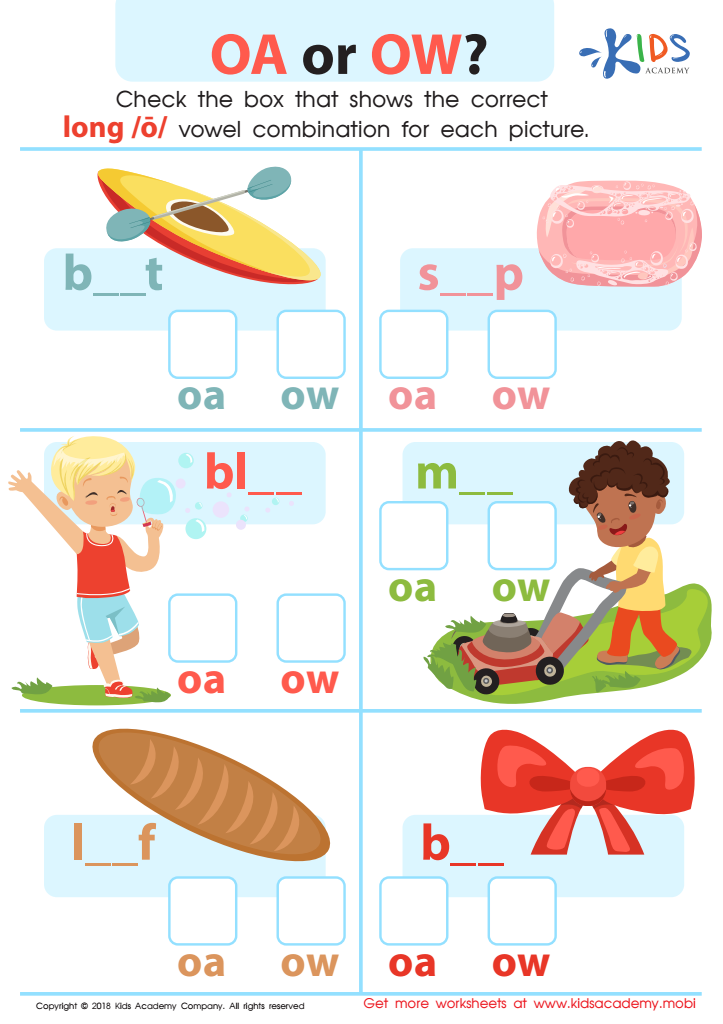
Reading: OA or OW Worksheet
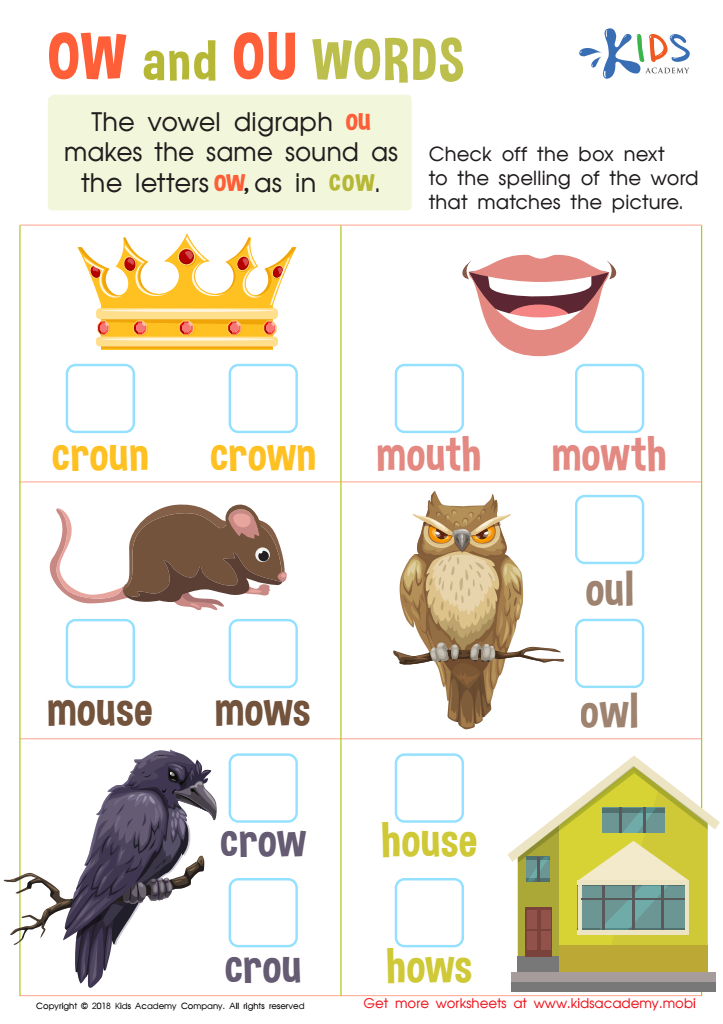
Reading: OW and OU Words Worksheet
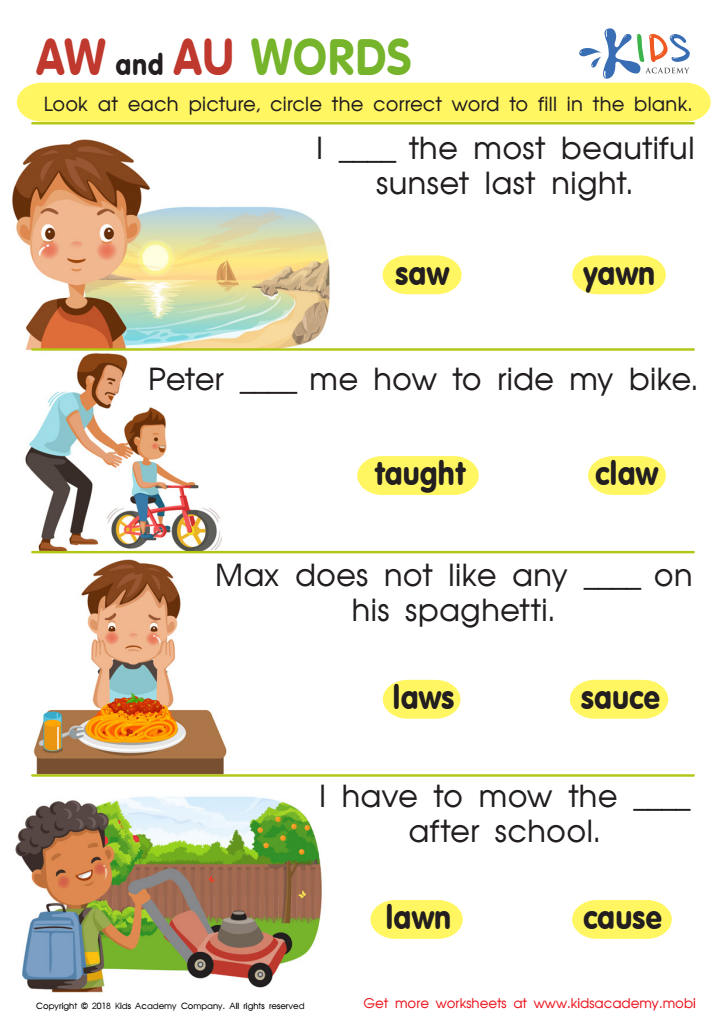
Reading: AW and AU Words Worksheet
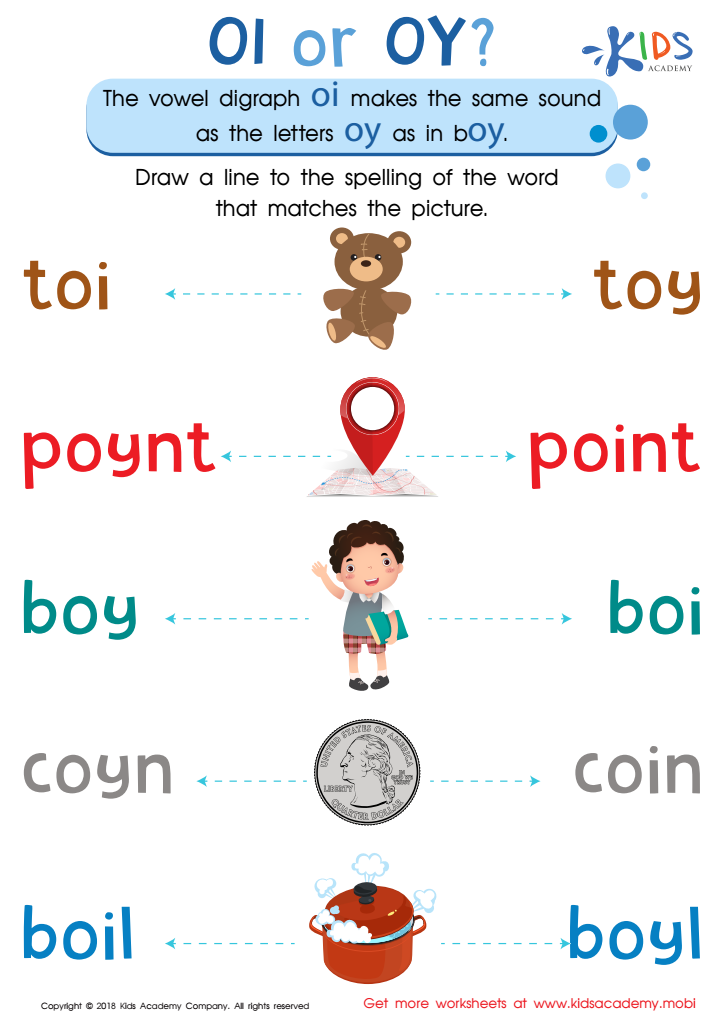
Reading: OI and OY Worksheet
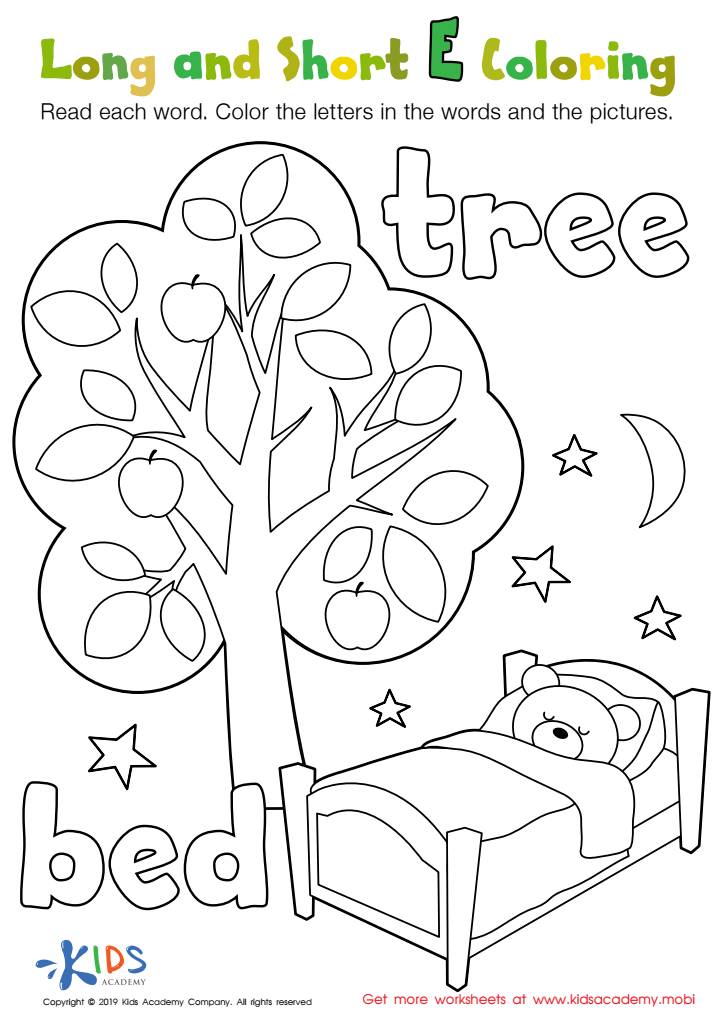
Long and Short E Worksheet
 Assign to My Students





Phonics skills, particularly normal vowel blends, are essential for children aged 4-8 as they lay the foundation for effective reading and writing. Vowel blends, such as "ai" in "rain" or "ea" in "beach," are critical phonetic patterns that help young learners decode words quickly and accurately. By mastering these blends, children improve their ability to sound out unfamiliar words, boosting their confidence and fluency in reading.
Moreover, phonics proficiency enhances comprehension skills. When children can effortlessly identify word patterns, they focus more on understanding the content rather than struggling with pronunciation. This fosters a love for reading, which is vital for academic success across all subjects.
Teachers and parents play a pivotal role in developing these skills through engaging activities and encouragement. Supporting children in this area not only facilitates their immediate literacy development but also sets the stage for lifelong learning. The earlier phonics skills are introduced and practiced, the more adept children will become at distilling complex language sounds.
In summary, focusing on normal vowel blends during these formative years not only equips children with essential reading skills but also fosters a positive attitude towards learning and literacy that can last a lifetime.








