Alphabet sequencing Normal Worksheets for Ages 4-8
4 filtered results
-
From - To
Welcome to our Alphabet Sequencing Normal Worksheets page, designed for children ages 4-8! These engaging worksheets help young learners master the alphabet through exciting sequencing activities. Each worksheet encourages kids to identify, arrange, and practice writing letters in the correct order, promoting cognitive skills and letter recognition. With colorful illustrations and varied exercises, children stay motivated while enhancing their literacy foundations. Perfect for classrooms or homeschool settings, our user-friendly worksheets cater to different learning styles, ensuring a fun and effective approach to learning the alphabet. Download your worksheets today and watch your child's confidence and skills grow!
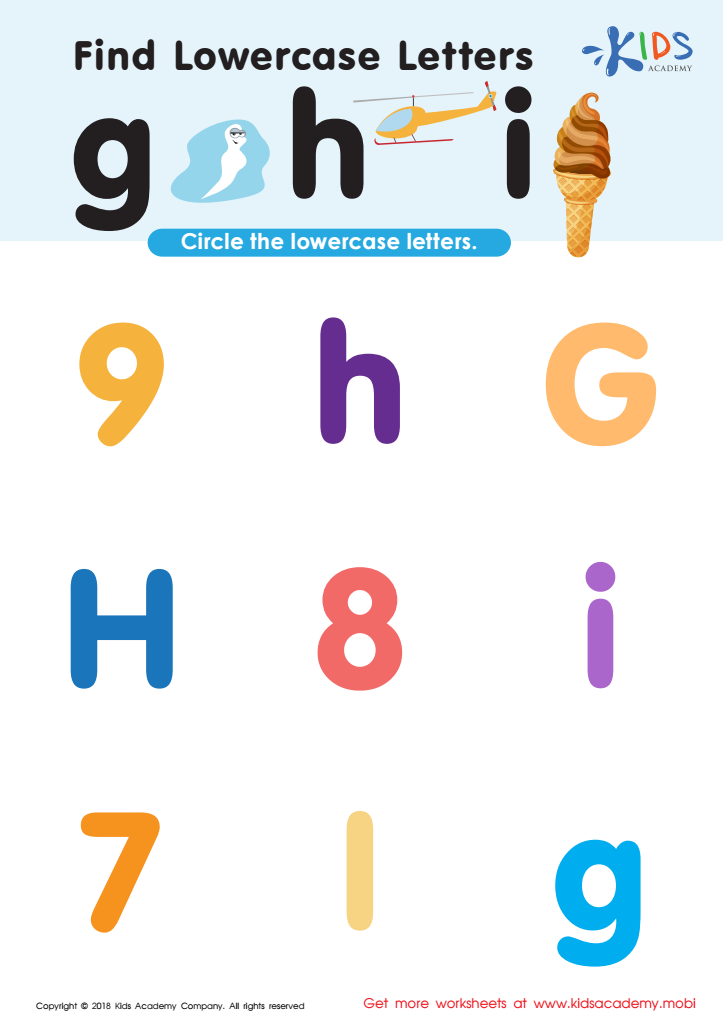
Find Lowercase Letters g h i Worksheet
 Assign to My Students
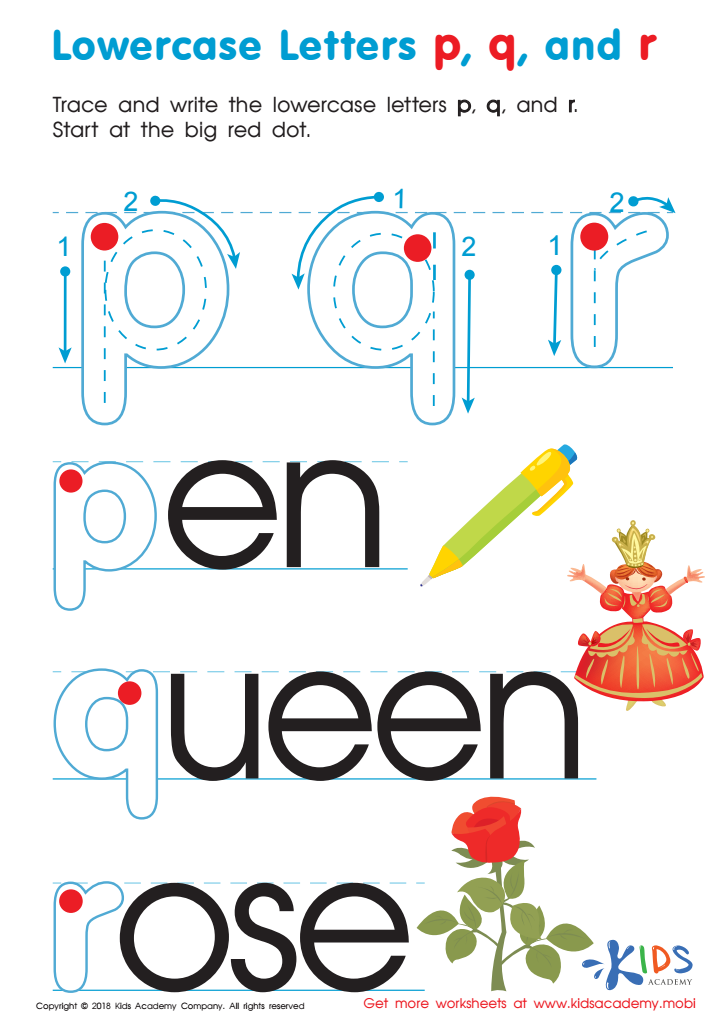
Lowercase Letters p q r Worksheet
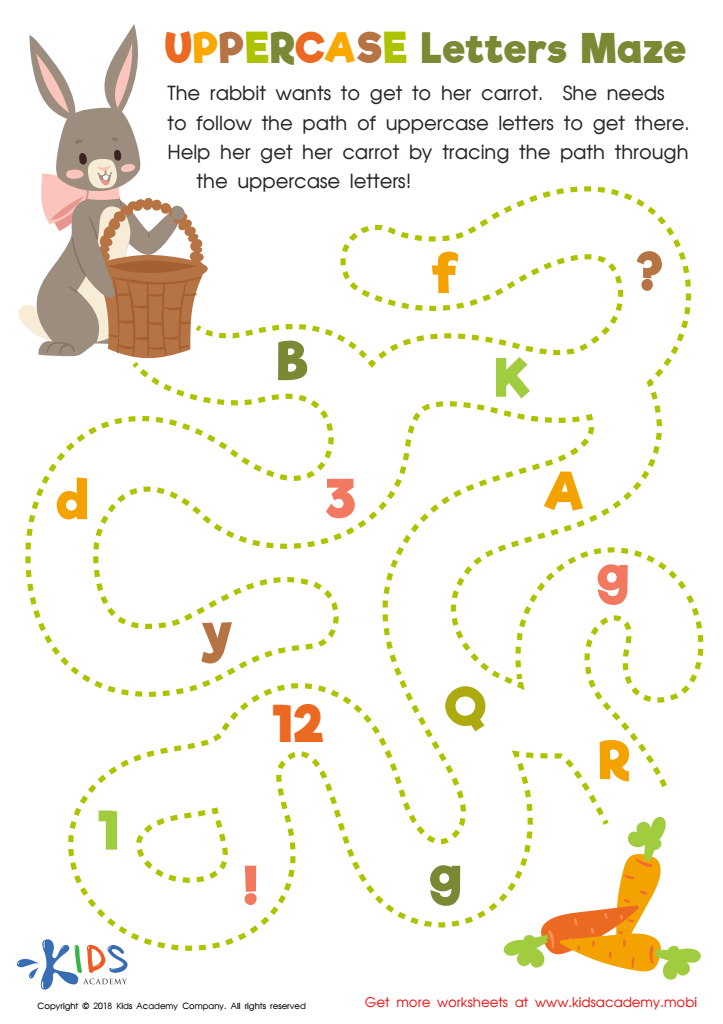
Uppercase Letters Maze Worksheet
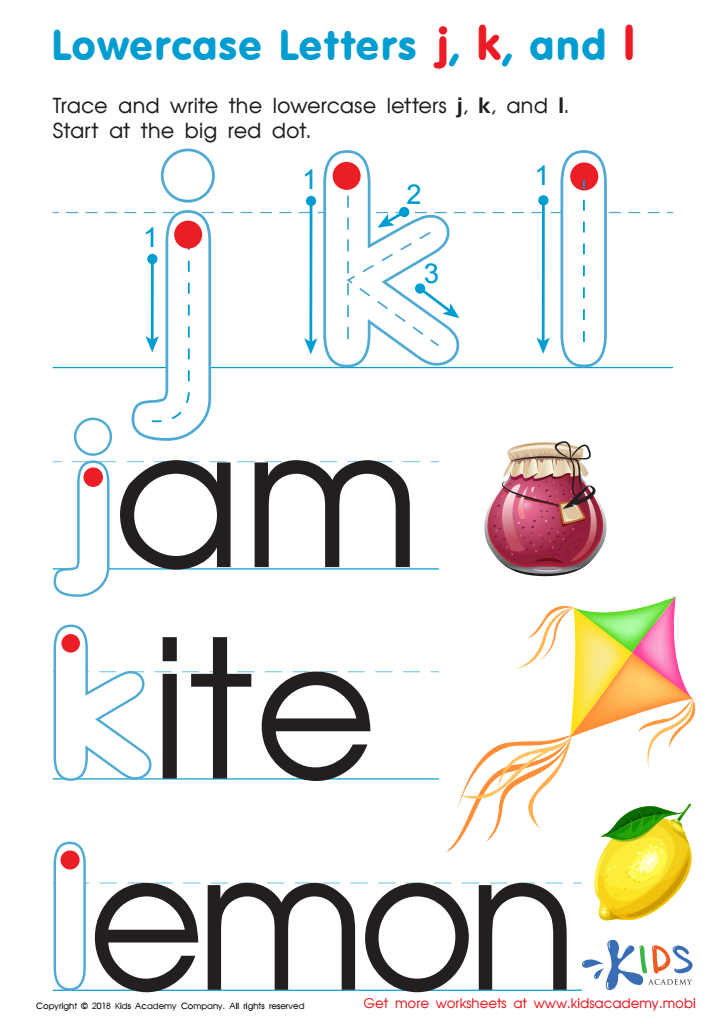
Lowercase Letters j k l Worksheet





Alphabet sequencing, the ability to recognize and organize letters in a specific order, is a fundamental skill for early literacy development in children aged 4 to 8. Parents and teachers should care about this skill because it serves as the foundation for reading and writing. When children understand the order of the alphabet, they can begin to decode words, phonemes, and use linguistic structures more effectively.
Moreover, alphabet sequencing boosts children's confidence and motivation as they encounter reading materials in school and at home. It aids them in spelling as they learn to properly construct words by applying their knowledge of letter order. This proficiency also supports vocabulary acquisition, as children start recognizing familiar words.
In addition to academic benefits, mastering this skill enhances cognitive development. It fosters critical thinking and memory retention as kids engage in activities that require them to sequence letters in diverse contexts, such as songs or alphabet games.
Ultimately, parents and teachers who prioritize alphabet sequencing set a strong educational foundation and instill a love for language and literacy, ensuring that children remain engaged and successful in their future learning endeavors. Celebrating achievements in this area can help lay the groundwork for lifelong literacy habits.








