Comparative analysis Normal Worksheets for Ages 4-8
6 filtered results
-
From - To
Discover engaging comparative analysis worksheets for children aged 4-8 at KidsAcademy! Our carefully designed worksheets help young learners develop critical thinking skills as they explore similarities and differences among various objects and concepts. Featuring colorful visuals and age-appropriate activities, these worksheets encourage observation, reasoning, and analytical skills in a fun and interactive way. Ideal for home and classroom settings, our resources make learning a joy, fostering a passion for knowledge from an early age. Support your child's educational journey with our comparative analysis worksheets, promoting a strong foundation for future learning! Explore our full collection today and inspire creativity!
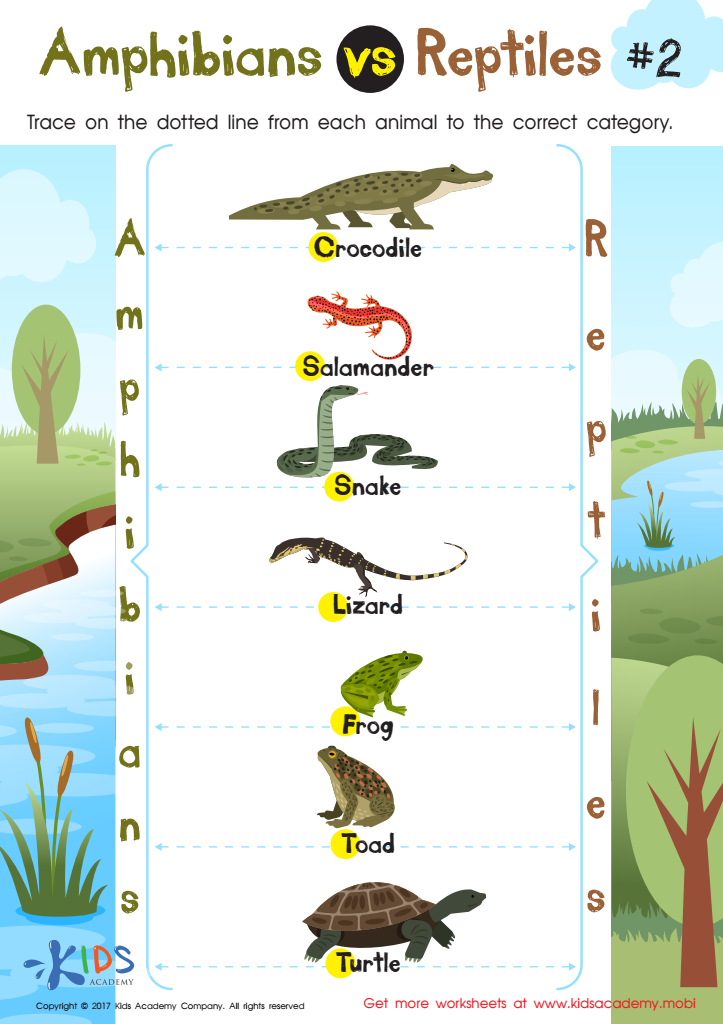
Amphibians vs Reptiles Worksheet for 3rd Grade
 Assign to My Students
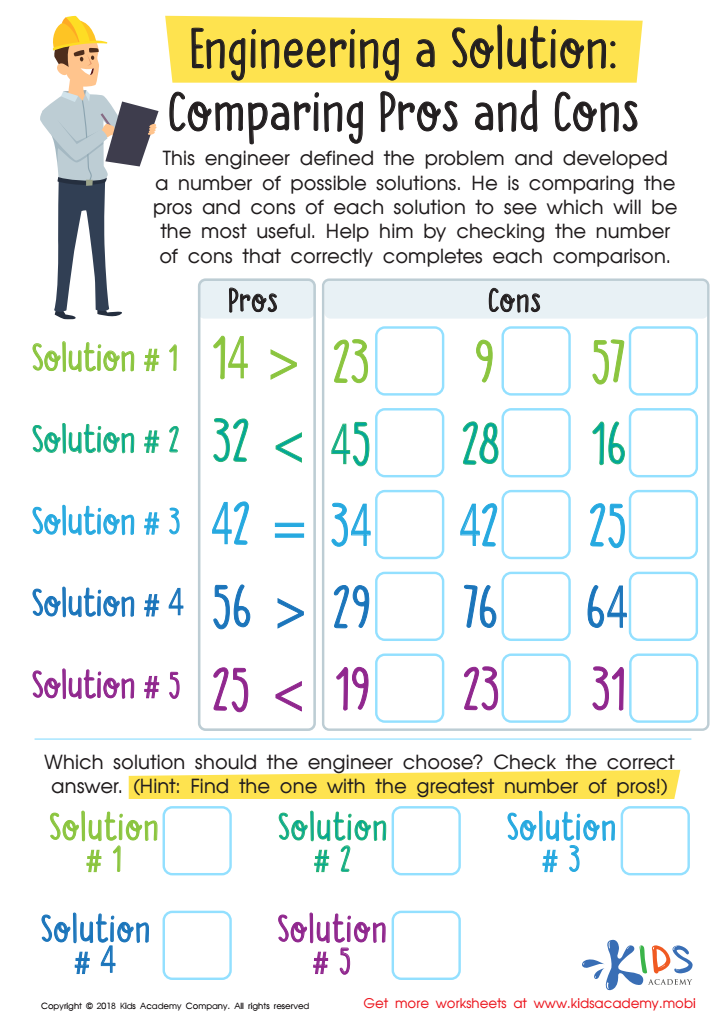
Engineering a Solution: Comparing Pros and Cons Worksheet
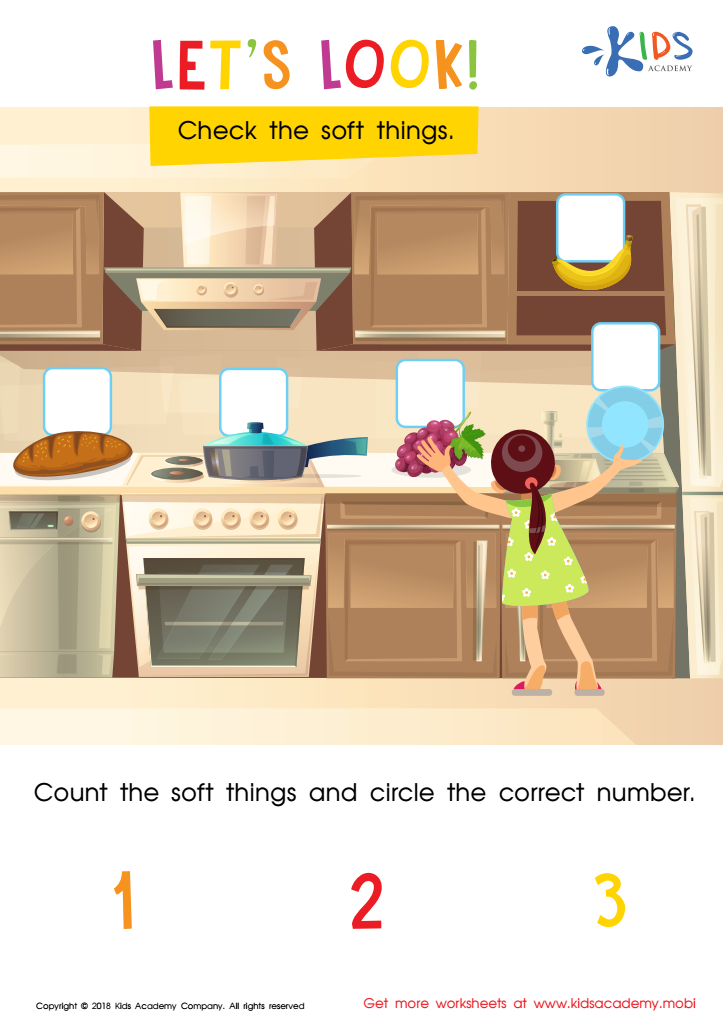
Let's Look! Assessment Worksheet
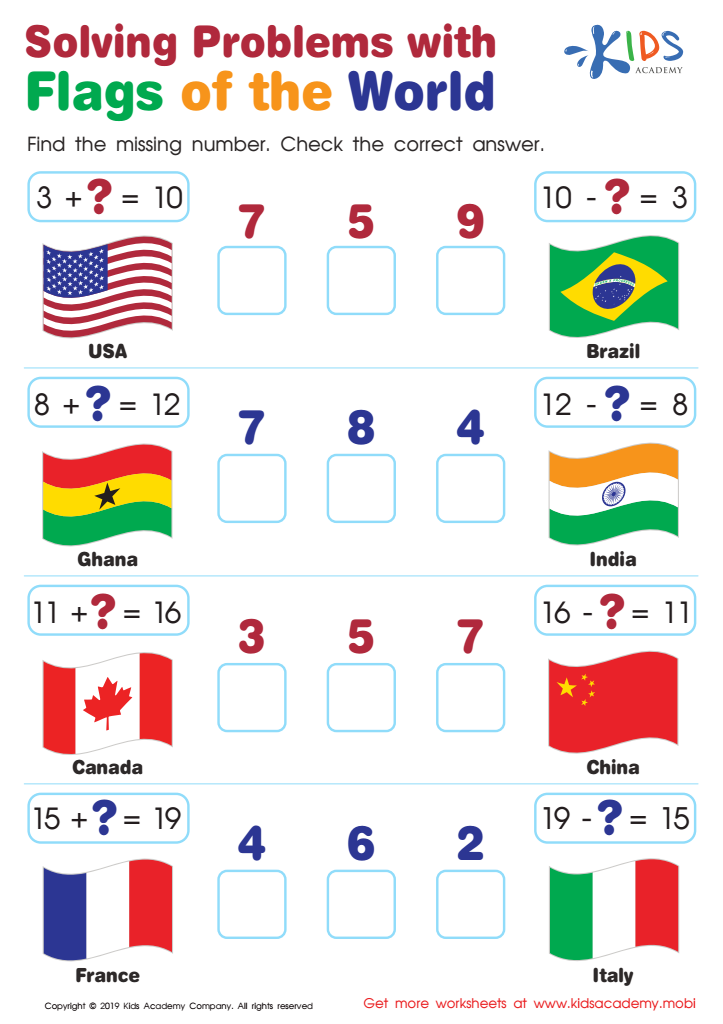
Solving Problems with Flags of the World Worksheet
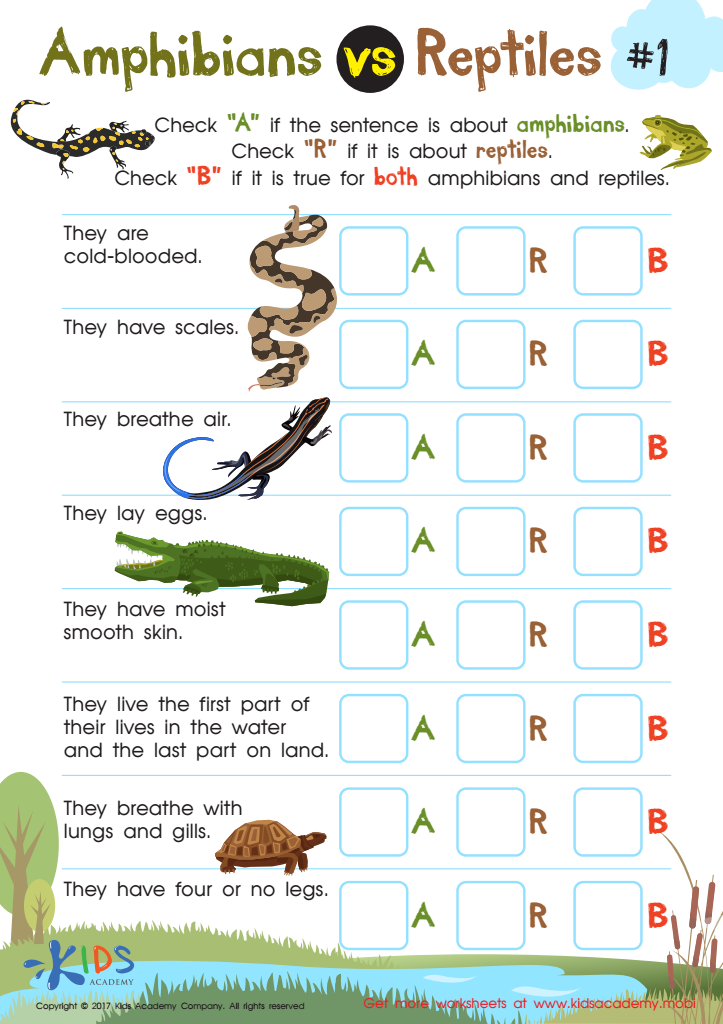
Amphibians vs Reptiles Worksheet
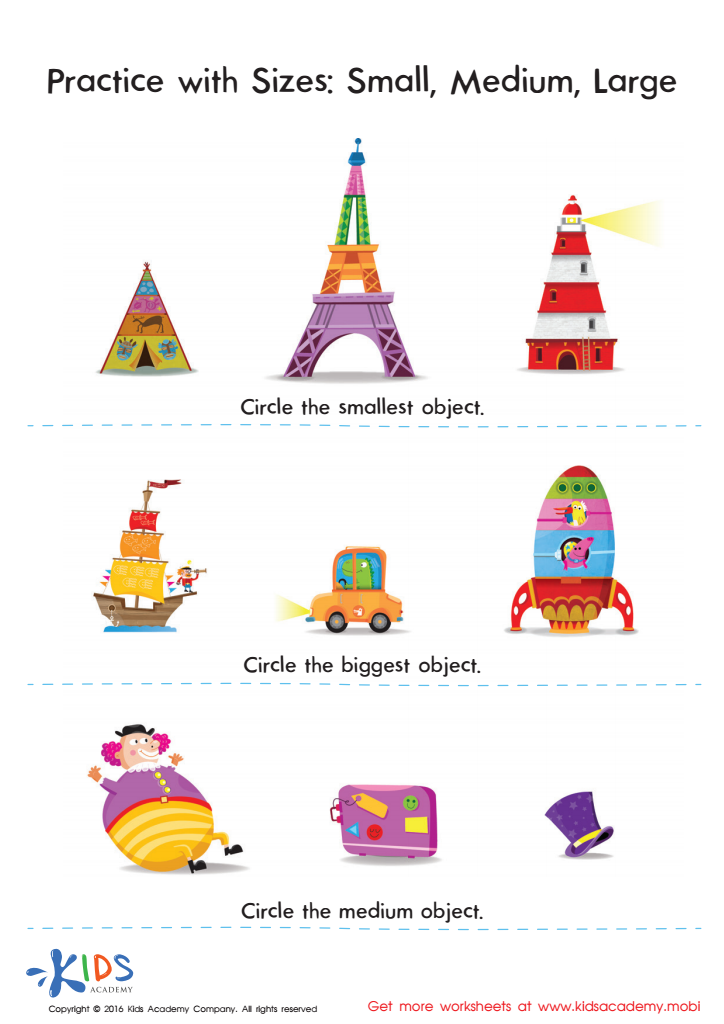



.jpg)




Understanding comparative analysis norms for ages 4-8 is crucial for both parents and teachers as it provides insights into a child's developmental milestones and learning trajectories. This analysis helps to identify where a child stands in comparison to their peers in key areas such as literacy, numeracy, and social skills. By recognizing individual strengths and weaknesses, educators can tailor their instruction to meet each child’s unique needs, ensuring effective, personalized learning experiences.
For parents, knowing these norms allows for informed conversations with teachers about their child's progress, facilitating a collaborative approach to education. It also guides parents in setting realistic expectations and providing appropriate support at home, strengthening their child's overall development.
Moreover, comparative analysis fosters early intervention. If a child lags in specific areas, targeted support can be provided to address gaps before they widen. In this age group, early experiences lay the groundwork for lifelong learning. Thus, being aware of these norms empowers both teachers and parents to make data-driven decisions that nurture children's growth, ensuring they are equipped with the skills they need for future educational success and emotional well-being. Ultimately, it promotes a strong foundation for lifelong learning and development.








