Identifying Animals Normal Worksheets for Ages 4-8
3 filtered results
-
From - To
Discover an engaging collection of Identifying Animals Normal Worksheets designed for children ages 4 to 8. Our worksheets make learning about animals fun and interactive, helping young learners enhance their observation skills and expand their vocabulary. Each worksheet offers age-appropriate challenges, including matching animals with their habitats, identifying traits, and more. Perfect for home or classroom use, these resources are ideal for fostering a love of nature and wildlife in early learners. Boost your child’s understanding and recognition of various animals while promoting critical thinking skills. Download our worksheets today to inspire curiosity and learning about the animal kingdom!
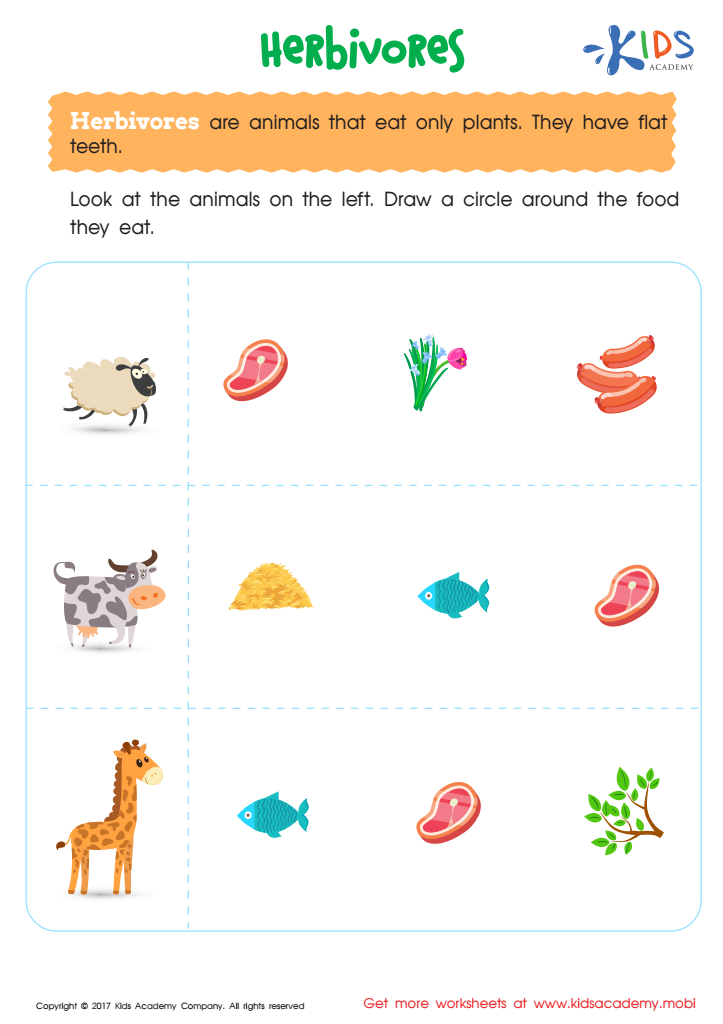
Herbivores Printable
 Assign to My Students
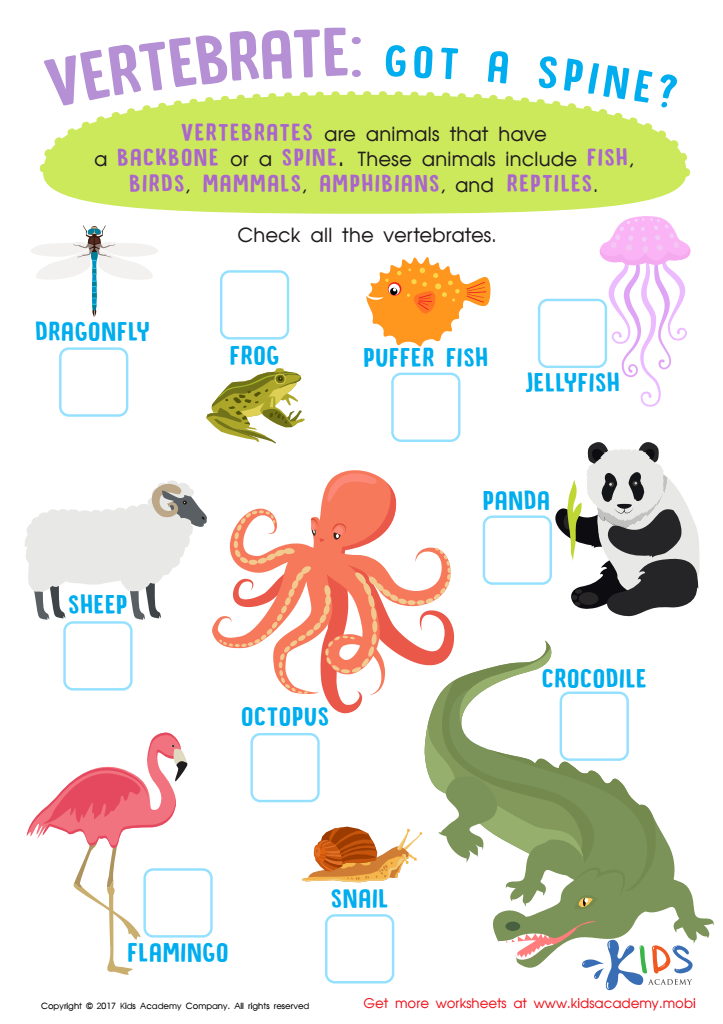
Vertebrates Animals Worksheet for 3rd Grade
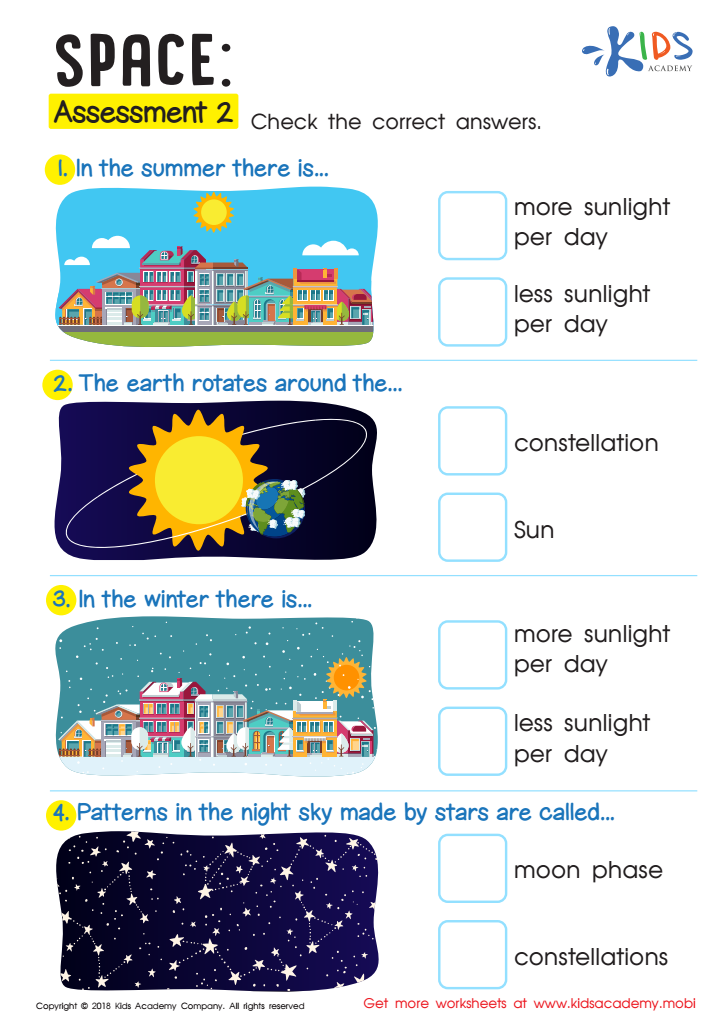
Space: Assessment 2 Worksheet







Identifying animals is a fundamental aspect of early childhood education, especially for children aged 4 to 8. This skill fosters curiosity and engagement with the natural world, essential for cognitive development. When children learn to identify animals, they build critical observational skills, enhance their vocabulary, and develop a foundational understanding of biology.
For parents and teachers, incorporating animal identification into learning activities creates numerous benefits. It encourages children to ask questions and think critically about their environment. This inquiry-based approach not only supports cognitive skills but also boosts social interactions as children engage in group discussions and cooperative learning tasks.
Additionally, animal identification promotes empathy and a sense of responsibility towards living beings, teaching children about biodiversity and the importance of conservation from an early age. It can also be a great tool for integrating other subjects, such as art, where children can draw their favorite animals, or math, where they can classify animals and count different species.
Ultimately, ensuring that children understand basic animal recognition aligns with broader educational goals, helping to create observant, caring, and informed individuals who appreciate the richness of life around them. This foundation can inspire a lifelong passion for learning about animals and the environment.








