Improving observation skills Normal Worksheets for Ages 4-8
4 filtered results
-
From - To
Unlock your child's potential with our "Improving Observation Skills Normal Worksheets" designed for ages 4-8. At Kids Academy, we understand the importance of nurturing keen observation abilities, essential for academic success. Our expertly crafted worksheets engage young minds with vibrant activities, helping them develop attention to detail, critical thinking, and analytical skills. Easy to download and print, these worksheets offer a fun and interactive way for children to learn. Ideal for parents and educators, our resources transform learning into an adventure. Watch your child become a smart detective, all while having fun! Experience the joy of learning with Kids Academy today.
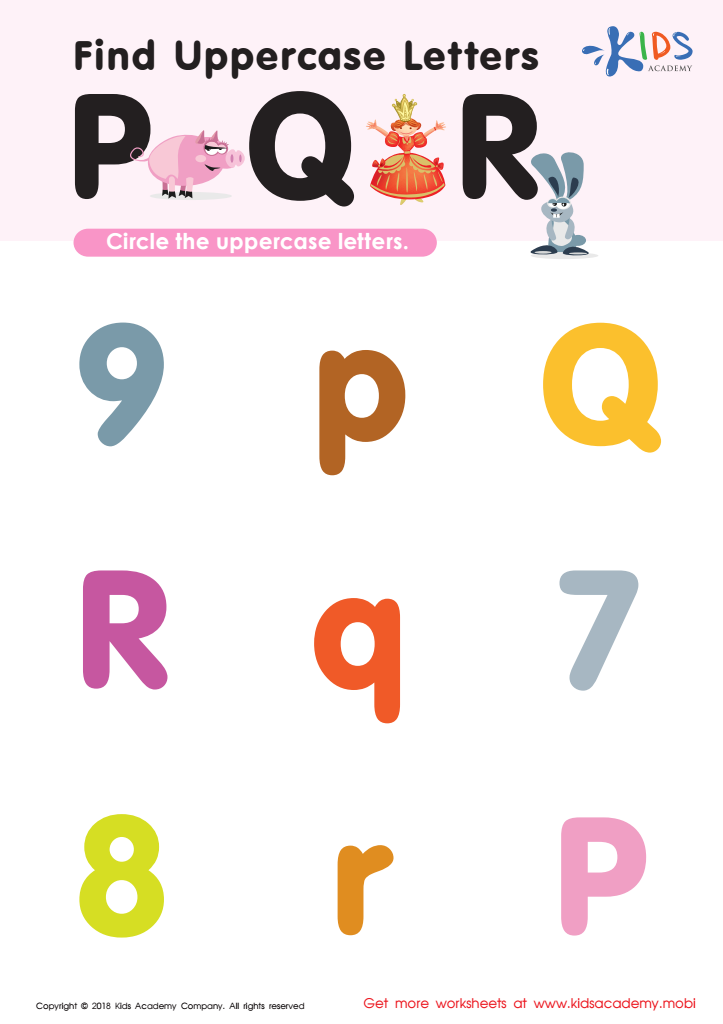
Find Uppercase Letters P, Q, and R Worksheet
 Assign to My Students
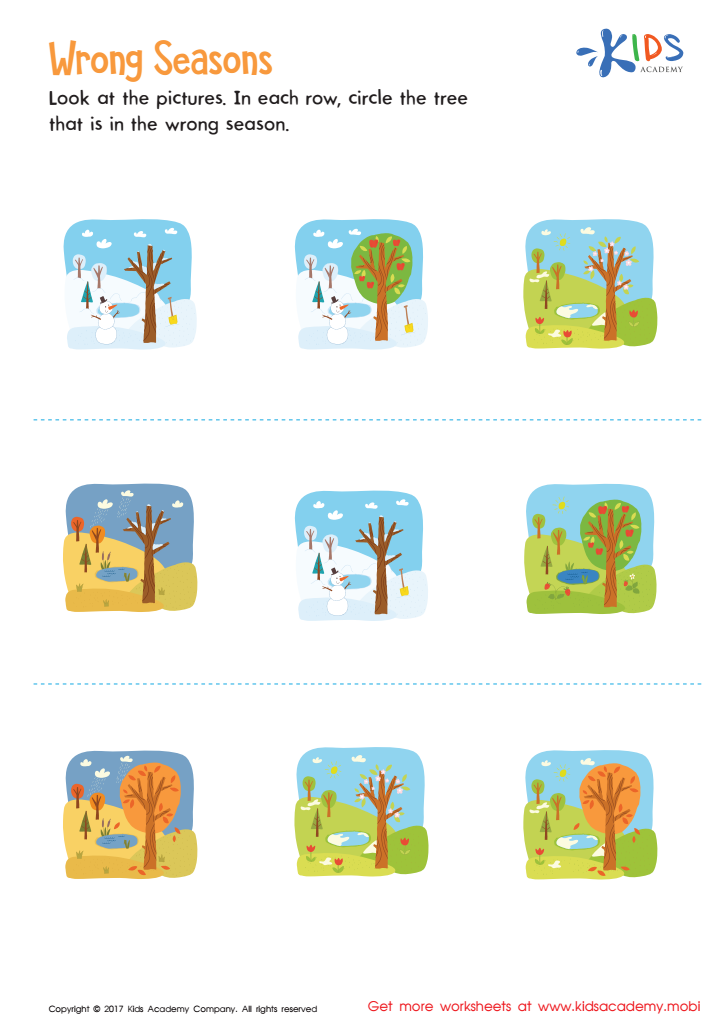
Wrong Seasons Worksheet
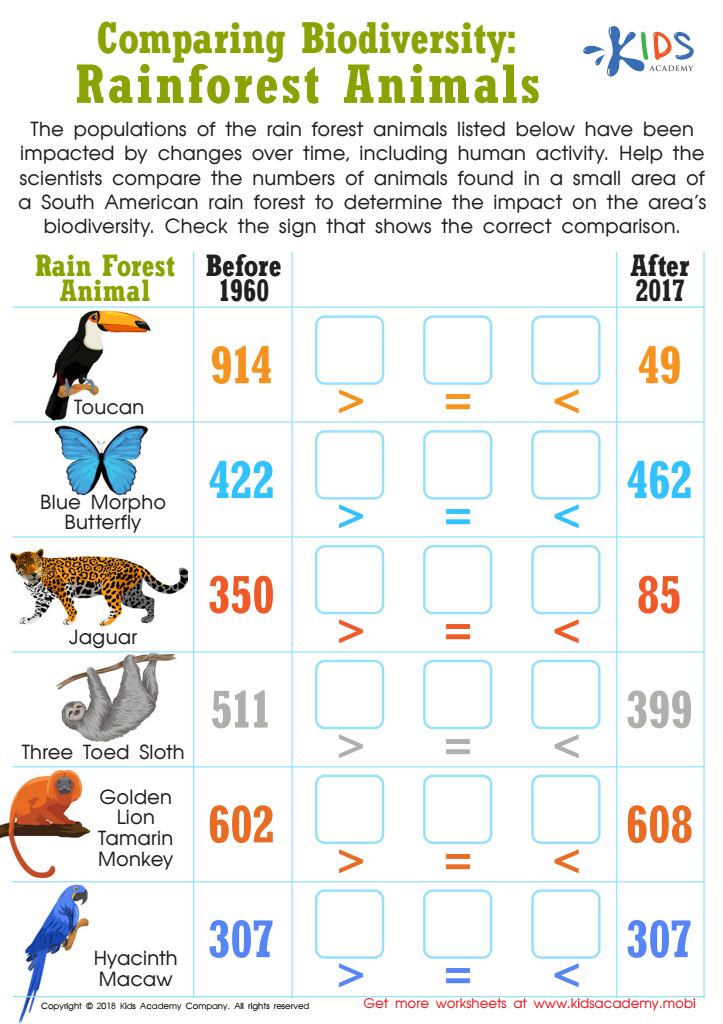
Comparing Biodiversity: Rainforest Animals Worksheet
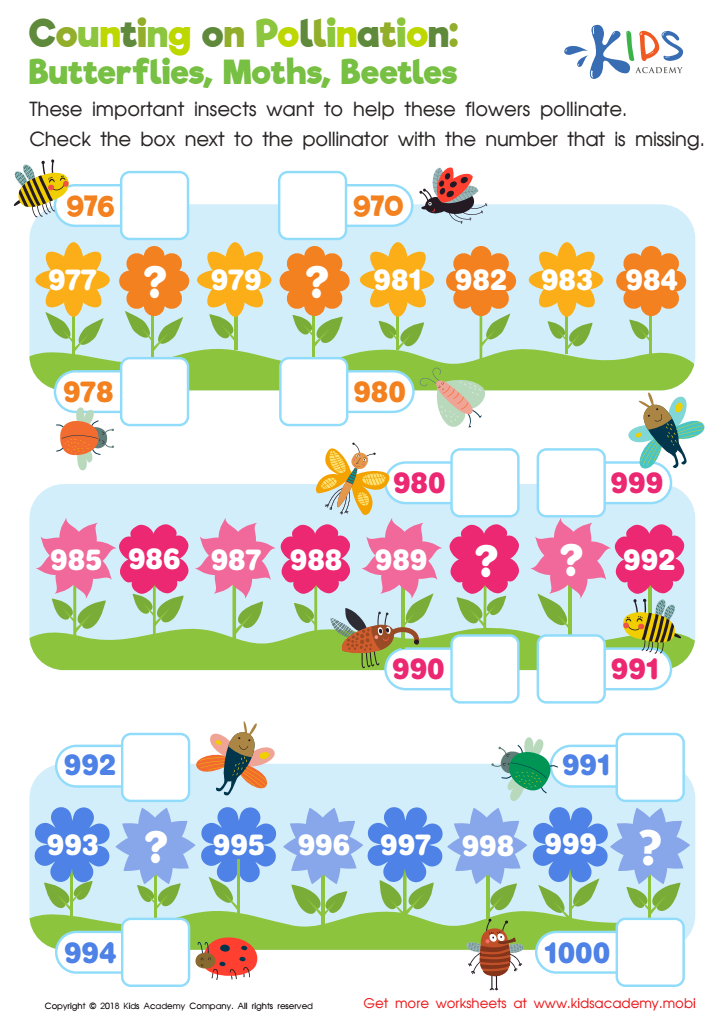
Counting on Pollination: Butterflies, Moths, Beetles Worksheet



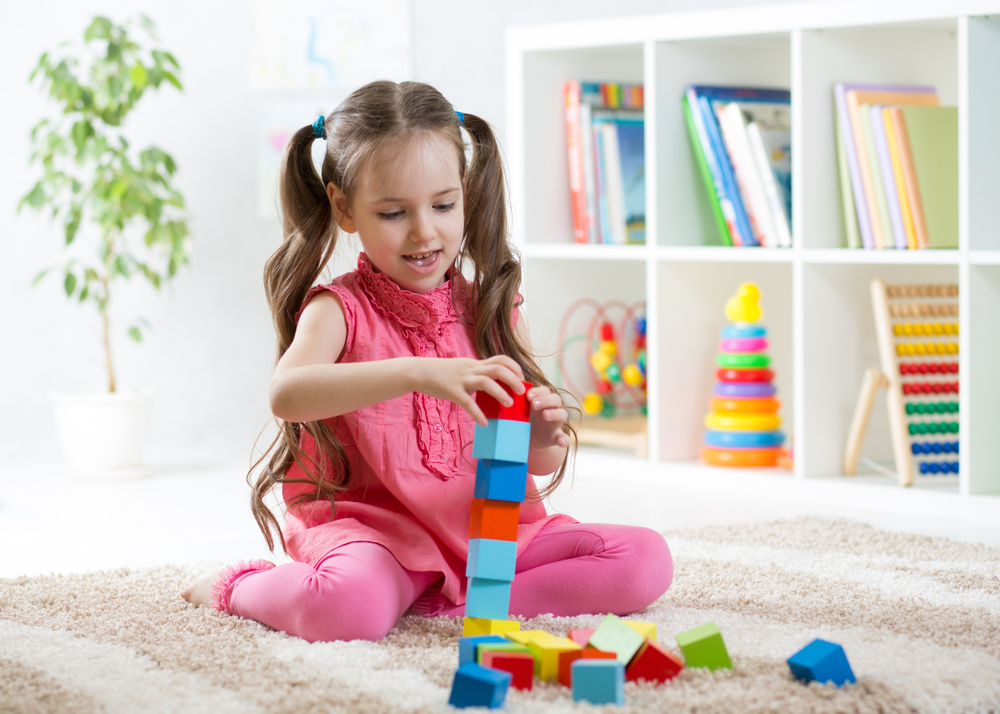
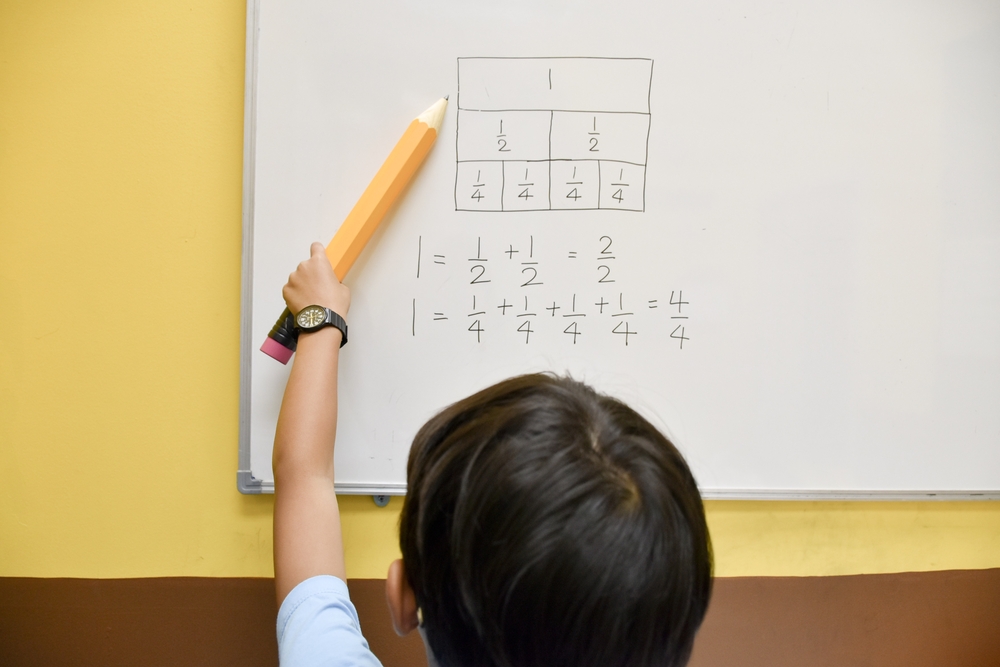



Improving observation skills in children aged 4-8 is crucial for several reasons. First, these skills are fundamental to learning and cognitive development. Young children learn about the world by watching, listening, and interacting with their environment. Sharper observation skills allow them to notice details, understand patterns, and make sense of new information, laying a strong foundation for future academic success.
Second, good observation skills enhance language development. As children observe, they acquire new vocabulary to describe what they see, hear, and experience. This boosts communication skills, enabling them to express their thoughts and emotions more clearly.
Moreover, honing observation skills fosters critical thinking. When children pay attention to details, they learn to ask questions, make predictions, and solve problems. This cultivates a mindset of curiosity and exploration, which is essential in all areas of learning, from science to math.
Additionally, strong observation skills contribute to social-emotional development. By observing peers and adults, children learn social cues, empathy, and appropriate behavior. They become better equipped to understand and navigate their social world.
In summary, prioritizing the enhancement of observation skills in early childhood supports a range of developmental areas, from academics and communication to critical thinking and social-emotional growth. Parents and teachers who focus on this will help children build a strong, comprehensive foundation for their lifelong learning journey.








