
Language skills development Normal Worksheets for Ages 4-8
3 filtered results
Difficulty Level
Grade
Age
-
From - To
Subject
Activity
Standards
Enhance your child's language abilities with our expertly designed worksheets for ages 4-8. Tailored to support early childhood education, these engaging resources promote key skills including vocabulary, reading comprehension, grammar, and writing. Each worksheet encourages young learners through fun activities that foster a love for language. Perfect for both classroom and home learning, our versatile worksheets offer progressive challenges to match your child's developing proficiency. Build a strong linguistic foundation with Kids Academy's language skills development worksheets, nurturing confident readers and articulate communicators. Explore now and give your child the tools to succeed in language arts!
Favorites
With answer key
Interactive
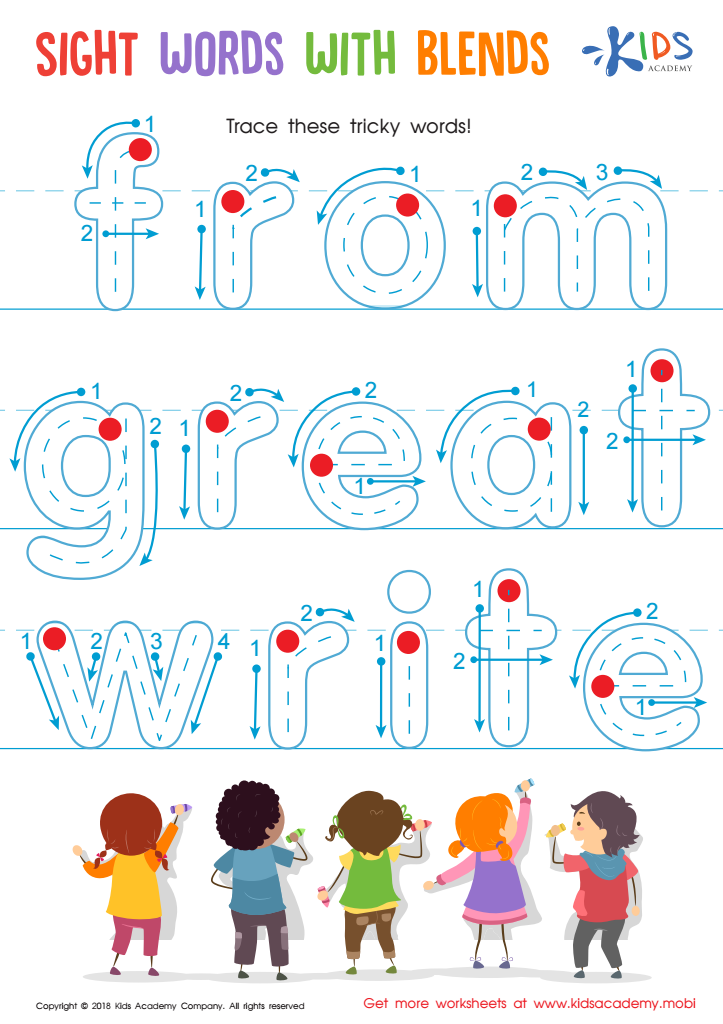
Sight Words with Blends Worksheet
This free PDF lets your children trace and write sight words with tricky blends. The guide numbers help them start from the top, building fine motor skills and enhancing sight word vocab. It's a great way to give your kids a solid foundation for reading!
 Assign to My Students
Sight Words with Blends Worksheet
Worksheet
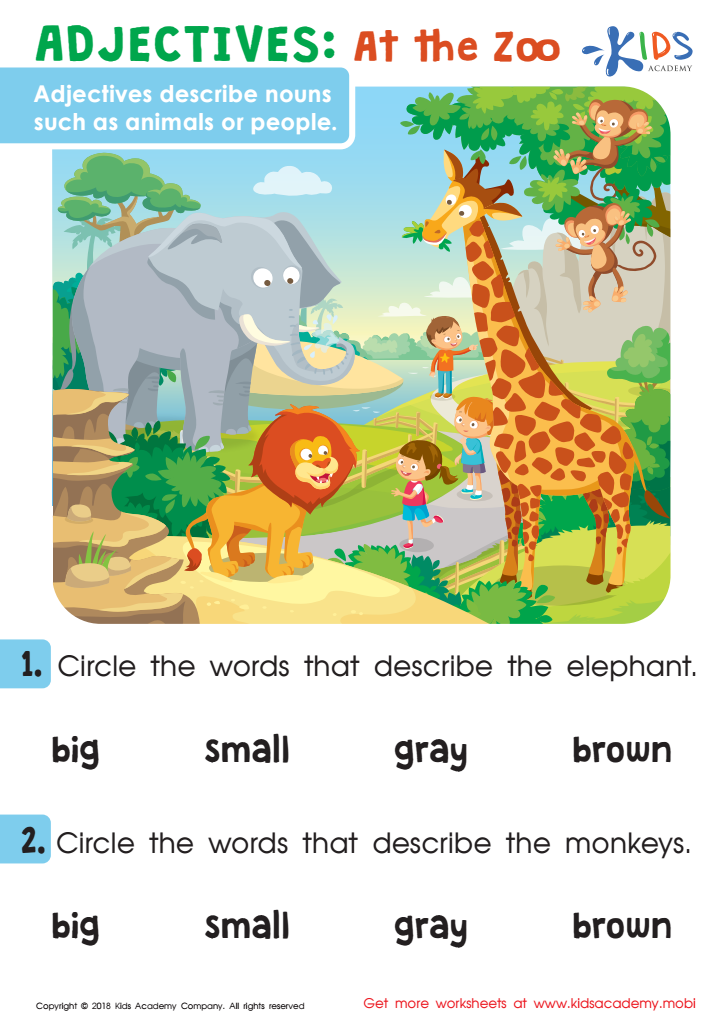
Adjectives: At The Zoo Worksheet
Take your kids to the zoo and ask them about their favorite activities and animals. This worksheet is a great way for kids to learn about adjectives. Explain that adjectives describe nouns like people or animals (e.g. big, tall, dark). Look at the printout with your kids and help them circle words that describe the animals in the picture.
Adjectives: At The Zoo Worksheet
Worksheet
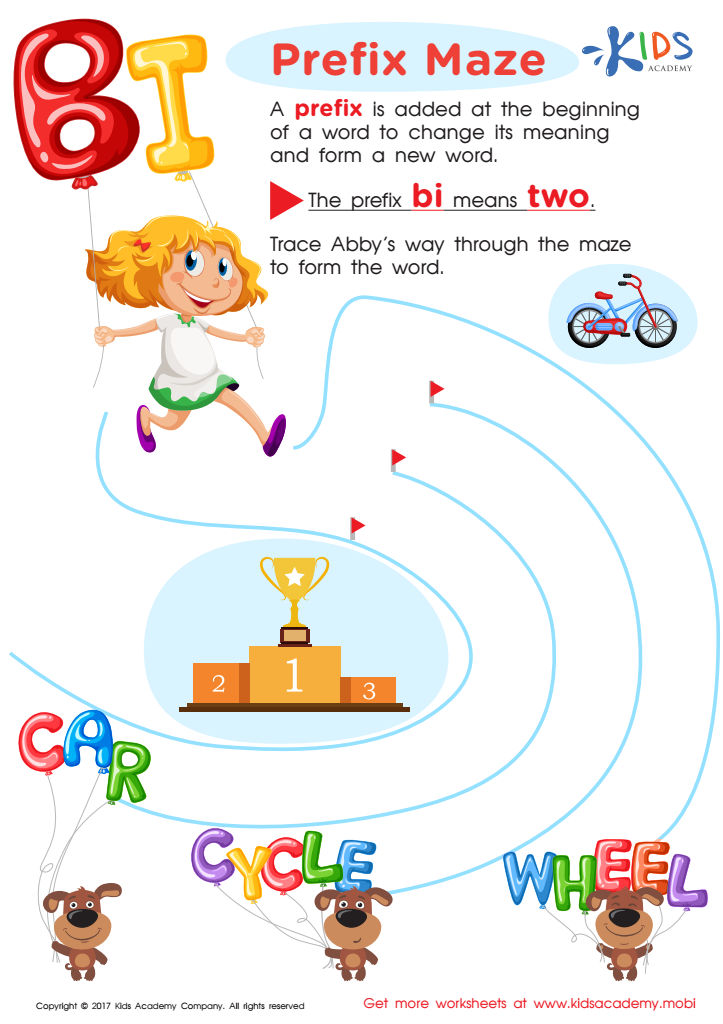
Prefix Bi Words Worksheet
Help "bi" find its root word in this fun and colorful prefix worksheet! Your child will learn how words are built while having a great time!
Prefix Bi Words Worksheet
Worksheet
Join Kids Academy for Free
Who is primarily going to use this learning content?







Language skills development in children aged 4-8 is crucial for several reasons, making it a significant area of focus for both parents and teachers. During these early years, children are in a critical period of cognitive development where their brains are highly receptive to learning new skills. Strong language development serves as a foundation for overall academic success and interpersonal communication.
For educational success, language skills are essential because they enable children to understand and follow instructions, ask questions, and engage in classroom discussions. This foundation is vital for learning to read and write, which are fundamental skills for all future academic pursuits. Children with strong language skills can better express their ideas, understand complex concepts, and perform well in various subjects.
Socially, language development plays a critical role in helping children build relationships and navigate social interactions. Effective communication skills help children convey their thoughts and emotions, resolve conflicts, and build friendships, contributing to emotional and social well-being.
Additionally, early development in language skills can have long-term benefits, impacting everything from self-esteem to career opportunities in adulthood. Recognizing these impacts, both parents and teachers can take active steps to encourage language development through reading, conversations, and educational activities, thereby setting children up for long-term success.








