Phonics improvement Normal Worksheets for Ages 4-8
3 filtered results
-
From - To
Discover our engaging Phonics Improvement Normal Worksheets designed specifically for ages 4-8! These vibrant, printable worksheets help young learners enhance their phonics skills through fun, interactive activities. Each worksheet is crafted to foster essential reading abilities, from recognizing letters and sounds to blending and segmenting phonemes. Teachers and parents will find a wealth of resources that support early literacy development in a playful manner. Perfect for home or classroom use, these worksheets provide a balanced approach to phonics education, igniting a love for reading while building confidence. Start your child’s phonics journey today with our easy-to-use, expertly designed worksheets!
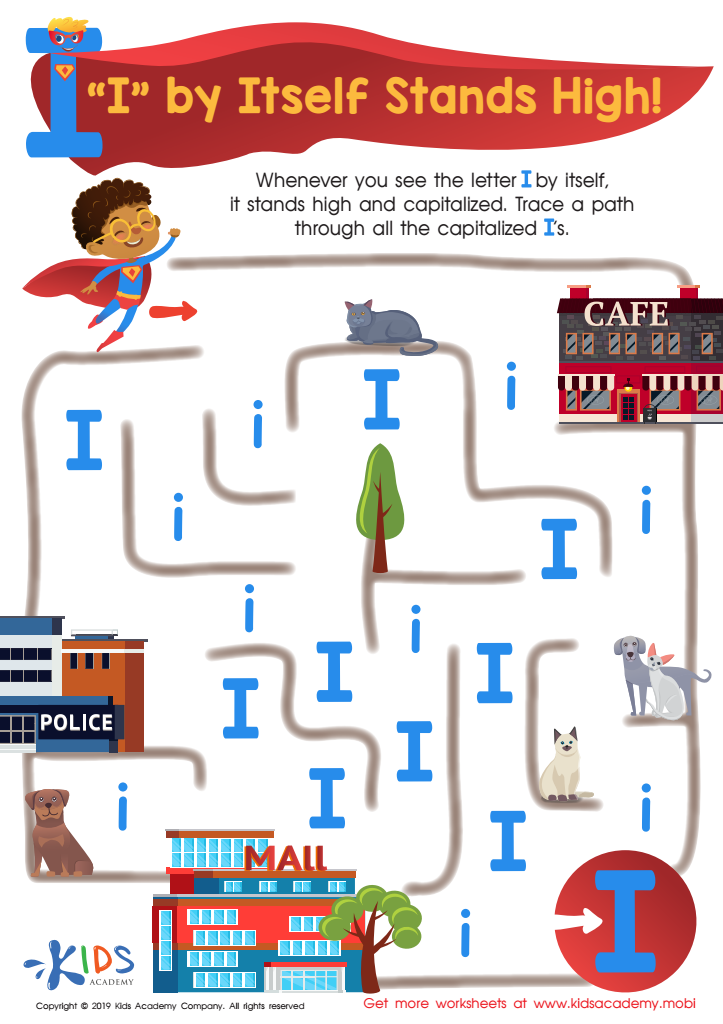
I Stands High Worksheet
 Assign to My Students
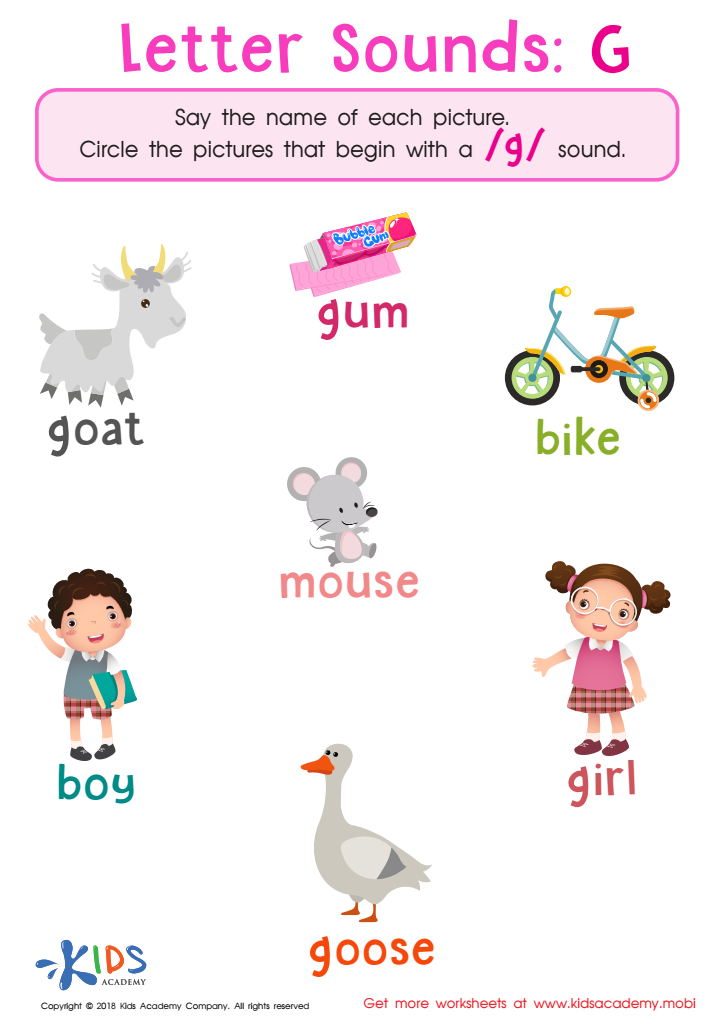
Letter G Sounds Worksheet








Phonics improvement is crucial for children aged 4 to 8 as it lays the foundation for literacy skills that are vital throughout their education. Phonics teaches children the relationship between sounds and letters, helping them decode new words and enhance their reading fluency. By understanding phonics, children gain the confidence to tackle increasingly complex texts.
Parents and teachers should care about phonics development because it directly influences academic performance. Engaging with phonics leads to better reading comprehension, which is essential for success in all subjects. When children read proficiently, they can fully access the curriculum, comprehend instructions, and engage with stories that foster imagination and critical thinking.
Moreover, phonics instruction helps to prevent reading difficulties later on. Children who struggle early on may develop negative attitudes towards reading, which can affect their overall learning experience and self-esteem. By prioritizing phonics improvement, parents and teachers can foster a love for reading and learning. Early intervention and consistent support can set children on a path to successful literacy, paving the way for lifelong learning and personal growth. In essence, effective phonics instruction is an investment in a child’s academic future and overall development.








