Vocabulary Building Normal Worksheets for Ages 4-8 - Page 3
51 filtered results
-
From - To
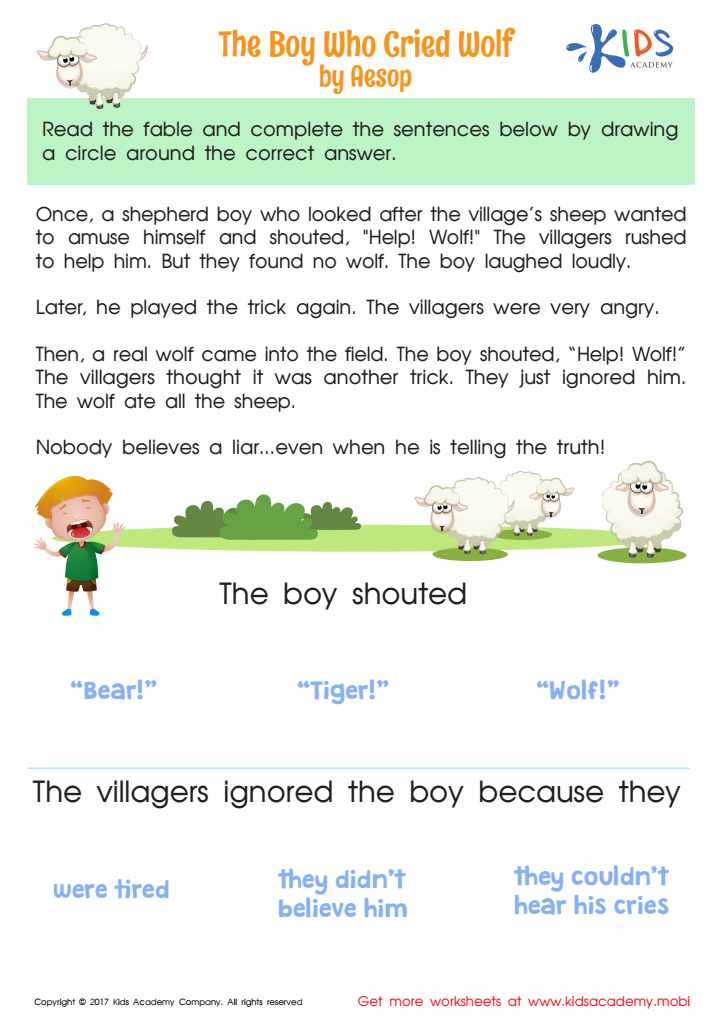
The Boy Who Cried Wolf Worksheet
 Assign to My Students
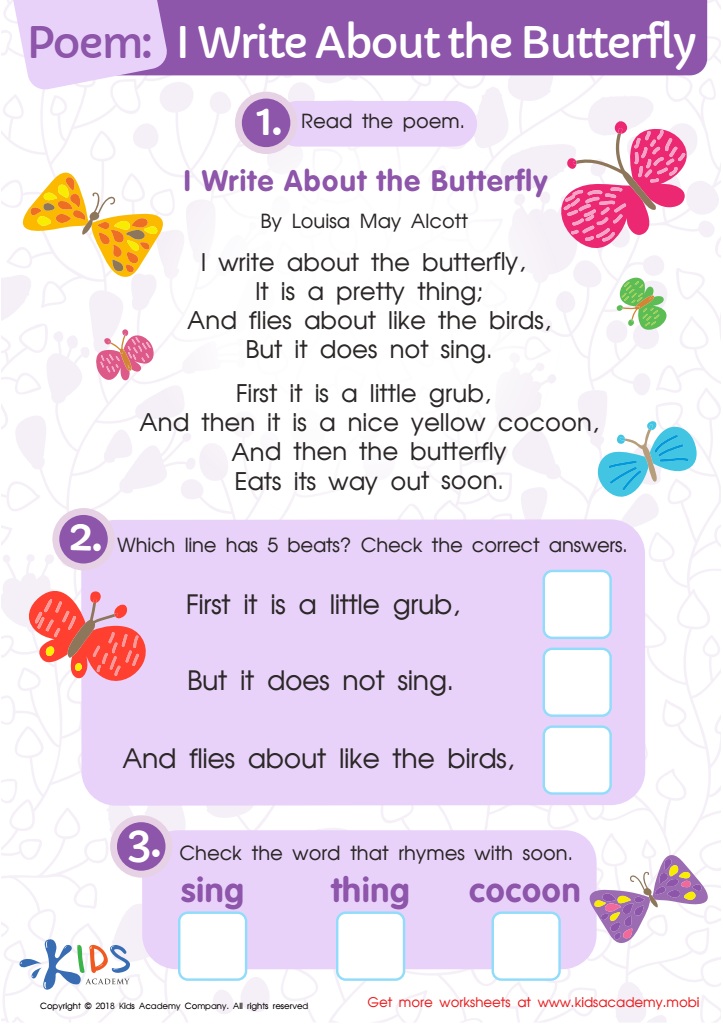
Poem: I Write About The Butterfly Worksheet
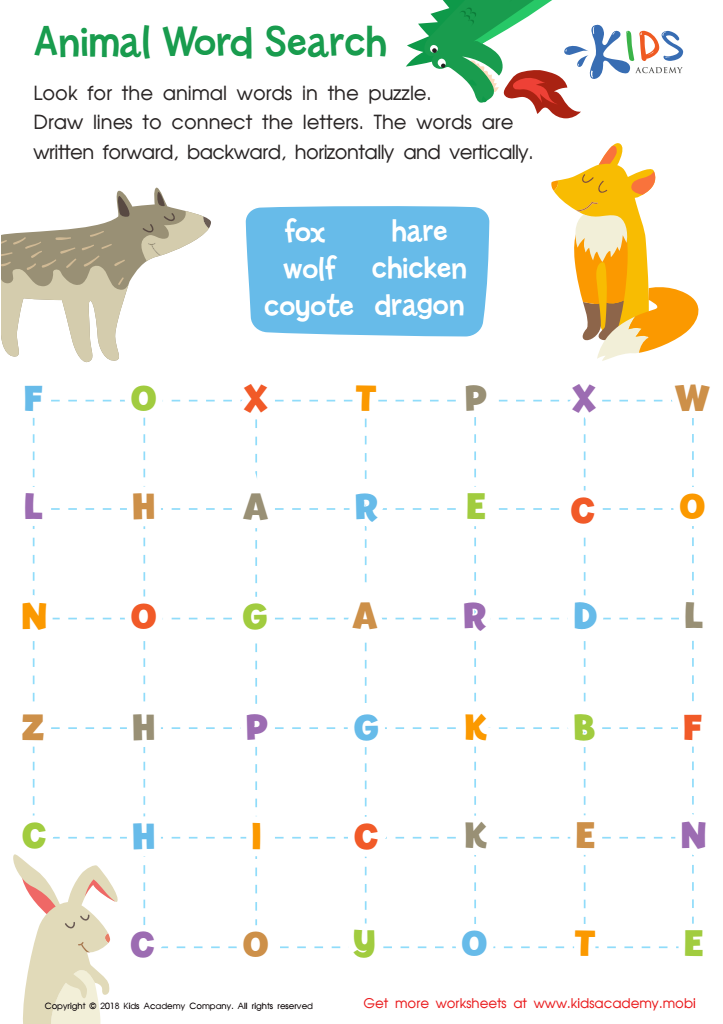
Animal Word Search Worksheet




.jpg)



Vocabulary building during ages 4-8 is crucial for several key reasons. This developmental stage is a period of rapid cognitive, social, and linguistic growth. Acquiring a robust vocabulary significantly enhances a child's ability to communicate effectively and understand others, crucial skills for building relationships and succeeding in formal education.
Kids use words to express their emotions, desires, and experiences. A strong vocabulary allows them to articulate thoughts more precisely, fostering better social interactions and self-confidence. Studies also show a direct correlation between vocabulary size and academic success. Children who develop a rich vocabulary early on are often better readers and writers. Reading comprehension is directly tied to one’s understanding of individual words; therefore, a poor vocabulary can impede academic progress across all subjects.
Moreover, vocabulary is foundational for critical thinking skills. When kids know more words, they can better grasp complex concepts and differentiate between nuanced ideas. Engaging them in vocabulary-building activities—such as reading books, playing word games, and engaging in meaningful conversations—can thus set them up for lifelong success. Hence, parents and teachers should prioritize vocabulary development to ensure children have the tools they need for effective communication, academic achievement, and cognitive growth.








