Addition Practice Normal Addition & Subtraction Worksheets for Ages 4-8 - Page 2
30 filtered results
-
From - To
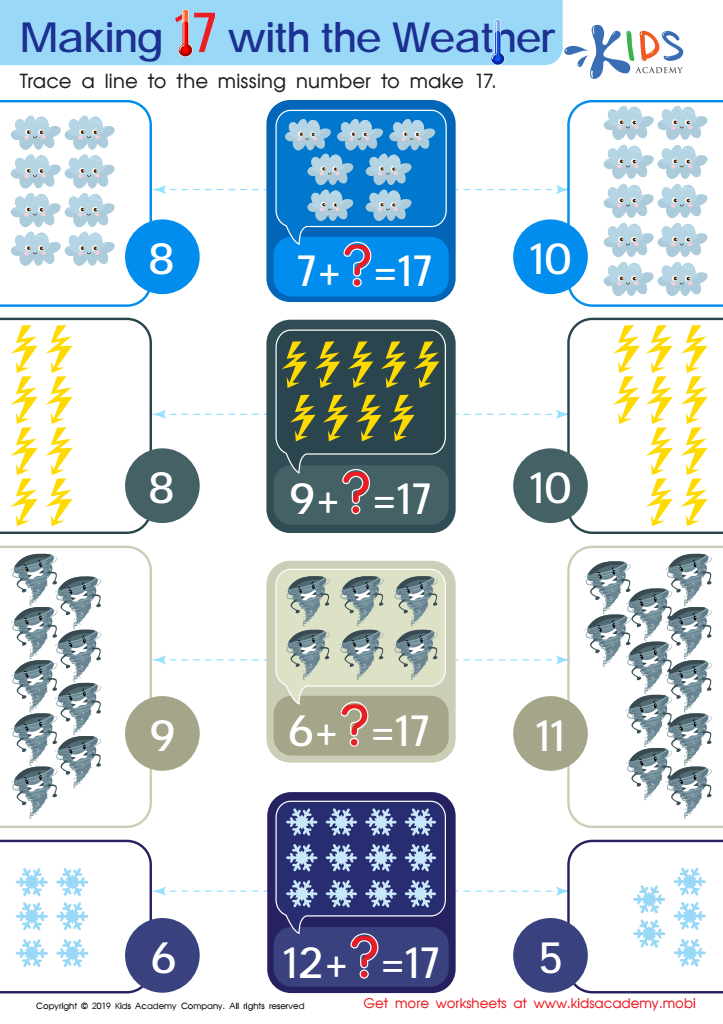
Making 17 with the Weather Worksheet
 Assign to My Students
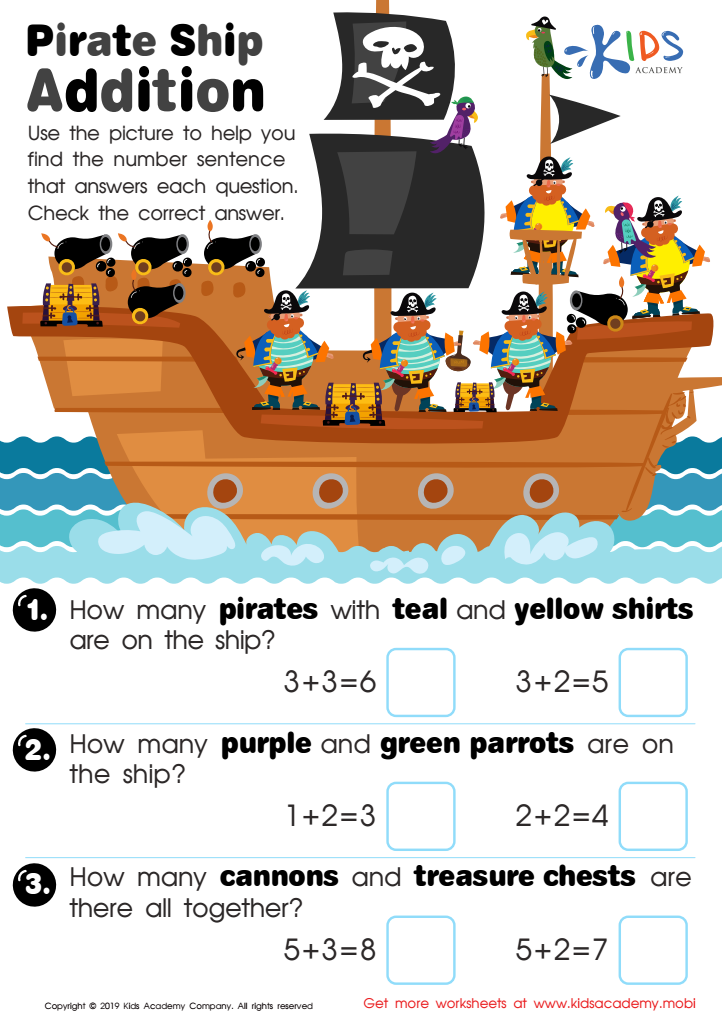
Pirate Ship Addition Worksheet
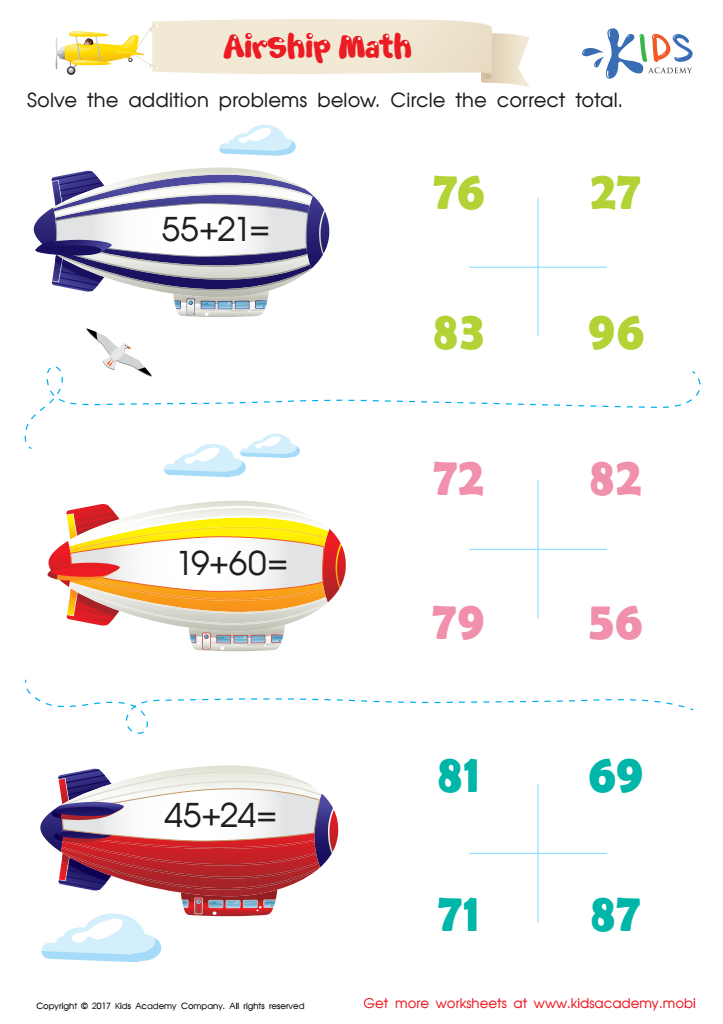
Airship Math Addition Printable
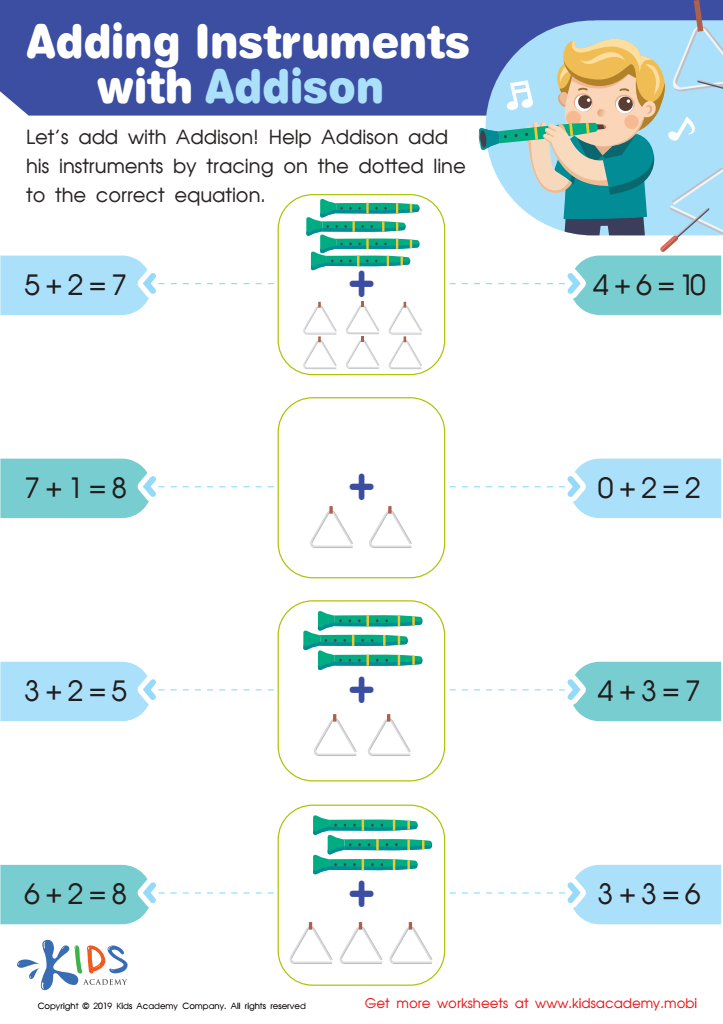
Adding Instruments with Addison Worksheet
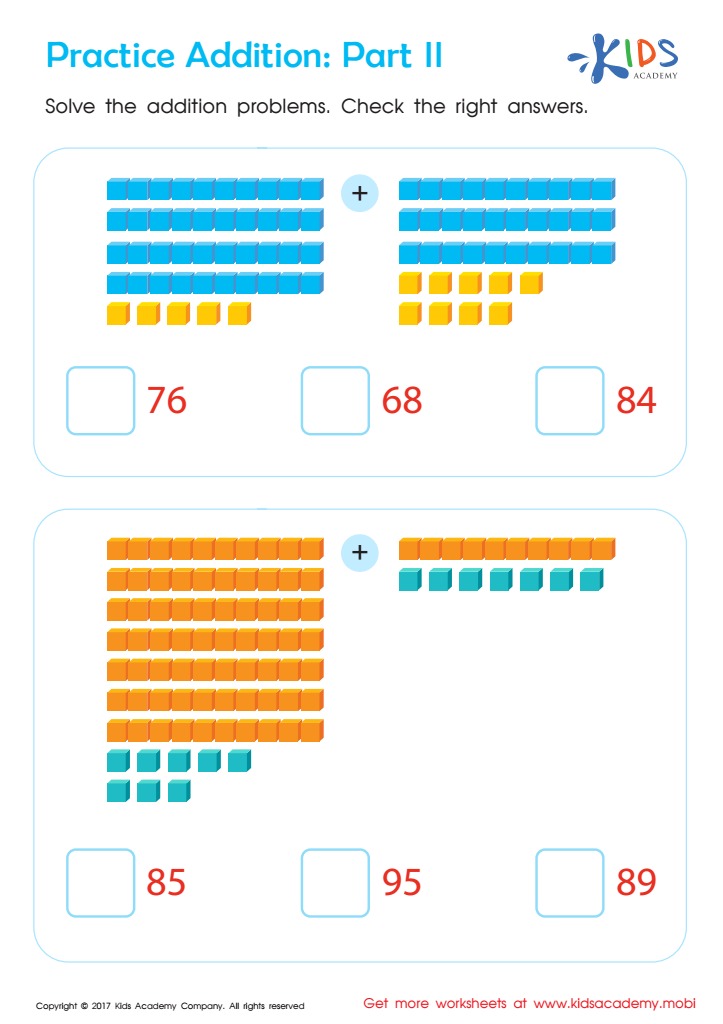
Practice Addition: Part 2 Worksheet
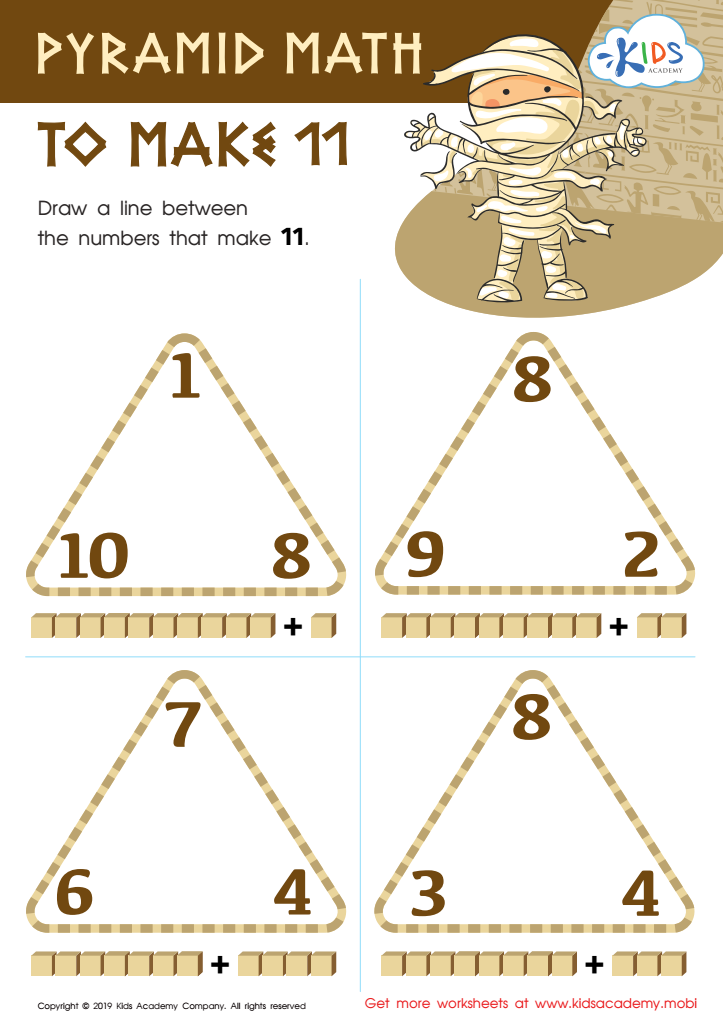
Pyramid Math to Make 11 Worksheet








Parents and teachers should be concerned about addition and subtraction practice for ages 4-8 because these foundational skills are critical for a child's overall math education and cognitive development. Mastering basic addition and subtraction equips children with essential problem-solving abilities, as these operations form the building blocks for more complex math concepts, including multiplication, division, and ultimately algebra.
At this developmental stage, children undergo significant brain growth, and regular practice enhances their numerical fluency and confidence in math. By engaging in engaging and age-appropriate activities, educators and parents can foster a positive attitude towards mathematics, dispelling common fears or anxieties associated with the subject. Furthermore, understanding these fundamental skills aids in real-life situations, such as managing money, time, and resources, making children more adept in daily living activities.
Moreover, consistent practice involves various learning methods, such as games, hands-on activities, and visual aids, ensuring that math is perceived not just as rote learning but as a fun and enjoyable subject. Therefore, prioritizing addition and subtraction practice for early learners is vital for their academic journey and personal growth, laying a solid framework for future success in math and beyond.








