Problem-solving practice Normal Addition & Subtraction Worksheets for Ages 4-8
4 filtered results
-
From - To
Unlock your child's potential with our engaging Problem-Solving Practice Normal Addition and Subtraction Worksheets designed for ages 4-8. These worksheets combine foundational math skills with critical thinking techniques, helping kids grasp concepts in a fun, interactive way. Each worksheet features age-appropriate problems that encourage logic and strategy, making math enjoyable while reinforcing essential addition and subtraction abilities. Perfect for classroom use or at-home practice, our materials support the development of problem-solving skills critical for lifelong learning. Watch as your child gains confidence, sharpens their focus, and enhances their math aptitude, transforming them into confident little mathematicians! Explore and print today!
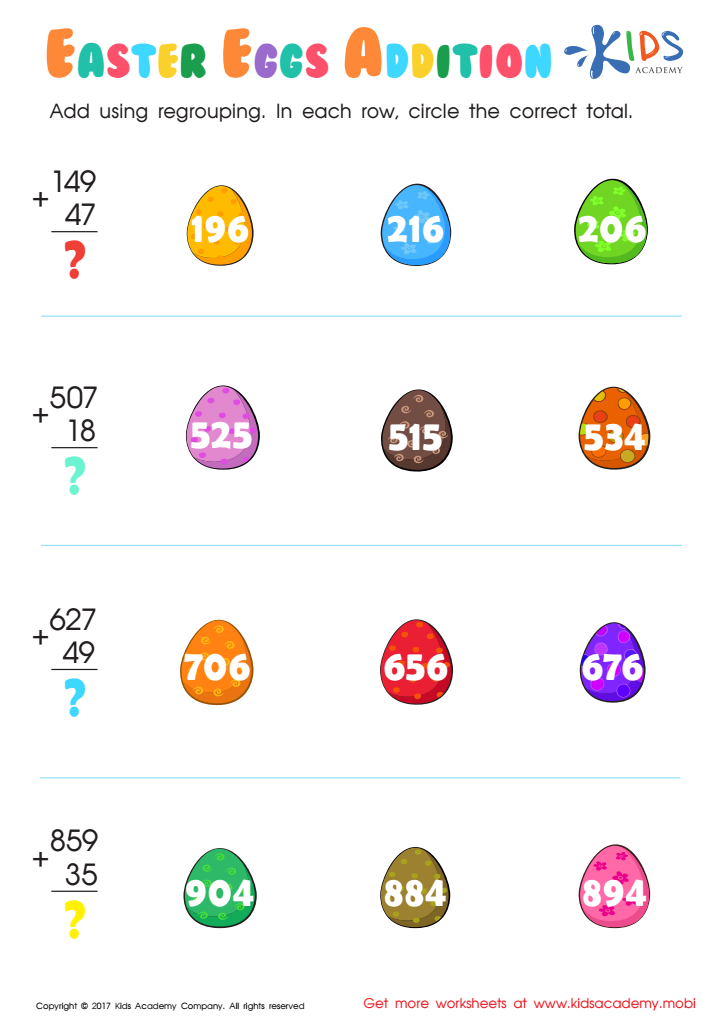
Addition with Regrouping Worksheet
 Assign to My Students
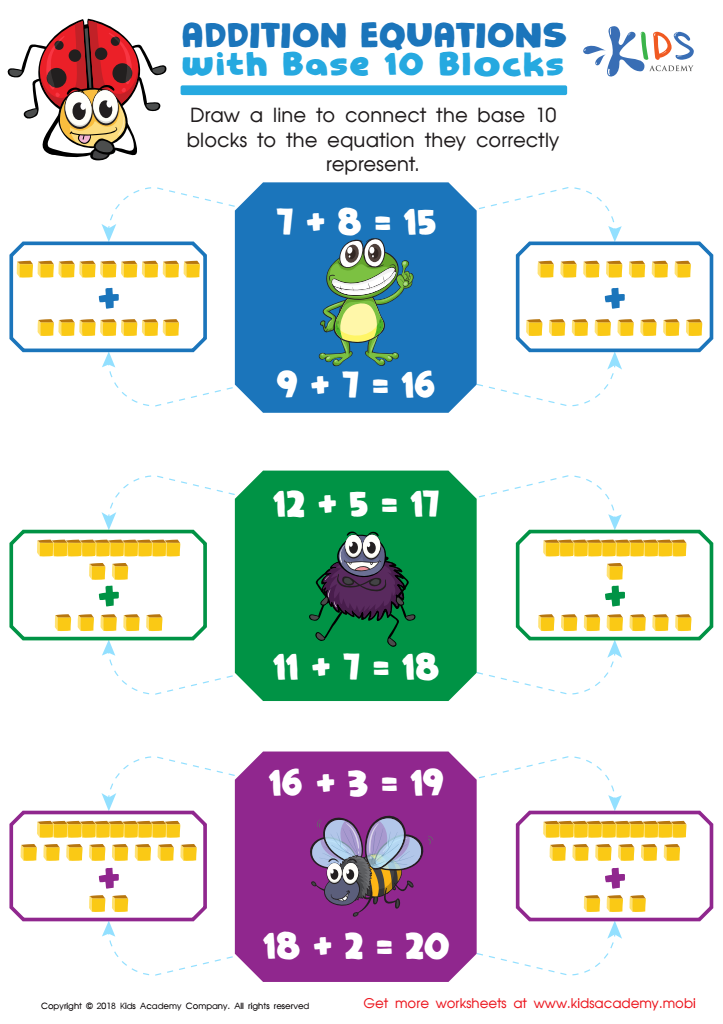
Addition Equations With Base 10 Blocks Worksheet
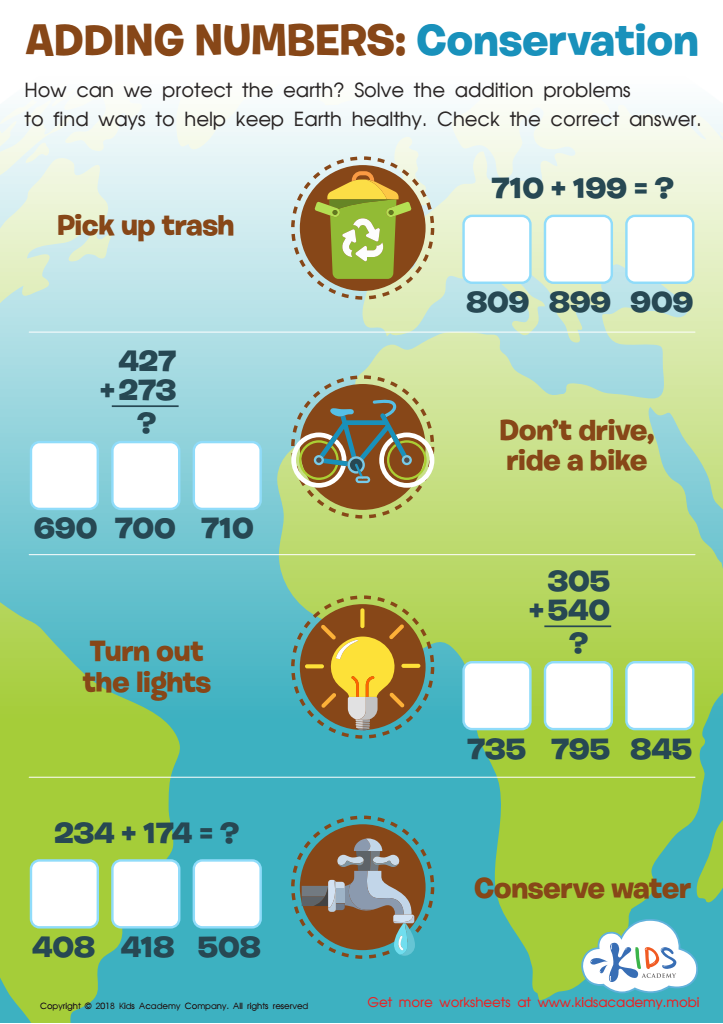
Adding Numbers: Conservation Worksheet
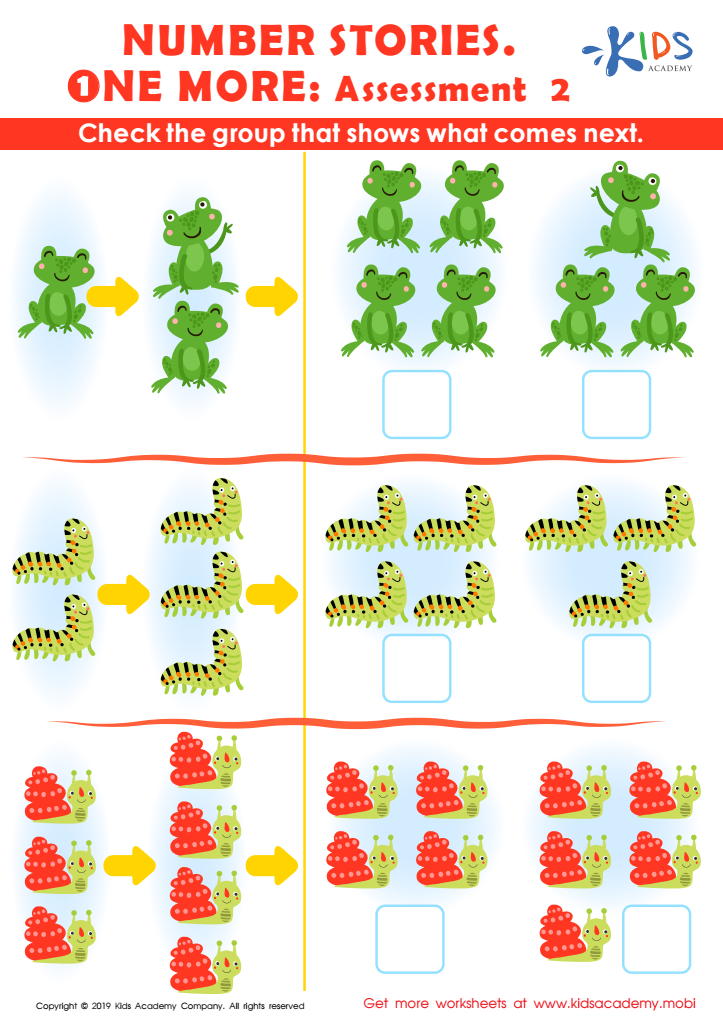
Number Stories One More – Assessment 2 Worksheet








Problem-solving practice in Normal Addition and Subtraction is crucial for children ages 4-8 for several reasons. Firstly, it aids in developing foundational math skills that are essential for more advanced mathematical concepts later in their education. Early exposure to problem-solving tasks encourages children to understand the relevance of math in everyday life, helping them see its practical applications.
Additionally, engaging in addition and subtraction problems nurtures critical thinking and reasoning abilities. Children learn to approach challenges systematically, evaluate possible solutions, and learn from mistakes—important skills both inside and outside the classroom. This practice promotes perseverance, as they encounter varied problem types and learn to persist until they find an answer.
Moreover, collaborative problem-solving fosters communication and teamwork skills when children work with peers or adults, enhancing their social skills. It creates a positive learning environment where children feel supported and confident in their abilities.
Furthermore, regular practice can also identify gaps in understanding early, allowing for timely intervention. Finally, mastering these basic operations builds a child’s confidence, setting the stage for a positive attitude towards math as they progress in their education. This holistic development emphasises the significant role parents and teachers play in nurturing strong mathematical foundations.








