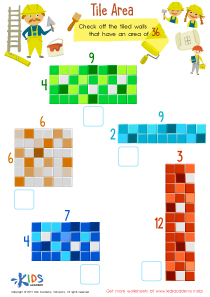
Basic arithmetic practice Normal Numbers Worksheets for Ages 4-8
3 filtered results
-
From - To
Our "Basic Arithmetic Practice Normal Numbers Worksheets for Ages 4-8" offer a fantastic way to help young learners develop essential math skills. Designed specifically for children, these worksheets focus on fundamental arithmetic concepts such as addition, subtraction, and number recognition. Each engaging activity is crafted to enhance problem-solving abilities and build a strong numerical foundation. Perfect for both classroom and at-home practice, our worksheets cater to various learning styles, ensuring every child enjoys success. Foster confidence in math and inspire a love for numbers with our expertly designed resources, tailored to young mathematicians.
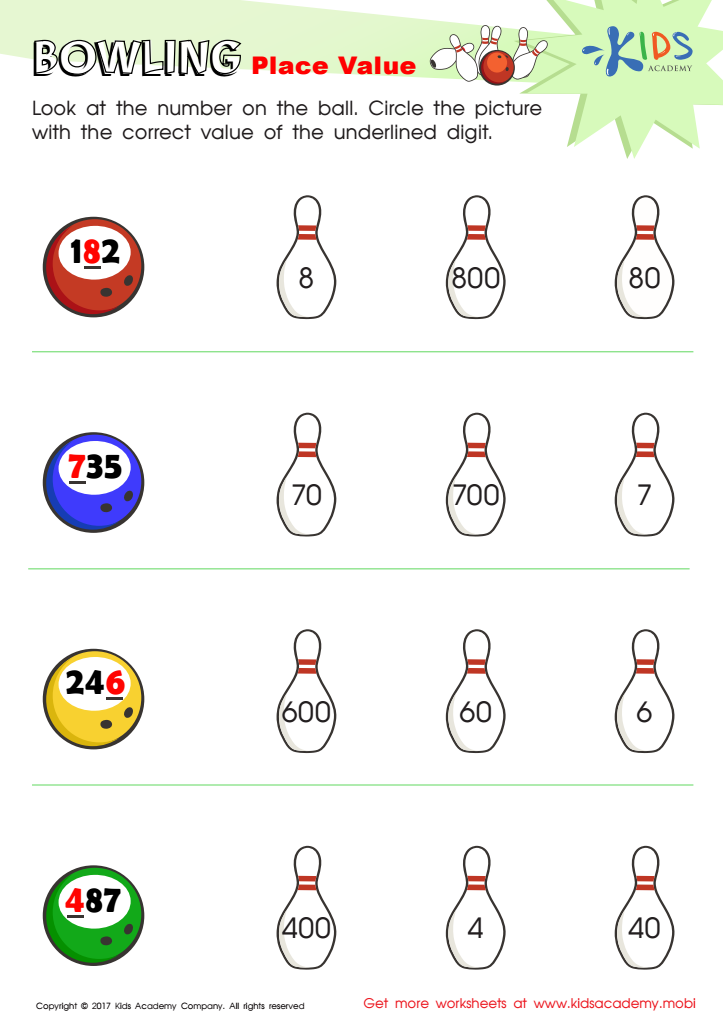
Place Value Worksheet
 Assign to My Students
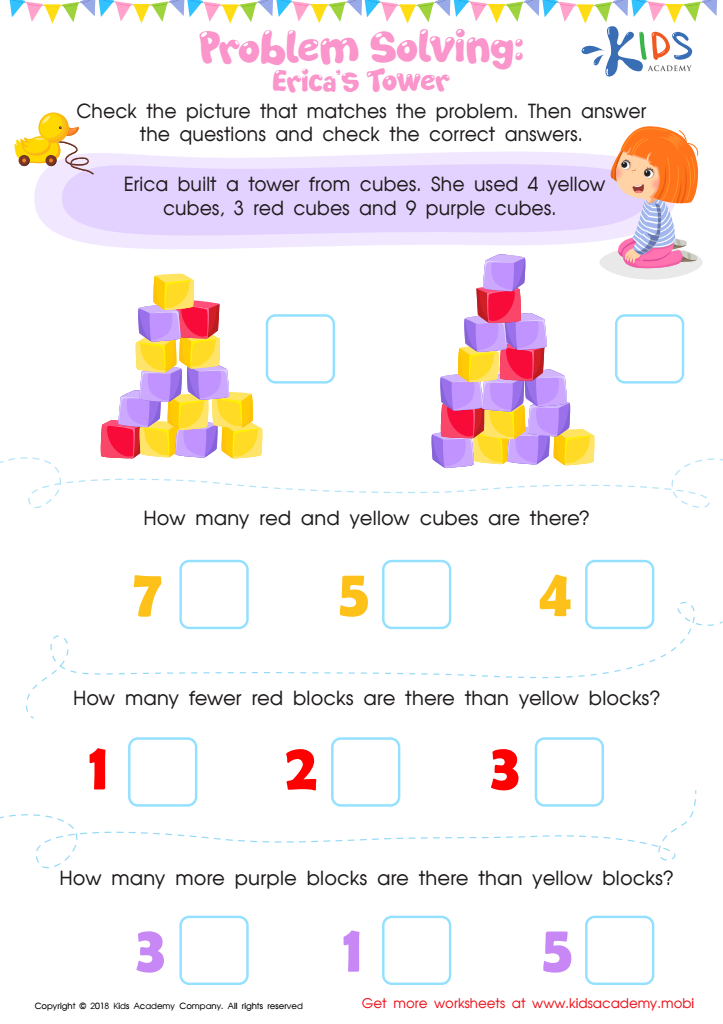
Problem Solving: Erica's Tower Worksheet
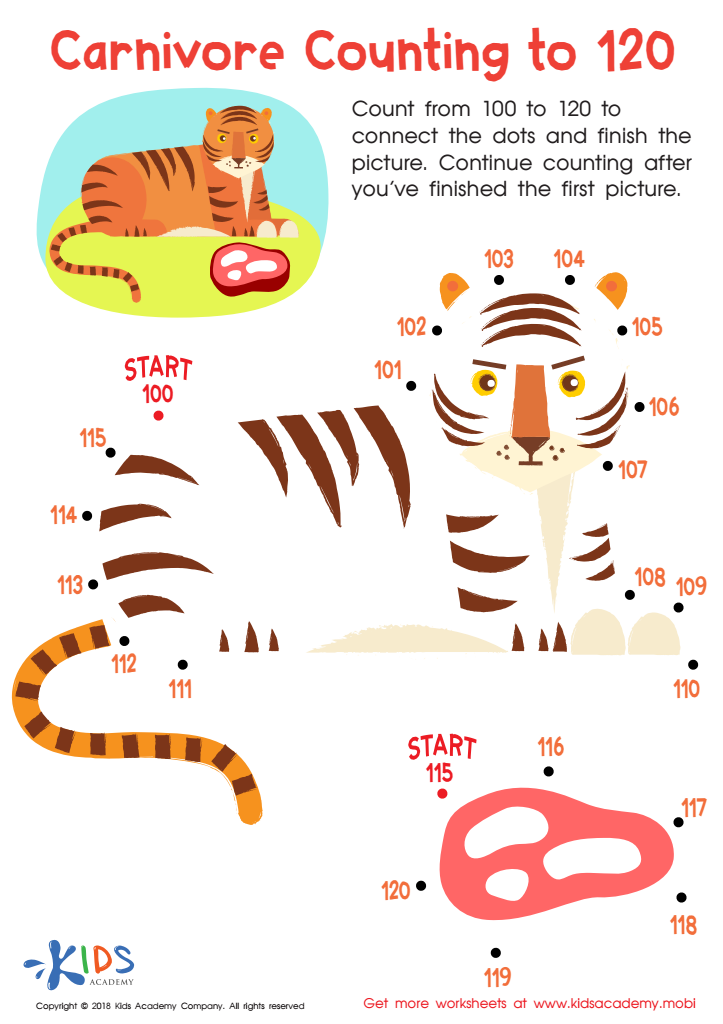
Carnivore Counting to 120 Worksheet








Basic arithmetic forms the foundation of all future math learning and is essential for everyday life skills, making practice especially vital for young children aged 4-8. At this stage, children grasp mathematical concepts quickly but need repetition and varied exercises to solidify their understanding. Regular practice with normal numbers – basic addition, subtraction, multiplication, and division without fractions or decimals – builds their confidence, numerical fluency, and problem-solving abilities.
For parents and teachers, emphasizing arithmetic helps children develop logical thinking, improves their ability to follow sequences, and represents quantities within their world. Evidence suggests children with strong early math skills tend to perform better academically across subjects, not just in math. Introducing these concepts at a young age helps children become comfortable with numbers, reducing any math anxiety they may encounter later.
Moreover, engaging in arithmetic practice sharpens a child’s memory and concentration, keys for academic success. Interactive exercises, engaging games, and tangible tools, like counting beads or number lines, can make learning arithmetic fun and captivating. In sum, consistent arithmetic practice equips children with critical cognitive skills and academic prowess, ultimately setting them up for long-term educational achievement and practical daily functionality.