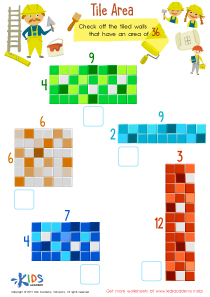
Cultural awareness Normal Numbers Worksheets for Ages 4-8
3 filtered results
-
From - To
Introduce young learners to diverse cultures with our "Cultural Awareness Normal Numbers Worksheets" designed for ages 4-8. These engaging, printable activities blend math practice with cultural education, allowing children to explore numbers while learning about traditions from around the world. Enhance your child's mathematical and cultural knowledge with colorful, thoughtfully designed worksheets that teach counting, number recognition, and sequencing concepts, all within a multicultural context. Perfect for early grade classrooms or homeschool settings, these resources promote global awareness and foster a love for learning. Download today to bring the world to your child's fingertips through numbers!
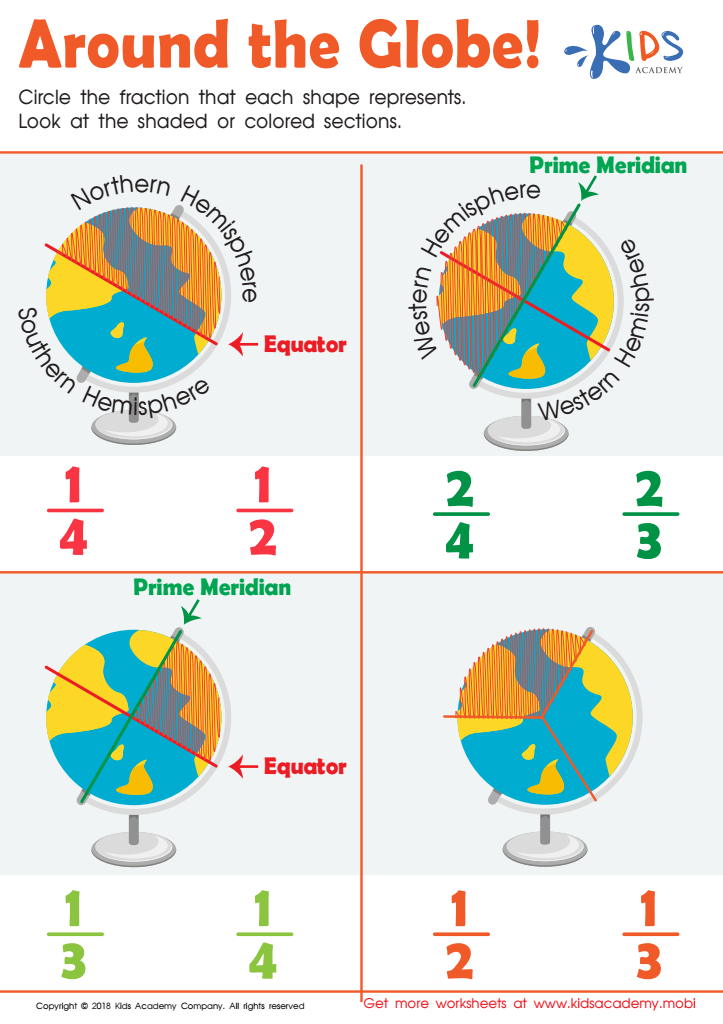
Around the Globe Worksheet
 Assign to My Students
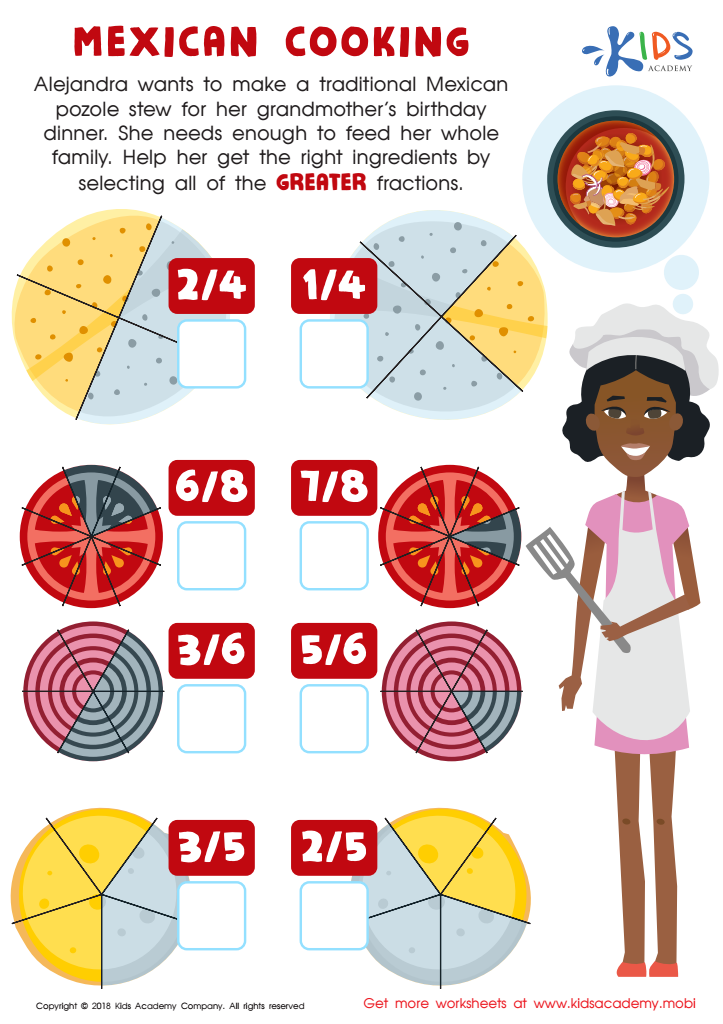
Mexican Cooking Worksheet
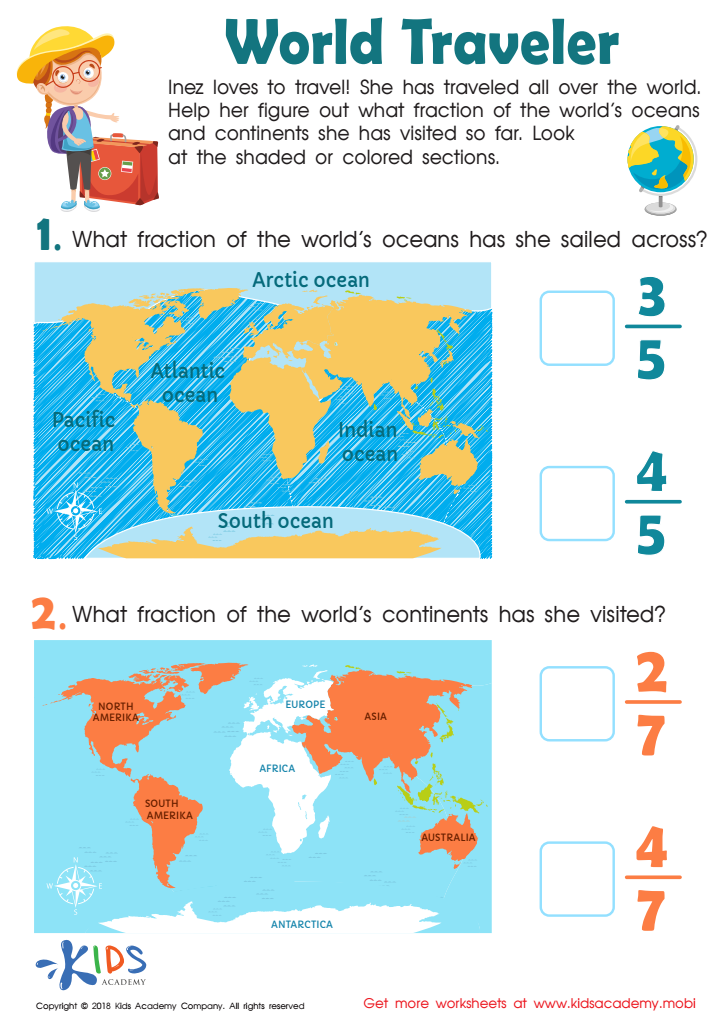
World Traveler Worksheet








Cultural awareness in early childhood is crucial for several reasons. Firstly, it lays the foundation for empathy and respect for diverse backgrounds. Children ages 4-8 are in a critical developmental stage where they form long-lasting perceptions and attitudes. Introducing them to various cultures helps broaden their understanding and acceptance of differences, reducing the risk of prejudice.
For parents and teachers, promoting cultural awareness fosters an inclusive environment where all children feel represented and valued. By engaging in culturally diverse activities—such as stories, songs, or holiday celebrations—kids learn to appreciate the uniqueness of their peers. This practice nurtures social-emotional skills, like empathy and cooperation, which are essential for building strong, positive relationships.
Additionally, cultural awareness can enhance cognitive development. Exposure to different languages, traditions, and perspectives encourages critical thinking and creativity. For instance, understanding how people in other cultures solve problems can provide fresh insights and inspire innovative solutions.
Parents and teachers serve as primary role models, and their commitment to cultural awareness directly impacts a child’s attitude toward diversity. By instilling these values early on, we prepare children to thrive in an increasingly globalized society. Thus, caring about cultural awareness isn't just beneficial; it's essential for raising well-rounded, socially competent individuals.