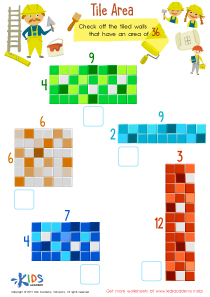
Enhancing addition skills Normal Numbers Worksheets for Ages 4-8
3 filtered results
-
From - To
Boost your child’s math confidence with our "Enhancing Addition Skills: Normal Numbers Worksheets" designed for ages 4-8. Perfect for young learners, these engaging resources help kids master addition effortlessly. Our worksheets incorporate fun, interactive exercises that teach kids to add numbers in a step-by-step manner, fostering essential problem-solving skills. Each worksheet is meticulously crafted to build foundational math knowledge while keeping children entertained. Ideal for classroom use or at home, these printables make learning enjoyable and productive. Discover how effective and fun learning addition can be with our expertly designed worksheets on Kids Academy.
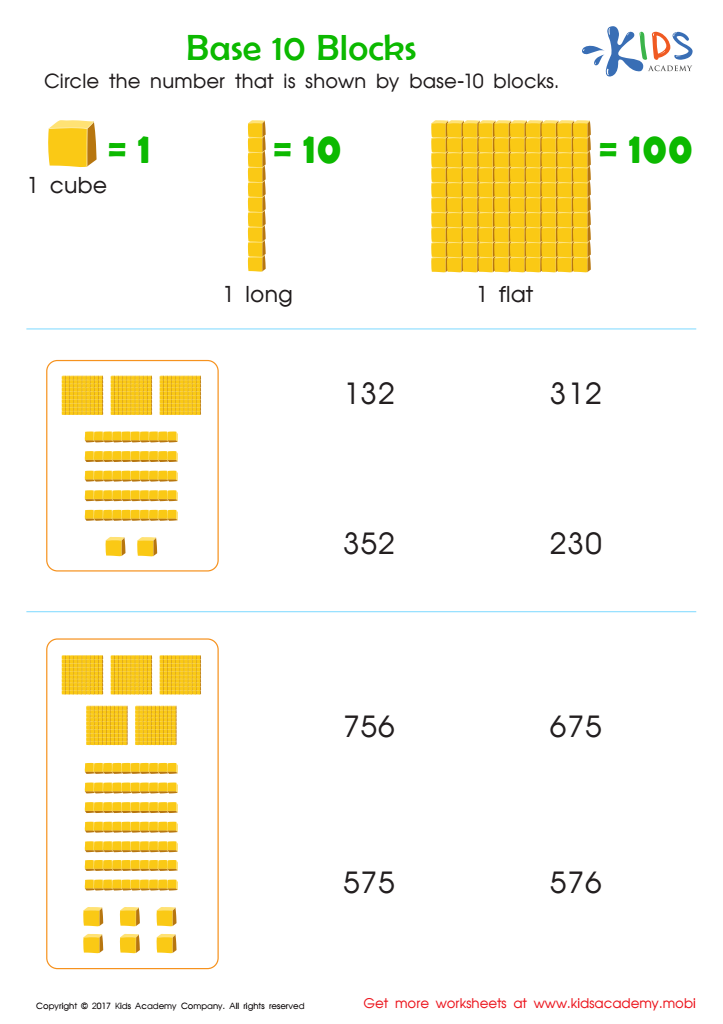
Base Ten Blocks Worksheet
 Assign to My Students
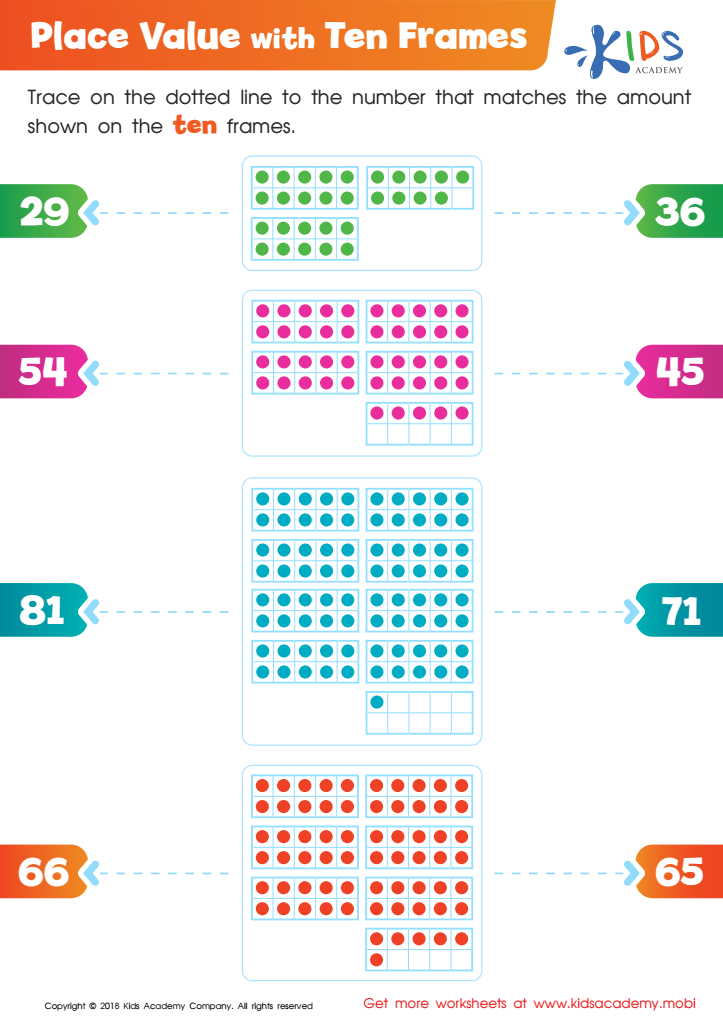
Place Values with Ten Frames Worksheet
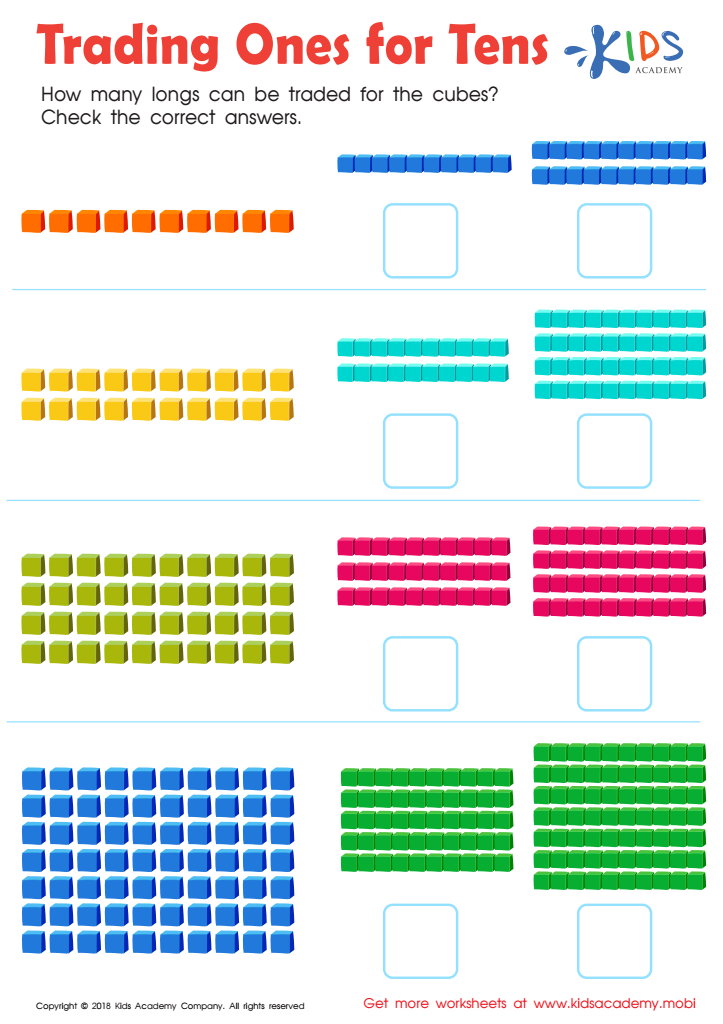
Trading Ones for Tens Worksheet: Part 2






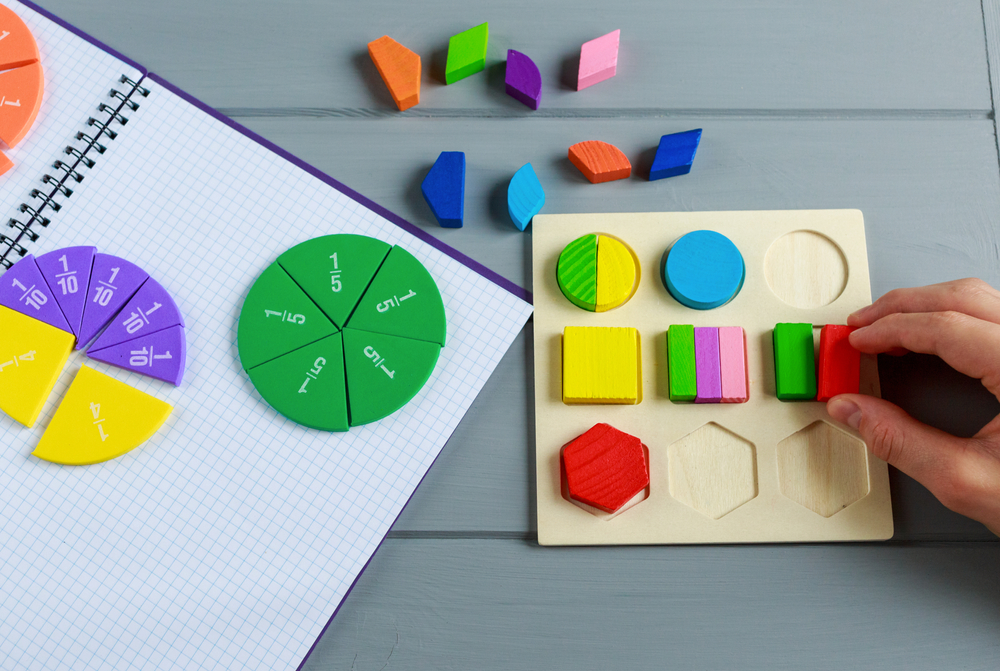

Enhancing addition skills for ages 4-8 is essential for several reasons. First, these early years are a critical period for cognitive development. Young children's brains are highly adaptable, making it an ideal time to introduce foundational mathematical concepts, such as addition, which will later support more complex math skills. Proficiency in addition can boost a child's confidence and interest in mathematics, setting the stage for a positive attitude towards the subject in future educational endeavors.
Moreover, addition is integral to daily life. From counting toys to measuring ingredients for a recipe, this foundational skill helps children make sense of everyday tasks. Early mastery of addition thus equips them with practical life skills that encourage independent thinking and problem-solving.
Educationally, strong addition skills are correlated with overall academic success. Mathematics is a cumulative subject where each new concept builds on previous ones. A strong grasp of addition paves the way for learning more advanced mathematical operations, such as subtraction, multiplication, and division.
In addition to cognitive and practical benefits, fostering these skills can also provide emotional rewards. Children who succeed in foundational math are more likely to feel successful and motivated in school. Therefore, both parents and teachers play a critical role in nurturing these skills, providing a strong mathematical foundation for future learning and daily activities.