Understanding patterns Normal Numbers Worksheets for Ages 4-8
4 filtered results
-
From - To
Welcome to our "Understanding Patterns Normal Numbers Worksheets" designed specifically for ages 4-8! These engaging resources help young learners explore the concept of patterns through colorful activities and interactive exercises. Our worksheets focus on recognizing, creating, and extending patterns using numbers, shapes, and everyday objects, fostering critical thinking and enhancing problem-solving skills. Tailored for varying skill levels, these materials provide a fun and effective way for children to build a strong numerical foundation while developing their comprehension of patterns. Let your child dive into a world of creativity and mathematical understanding as they enjoy learning through play!
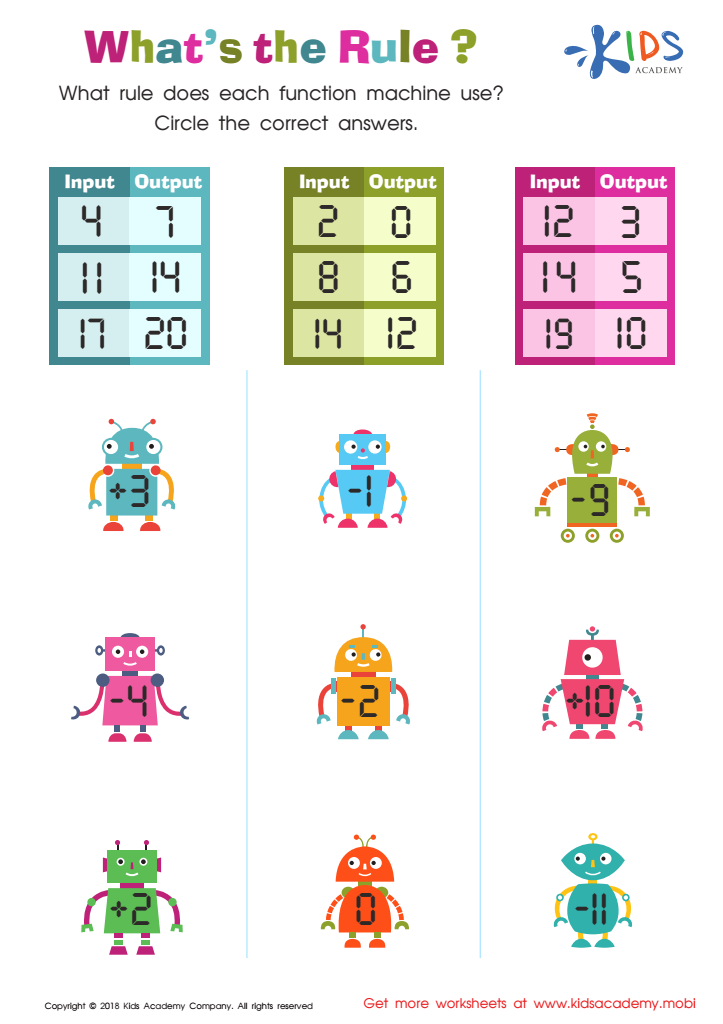
What's the Rule Worksheet
 Assign to My Students
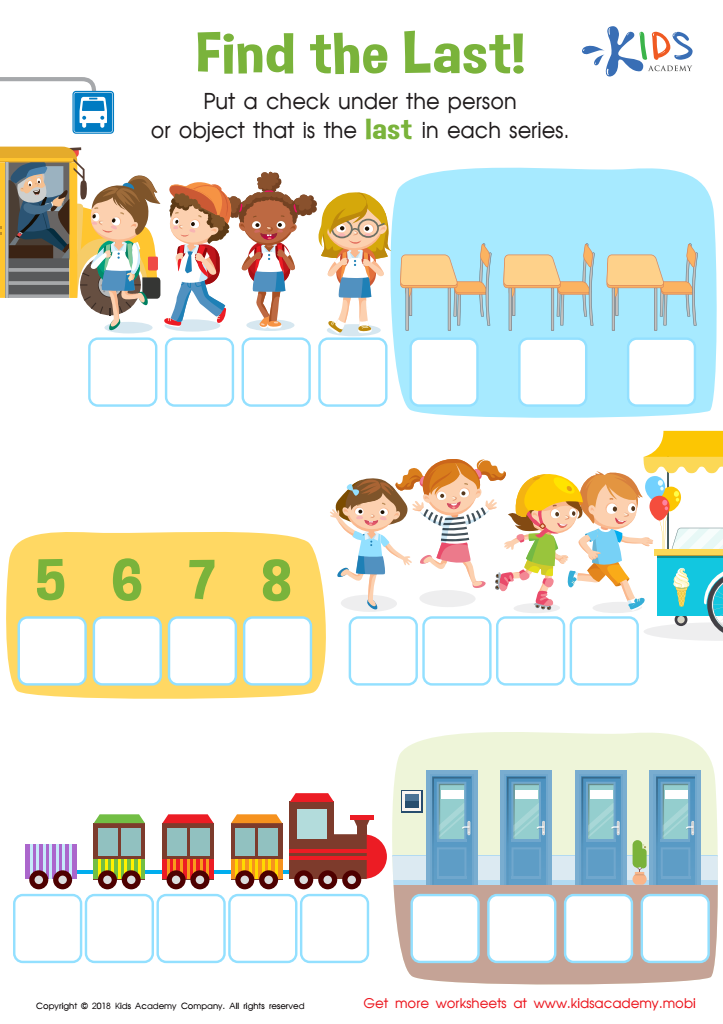
Find the Last! Worksheet
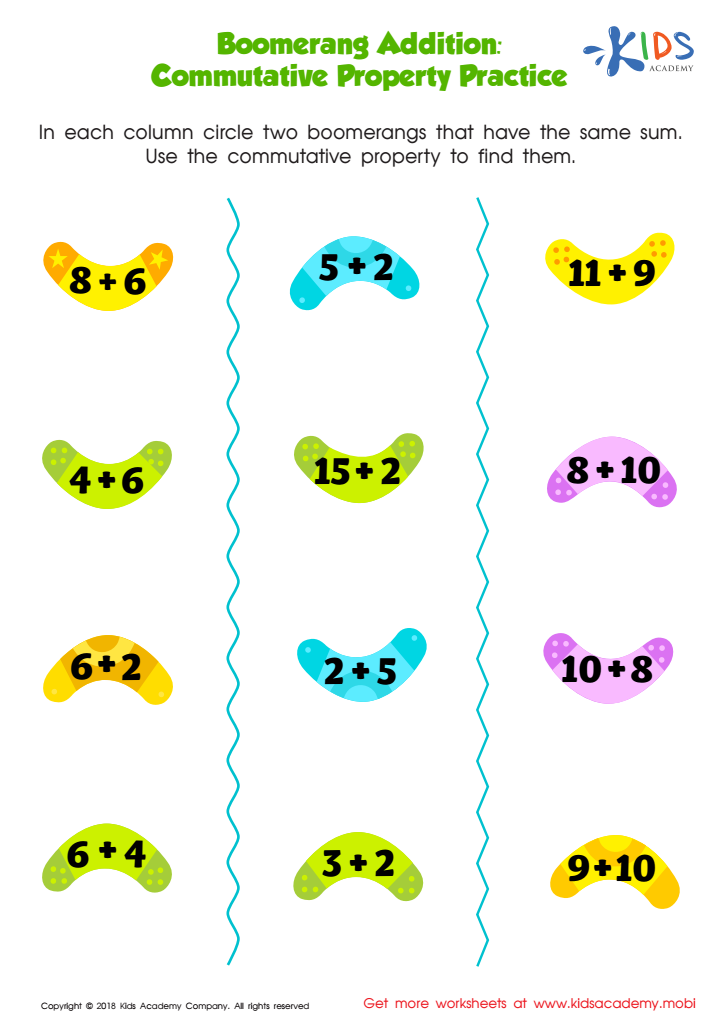
Boomerang Addition Worksheet
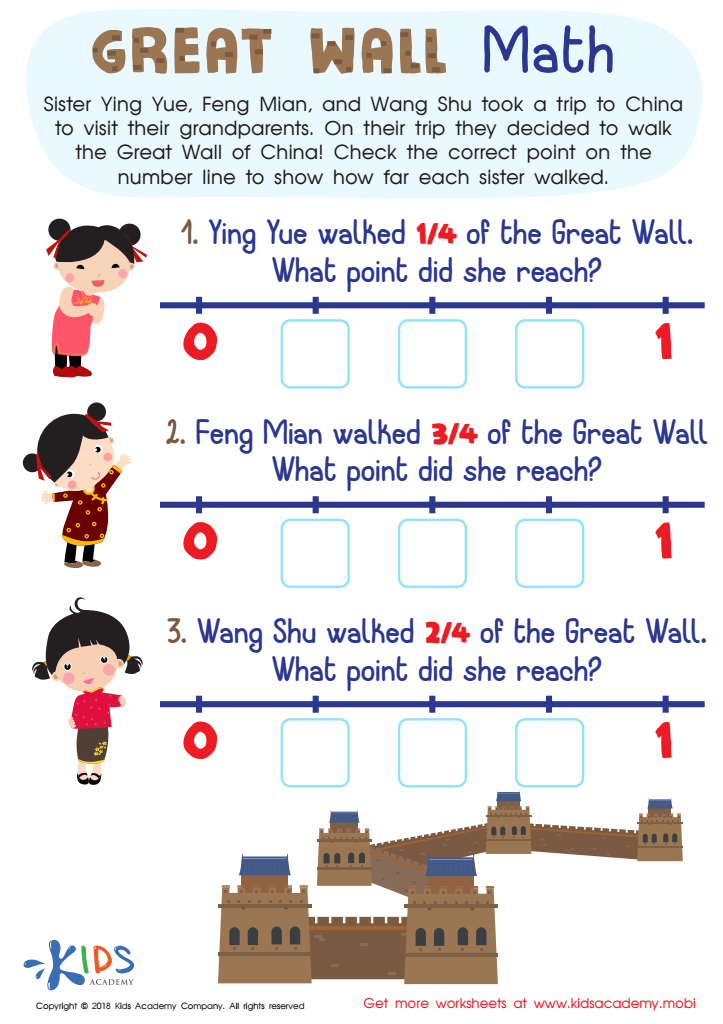
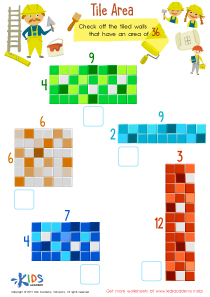
Great Wall Math Worksheet








Understanding patterns and normal numbers is crucial for children aged 4-8 as it lays the foundational skills for their future mathematical learning. During these formative years, children develop cognitive skills through play and exploration. Recognizing patterns helps them make connections and identify regularities in their environment, fostering critical thinking and problem-solving abilities. Patterns are everywhere—from nature to daily routines—prompting children to notice and predict, enriching their observational skills.
Normal numbers, fundamental in mathematics, refer to recognizing and understanding the sequence and relationships within numbers. This understanding is essential for young learners as they transition from counting to more complex mathematical concepts like addition, subtraction, and eventually multiplication and division. Engaging with these concepts through fun and interactive activities supports cognitive development, nurturing a love for mathematics at an early age.
Furthermore, studies show that children who grasp these concepts early tend to excel in math later in school. By embedding pattern recognition and a solid understanding of normal numbers into learning experiences, parents and teachers can equip children with necessary skills, boost their confidence, and encourage lifelong learning habits. Ultimately, investing in this knowledge pays dividends as children progress in their educational journeys.