Basic Mathematics Normal Math Worksheets for Ages 4-8
5 filtered results
-
From - To
Explore our engaging Basic Mathematics Normal Math Worksheets designed for children ages 4-8! These worksheets provide fun and interactive activities that help young learners develop essential math skills in counting, addition, subtraction, and number recognition. Each worksheet promotes critical thinking and problem-solving in an enjoyable way, fostering a love for mathematics from an early age. Our user-friendly format makes it easy for parents and educators to incorporate these resources into daily learning routines. Whether at home or in the classroom, these printable worksheets serve as valuable tools in nurturing your child's confidence and proficiency in basic mathematics. Start your math journey today!
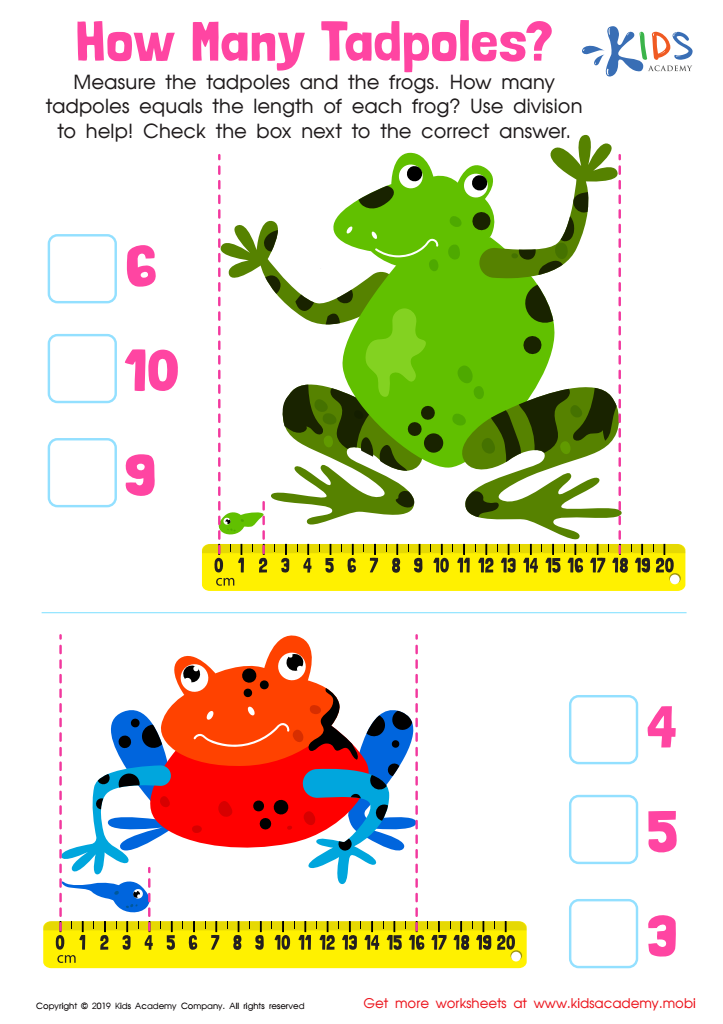
How Many Tadpoles Worksheet
 Assign to My Students
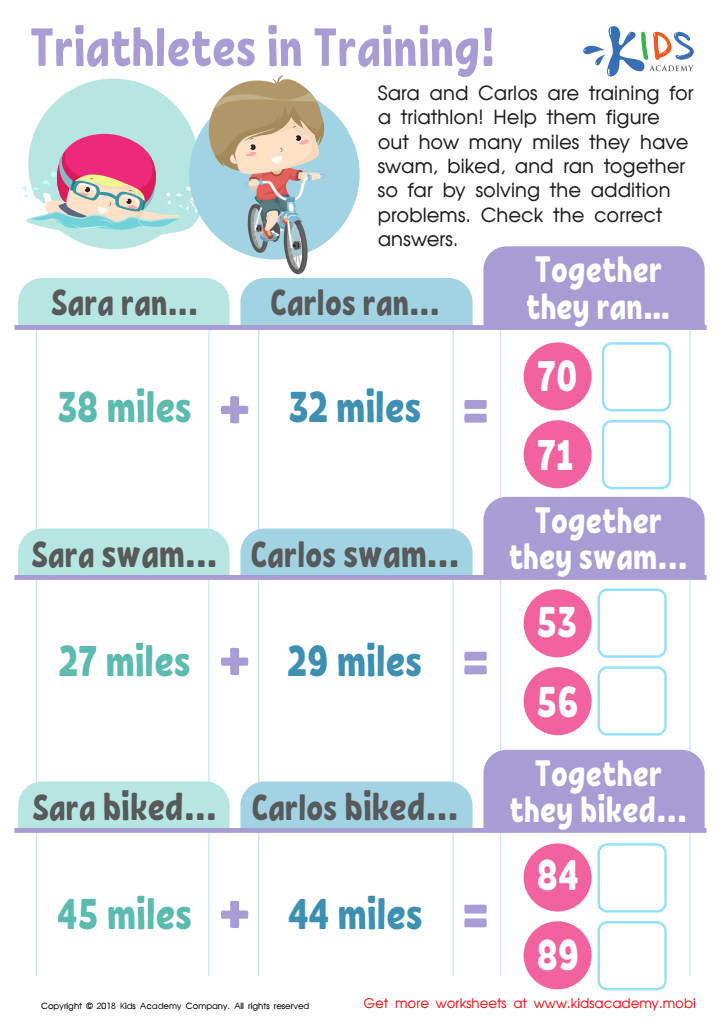
Triathletes in Training Worksheet
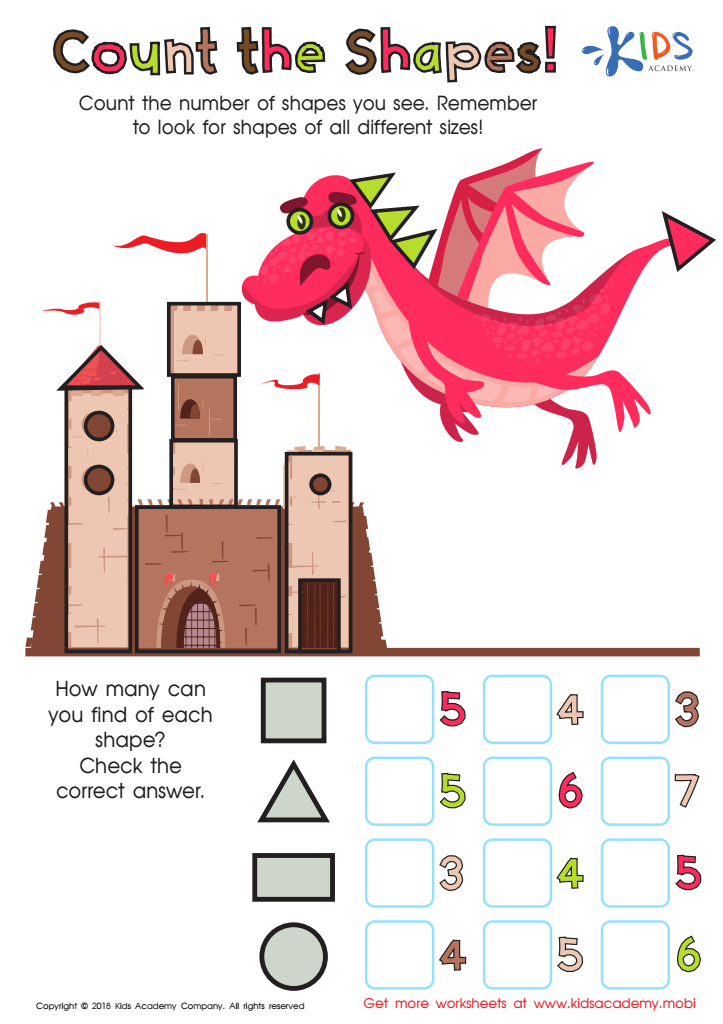
Count the Shapes Worksheet
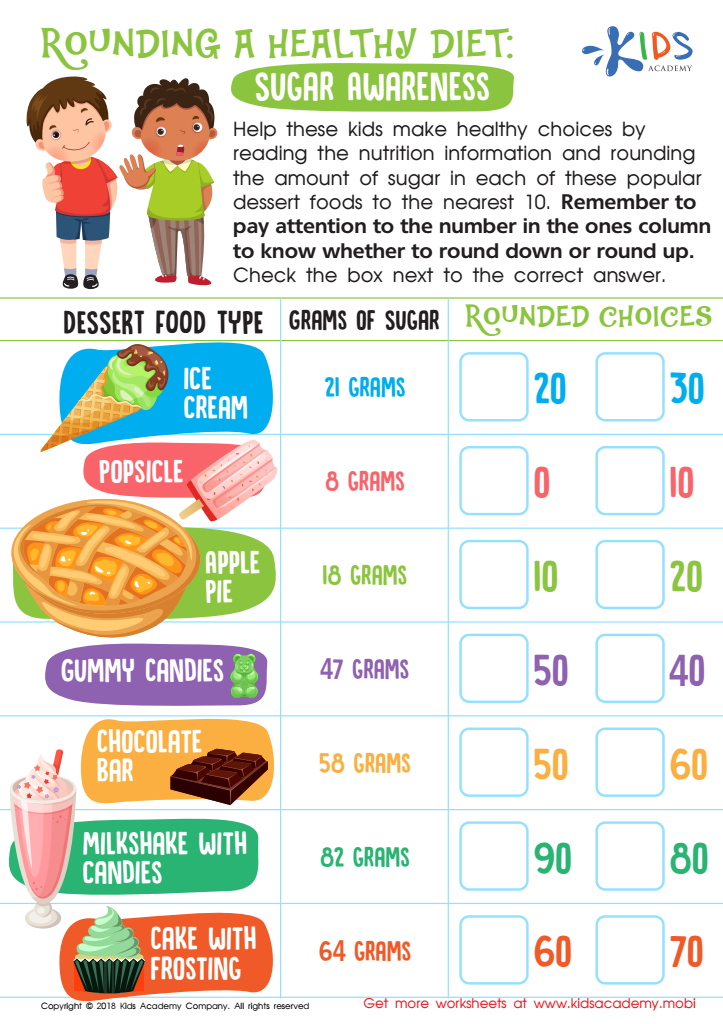
Rounding Healthy Diet Worksheet
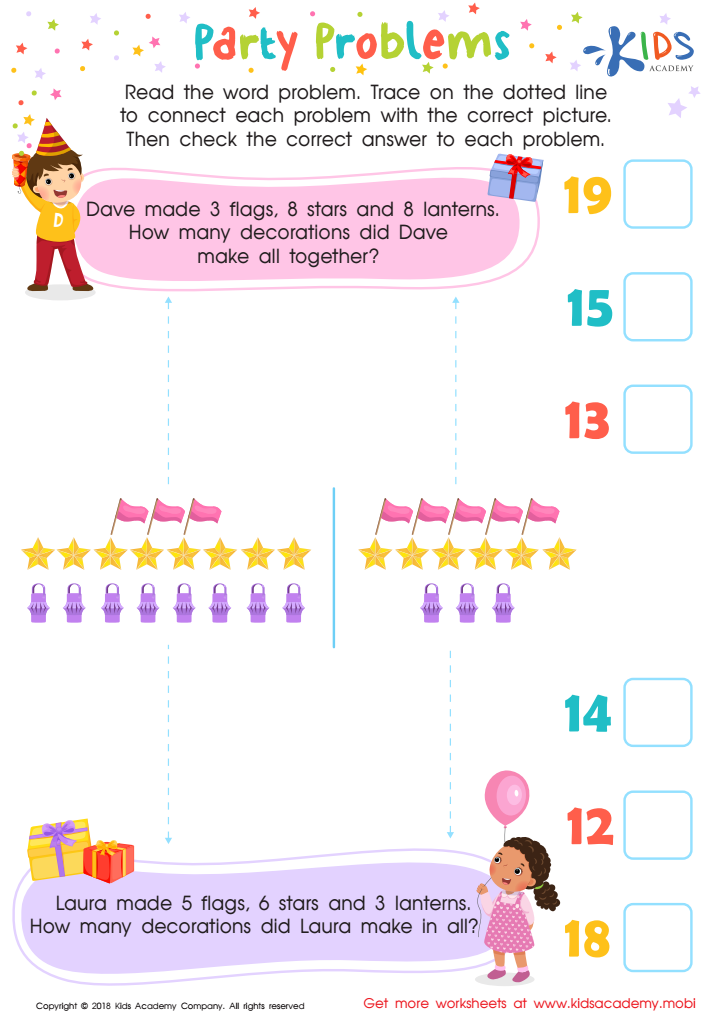
Party Problems Worksheet







Basic mathematics is a fundamental building block for young learners aged 4-8, laying the foundation for future academic success. Understanding basic math concepts fosters critical thinking, problem-solving skills, and logical reasoning, which are essential for more complex subjects later on.
Engaging with math at this age helps children develop a positive relationship with the subject. Fun activities, such as counting games, simple addition and subtraction, and pattern recognition, promote a love for learning. Early math skills are linked to improved overall academic performance, and children who master basic math are more likely to excel in future studies.
Moreover, in our increasingly data-driven world, numeracy skills are vital for everyday decision-making, from managing money to interpreting information in media. Parents and teachers play a crucial role in nurturing this early learning phase. By recognizing the importance of basic mathematics, they can provide enriching environments that encourage exploration and discovery. Simple activities at home or in the classroom can make learning math enjoyable and engaging.
In short, focusing on basic mathematics during these formative years is essential for capturing children's interest and ensuring they are well-prepared for future educational challenges, fostering both their academic journey and their confidence in their abilities.








